Throwback Thursday –  Denis Reggie, Don Blair & PPA Orlando ’96

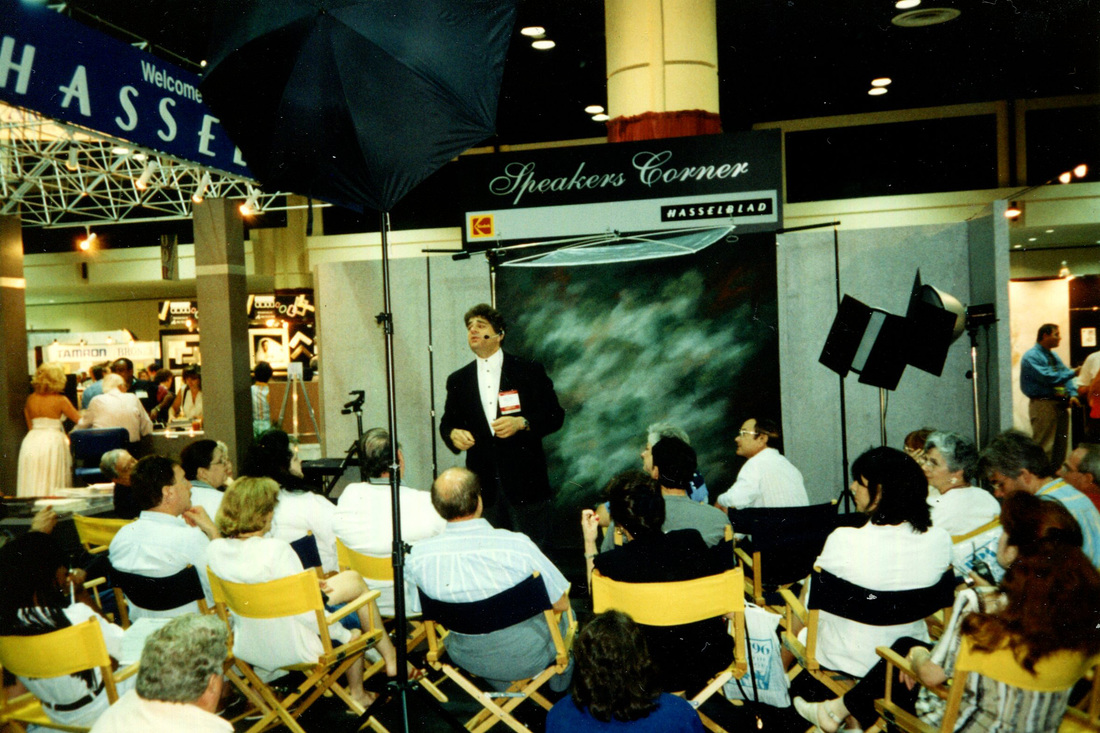
They might just be grab shots, but there’s a whole lot of significance to the story behind them. The year is 1996, and it’s the PPA convention in Orlando. Back in those days what’s become known as IUSA was always in the middle of the summer. You could typically pick the hottest place in the US, with the lowest hotel rates and that’s where the convention would be held. IUSA has sure come a long way!

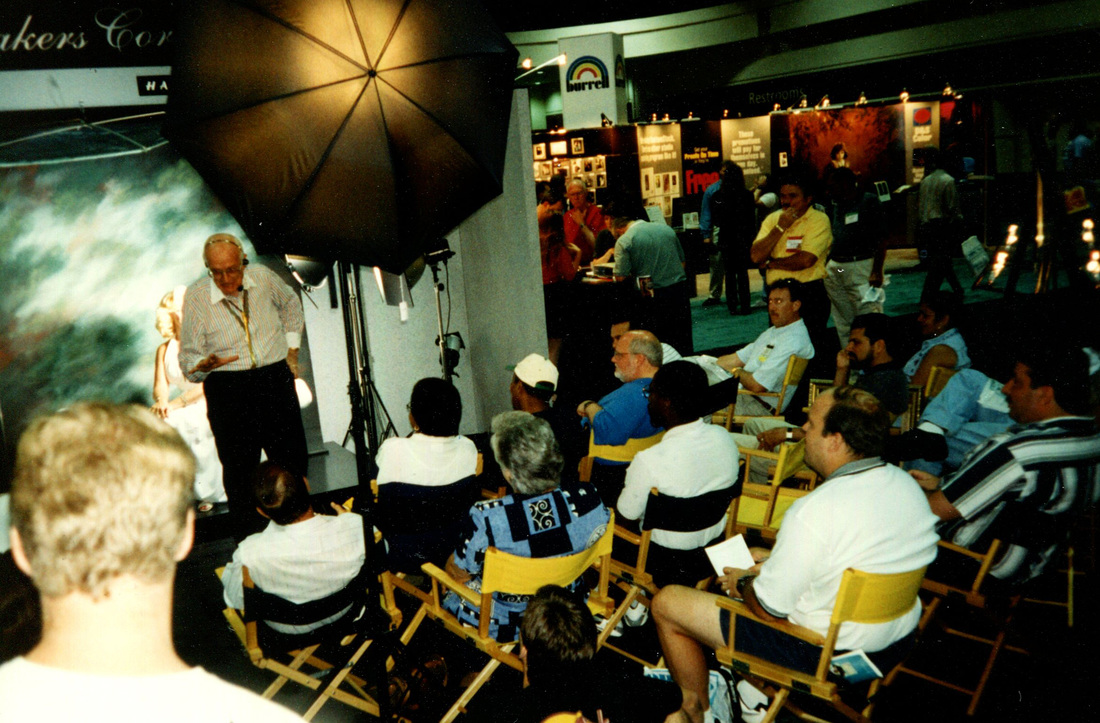
A few years earlier Hasselblad and Kodak teamed up and launched Speakers Corner. We put our booths on either side of the aisle, then bought the aisle, putting all the in-booth programming right between our two companies. That’s Denis Reggie presenting in the top image, and “Big Daddy” Blair in the one below.  A new program kicked off every hour, and the draw for both Hasselblad and Kodak was remarkable.

But besides a lot of great memories as I look back to what it took to schedule and coordinate our presence at any show, I’m laughing over the way the chairs were put together. We had “Kodak” and “Hasselblad” printed on each chair back. In fact, I surprised Terry Deglau from Kodak and had the director’s chairs made up, but looking at these images everyone is sitting on the logos – they were put together wrong. The name should be on the outside, on the back of the chair. Even worse, while I’d like to find out who the bozo was who put them together wrong, I’m betting any money it was me! LOL

Hasselblad and Kodak were the first companies to work together this way, and it set the stage for some incredible programs over the years. It made so much sense to work together since we shared so many of the industry’s icons along with a strong mutual focus on education.

So, it’s Throwback Thursday – have you gone searching for your throwbacks to share? Remember, talking about the value of old images is a terrific marketing tool and a strong reminder to your blog readership that time never slows down!

Happy Throwback Thursday!

PS Let me know if any of you spot yourselves in the audience!

SkipCohenUniversity – SCU Blog

Posted in Photograpy How To | Tagged , , , , , | Leave a comment

Searching for Unique Photographs

Millions — perhaps billions — of people take pictures every day. Famous places and people have been photographed more times than anyone can count. All of this leads to the deluge of images that we are seeing online and in social media. Every time that a photographer visits a beautiful location for the first time, thousands of people already photographed it under the best possible conditions (and the worst conditions, and everywhere in between). Recently, I have heard more than a few people say that photography has become boring to them; everyone copies everyone else, and it doesn’t seem like there is anything new left to photograph and explore. Is that mindset justified? Can photographers still create unique photos?

1) What makes a unique photo?

I visited Grand Teton National Park for the first time over this past summer. It is one of the most popular places in the United States to take landscape photos, and I knew that the scenery would be beautiful. After arriving to the park, though, my first thought was not on how inspiring or surreal these mountains were; instead, I immediately recognized Ansel Adams’s famous photo of the Snake River sitting right in front of me.

Inevitably, the photos I took of the Tetons would have some similarities to Ansel Adams’s shot — which isn’t as good as it sounds. With a similar background, viewers would be reminded that better photos have been taken of the same scene! Even if I didn’t think about his famous photo, people who viewed my work would notice the landscape. So, one of the difficult parts of taking pictures here was to create work that felt like my own.

Grand-Tetons-Sunset

NIKON D800E + 35mm f/1.8 @ 35mm, ISO 100, 1/100, f/16.0

A lot of us have a desire to take unique photos; we want to do something that has never been done before. There is nothing wrong with thinking like this. But, if you are after unique photos (and I tend to include myself in this category), are you chasing something that is impossible?

Obviously, unless you create a digital duplicate of an image, every photo is “unique.” It is impossible to take a picture that is identical, pixel by pixel, to one that someone else has taken. The true definition of a unique photo, of course, runs much deeper than this, and is a bit open to interpretation.

Is an image unique if the scene has been photographed before, but not by you? I have taken pictures at some popular locations, but I wasn’t actively trying to copy anyone else’s photo — does that still count as my own work? What if my composition is different from the most famous photos of the same place?

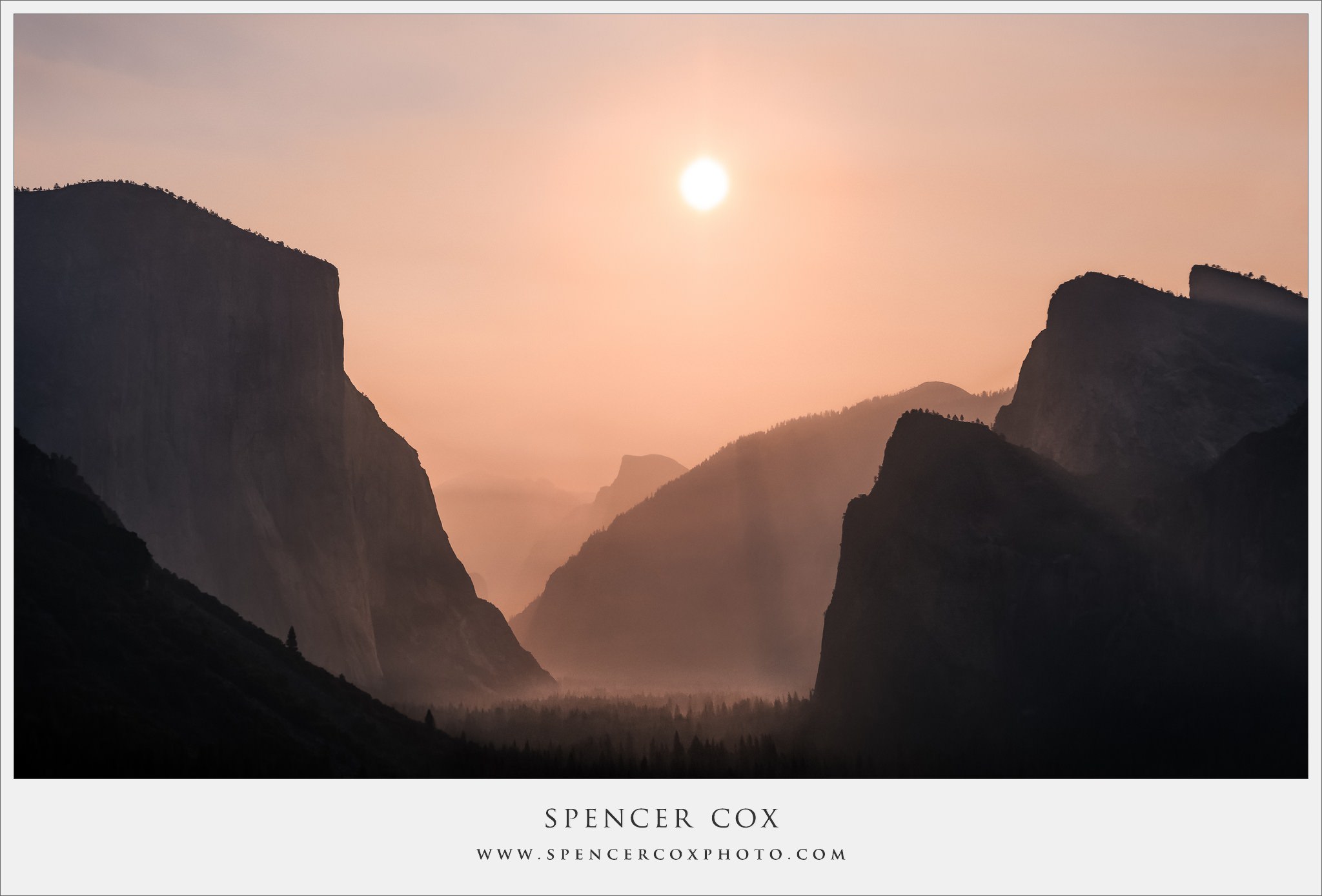
No one can provide definitive answers here. However, I can offer a story that you may relate to. When I first went to Yosemite, I took pictures at most of the famous overlooks, including Tunnel View. This is where Ansel Adams captured his “Clearing Winter Storm” photo, and, more recently, where Apple’s default desktop background was taken. However, the photo I took (now my profile picture) couldn’t easily be mistaken for either of these two images, despite the same underlying landscape. Does that make it unique?

Tunnel-View-Sunrise-Yosemite

NIKON D7000 + 17-55mm f/2.8 @ 34mm, ISO 100, 1/2500, f/5.6

I am divided. On one hand, the composition is my own; I haven’t seen many similar shots. However, it isn’t entirely my own photo, since I wasn’t the person who discovered or popularized this landscape. I went here for sunrise because I knew it would be a good place to take pictures. If, instead, I had found a totally new vantage point to take photos in Yosemite, it obviously would be more of my own shot. So, are there degrees of uniqueness? (According to linguists, no.)

Still, you could photograph a popular subject under unusual conditions, or you could photograph a scene that few people have captured before. There is a clear difference between these two examples, and that is the crux of this article.

I can’t tell you how to take a unique photo; I can’t even pinpoint when a photo turns from commonplace to something completely new. What I will say, though, is that the search for unique photos is not something that can be done easily. It takes unusual dedication to find something that no one has ever captured, especially with the bombardment of photos taken around the world every day. Whether that makes it more worthwhile to chase uniqueness, or less, I leave the ultimate question up to you.

2) Capturing an Old View in a New Way

Rather than searching for photos that are completely new, you may prefer to put your own spin on a popular subject. I certainly love doing this whenever I visit a famous location, and I am sure that many others are the same way. So, how can you put this into practice?

There are countless possibilities. One of the first is simply to use different equipment than most people do, especially your choice of lens. If everyone uses a wide-angle lens, pull out your telephoto! Show viewers a detail of the scene rather than an expansive view.

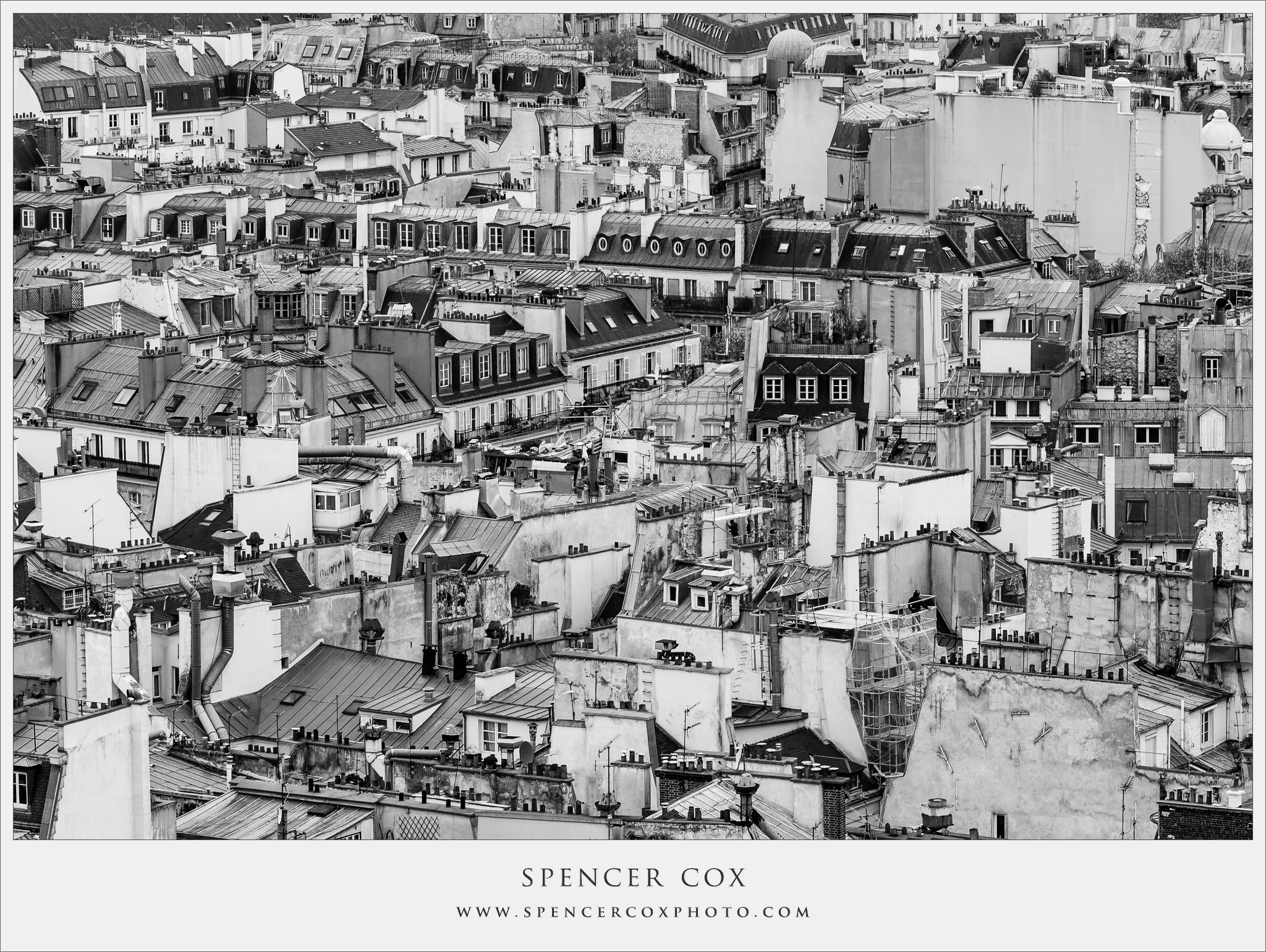
When I visited the Notre Dame Cathedral several years ago, I was particularly interested in the chaotic lines and shapes of all the buildings. Rather than taking a wide-angle photo of the city skyline — which seems to be the most popular thing to do — I switched to my 105mm lens and focused on distant details.

Paris-Buildings-Notre-Dame

NIKON D7000 + 105mm f/2.8 @ 105mm, ISO 100, 1/125, f/5.0

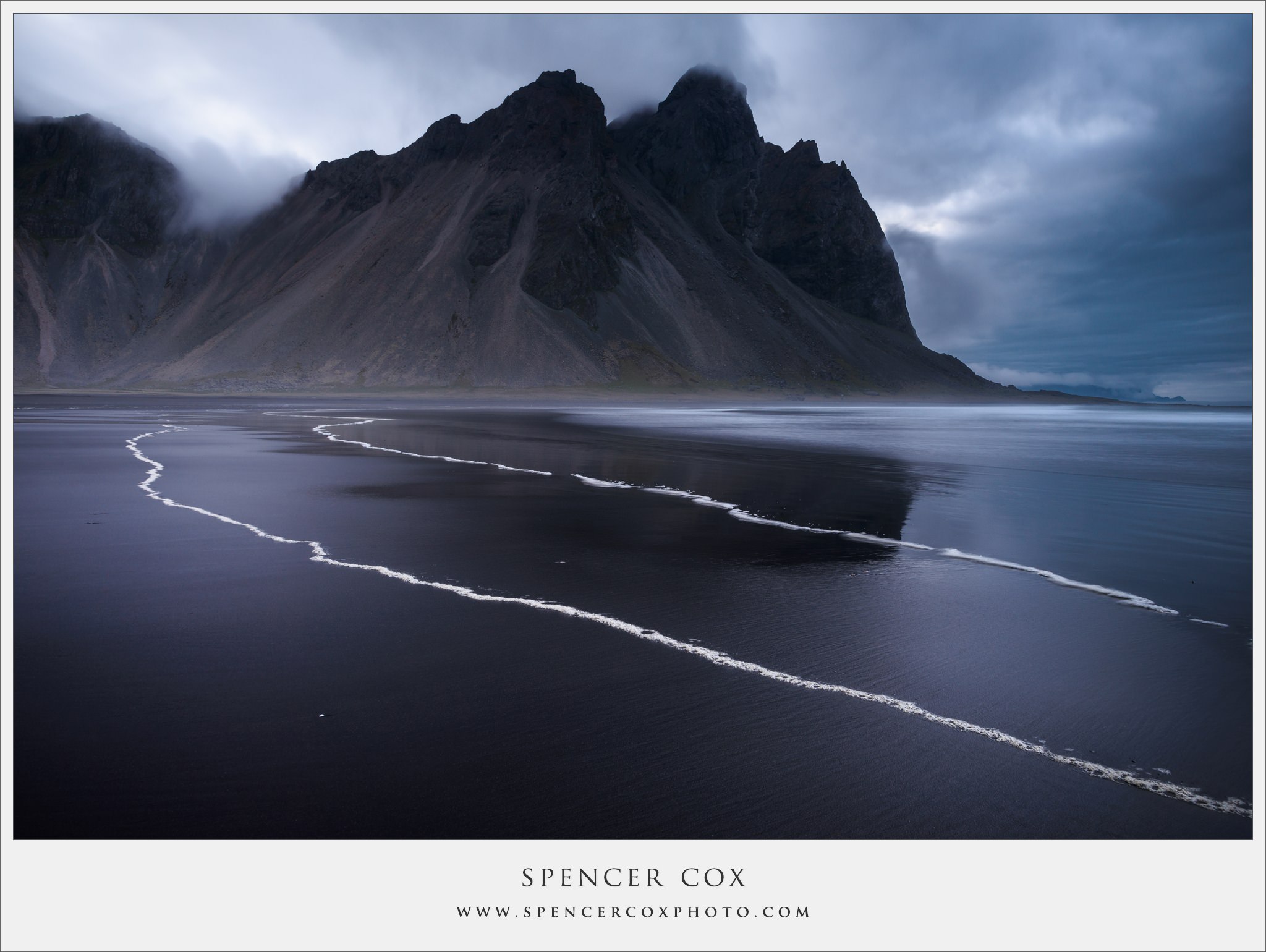
Other times, you can capture a famous view under unusual conditions. The Stokksnes Mountains in Iceland may not be a household name, but they are relatively common subjects for landscape photographers. When I visited, though, the strong wind made for very unusual conditions along the shore: lines of white foam in the sand, which stayed in place even as the water receded.

I know that this is a windy location, so perhaps it was simply the tides on this particular day, or an odd combination of elements all together. No matter the reason, I haven’t seen anyone else capture a shot with foam like this in the foreground. I owe this photo’s uniqueness to the unusual conditions I encountered. Sometimes, that is the best way to photograph a popular subject in a new way.

Stokksnes-Mountains-Iceland

NIKON D800E + 24mm f/1.4 @ 24mm, ISO 100, 8/1, f/16.0

Lastly, and perhaps most importantly, is your choice of composition. Although it may seem as though a given landscape can only be composed in a handful of ways, that rarely is the case. Move around, try different foregrounds, and look around for things that some photographers may miss.

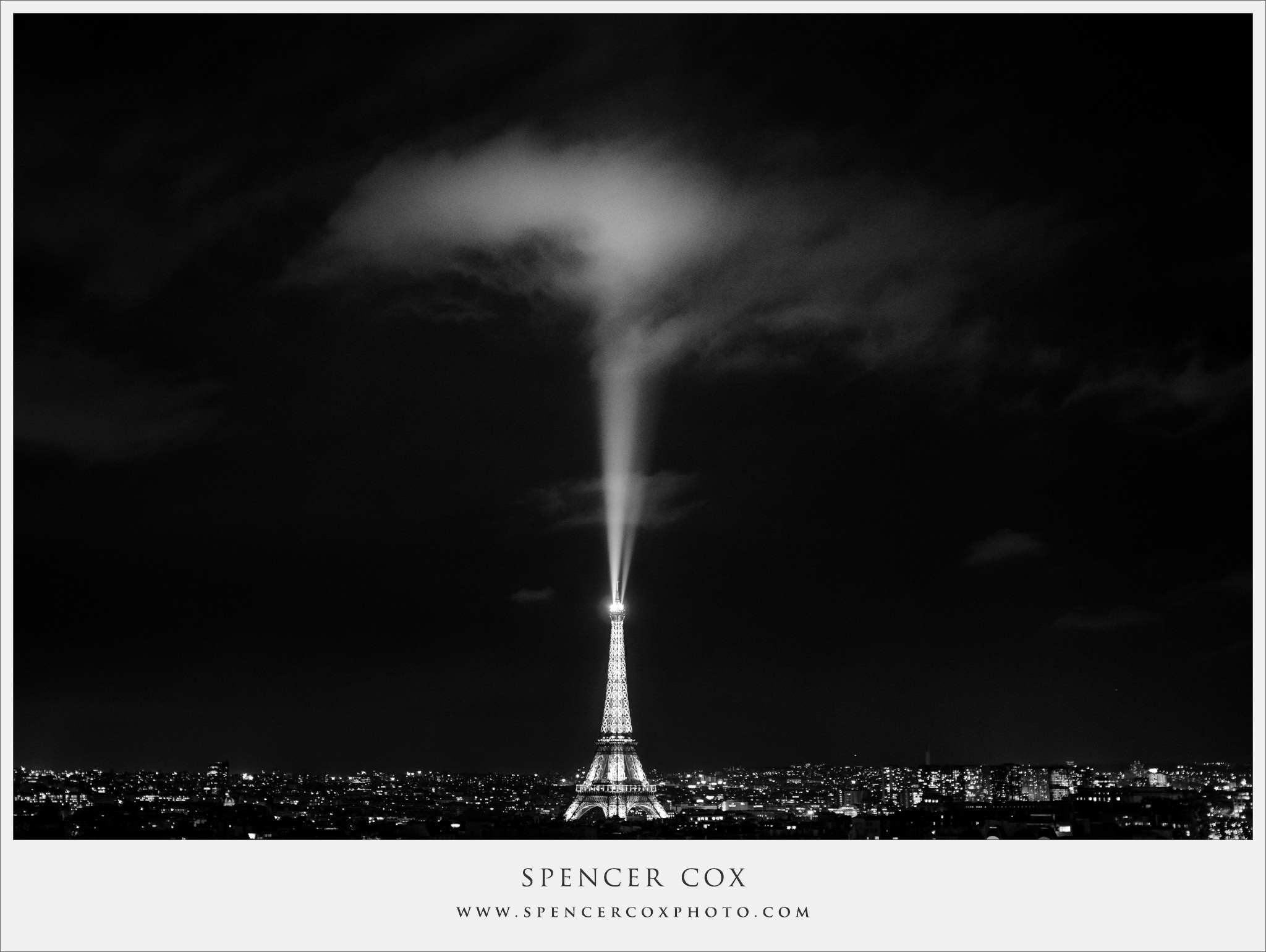
On the same trip to Paris as my Notre Dame photo, I spent an hour taking pictures from the top of the Arc de Triomphe at night. Obviously, this is a popular spot to take photos — even more so if you are taking pictures of the Eiffel Tower. Yet, I took a photo that night which I still consider to be unique, despite the ridiculous popularity of this subject.

Eiffel-Tower-at-Night

NIKON D7000 + 24mm f/1.4 @ 24mm, ISO 800, 1/30, f/1.4

This wasn’t a very unusual night, but I did plan my composition and timing very carefully. How did I take this shot? A few elements were at play.

First, the top of the Eiffel Tower has a spotlight that spins around at night. This spotlight points at an upwards angle, rather than directly parallel over the city. As a result, when the light faced my exact direction, it appeared to point straight up. It took several tries to get the spotlight facing perfectly towards me, but I did ultimately get the shot I had in mind. Finally, I was lucky that a cloud was nearby to complete the illusion; it almost looks like an erupting volcano.

So, it is possible to take unique photos of a well-worn subject; you just need something new in the scene. Either you add the newness yourself (perhaps by using an unusual focal length or finding a different composition), or you hope to capture your photo under rarely-scene conditions.

3) New Frontiers

Aside from the instances mentioned above, there are still a few places in the world where you can capture things that have never been seen before. Maybe you are a macro photographer searching for a rarely-seen species of beetle. Or, you could be a landscape photographer hiking to the inner reaches of the Canadian Rockies. If you capture a subject that few people have seen before, your photo will certainly be unique.

At this time in history, it is easy to feel as though everything has been photographed already. So many people have cameras that it seems almost inevitable. Still, I don’t think this is entirely accurate. Think about the most impactful photos you have seen from the last ten years. In everything from reportage to landscape photography, I can picture several “classic” photos that no one had thought to capture until recently (whether because they captured a famous subject in a new way, or because they found an entirely new subject).

On the other hand, this truly is an unusual time for photography. Billions of people have access to a camera — vastly more than was true a decade ago — and a sizable proportion consider themselves photographers. Still, there is space to find unique photos, and there remain a number of new frontiers to capture. If you are searching for unique photos, you will need to work hard and think outside the box. But, when you do, your results will be worth the effort.

The post Searching for Unique Photographs appeared first on Photography Life.

Photography Life
Posted in Photograpy How To | Tagged , , | Leave a comment

A Brief Meeting with a Photography Legend Sebastião Salgado

Sebastião Salgado is a world famous photographer, who needs no introduction. He is certainly the most illustrious photographer in Brazil and, perhaps, one of the most known in the world. Besides authoring more than 30 photo books and winning numerous international awards (World Press Photo, Photography of the Year by the American Society of Magazine, Photojournalist of the Year, Visa Dór, Photography Book of the Year), Salgado was president of the Magnum agency in Europe for several years. However, to enumerate his prizes is not the goal here.

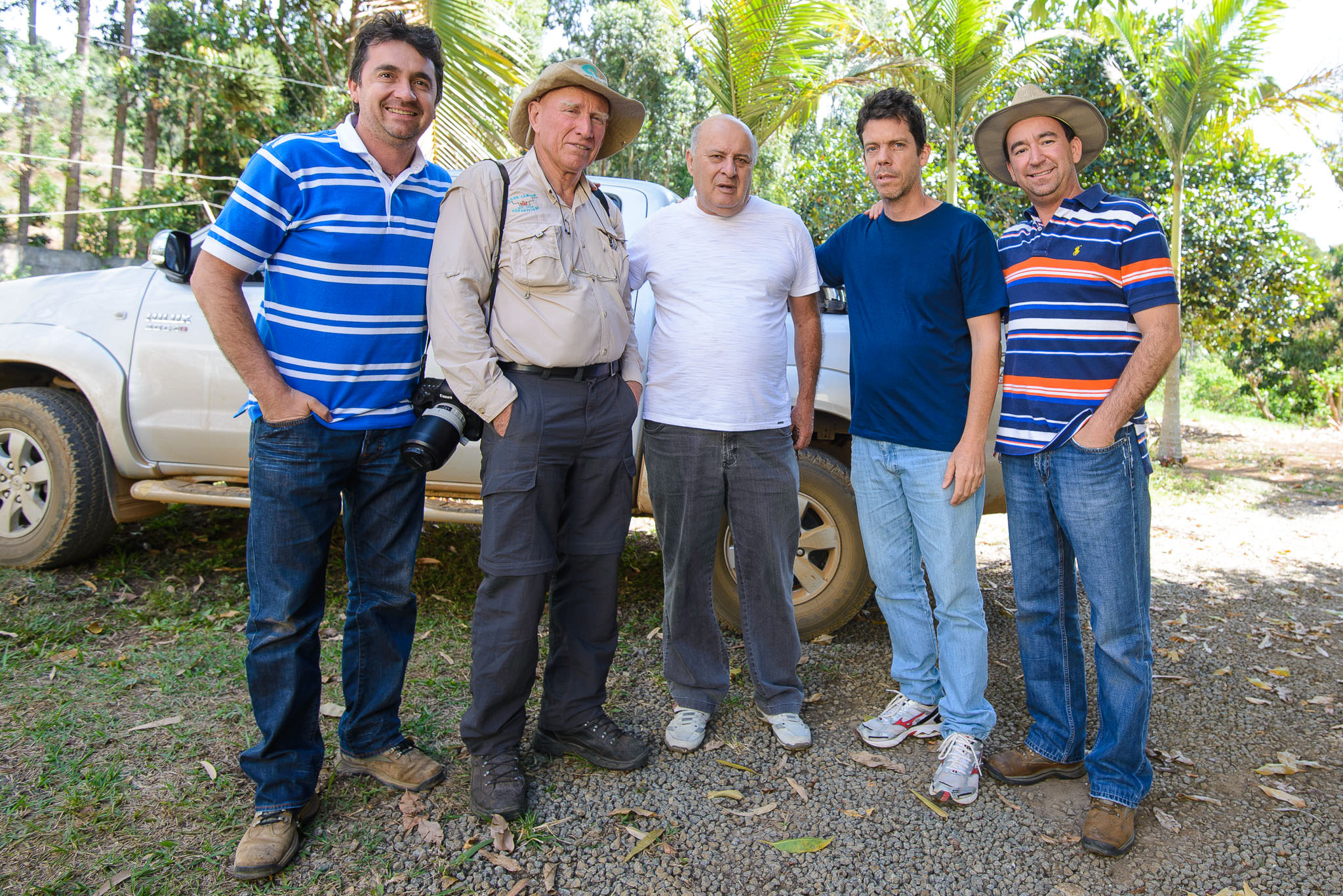
Meeting with Sebastio Salgado (2)

NIKON D600 + 16-35mm f/4 @ 35mm, ISO 400, 1/1250, f/5.6

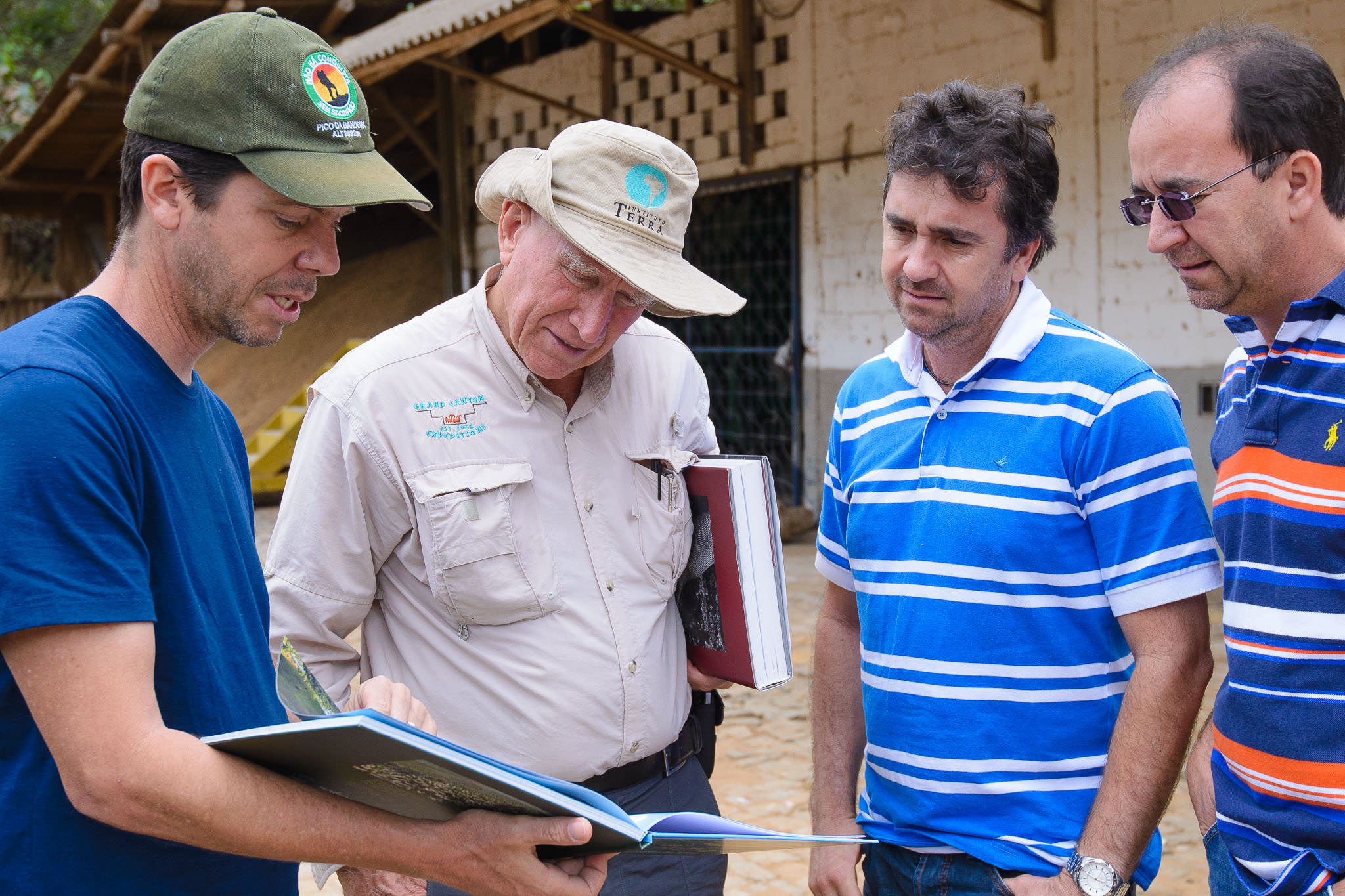
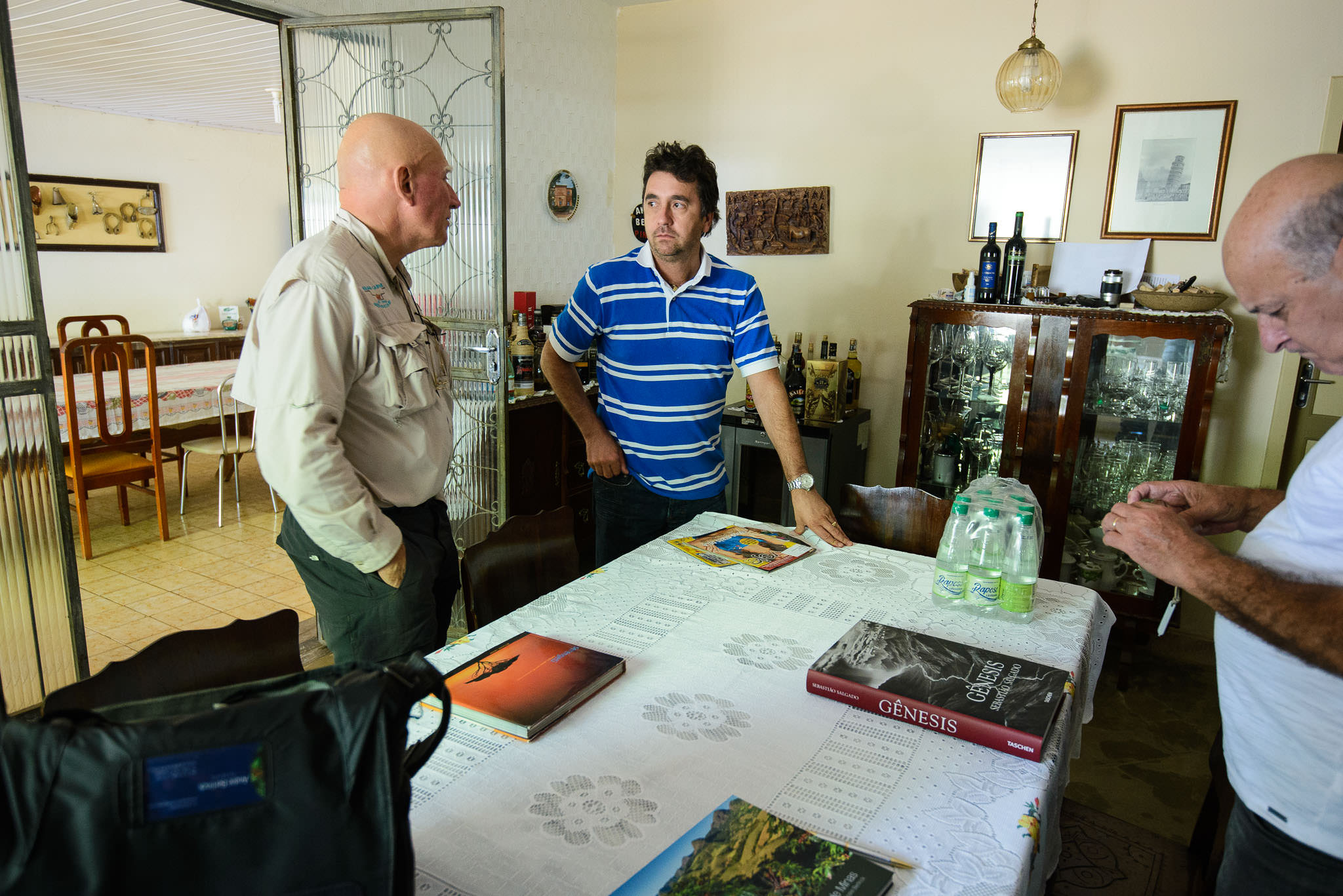
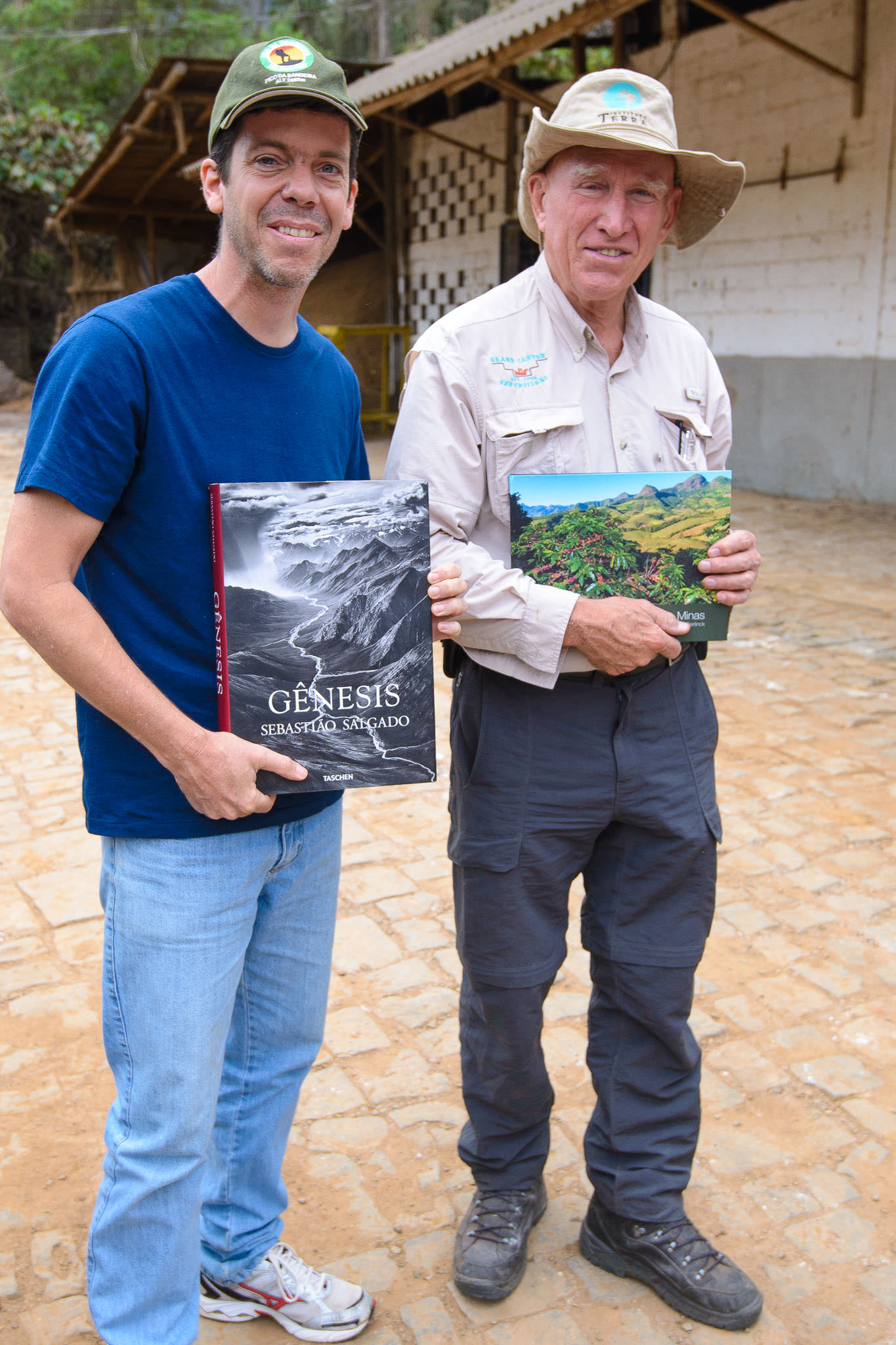
My meeting with Salgado took place in 2014, a year after the release of my book on coffee photographs. At the time of our meeting, I had just produced my book on coffee plantations in the Zona da Mata region, while Salgado was finishing his new book on coffee crops around the world. We met because a sympathetic friend and owner of a major coffee-producing property, made sure to introduce us.

Meeting with Sebastio Salgado (4)

NIKON D600 + 16-35mm f/4 @ 24mm, ISO 2000, 1/60, f/4.0

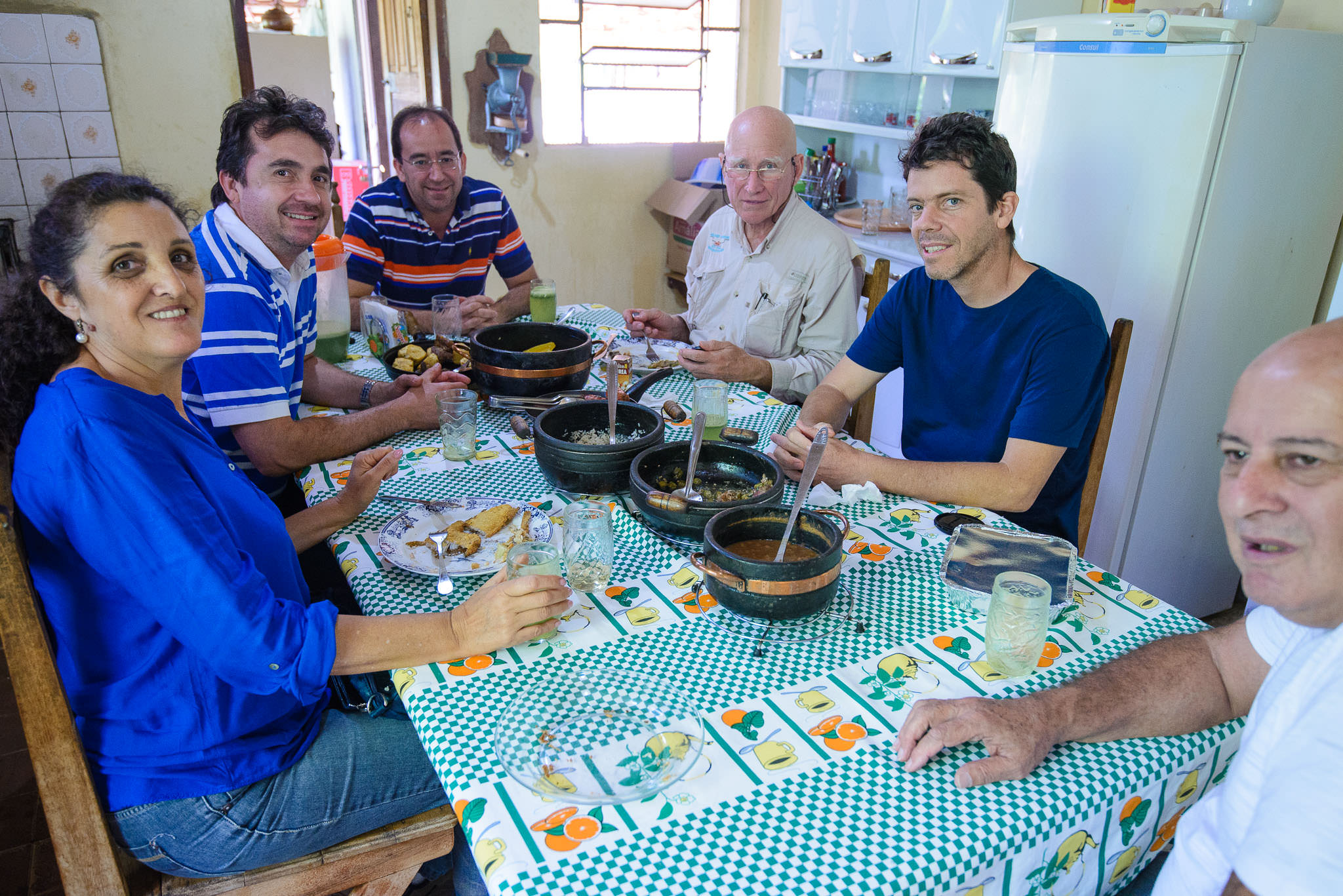
It was a great honor to meet Sebastião and talk to him. During lunch, I proposed a recorded interview, but, in a friendly manner, he said that he would rather answer my questions without having an interview appointment. Therefore, I will share the main topics I remember from the conversation we had with our readers at PL.

My first question has already been incisive:

Why do you only shoot with a closed aperture? (stopped down to a small aperture)

I shoot with the closed aperture, because I think that is how we humans see things as well. All focused. The eye does not blur, it sees everything focused. I do not like the blur effect, I find it unattractive. So I shoot everything stopped down to smaller apertures. The technology of modern cameras made it even easier. Using Canon 1DX I can shoot with a super high ISO and always keep my aperture small. Since my pictures are black and white, the noise does not present a serious problem for me. In fact, the 1 DX has virtually no noise. I have photographed in dense forests with it, at relatively good shutter speeds of 1/250, which was previously much more difficult to achieve with film.

Meeting with Sebastio Salgado (1)

NIKON D600 + 16-35mm f/4 @ 23mm, ISO 400, 1/1250, f/5.6

Could you describe your experience at Magnum?

Well, I was the president of Magnum for several years and there I witnessed Homeric fights due to jealousy and competition. Then, I went out and set up my own agency.

Why Canon and not Nikon?

I had worked with Nikon for a few years in the past and it disappointed me. Today I only work with Canon and that’s what works for me.

Do you prefer prime or zoom lenses?

Today I use zoom lenses a lot, because of their excellent quality. I remember talking to a technician from Canon in Japan, who explained that in the past there was a noticeable difference between zoom and prime lenses. Today, thanks to the use of computer technologies at the design and manufacturing stages, the difference hardly exists anymore; it is minimal and almost imperceptible for most people.

Note: At the time of the meeting, Sebastião was with two lenses: a Canon 24-105mm f/4L and the other was a 70-300mm zoom.

Changing the focus of the chat a bit, we talked about difficulties in long walks and hikes. Sebastião said he had just experienced a great difficulty in the ascent of Pico da Neblina in Amazon. There was a lot of rain, mud and his assistant got sick and some Indians gave up the journey.

Meeting with Sebastio Salgado (3)

NIKON D600 + 16-35mm f/4 @ 26mm, ISO 2000, 1/80, f/4.5

Always very friendly, helpful and playful, Sebastião showed with his attitude that what matters is the human heart, not our titles and honors. Attitude, which matches a lot with his photographic work.

I wish I had more to add to this brief meeting, but I will leave that for next time, when I have a chance to talk to Sebastião a bit longer. We finished our lunch tasting with a delicious Banana pie my wife, Nina, prepared, after which Sebastião showed me his equipment. I recorded this with a video camera, which I present to you below (in Portuguese):

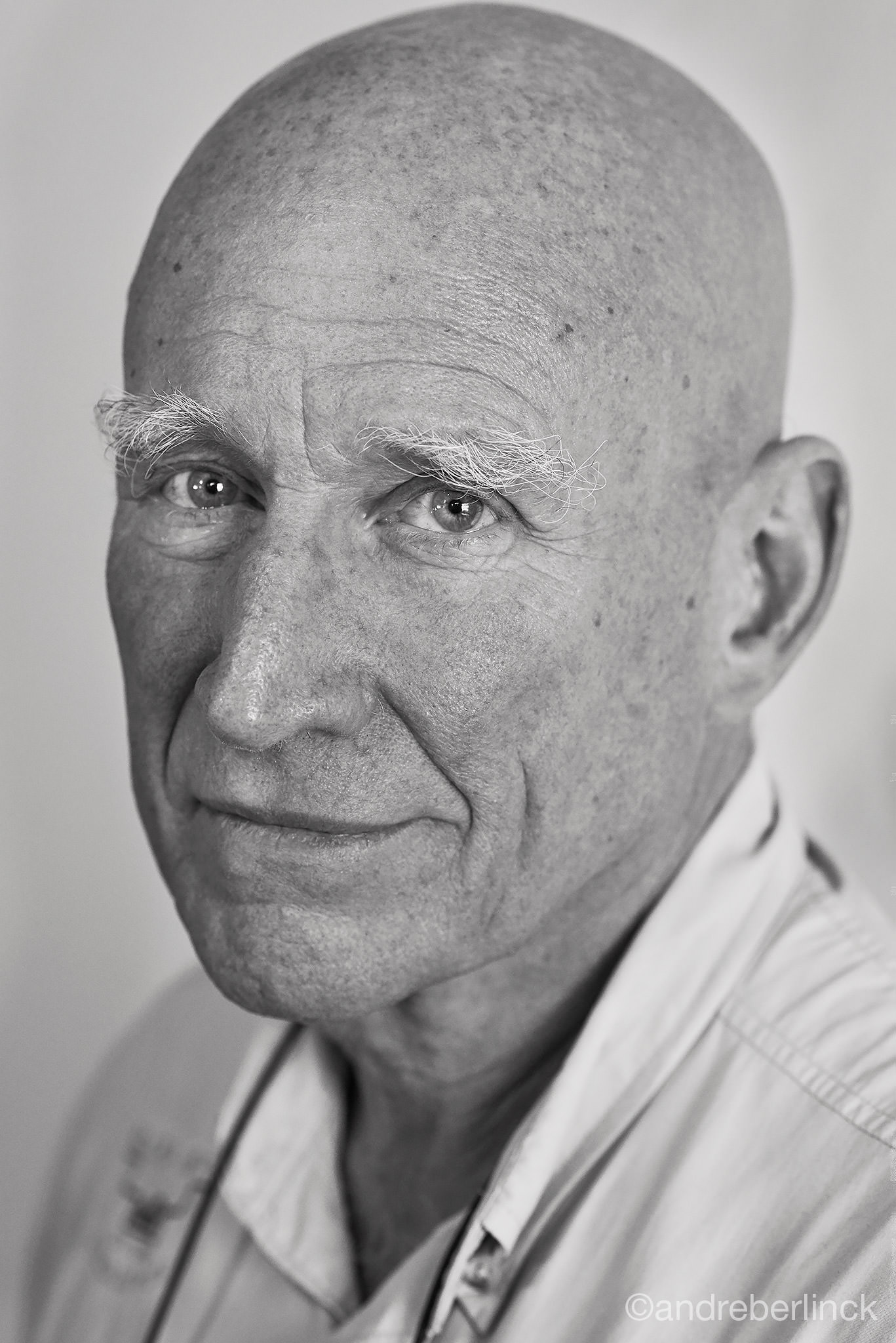
The photos in this article were taken by my wife and the below portrait of Sebastião is made by me. Obviously, I could not miss this opportunity!

Sebastiao Salgado Portrait

NIKON D600 @ 85mm, ISO 2000, 1/125, f/4.0

Conclusion

What was left from this meeting with the master of photography?

Some truly valuable tips:

  • The important thing is PERFORMING your project. PHOTOGRAPH! Get out and do what you like, what you want and believe to be important. This will transpire in your work. The photography work, when it is done with great enthusiasm is done better.
  • All great photographers work thinking of the aperture. That is the secret of the technique in photography. CONTROLLING the focus line. By that you impose a style, be it with blur or not, being aware of aperture is very important. Many photographers buy their lenses and they do not come out the same F / stop. That’s a bad sign. Have you ever wondered about that?
  • Do not concern ourselves with the equipment that great photographers have, they are in another reality. They fly at ANOTHER altitude. What they did to arrive at that altitude was the result of their work, the photographic content and not their equipment. So, do your work with love and dedication and one day you may get there too.
Meeting with Sebastio Salgado (5)

NIKON D600 + 16-35mm f/4 @ 16mm, ISO 200, 1/160, f/6.3

The post A Brief Meeting with a Photography Legend Sebastião Salgado appeared first on Photography Life.

Photography Life
Posted in Photograpy How To | Tagged , , , , , | Leave a comment

Nikon 16-80mm f/2.8-4E VR Review

Recently I’ve been experiencing one of those existential photo crises. Low motivation, cliché results, slumping Instagram likes. When I get bummed about my photography I do what any self-respecting unprofessional photographer would do – put on some soft jazz, pour myself a fine single malt, then pull out my favorite Zeiss lens chart results and pleasure myself. But even that didn’t make me feel better. What’s a listless soul-wrenched photographer to do? Ha, I know what will do the trick – no better way to demonstrate my photographic élan and self-assurance than to dis on a kit lens.

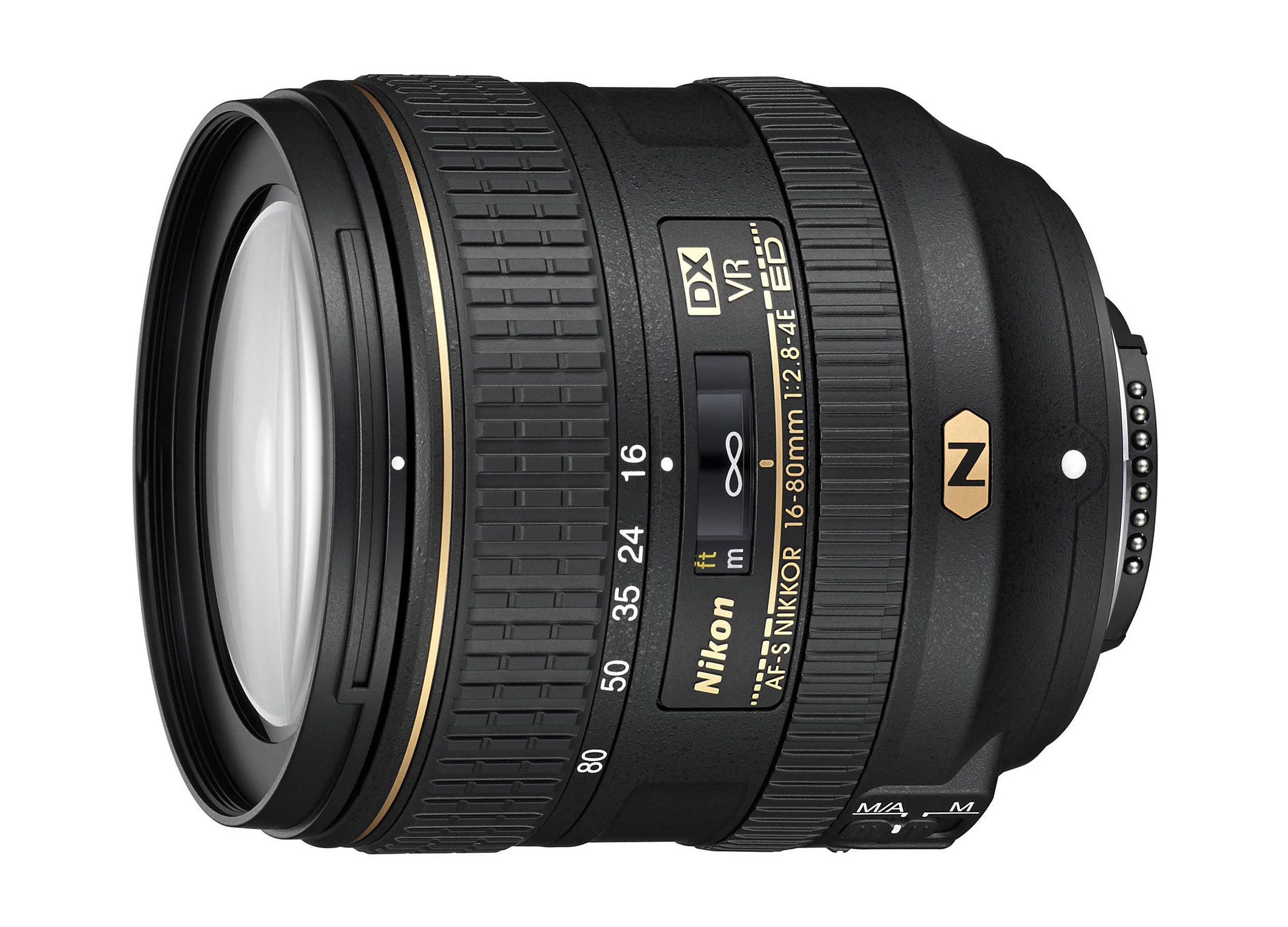
Nikon AF-S DX NIKKOR 16-80mm f/2.8-4E ED VR

Kit lenses are generally known for their convenience, light weight, and optical inferiority. Because one lens replaces many, it’s a recipe to turn one into an slothful photographer. Not the kind of lens we like to talk about here at Photography Life, but as a matter of due diligence someone has to review them so I’m taking one for the team 😉 Recently (well not that recently), Nikon released the Nikon AF-S DX Nikkor 16-80mm f/2.8-4E ED VR. This is the DX equivalent of Nikon’s popular full frame 24-120mm f/4. Both sport an equivalent 5x zoom range – very convenient for all-around photography. The 16-80mm has been bundled with the D500 as a kit, albeit a high-end DX kit. By itself the 16-80mm boasts a MSRP of $ 1069.95. Ouch, for less than the 16-80mm alone you can currently pick up a D7100 with the 18-55mm kit lens plus the 55-300mm lens. The good news is that Nikon currently is giving $ 500 off the D500 + 16-80mm kit (regularly $ 3069.95, now $ 2569.95). I was in the market for a D500 so I took the bait. If I didn’t like lens, I’d just use it to pound out schnitzels.

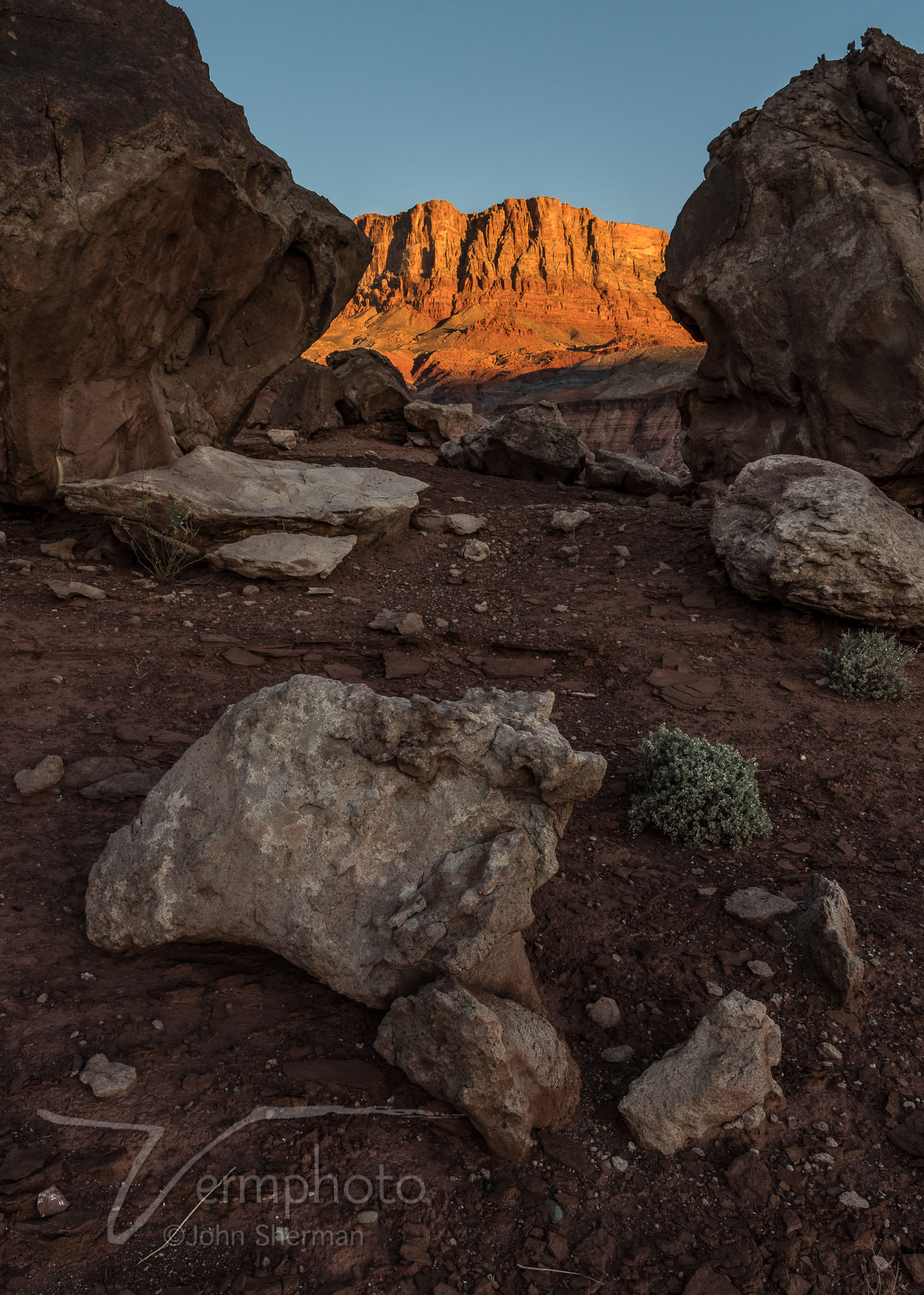
From 16mm:

Verm-16mm-Vermilion-Cliffs-5882

NIKON D500 + 16-80mm f/2.8-4 @ 16mm, ISO 200, 1/200, f/8.0

To 80mm:

Verm-16mm-St-George-3297

NIKON D500 + 16-80mm f/2.8-4 @ 16mm, ISO 640, 1/30, f/9.0

1) Key Features

The 16-80mm sports the coveted “gold ring” at the end of the lens barrel. Unlike the magic ring that turns hobbits invisible, the Gold Ring brings attention to you and your camera, announcing you are pro material because you only shoot the best. Besides the hefty MSRP, what gives the 16-80mm this distinction? It pretty much has most of Nikon’s top end technologies – fluorine coating on the front and rear elements (makes it easier to clean with a dry lens cloth), Nano-coating to control flare, electromagnetic diaphragm for consistent results and stepless adjustment (good for video), 4-stop Vibration Reduction, extra-low dispersion glass, aspheric elements, silent wave focus motor, and Beyonce’s unlisted phone number (just checking to see if you’re still with me). But do these add up to good pictures?

Because I like to photograph nature, I’m a much bigger believer in actual field test results than in how well a lens shoots a flat target at a fixed distance in a lab somewhere. What you’re going to see in this review are shots from the field at a variety of focal lengths, apertures and distances. If you want MTF diagrams go here.

Below are the lens specifications.

2) Nikon AF-S DX NIKKOR 16-80mm f/2.8-4E ED VR Specifications

Lens Specifications
Lens Type Zoom Lens
Focal Length 16-80mm
Mount Type Nikon F
Format APS-C / DX
Compatible Format(s) APS-C / DX
Compatible with Teleconverters No
Zoom Ratio 5x
Maximum Reproduction Ratio 0.22x
Vibration Reduction (Image Stabilization) Yes
Aperture Information
Aperture Ring No
Maximum Aperture f/2.8-4
Minimum Aperture f/22-32
Maximum Angle of View (APS-C or smaller format) 83°
Minimum Angle of View (APS-C or smaller format) 20°
Optical Information
Lens Elements 17
Lens Groups 13
Diaphragm Blades 7
Extra-Low Dispersion Glass Elements 4
Aspherical Elements 3
Nano Crystal Coat Yes
Super Integrated Coat (SIC) Yes
Fluorine Coating Yes
Focus Information
Focus Autofocus
Built-in Focus Motor Yes
Silent Wave Motor (SWM) Yes
Internal Focusing Yes
Minimum Focus Distance 1.15 ft. (0.35m)
Electronic Diaphragm Yes
Distance Information Yes
Filter Information
Filter Size 72mm
Accepts Filter Type Screw-on
Physical Characteristics
Weather / Dust Sealing No
Mount Material Metal
Tripod Collar No
Dimensions 3.1 in. (80 mm) x 3.3 in. (85.5 mm)
Weight 16.1 oz. (480 g)
Other Information
Available in Colors Black

The post Nikon 16-80mm f/2.8-4E VR Review appeared first on Photography Life.

Photography Life
Posted in Photograpy How To | Tagged , , , | Leave a comment

Building Your Brand In Your Community

Picture

© Ivelin Radkov

by Skip Cohen

I’ve written a lot over the years about the importance of community involvement. It’s one of the very strongest ways for you to build your brand. We’re into the Fall and a time of year when opportunities to be more involved in your community abound.  There is no other time of year where there are so many activities for non-profits. Here’s a chance to build your reputation, and get a little visibility for your efforts.

Remember how you feel as a consumer yourself?  People like supporting companies they perceive as giving something back.  You’re looking for the community to be good to you – well, you have to be good to your community!  

While some of the points I’ve made about marketing and expanding your reach into the community have been said over and over again, so many of you still aren’t making the change. Stop procrastinating and start building a stronger brand!   

Here’s a short list of ideas to get you started:

1) Get involved with a local fund-raiser.  Whether it involves your camera or not doesn’t matter.  You need to be involved, and your community needs to know you’re out there and not just another retailer.

2) Look for local events around holiday time.  For example, anybody doing portraits of couples at the Kiwanis, Rotary or Exchange Club holiday event this year?

3) Get to know the president of the PTA for any of the local schools.  How about portraits instead of a bake sale to raise money this year?  The schools are all back in session. There isn’t a school in the country that has all the money and support it needs.

4) Every high school football team, band, yearbook and chorus are looking for new ways to raise money – you’ve got the gear and the know-how – so how about working with them to create a new idea for fund-raising beyond hot dog sales at Friday night games?

5) Visit your local Chamber of Commerce and find out what’s going on in the community.  For a start, most communities are getting read to start their United Way campaign. For next year, how about using your camera to create new ways to raise funds, and you can plant the seed with United Way now. Also, photograph some of the events and then get the images over to the Chamber of Commerce.  

6) Sometimes it’s not about raising money directly at all, but using your skill set as a photojournalist, documenting various events in the community and then providing the management of those events and the local paper with your images. Photograph charity walks, holiday parties and events that are public for the community. Remember, nobody can do it better than you!

7) Use your blog! Your blog is the perfect vehicle to remind your readers of special community events coming up. It puts you in a great position, helping the hosting organization publicize the event. It also gives you some great content. One event has the potential to give you three strong hits of content/exposure. First, there’s letting your readers know it’s coming up and linking them to the event page. Second, be at the event to photograph the participants, key people and the activities, giving everyone a chance to actually meet you. Third, follow up with a blog post after the event, which not only helps the organization but demonstrates a little of your skill set.

The big issue is about involvement and helping people remember who you are and what makes you different from so many other companies.  I remember Tony Corbell once talking about things he did when first starting his business:

“I wasn’t the best photographer in town, but I was determined to be the nicest!  It was the best way I could separate myself from everybody else and build my business!”

SkipCohenUniversity – SCU Blog

Posted in Photograpy How To | Tagged , , | Leave a comment