
Pricing Your Photography – Time to Focus on Profit

Picture

© Stephen Coburn

Intro by Skip Cohen

My good buddy Scott Bourne wrote this for the launch of SCU four years ago. Reading through it this morning, it couldn’t be more valid. Although a piece of Scott’s approach in this post is more commercial/fine art in nature, the foundation for pricing is the same. I wish I could get every photographer to read this, regardless of their specialty.

It’s time for so many of you to stop waiting for the “Profit Fairy” to sprinkle her magic dust on your business. The truth is, improving profitability is relatively easy, but you have to take the time to think it through, starting with your goals.

Pricing is the “Achille’s Heel” for so many of you. You price things based on what you think they’re worth without any regard to your actual costs. To paraphrase something Sal Cincotta once said,
                
                                                   “Nothing can screw up your business more than bad pricing!”

And here’s one more gem from an industry leader. Denis Reggie made this comment in a workshop at least twenty years ago, and I never forgot it:

                        “Don’t price your work on what you can afford. It was years before I could afford myself!”

It’s a new year and in 2017 let’s get your business on the right track and start paying attention to pricing and your bottom line. Your top line (gross sales) is meaningless because it’s not how much you make, but how much you keep. And, unless your goal is to become a formal 501c3 non-profit, making money isn’t something to be ashamed about.

This is the first business day of the new year, and for many of you, it’s still part of the holiday weekend. Take the time to think about your business and the importance of profitability. Let’s get you out of macaroni & cheese every night and into a steak now and then!


By Scott Bourne

Pricing photography is the second hardest thing you will ever do as a professional photographer. (Finding the right clients is the first hardest.) It’s very easy to make mistakes when pricing and once they’re made, it’s hard to recover from them. So start out right.

One disclaimer: Not every pricing method works for every photographer. Much depends on the current state of the market and the genre (i.e., wedding, commercial, fine art, food, etc.) I’ll try to stick to some universal ideas in these posts.

Start at the Beginning: You can’t effectively price your work until you understand what it is you’re selling.

You are not selling square inches of paper for the cost of printing them. For some reason, the first element that seems to enter some photographers’ minds when making a pricing decision is the size of the print. This “brick wall” has cost many photographers money. The most important thing to keep in mind is the value of your work, not the size of the print. You build this value by evaluating ALL the factors that go into making a salable image.

So what are you selling? How about your creativity and unique ability to capture something that others do not see? Anyone can buy a camera, but can they capture the image exactly the way you do? How about the time you have invested in training for the moment when you captured the image? That time needs to be taken into consideration. Your mechanic, doctor, accountant, and lawyer all get paid for the time they spend doing the work. Shouldn’t you be paid too? You also have to consider the level of your present technical ability. The casual amateur should not be able to get the most out of the same equipment as an experienced professional. And speaking of equipment, you must also take into consideration the value of your gear. So, as you are deciding how to price your work, make sure you take into account and charge for your logistical skills, experience, time and your ability to translate your client’s desires into a visual statement.

Know what you’re selling before you try to sell it. This will help you avoid many mistakes later.

Pricing Economics: In order to price something well, you must know the economics. Here are some key things to keep in mind:

A) Overhead
B) Profit margin
C) The market you are serving

Calculating your overhead requires that you consider all the costs that are associated with being a professional photographer.  This includes:

A) Equipment depreciation
B) Insurance
C) Rent
D) Licenses
E) Legal fees
F) Accounting fees
G) Payroll fees
H) Salaries
U) Taxes
J) Utilities
K) Production
L) Repairs
M) Printing
N) Postage
O) Office supplies
P) Subscriptions
Q) Professional dues
R) Advertising/marketing
S) Transportation/shipping
T) Travel

Calculating your profit may be a bit easier. You consider your cost of doing business by allowing for a percentage of your overhead to be applied to the cost of each job. From there, mark up your price to include a standard profit margin. This can be based on any number you want but a good starting point is to double the cost of your product (100 percent profit margin).

Now you also need to adjust this figure based on the market type you are serving. Is the image being used in a small or large market? Will thousands of people see it or just a few? What is the perceived value to the client? How does the client plan to use your image? Who is your competition and what choices does your client have besides you for this type of image? Are there 50 photographers in the mix or only two or three? Consider these factors to calculate your fee.

When you sell or license an image, it is likely that you will have to negotiate the price with a savvy photo buyer. Knowing how to negotiate can save you time, money and help you close profitable deals. Remember that negotiating is just problem solving. Both parties have something they need to accomplish and the negotiation makes it happen.

You must not take ANY of the issues that arise during a negotiation personally. The buyer is supposed to try to get the best deal that he or she can. That’s their job. Your job is the same.

The essential steps in the negotiating process are: establish rapport, gather information, do research, ask questions, and let the buyer do most of the talking. In any negotiation, the person who listens most is likely to gain more. In any negotiation, it’s always very important that you do more listening than talking. Otherwise, you will miss important clues, both physical and verbal, that will help you resolve the deal.

Before quoting a price, you must try to educate the client and build the value of the image you are selling. Make sure that the client understands the effort, time and expense you invested to make this image. If the image is truly one-of-a-kind or was made at personal risk, those factors translate directly into the value of what you have for sale.

Try to encourage the client to place an opening bid. If the buyer is the first one to name a price, I believe you will be rewarded with a higher fee. A good way to open the negotiation process is to ask a question like, “What’s the most you would be willing to pay to use my image or purchase my print?” If you are forced to begin the negotiation process by offering a figure, an alternative is to begin with a number that is twice your standard price plus 10 percent. Once this figure is given, you can work down from there.

But remember, if you give a number first, you run the risk of quoting a price that is much lower than the buyer was willing to pay, and you’ll never know what figure they were willing to pay. So, let your clients do the talking. Then, you should listen, take notes, and preferably wait for them to tell you what they can afford.

If the client has pricing objections, be sure to return to the rapport building and value enhancement stages outlined above. Usually, a price objection really means that there is another piece of information you have not uncovered.  It is likely that there is something else you have not offered that the client really wants or needs. This is why it’s crucial to listen more than you talk and ask plenty of questions to uncover hidden needs.

Once you have taken all the necessary steps, be sure to ask for the order. A surprising number of photographic sales don’t happen simply because the seller has forgotten to ask for the sale.

(NOTE: Negotiating with magazines is not possible unless you are a famous photographer with images that are in great demand. When you approach magazines, understand that you will only get paid their standard rates.)

SkipCohenUniversity – SCU Blog

Posted in Photograpy How To | Tagged , , , , | Leave a comment

Sunday Morning Reflection: A New Year and New Walls

The new year is off to a great start – I slept in on the first day of 2017. Now granted, it was only until 8:00 am, but that’s a far cry from the usual 6:30 – 7:00 am. Besides, we almost made it to midnight on New Year’s Eve.  At 11:30 we chose to go to bed! Seriously, I loved living in California because at 9:00 pm we’d watch the ball go down in Times Square and everybody would go home. My priorities as I age seem to be getting more and more pathetic! LOL

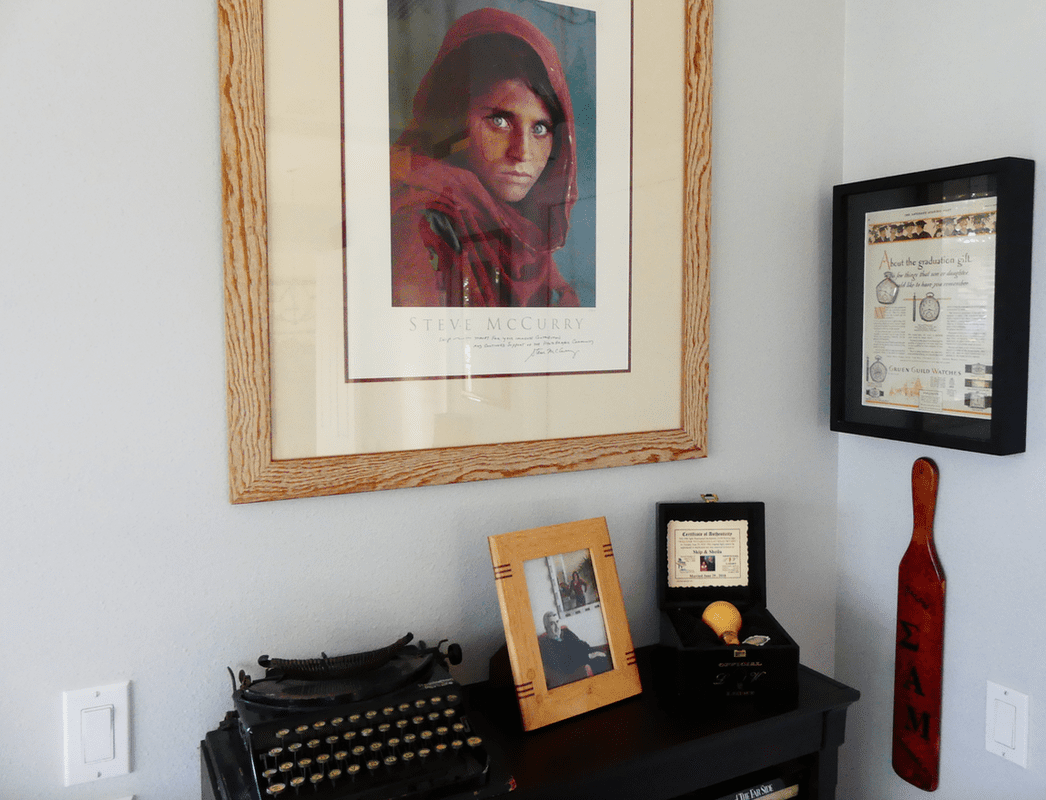
I’m sitting in my “new” home office. We finished the move in record time – eight days from the time the movers left to all pictures hung, boxes unpacked and almost knowing where everything is. What’s been most fun about this move is what we chose to take and how each corner of the house has something of special meaning.  

Sitting here this morning, I’m surrounded by great memories. Images from friends on the walls, memorabilia from past conventions and special events on the book shelves and an endless stream of reminders that the best thing about this industry is the friendships.

The signed Steve McCurry image (sorry about the reflective glass) was a gift from Catherine Hall years ago, but the image itself has always been significant because it’s McCurry’s, an artist I’ve admired for years. It’s also a testimonial to his skill set. He never anticipated that single image would become one of the most iconic portraits in the world.

Picture

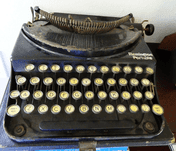
The typewriter was my “Uncle Joe’s.” My grandfather on my Dad’s side passed away long before my parents were married. My grandmother remarried Joe Morgenstern, and he was pretty special.

​While I know he passed away when I was around four, I still remember taking walks around Shaker Square in Cleveland with him and being sent to the cashier at the counter of a restaurant that was in a basement, with a nickel to buy him a cigar.


Picture

The portrait of me, with Sheila in the background, was done by our good friend Elena Hernandez from Dallas. She captured the moment at the Signature Hotel in Las Vegas during a WPPI convention.

I wrote a blog post about it last March. This was captured in between the two doorways going in and out of the Signature. If you know Elena, then you also know there’s no shortage of creativity when it comes to her portraits. With one click of the shutter, she managed to capture one of my most favorite portraits of Sheila and me.
 
Here’s the link to the blog post and the pictures of the doorway where she captured the image.


Picture

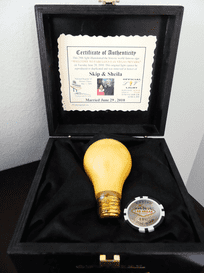
 ​The lightbulb, dedicated to Sheila and me, could well be one of the most unique gifts we’ve ever received. 

It’s eclectic and pure fun, but that’s also the way I’d define the friendship with Joe Elario who sent it to us. We met back in my Hasselblad days. Once a year at the New York show we’d catch up and talk about the previous year as if the last sentence from the year before ended with a comma. 

Over the years, “JP,” just a teenager when we first met at the convention, came into the business and the two of them have become one of the strongest father-son teams in professional photography today.

Over the years, Joe and I have made it a point to get out to dinner and share more time together outside conventions. Nothing beats great friendships!


Picture

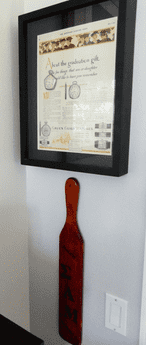
The pocket watch was my grandfather’s. He’s the one I never met before my “Uncle Joe” came into the family. My Dad gave me the watch, and I was able to find the original 1927 Gruen ad on eBay. By the way, the watch keeps perfect time!

Last but not least, is Dad’s fraternity paddle. When being punished once, my Dad came into my room and closed the door. He said, “I know you understand what you did was wrong and your mother wants you to get a few swats from the paddle. So, when I hit my leg you’d better cry like there’s no tomorrow.”

I’m sure I’m not the only one who has fun with memories and maybe that’s a small part of each new year – looking at the journeys from our past.

Happy New Year everybody! Wishing you a year (not just the usual Sunday) filled with achieving your dreams or at least getting you closer to your goals. I hope it’s a year of good health and minimal moments of sadness. However, when sadness does enter your life, I hope it’s with the support of great people to lean on.

And as always on Sunday’s, wishing you time with those most important in your life and plenty of those eleven-second hugs. Thank you for the way you’ve enriched my life and supported one project after another. 2017 is going to be a fantastic year for all of us!

​Happy New Year! 


SkipCohenUniversity – SCU Blog

Posted in Photograpy How To | Tagged , , , , | Leave a comment

Marilyn Monroe Getting Out Of A Car. Canvas Gallery Wrap 18×27 Photo On Canvas

Marilyn Monroe Getting Out Of A Car. Canvas Gallery Wrap 18×27 Photo On Canvas


Marilyn Monroe getting out of a car.” is an art print by Alfred Eisenstaedt from The Life Picture Collection. Get photo prints of “Marilyn Monroe getting out of a car.” in a variety of frames, styles, and materials. Photographer Bio Alfred Eisenstaedt (1898-1995), or Eisie to those who knew him, received his first camera as a gift from his uncle at 14, a few years after moving to Berlin from Poland with his family. At 17, he was drafted to the German army. His interest in photography blossomed while recovering from a shrapnel wound. He became a regular at museums, studying light and composition. By 31, he was a full-time photographer. In 1933 he was sent to Italy where he shot the first meeting between Hitler and Mussolini. Two years later, when Hitler came to power, Eisie immigrated to America. Soon after arriving in New York, he was hired along with three other photographers-Margaret Bourke-White, Thomas McAvoy and Peter Stackpole-by Time Inc. founder Henry Luce for a secret start-up venture known as “Project X.” Six months later, Life magazine premiered on November 23, 1936. The first issue sold for 10 cents and featured five pages of Eisie’s pictures. His most famous photo was the kiss in Times Square on V-J day, about which he said, “I was running along the street grabbing any and every girl in sight. Whether she was a grandmother, stout, thin, old, didn’t make any difference. None of the pictures that were possible pleased me. Then, suddenly in a flash I saw something white being grabbed. I turned and clicked the moment the sailor kissed the nurse.” Over his career, Eisie shot a total of nearly 100 covers for Life magazine and some 10,000 prints. The Life Picture Collection From one of the most iconic magazines ever to hit the shelves comes The Life Collection – an archive of some of the most recognizable imagery of the 20th Century. Documenting events in politics, culture, celebrity, the arts and the American experience, these compelling and provocative photographs include the works of some of the greatest photographers capturing some of the greatest moments in history.

Price: $
Sold by Photos.com by Getty Images

Posted in Family Photography | Tagged , , , , , , , , | Leave a comment

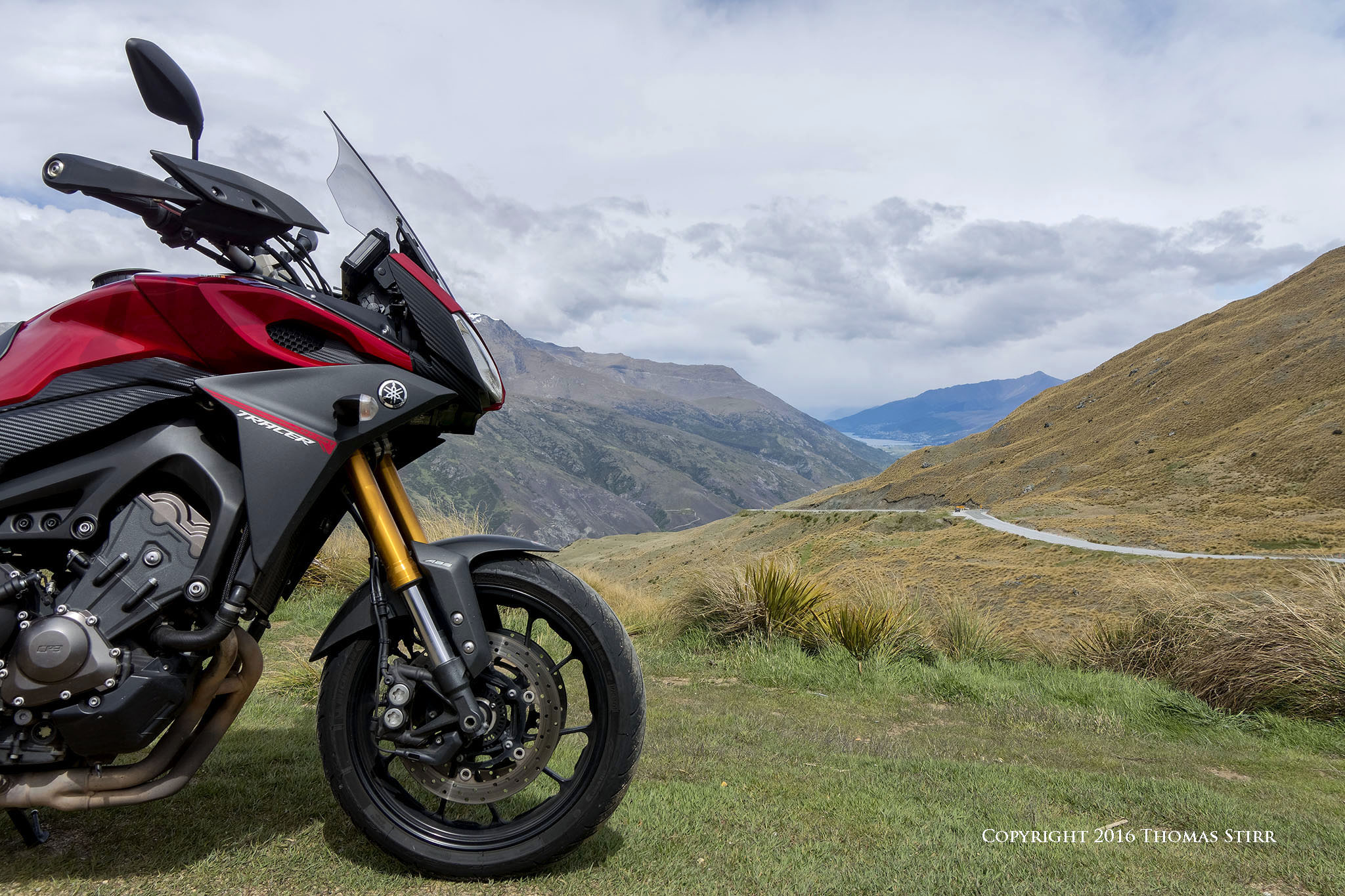
Every Road Tells a Story

If you’re like me the ending of one year and the beginning of another is a special time of transition. We have the opportunity to leave the past behind and move forward in new directions to discover what the future holds for us. Every life – like every road – tells a story.

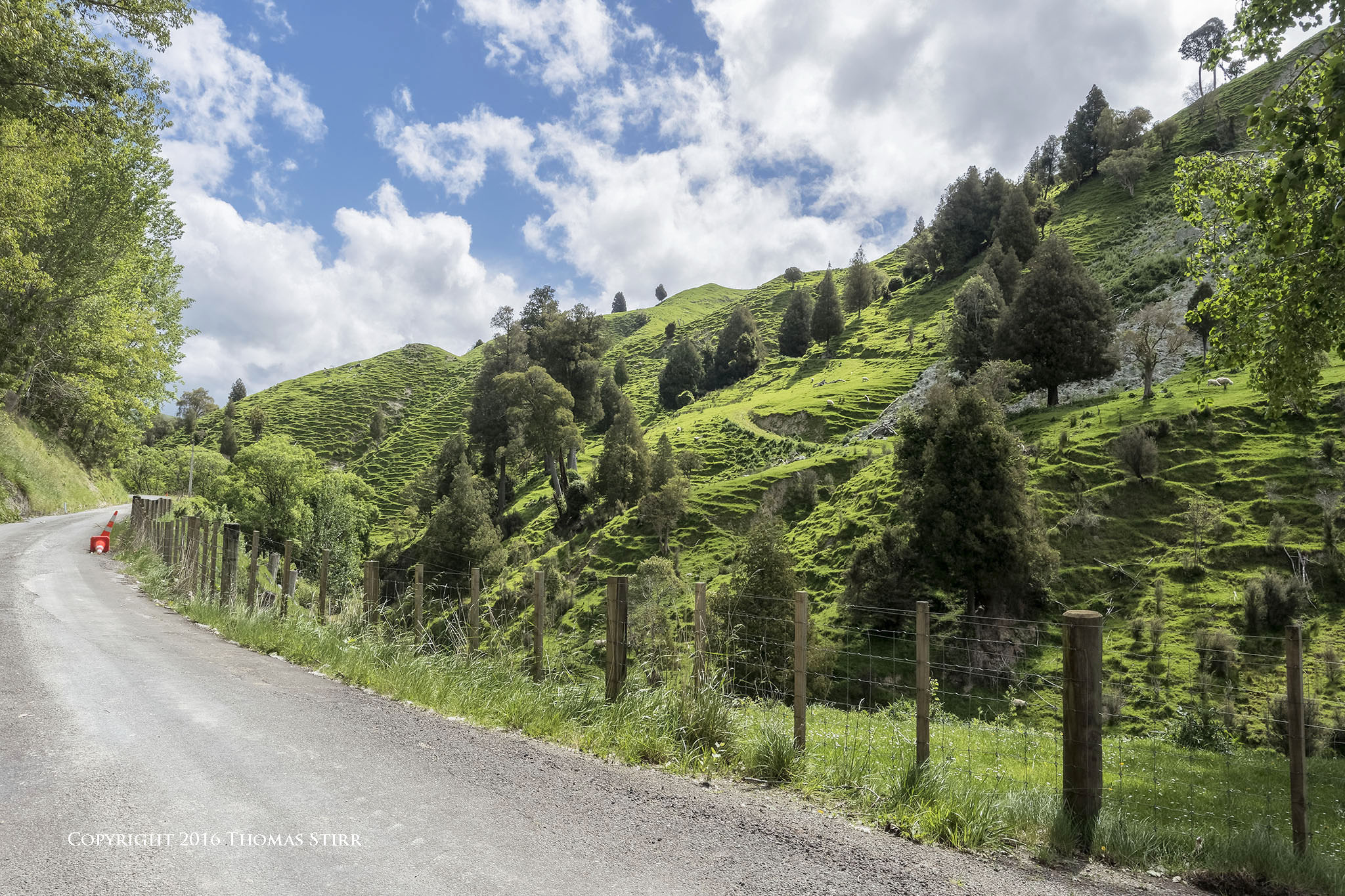
every road tells a story 1

NIKON 1 J5 + 6.7-13mm f/3.5-5.6 @ 9.8mm, ISO 400, 1/640, f/8.0

For many of us the future looks lush and green – full of promise, with only the faintest hint of difficulty ahead. We journey forth with unbridled confidence and optimism, looking forward to the dawn of each new day. The very idea of not meeting our objectives seems completely foreign…an impossibility.

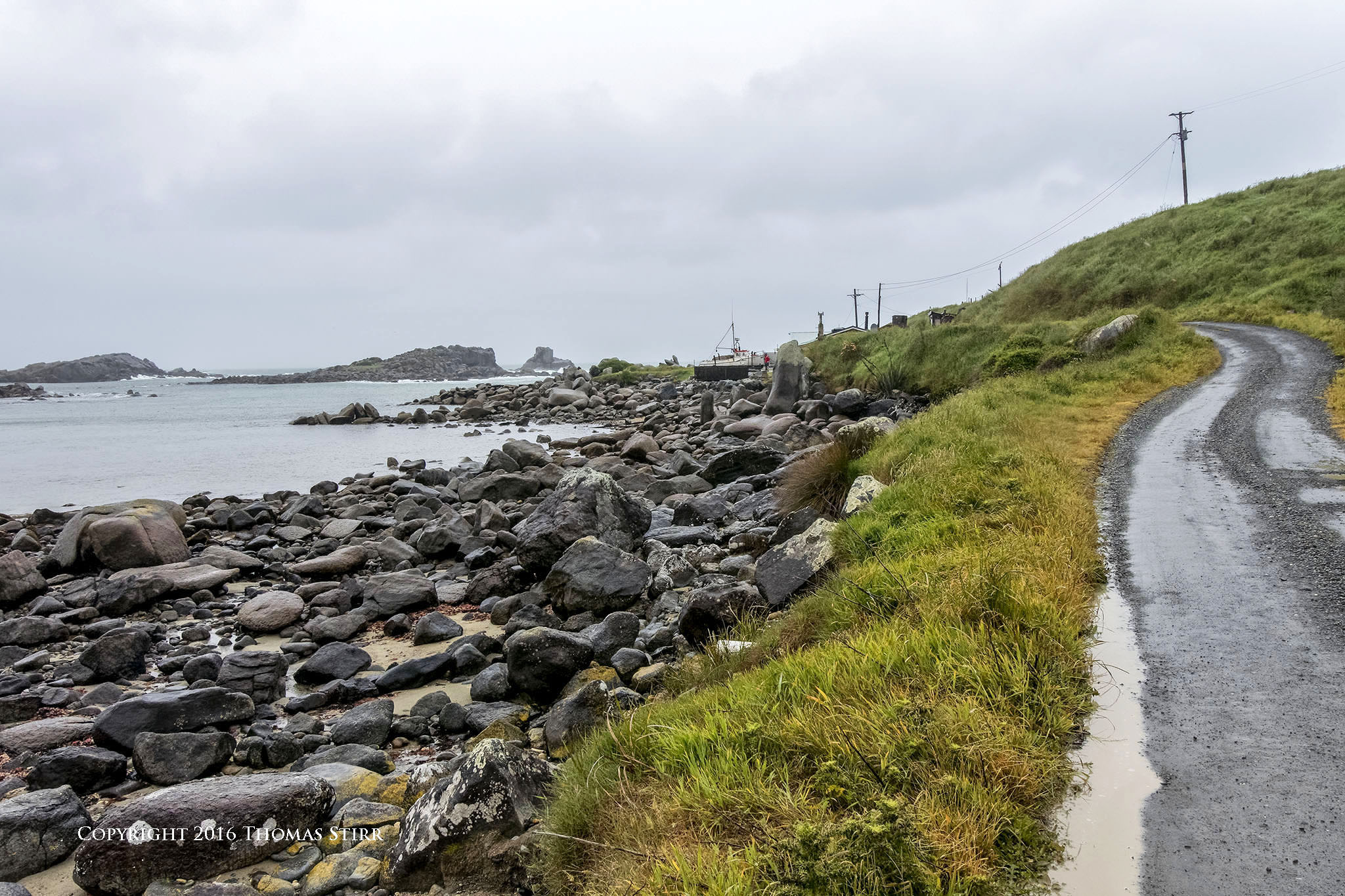
every road tells a story 2

NIKON 1 J5 + 10-100mm f/4-5.6 @ 10mm, ISO 800, 1/1000, f/7.1

There are other times when the road looks perilous. Where it leads is unknown and we often wonder if the day-to-day efforts that we are expending are really worth it as no apparent reward is in sight. These times test the essence of what we are made, and how dedicated we are to our goals in life.

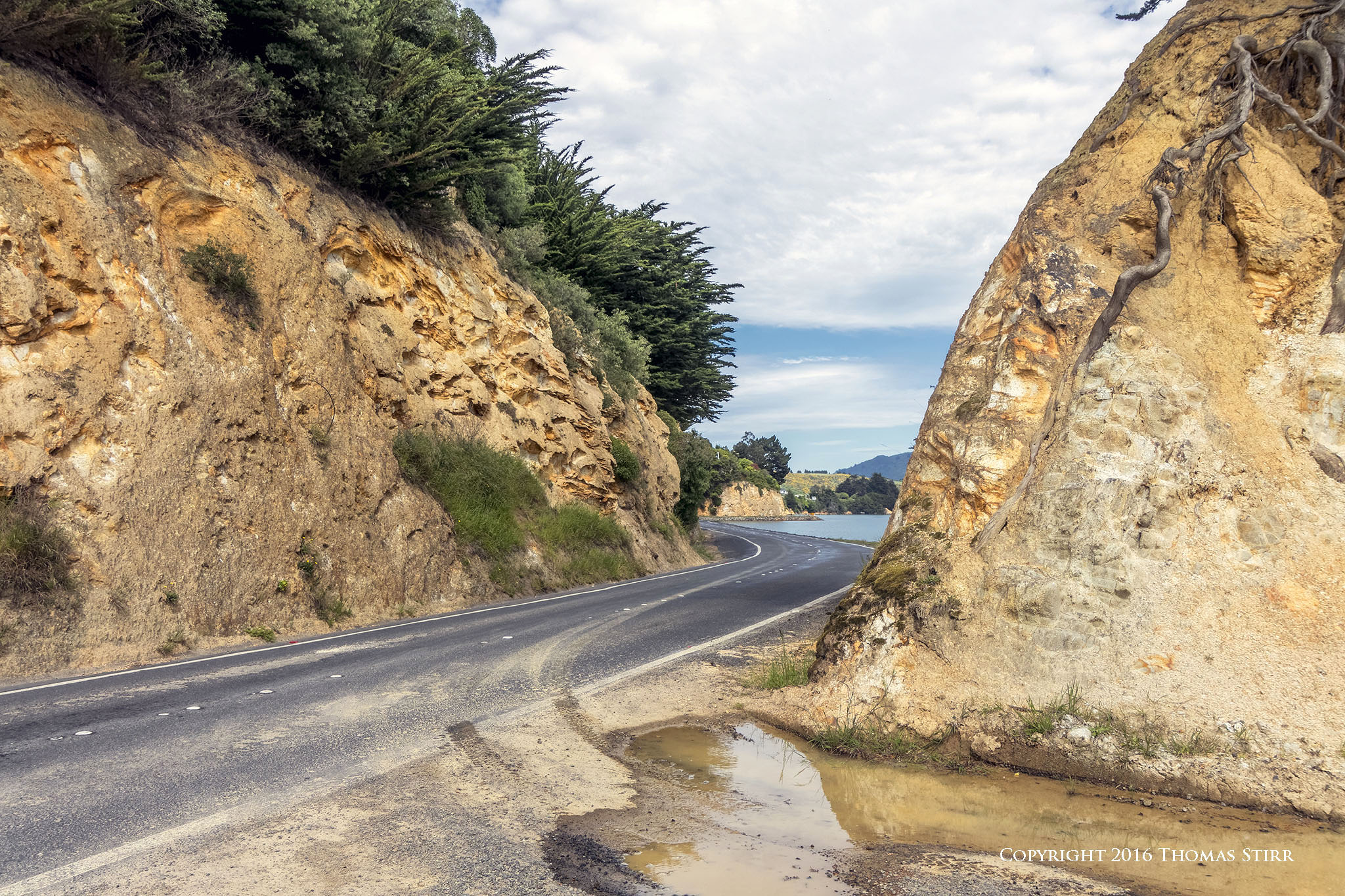
every road tells a story 3

NIKON 1 J5 + 10-100mm f/4-5.6 @ 10.9mm, ISO 160, 1/320, f/8.0

Every one of us has had times in our lives when we have needed to navigate around obstacles while still pursuing our hopes and dreams. We maintain our sense of purpose and energy. If the twists and turns we are going through seem manageable and worthwhile we persevere. Our destination is etched in our mind, keeping us on our path no matter the number of turns we may encounter.

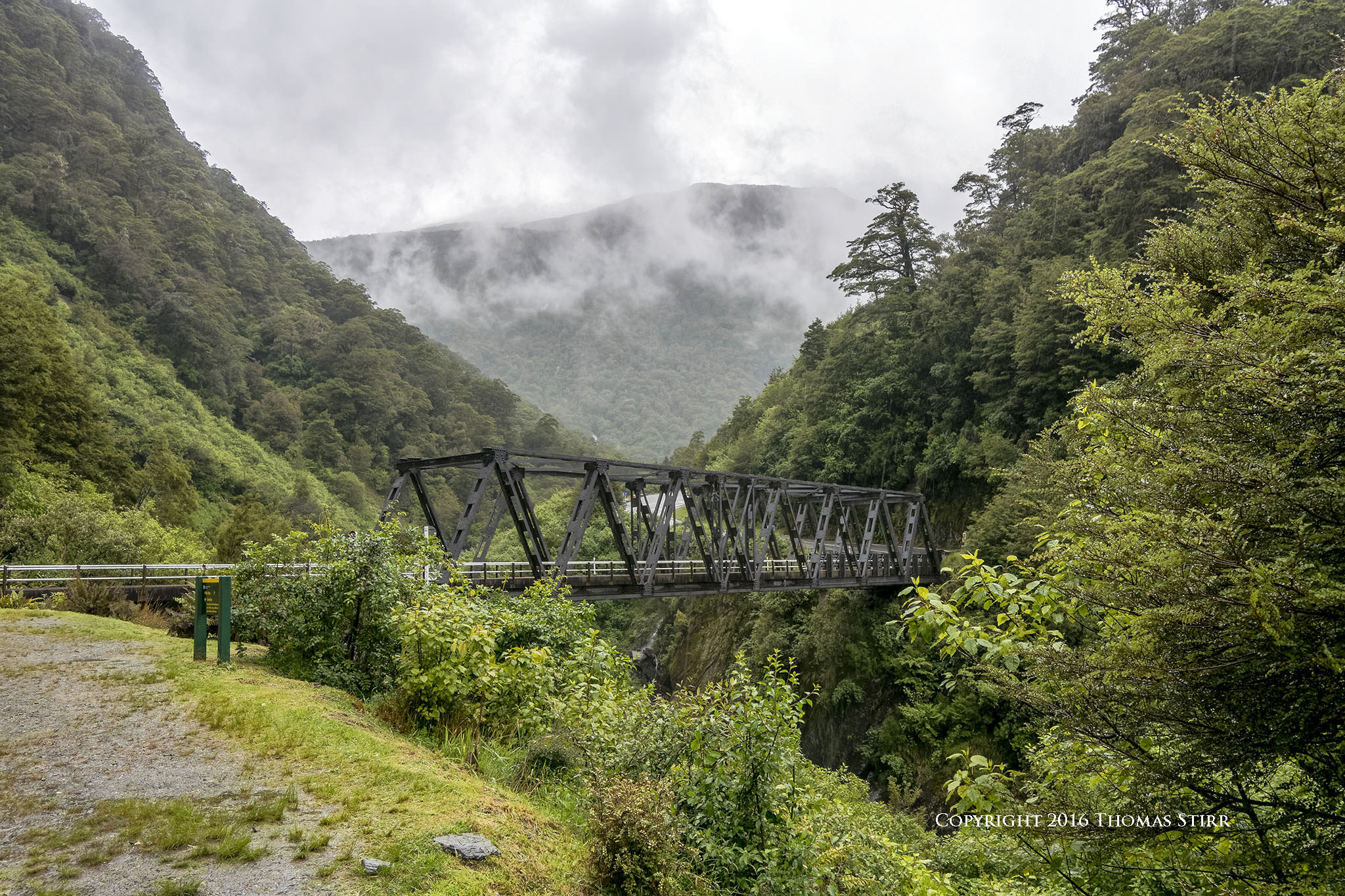
every road tells a story 4

NIKON 1 J5 + 10-100mm f/4-5.6 @ 17.1mm, ISO 160, 1/500, f/5.6

Our life’s purpose may be grand or small, but deep inside our individual cores we know it is what causes us to get up in the morning to face each day whatever it may bring. The amount of time that each of us has left to pursue our purpose can never be known. For all of us tomorrow is but a promissory note we hope to be able to live.

every road tells a story 5

NIKON 1 J5 + 10-100mm f/4-5.6 @ 10mm, ISO 400, 1/125, f/5.6

Some roads – like some lives – require innovation and effort to overcome factors that are simply impassable if we stayed on our current path. How many times have each of us gone through the process of reinventing ourselves? The number of times, and the efforts it took to do so, matter not. All that really matters is what we learned through these experiences and how they helped us be more purposeful, understanding, and empathetic as we go through life.

every road tells a story 6

NIKON 1 J5 + 10-100mm f/4-5.6 @ 10mm, ISO 160, 1/640, f/5.6

Each of us in our own, unique way has the power to accelerate our journey of self-discovery through the choices we make in life. We need the courage to continue to venture forth regardless of the obstacles and hardships we face. The naysayers we meet. The moments of self-doubt that we may suffer. To live up to our true potential is the gift we have to give to the world, and to those we love. May each of you unlock more of your potential in 2017, and make the world a better place because of it.

Article and all images are Copyright 2016 Thomas Stirr. All rights reserved. No use, adaptation or reproduction of any kind including electronic is allowed without written consent. Photography Life is the only approved user of this article and these Copyrighted images. If you see this article or images reproduced anywhere else it is an unauthorized and illegal use.

The post Every Road Tells a Story appeared first on Photography Life.

Photography Life

Posted in Photograpy How To | Tagged , , , | Leave a comment

Canon Has a New Line of Home Printers With Refillable Ink Canisters Instead of Cartridges

This isn’t the kind of news that I would normally get excited about, but this is a first for Canon and maybe even for anyone making standard home printers. Today Canon announced the G-Series MegaTank Printers, a set of printers that features a prominent front-facing refillable ink tank system instead of the traditional cartridges. The ink canisters are easy to see and make it easy to not only see how much ink is left, but also eliminates a huge waste issue currently experienced with cartridge systems.

There are four printers in the new G-Series tankless system:

PIXMA G1200 MegaTank Single Function Printer

PIXMA G2200 MegaTank All-In-One Printer

PIXMA MegaTank G3200 Wireless All-In-One Printer

PIXMA G4200 MegaTank Wireless All-In-One Printer

Each of the PIXMA G-series MegaTank printers feature a front-facing, built-in refillable ink tank system that makes it easy for users to monitor ink levels and refill when needed. Paired with the ink bottle’s spill-resistant tops, the system is designed to provide seamless and clean usability at home and in the office.

This new hybrid integrated system of replenishing ink is cost-effective and offers higher page yield than the prior generation of PIXMA printers. The black ink provides up to 6,000 pages per bottle and the total color ink combination provides up to 7,000 pages.

The PIXMA G-series printers’ easy-to-use refillable ink bottles offer substantial ink capacity with 135 ml in the black bottle and 70 ml in each color ink bottle. Another value-added feature for the new PIXMA G-series printers is the initial quick installation set-up timeframe (for ink installation only) which is approximately six minutes.

Also of note, these printers can print borderless images, which is a nice add when printing photos at home or at work.

The PIXMA G-series printers are available today with the PIXMA G1200 MegaTank Single Function Printer available for $ 249.99, the PIXMA G2200 MegaTank All-In-One Printer available for $ 269.99, the PIXMA G3200 Wireless MegaTank All-In-One Printer available for $ 299.99 and the PIXMA G4200 Wireless MegaTank All-In-One Printer available for $ 399.99.

Resource Magazine

Posted in Photograpy How To | Tagged , , , , , , , | Leave a comment