Fujifilm X-T2 First Impressions

Some of you may remember how pleased I was with how my little Fujifilm X100T performed on my trip to France last June (My Self-Imposed 23mm Challenge with a Fuji X100T). As an experiment, I limited myself to just this camera and its fixed 23mm focal length (35mm equivalent) lens. At that time I was feeling like my creativity was waning. However, after limiting myself to this small, light-weight camera, I began to have fun with my photography again. I also began to realize that lugging my heavy pro-Nikon camera and glass around with me was becoming less and less enjoyable! Since writing that article, I have found myself using my DSLR less and less. My go-to camera is my X100T. This Christmas though, I found a new toy under the tree. A Fuji X-T2! The X-T2 is one of Fuji’s new flagship mirrorless cameras. It has the same 24MP APS-C X-Trans sensor that the X-Pro2 has. It has a huge and bright electronic viewfinder, and a 3-inch tilt screen. It is weather-proof, has two SD card slots, and its autofocus speed has been significantly improved over the older X-T1.

In this short article, I want to give you my first impressions of the Fuji X-T2. This article is by no means intended to be a technical review; I will leave that to Nasim. In addition, I have not commented at all on its video capabilities. I shoot video on very rare occasions. And although the X-T2 is capable of shooting 4K video, I will be using it almost exclusively as a stills camera.
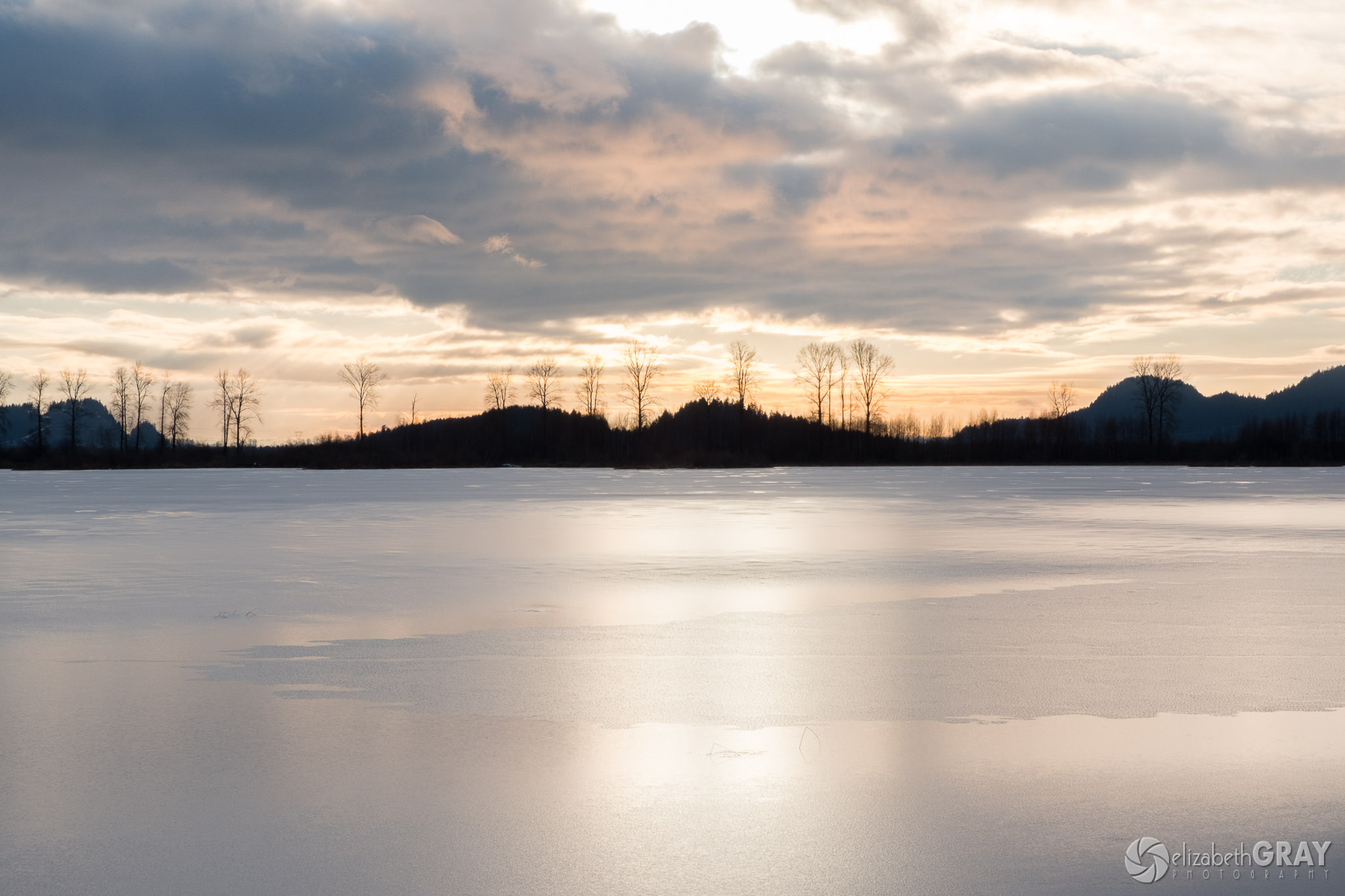
Pitt Lake Silhouette

X-T2 + XF18-55mm F2.8-4 R LM OIS @ 55mm, ISO 250, 1/125s, f/16.0

Out of the Box

When I first picked up the camera my first thought was, wow, is this ever light! The camera with its kit 18-55mm f/2.8-4 lens weighs in at 1.8 pounds, including the memory card and battery. My D500 is almost three pounds with its kit lens. I loved the feel in my hand; it is very well balanced and the magnesium alloy construction felt solid. It is compact enough that I can comfortably shoot one-handed. This frees up my left hand for an umbrella or coffee!
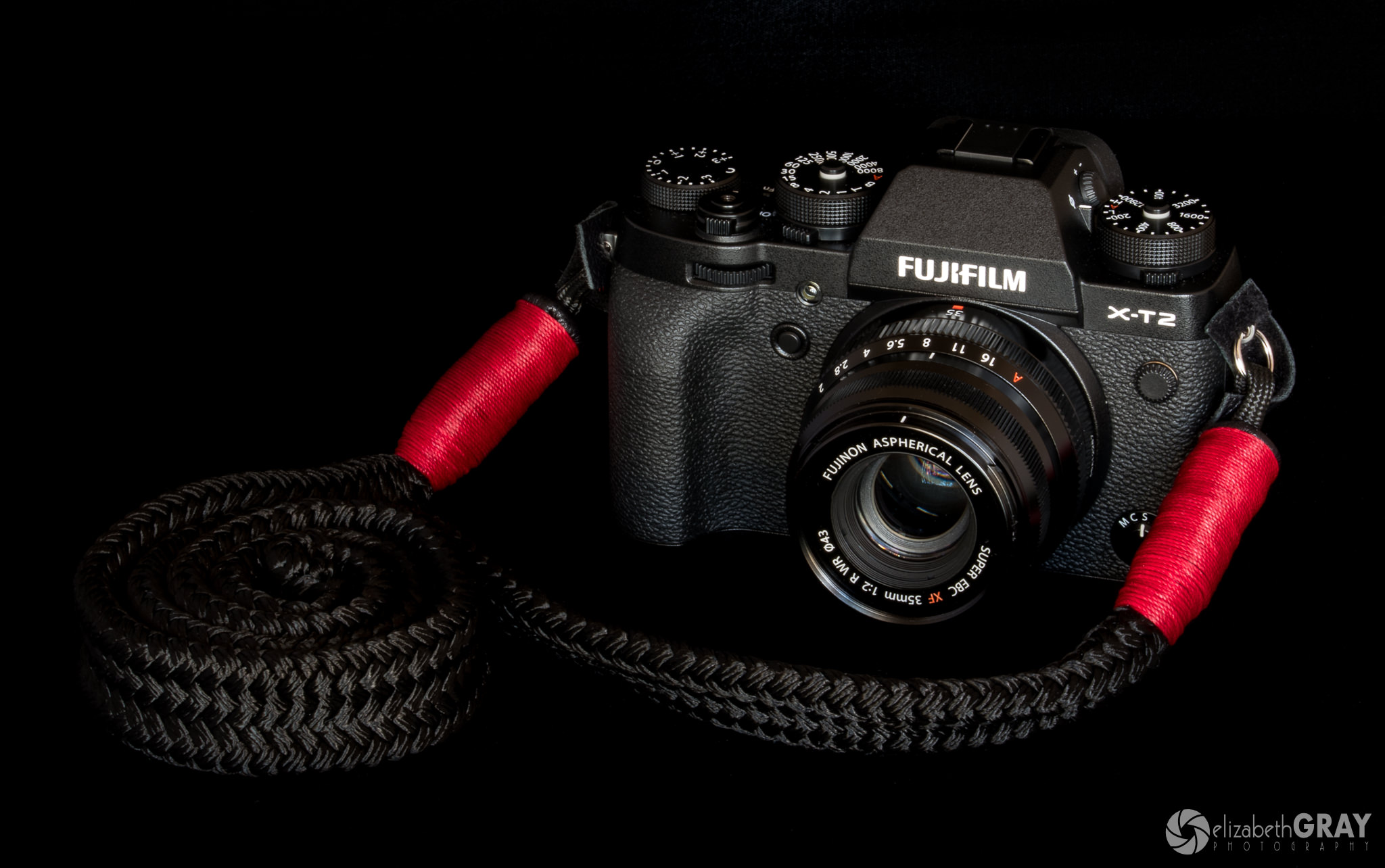
X-T2

Controls

I love how the camera is laid out. It is reminiscent of an old film camera. The aperture ring is on the lens, and there are dedicated dials for shutter speed, ISO and exposure compensation on the top of the camera. Nestled under the shutter speed dial, is a switch for changing metering modes. And under the ISO dial is a switch for adjusting shooting modes (single, continuous low, continuous high, bracketing, movie, multiple exposure, panorama, and advanced filters). I particularly like how the ISO and shutter speed dials can be locked so that they can not be bumped by accident. The only thing I found a bit awkward was the size of the ring selectors for changing the metering and drive modes. They do not stick out very far. I have small hands and found them a bit hard to adjust. I would imagine that they would be much more cumbersome to change for someone with large hands. On the contrary, this does help to ensure that they do not get changed by mistake.

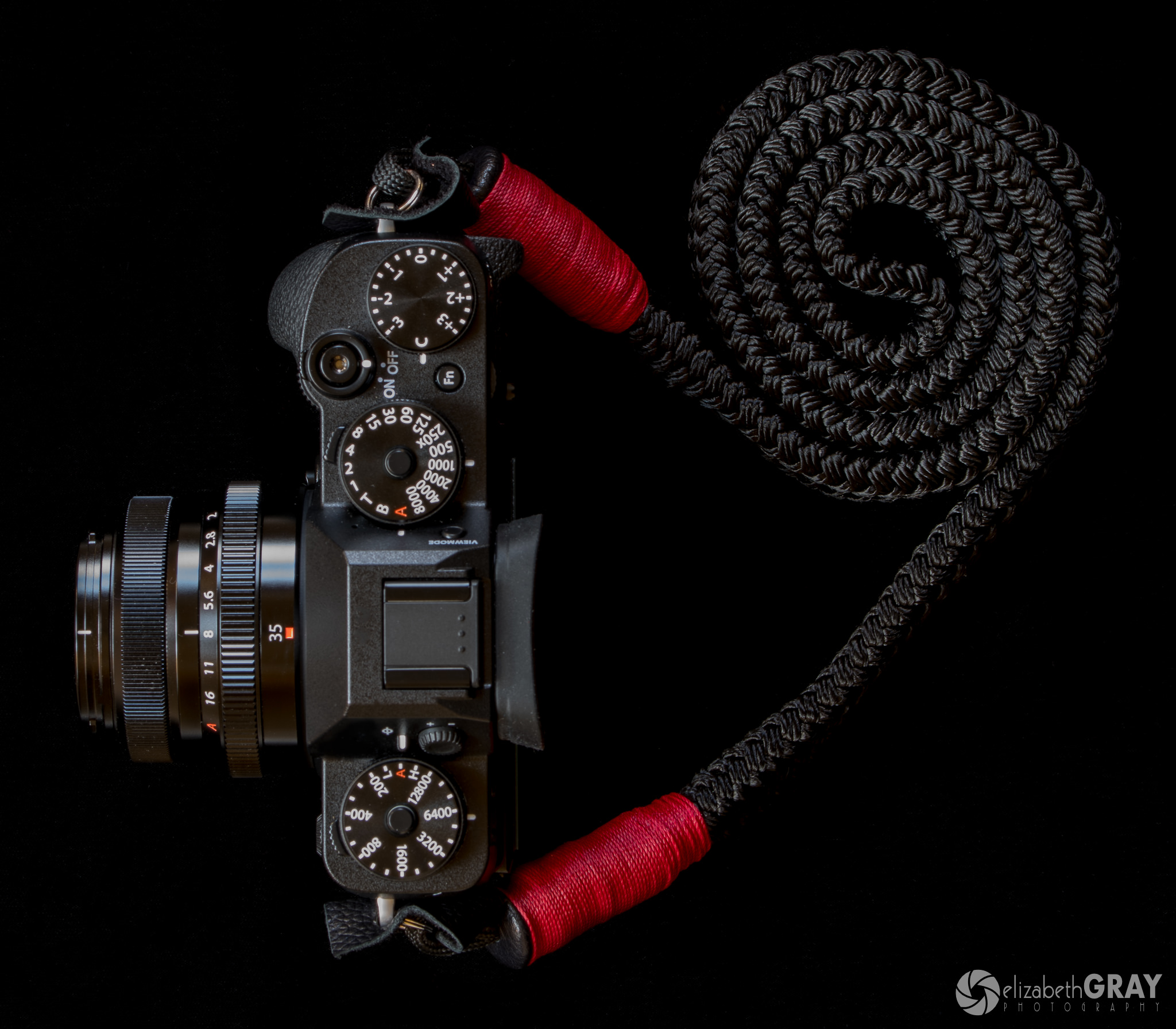
X-T2 Back

X-T2 Top2

I also love the tilting screen. I have grown very accustomed to my D500’s articulated screen, and this is a feature I wish my X100T had. I often find myself shooting from low angles. The tilting screen saves me from having to get down on the ground, and subsequently back up! Unfortunately, the screen is not touch-sensitive though.

On my X100T, I have to use the selector switch to change focus points. The X-T2 has a dedicated focus stick, which makes selecting different focus points very fast and easy. It also frees up the selector switch buttons to be assigned to other user-defined functions.

The user can assign frequently used functions to any of the camera’s eight function buttons, including the four on the selector switch. The only one I found difficult to access was the one on the top of the camera, stuck between the shutter speed and the exposure compensation dials. Again, for anyone with large hands this may be a bit frustrating. Also, the camera has a ‘Quick Menu’ which you access by pressing one button on the back of the camera. It is also completely customizable. I have been experimenting with different configurations of the function buttons and Q menu and haven’t settled on a final setup quite yet. This is something that takes some time and is completely user dependent.
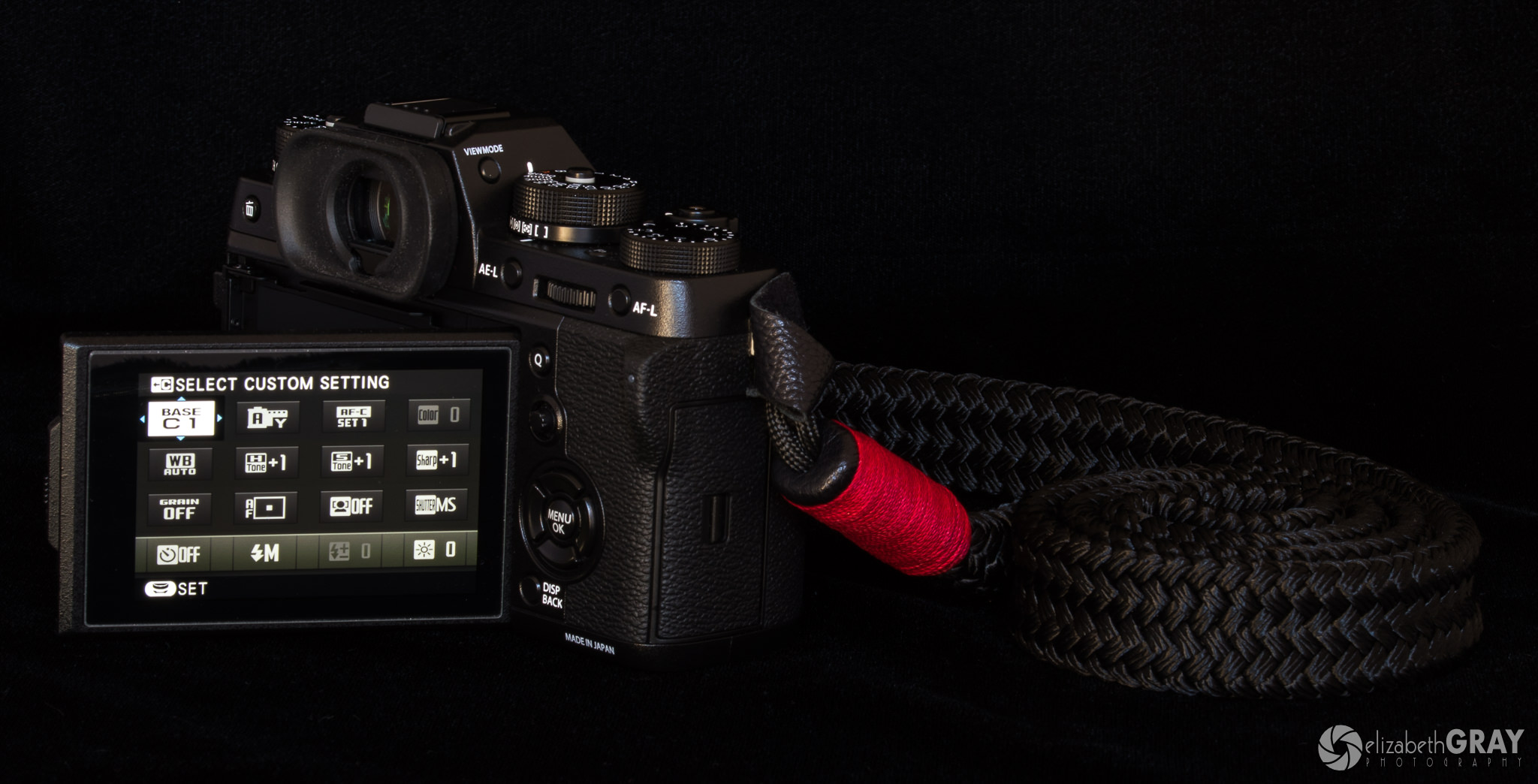
X-T2 Q Menu

Focus

The X-T2 has 325 AF points, 169 of which are phase-detection. I was impressed with how fast the X-T2 found focus. I could focus on a very close subject, then move the camera slightly and refocus on a distant object without any noticeable hunting (in single point autofocus, AF-S). Even in low light situations, it was able to lock focus extremely quickly.

Candles

X-T2 + XF35mm F2 R WR @ 35mm, ISO 1000, 1/125s, f/2.8

I was also impressed with how the camera performed in continuous autofocus. Although I have not had time to test AF-C extensively, or to try the five AF-C presets, I did grab a few shots of an impromptu snowball fight and my nephew racing away from me on his new snowshoes. In both instances the camera found and maintained focus.
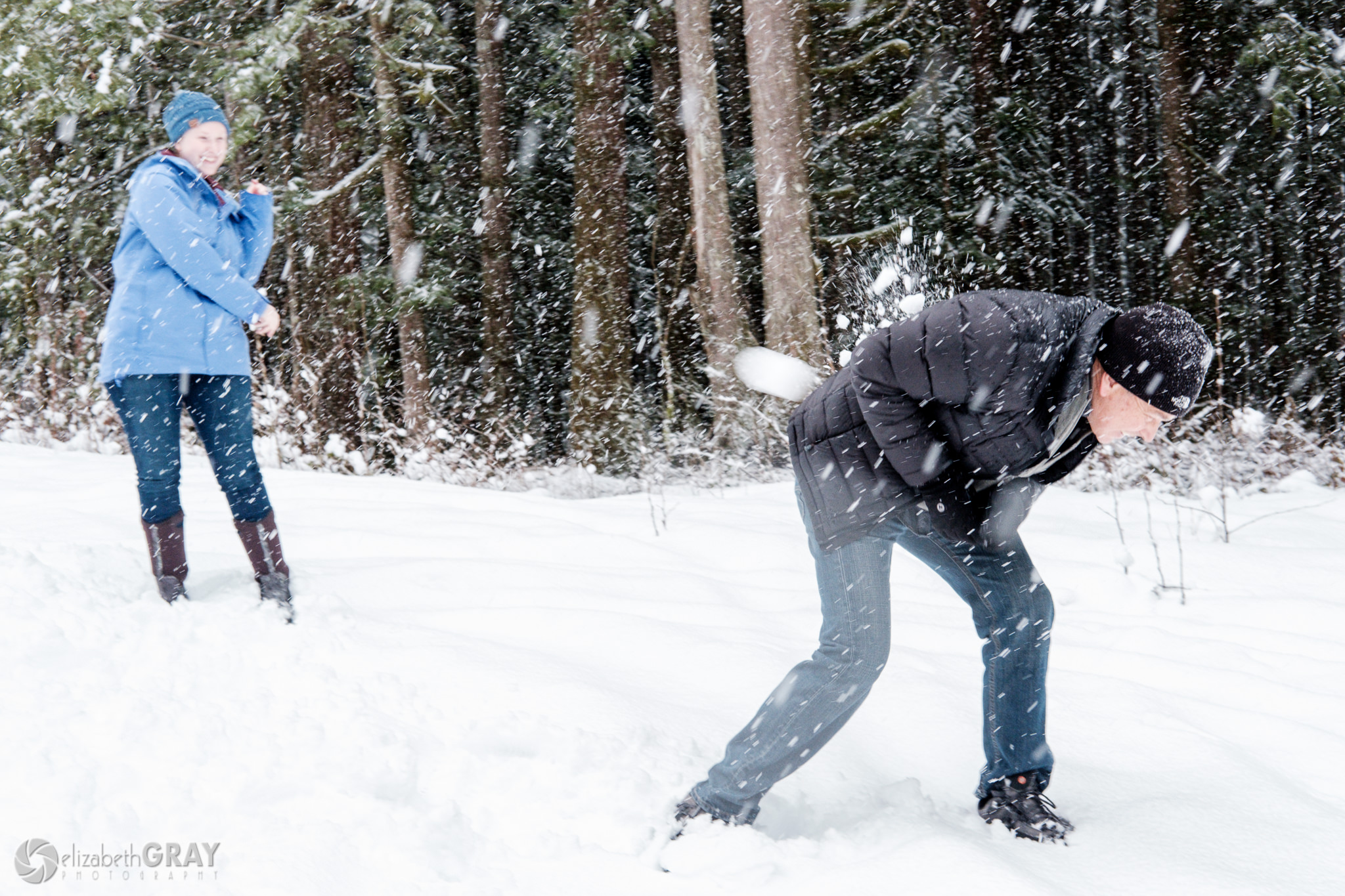
Snowball Fight

X-T2 + XF35mm F2 R WR @ 35mm, ISO 3200, 1/125s, f/8.0
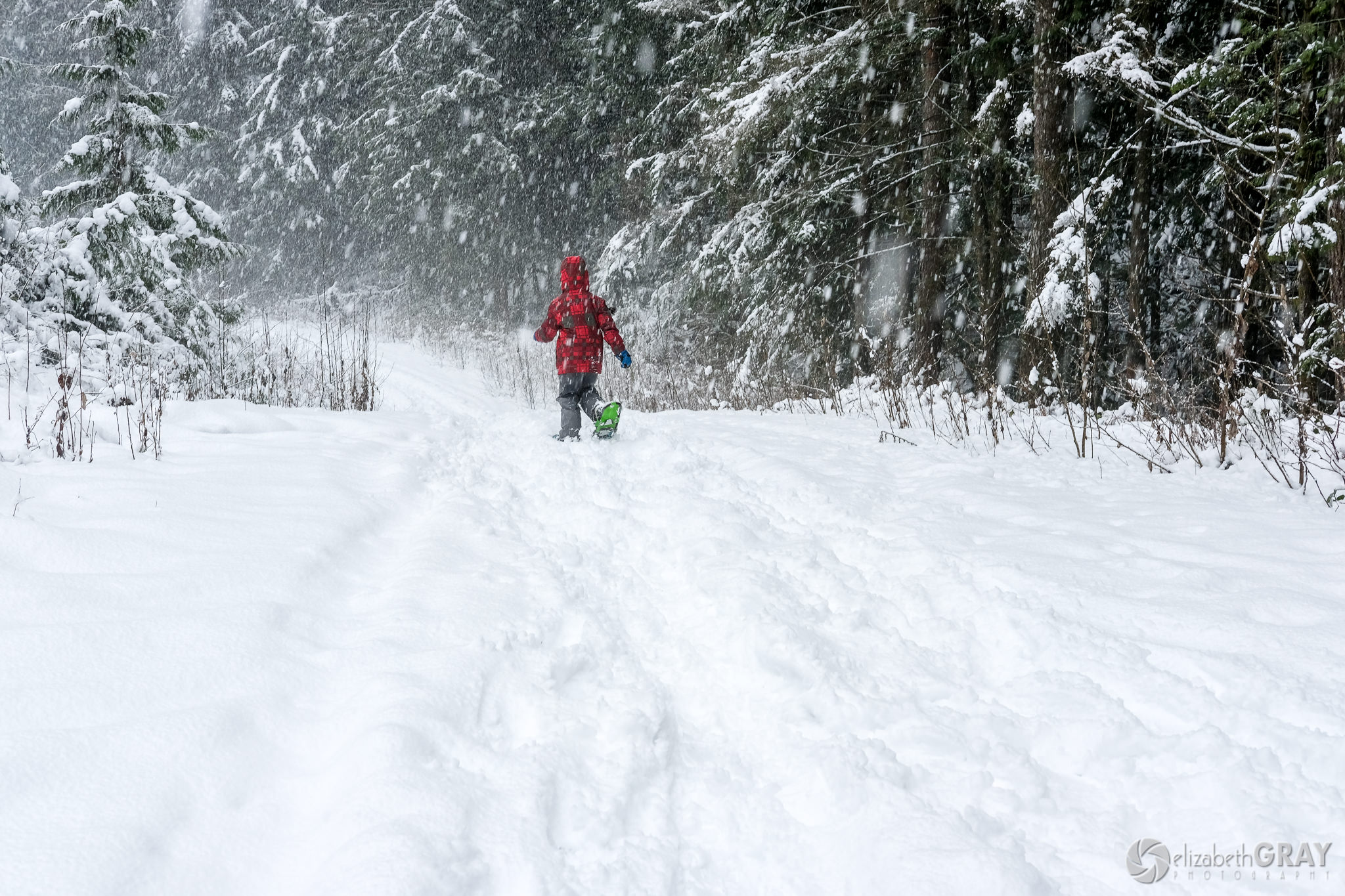
snowshoes

X-T2 + XF35mm F2 R WR @ 35mm, ISO 640, 1/125s, f/8.0

Low-Light Capability

I was not surprised to find that the low light capability of the X-T2 is excellent, as this was also the case with my X100T. I was very comfortable shooting up to ISO 6400.
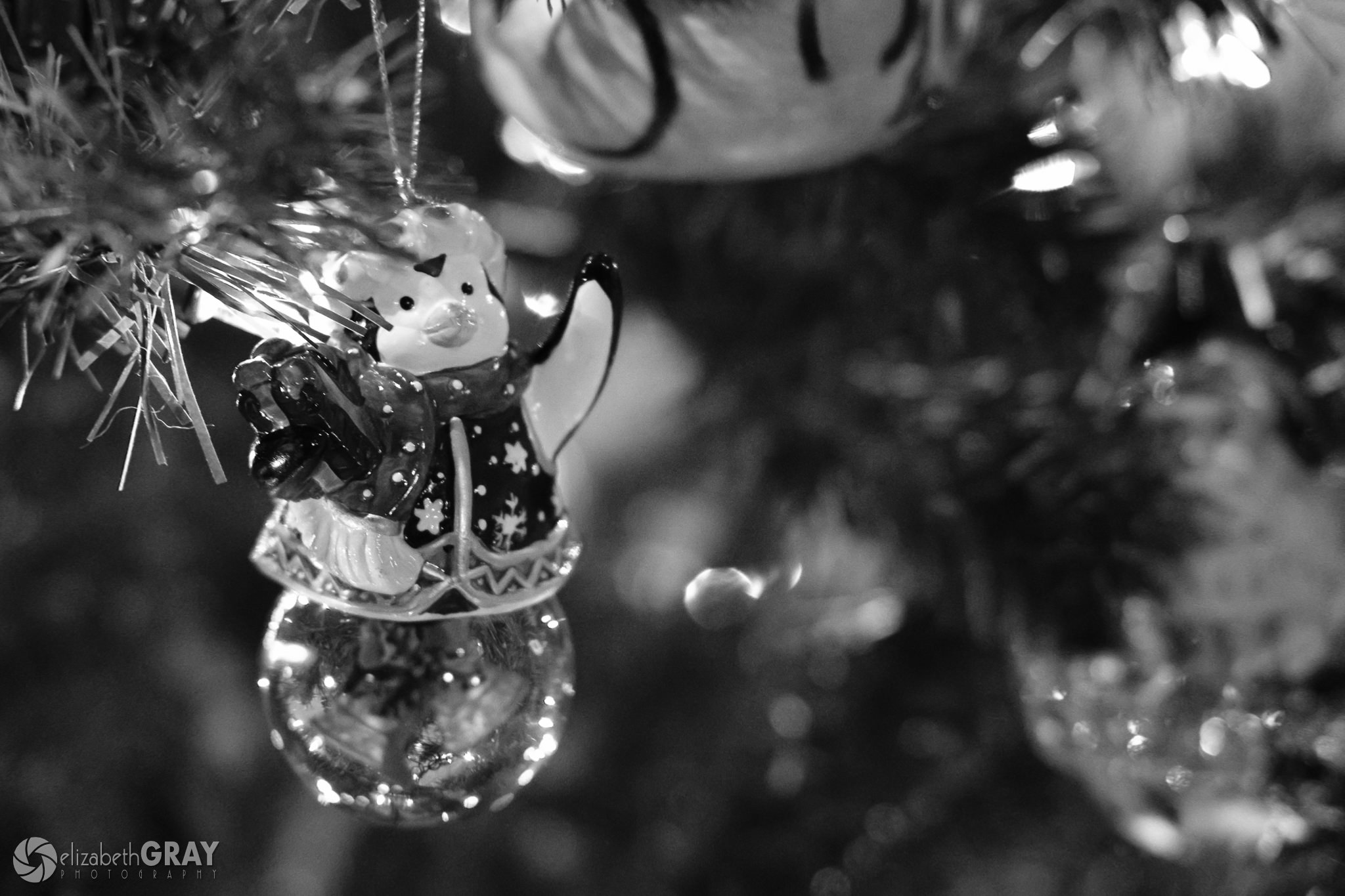
Ornament

X-T2 + XF35mm F2 R WR @ 35mm, ISO 6400, 1/75s, f/2.8
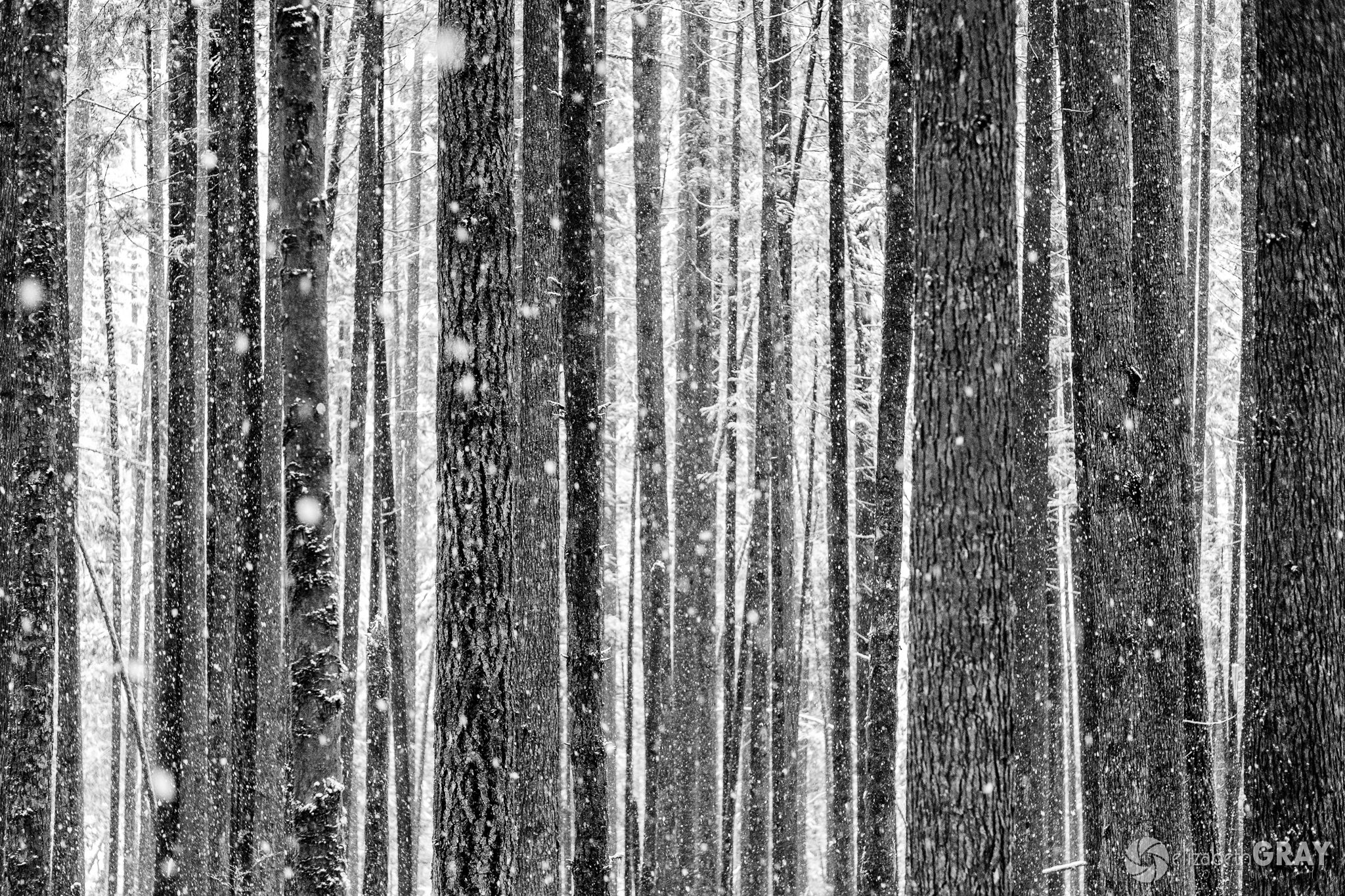
Tree Trunks

X-T2 + XF35mm F2 R WR @ 35mm, ISO 4000, 1/125s, f/2.0

Impressions Thus Far

So far I am thrilled with the X-T2! It focuses quickly and accurately, is light and compact, and its features rival those of many high-end DSLRs. It is not perfect and does have a few quirks. And with Fuji’s current lens lineup, it will not surpass my D500 and 200-400mm f/4 for bird photography. All in all it is a beautiful piece of engineering. But most importantly to me, the camera is a pure pleasure to use. I’m looking forward to getting to know this camera better and can see a long-term relationship with it in my future.
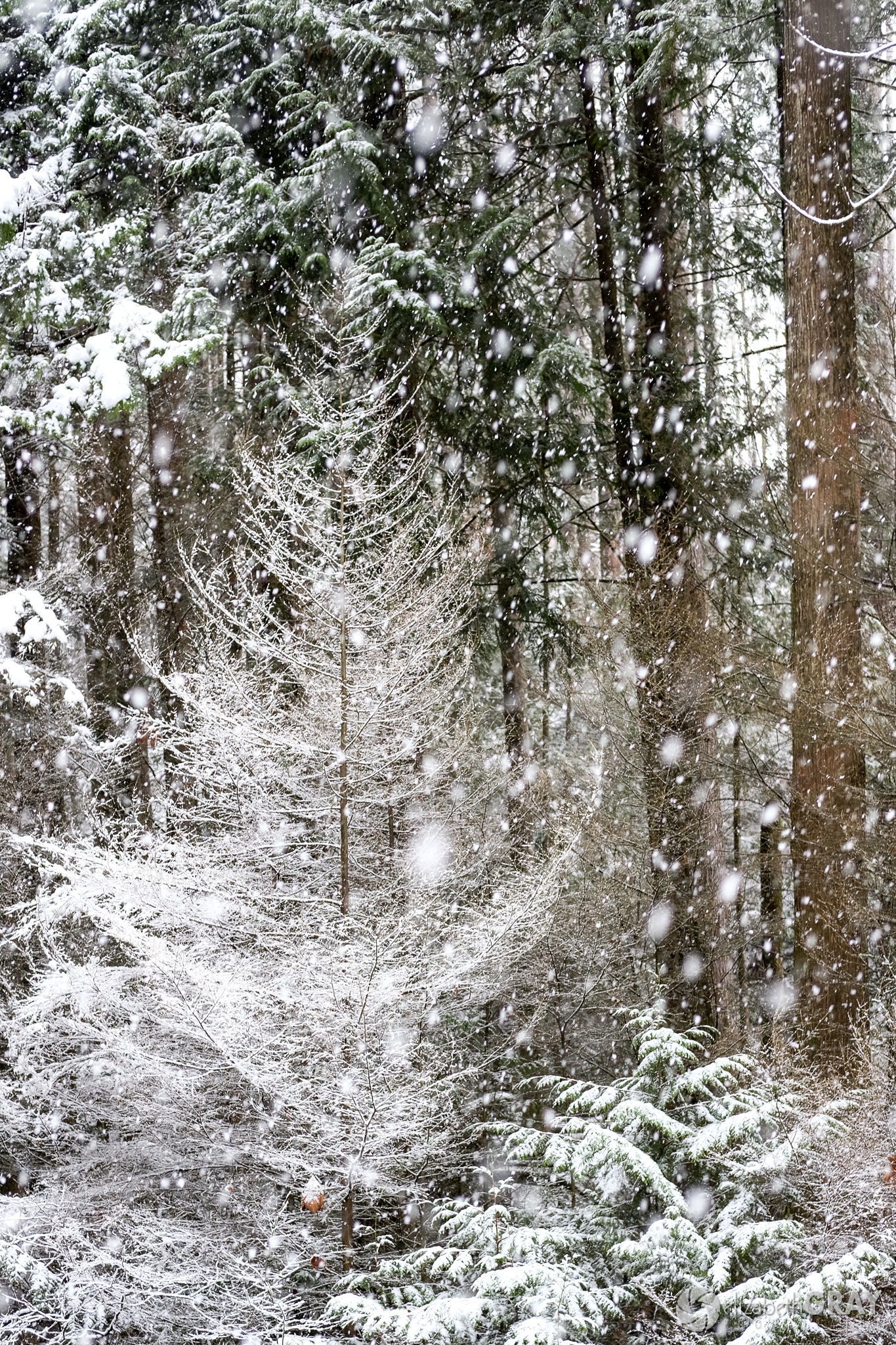
Snow Falling

X-T2 + XF35mm F2 R WR @ 35mm, ISO 1250, 1/125s, f/2.8

The post Fujifilm X-T2 First Impressions appeared first on Photography Life.

Photography Life

Posted in Photograpy How To | Tagged , , | Leave a comment

3 Men Who Trampled the Grand Prismatic Spring Sentenced: 2 Get Jail Time

The team behind the Canadian clothing called High On Life, who became famous for trampling over Yellowstone’s Grand Prismatic Spring back in May, have finally returned to the United States and have been sentenced in Wyoming.

Canadians Charles Ryker Gamble, Alexey Andriyovych Lyakh and Justis Cooper

See Also: Filmmaker’s Trample Prismatic Spring, Want You to Make it Right.

Price Brown made an appearance in front of U.S. Magistrate Judge Mark Carman in Mammoth Hot Springs Wyoming at the Yellowstone Justice Center on Thursday.

Lyakh and Gamble pleaded guilty to disorderly conduct by creating a hazardous condition and foot travel in a thermal area, using drones and bikes in closed areas, and performing commercial photography without a permit. The host of charges stemmed not only from the well-publicized incident in Yellowstone, but also from their negligence in Zion, Death Valley and Mesa Verde National Parks. They will have to pay restitution and are banned from U.S Public Lands for five years. In addition, Lyakh and Gamble will serve 7 days in jail, will pay $ 2,000 each and must perform community service at Yellowstone Forever.

While avoiding jail time, Brown must pay $ 3,500 in fines and also perform community service at Yellowstone Forever.

While the team always said they were just trying to “inspire people” in their apology, I quickly pointed out that their apology blatantly tried to extort the American public by withholding a $ 5,000 donation to the Parks department until 5,000 wrote their favorite Yellowstone stories on the park’s Facebook Page. you can read my opinion piece here, but the online apology was quickly edited thereafter.

Hamish Cross, a fourth member of the team pleaded guilty to disorderly conduct in November and was ordered to pay more than $ 8,000 in fines and fees. Like the others, he is also banned from using U.S. Public Land for 5 years.

In case you need a reminder of the events these men were sentenced for, see below. What are your thoughts? Is the punishment tough enough, or did these guys get off too easy? Let us know in the comments.

Via The Billings Gazette


Resource Magazine

Posted in Photograpy How To | Tagged , , , , , , | Leave a comment

Photographing Water Birds in Winter

I recently made a couple of changes to my photography gear which resulted in me adding a Nikon 1 V3 to my kit and selling my J4 with WP-N3 waterproof housing. I wanted to put my new acquisition to the test and decided to photograph some water birds. So, I headed off to LaSalle Park in Burlington Ontario as I had heard that there was over a thousand birds at that location. While the winter is often drab and dull, photographing birds can still be a very enjoyable outing.

winter water birds 1

NIKON 1 V3 + CX 70-300mm f/4.5-5.6 @ 300mm, ISO 500, 1/1600, f/5.6

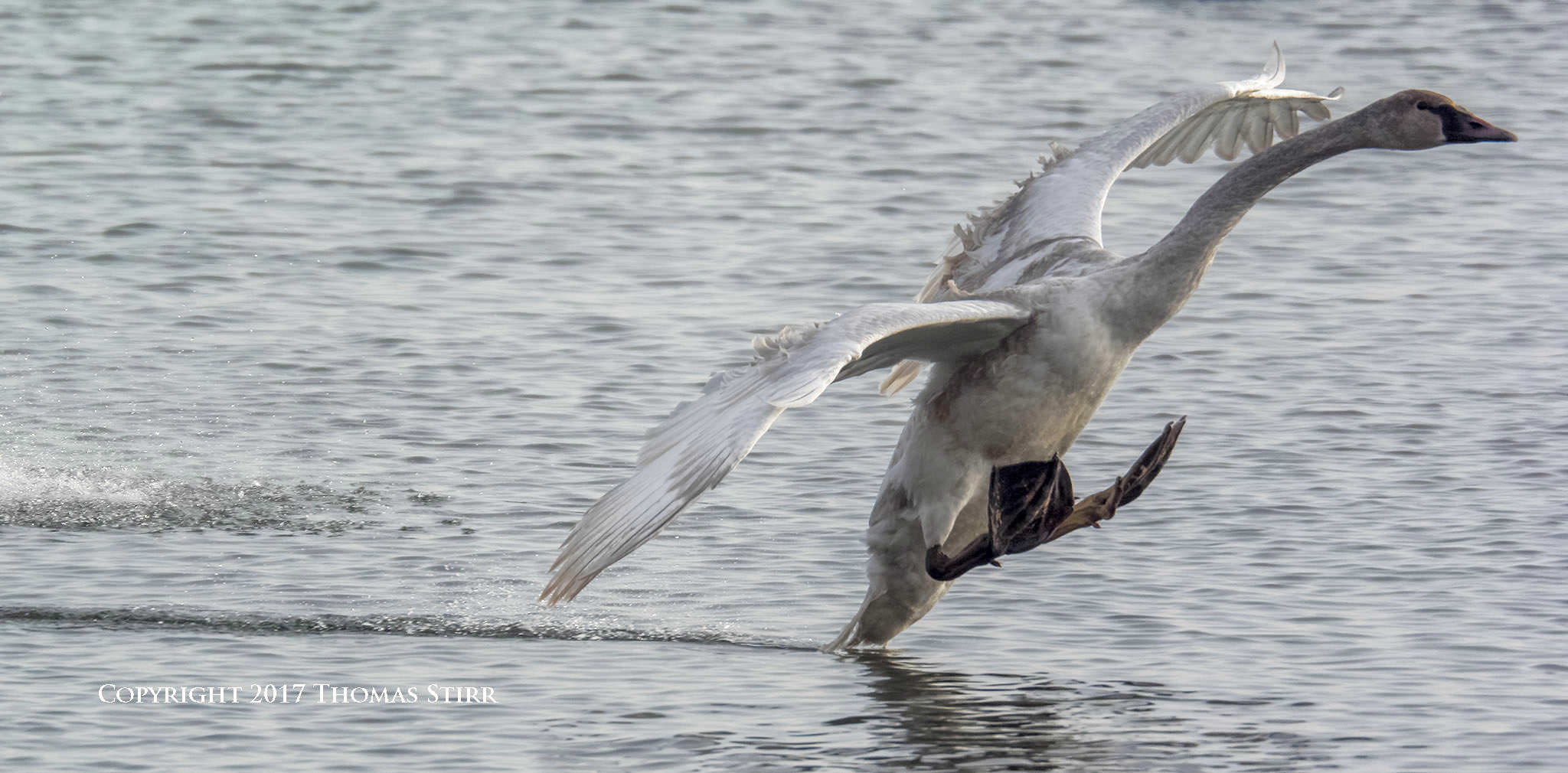
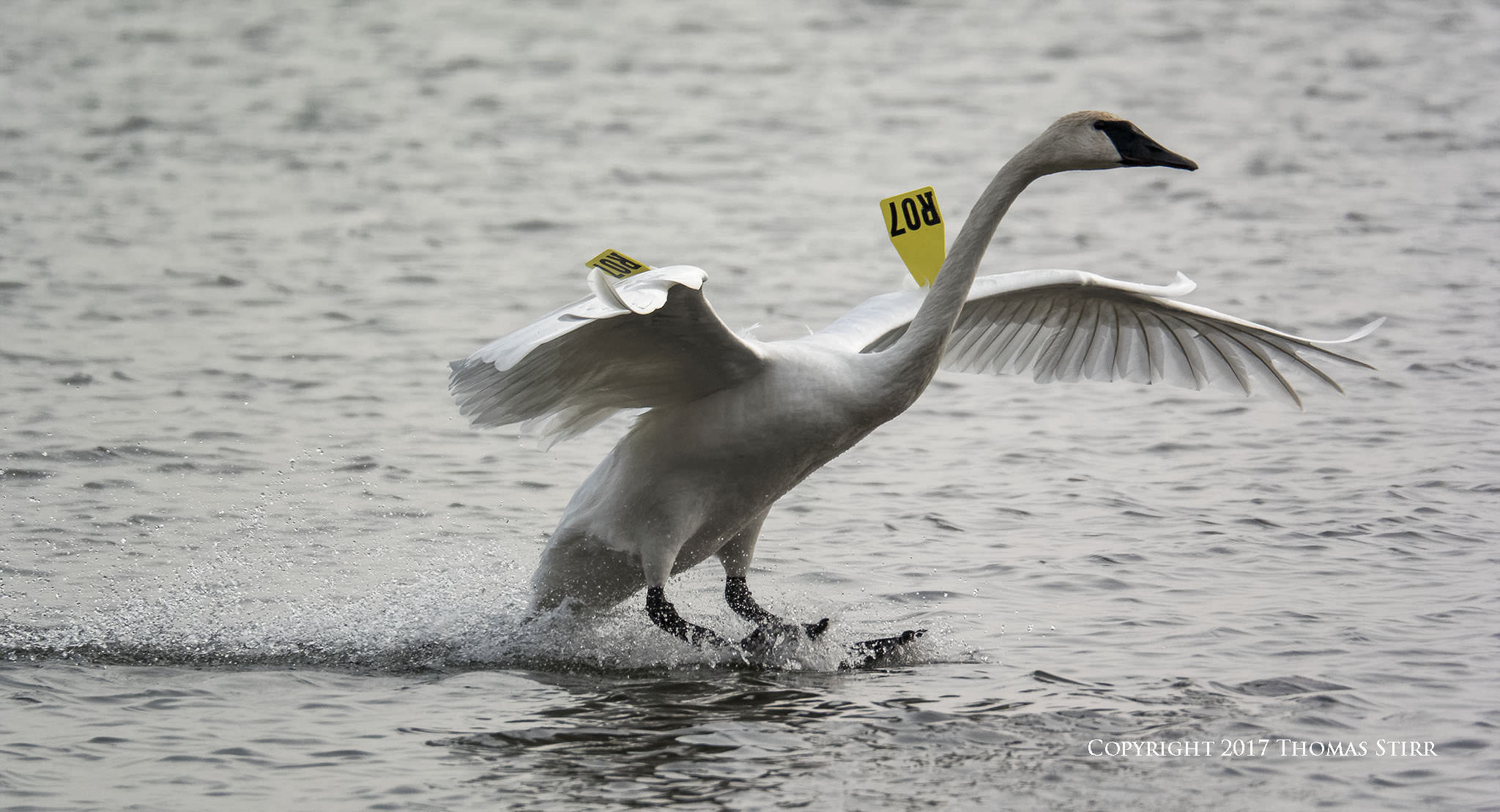
There is a good population of Trumpeter Swans at LaSalle Park, making for numerous still image opportunities, and if one is lucky some photographs of birds-in-flight as well as some water landings. The juvenile swan above looked quite humorous landing tail first, feet up.

winter water birds 2

NIKON 1 V3 + CX 70-300mm f/4.5-5.6 @ 228.9mm, ISO 640, 1/2000, f/5.6

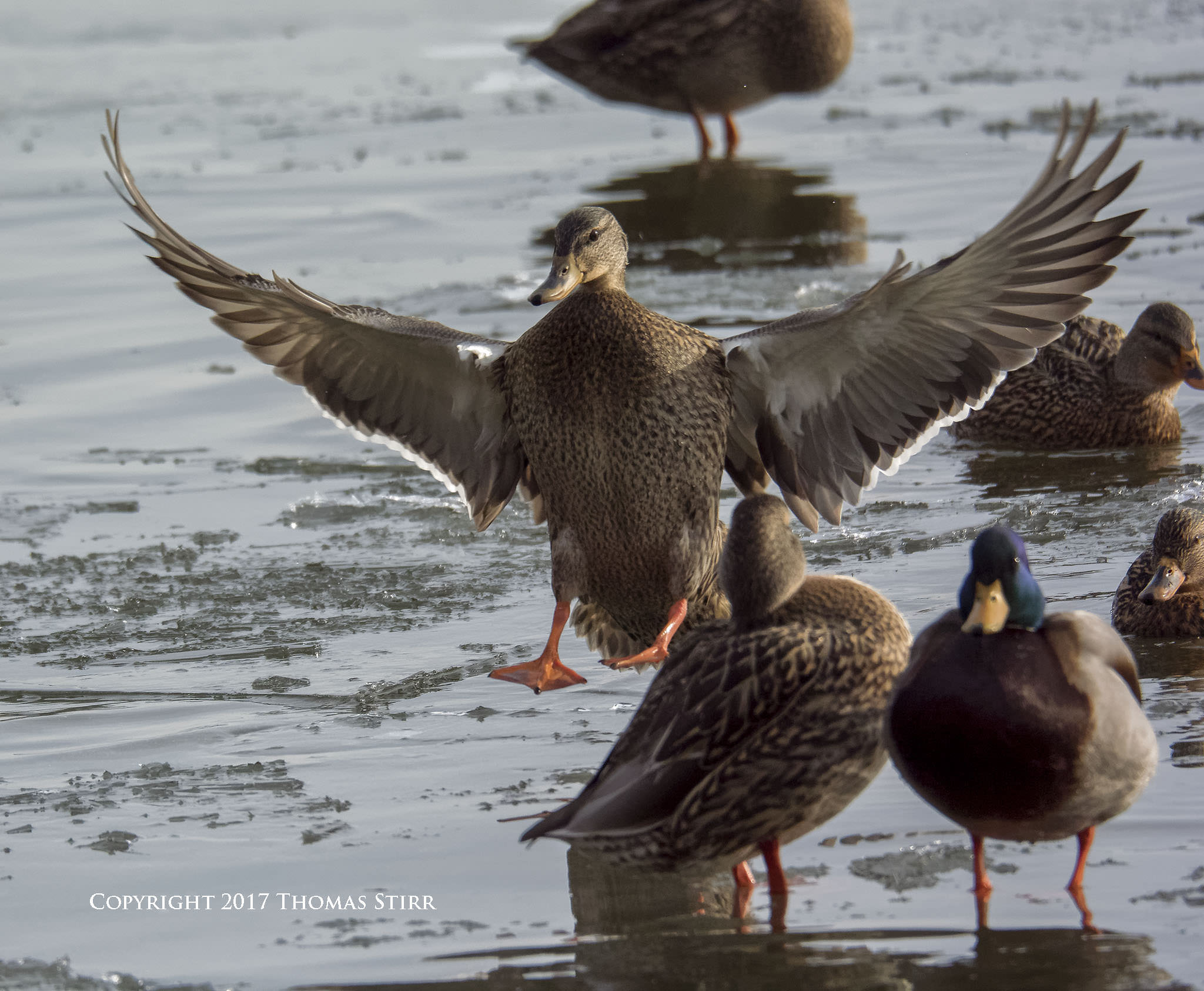
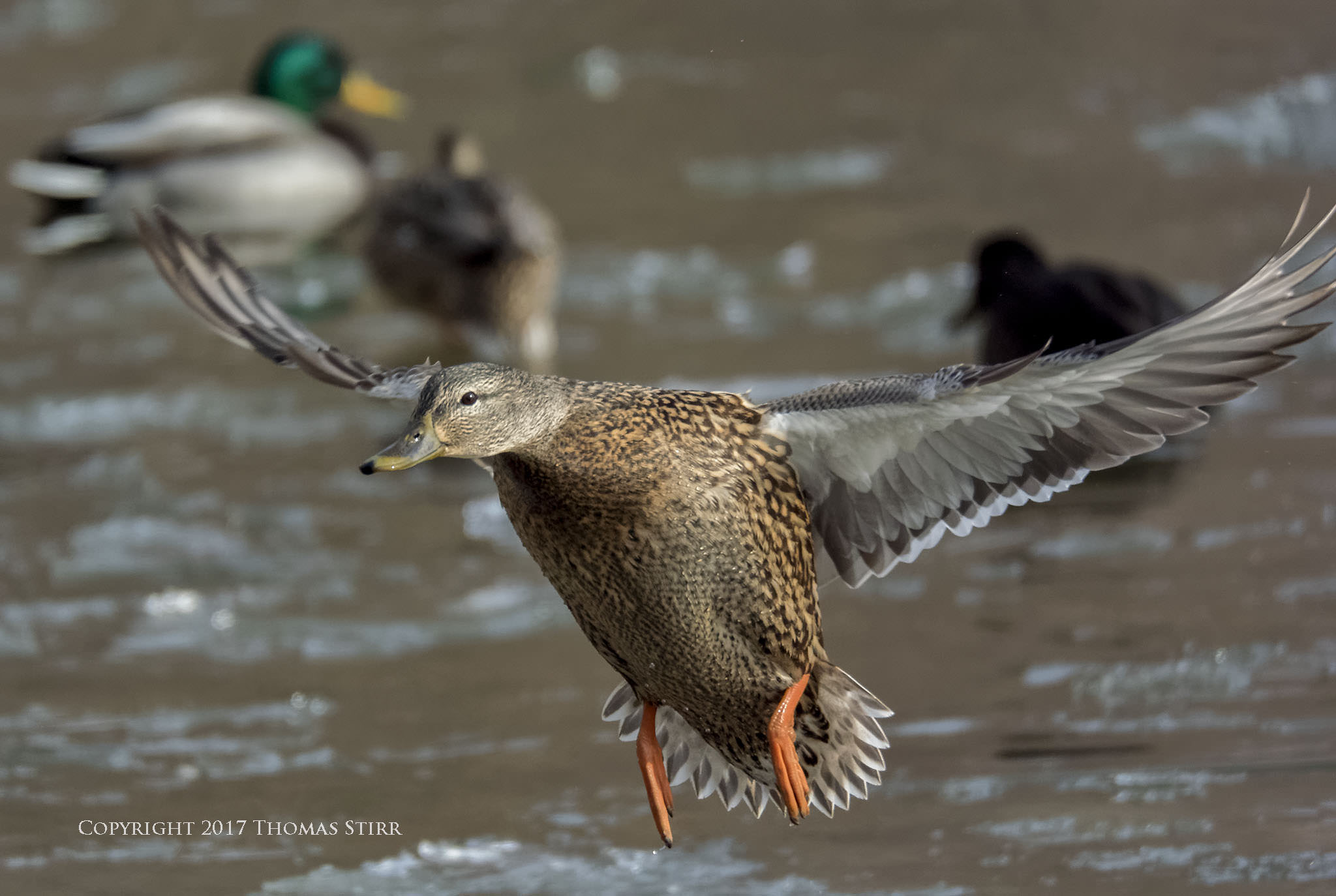
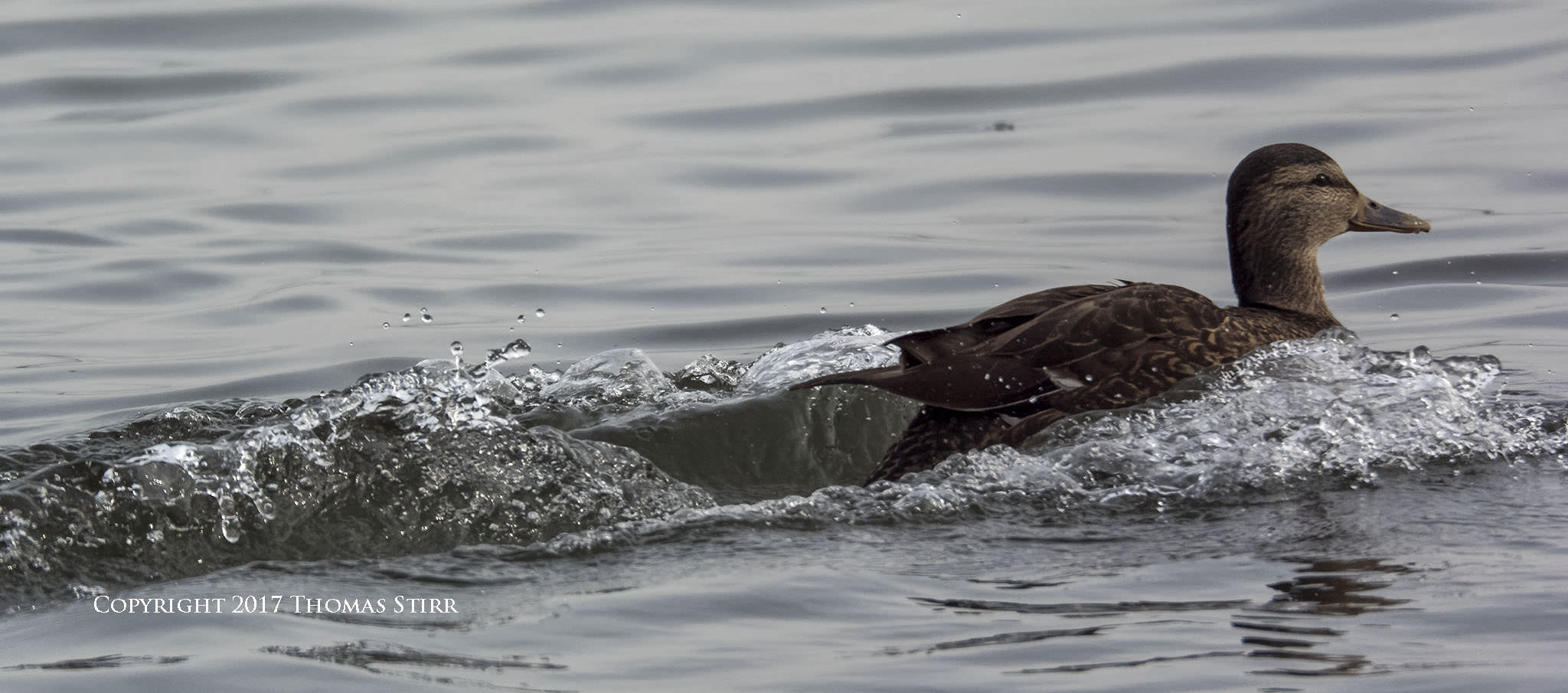
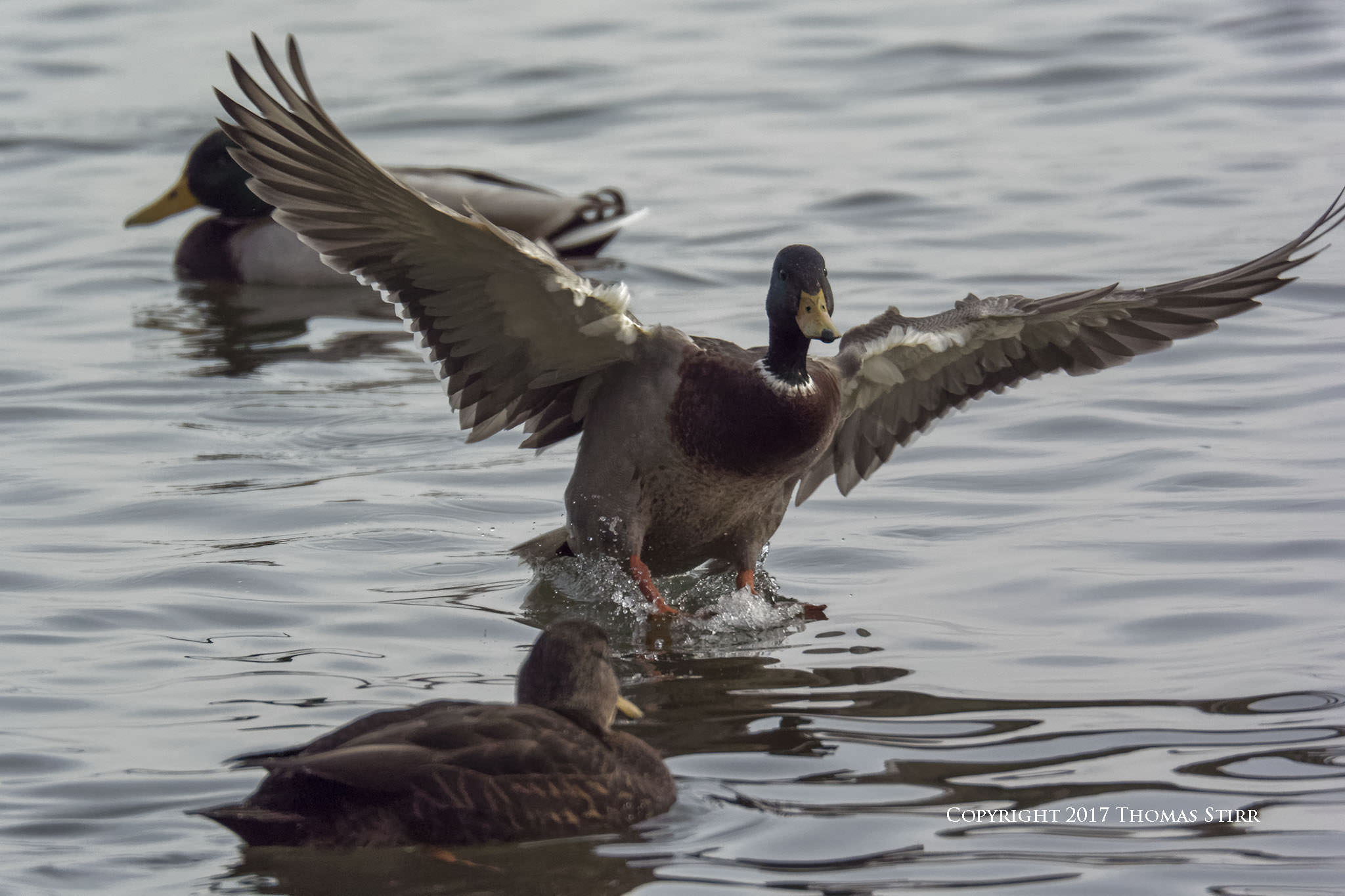
Ducks are even more abundant at LaSalle Park and photographing them landing can be a bit of a challenge as areas close to shore can be densely populated.

winter water birds 3

NIKON 1 V3 + CX 70-300mm f/4.5-5.6 @ 300mm, ISO 1250, 1/2000, f/5.6

While the continuous auto-focus on my Nikon 1 V3 can struggle somewhat in overcast, low contrast lighting it does quite a good job under decent lighting conditions. I’ve not yet had the opportunity to use it to shoot birds-in-flight under bright sunlight conditions.

winter water birds 4

NIKON 1 V3 + CX 70-300mm f/4.5-5.6 @ 100.6mm, ISO 200, 1/2000, f/5.6

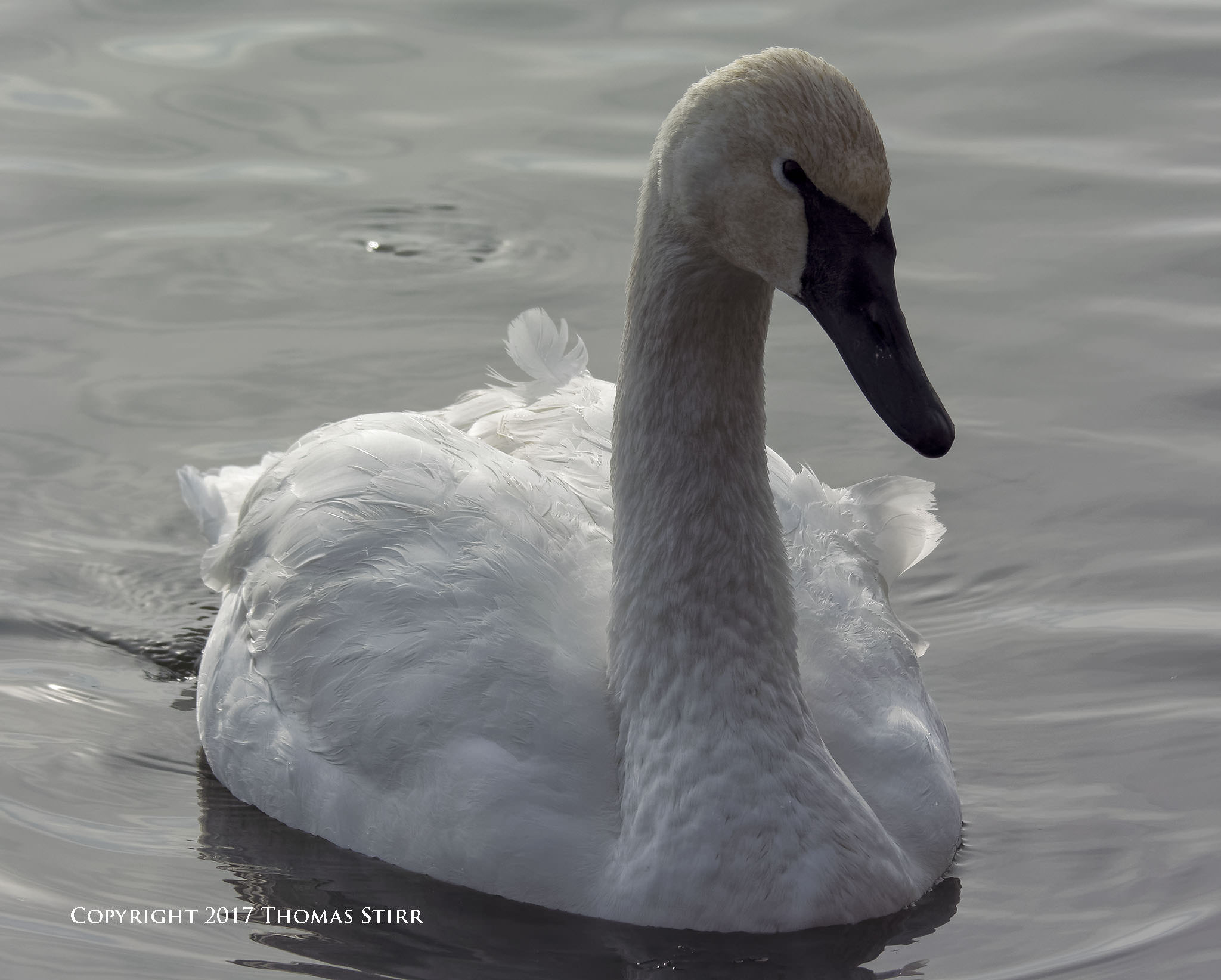
Even though I was focused on capturing birds-in-flight I also specifically looked for more static image opportunities, especially when some lighting caught my eye.

winter water birds 5

NIKON 1 V3 + CX 70-300mm f/4.5-5.6 @ 300mm, ISO 500, 1/2000, f/5.6

I shot quite a bit using AF-C with subject tracking at 20 frames per second. This helped to produce some nice photo runs that allowed me to be more selective with image choice.

winter water birds 6

NIKON 1 V3 + CX 70-300mm f/4.5-5.6 @ 300mm, ISO 1000, 1/2000, f/5.6

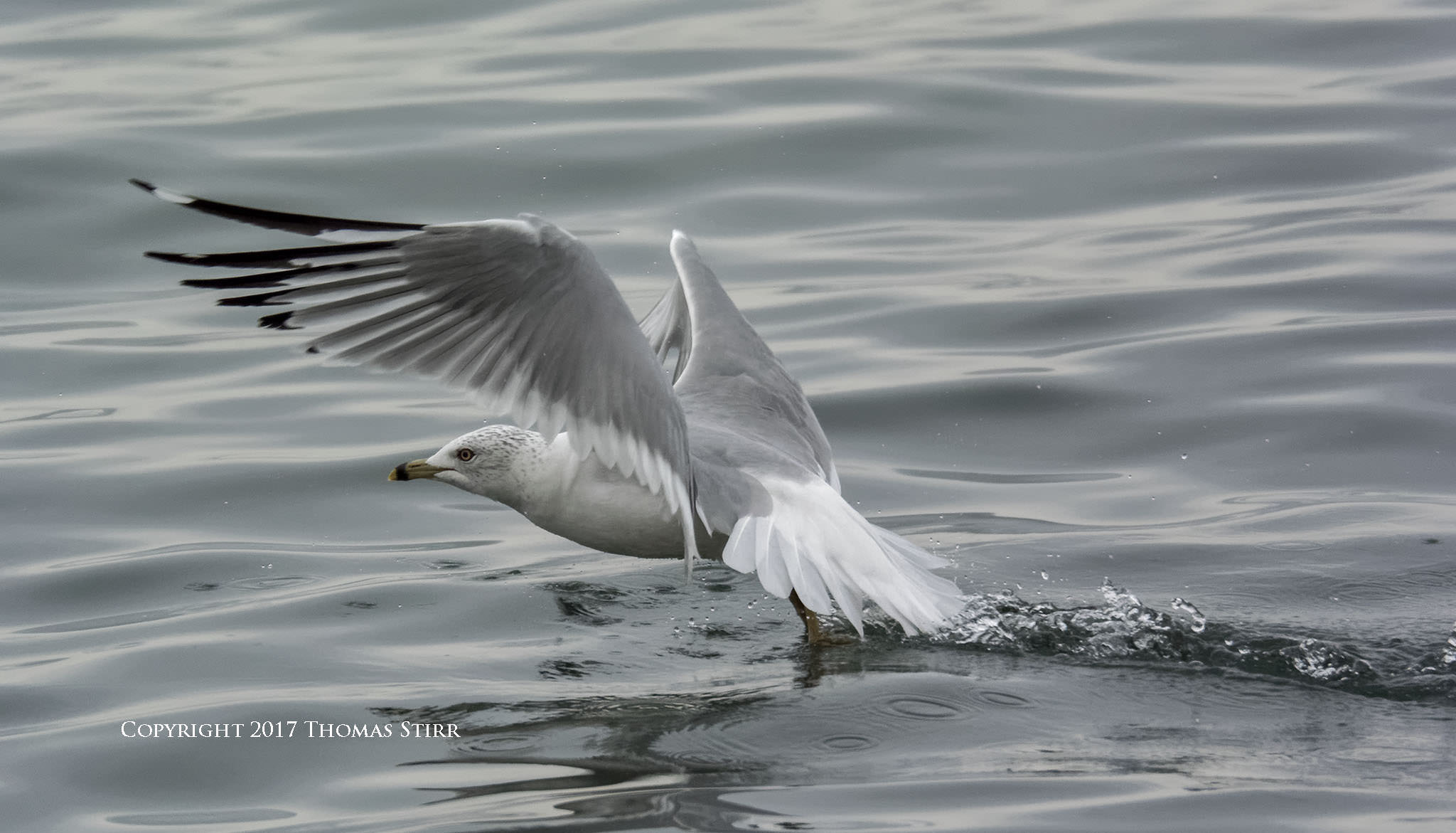
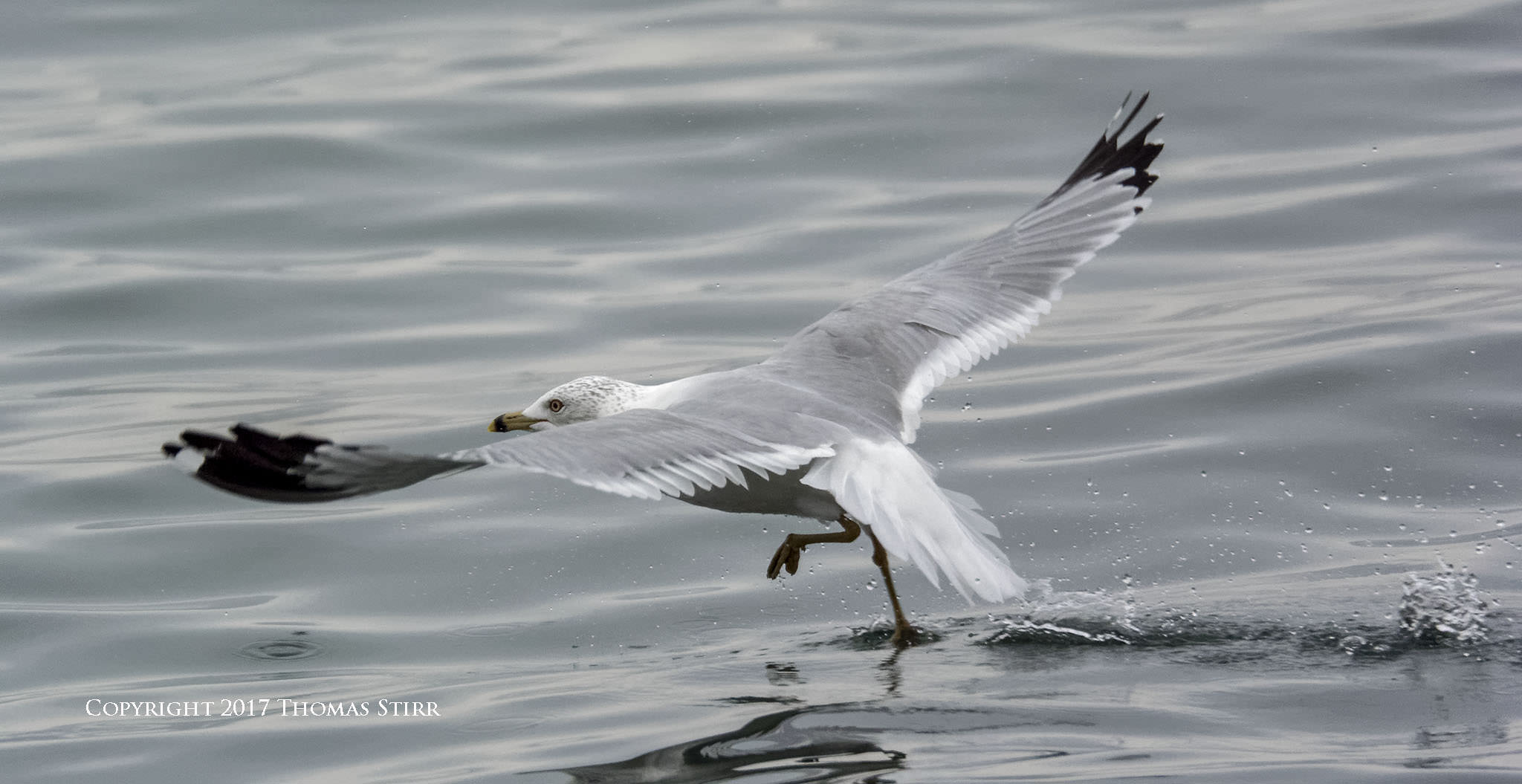
Even common sea gulls provided some interesting image opportunities under the right conditions such as softer looking water and nice, dispersed lighting. (Note: gull images were captured at Grimsby Harbour later on in the afternoon).

winter water birds 7

NIKON 1 V3 + CX 70-300mm f/4.5-5.6 @ 245.7mm, ISO 360, 1/2000, f/5.6

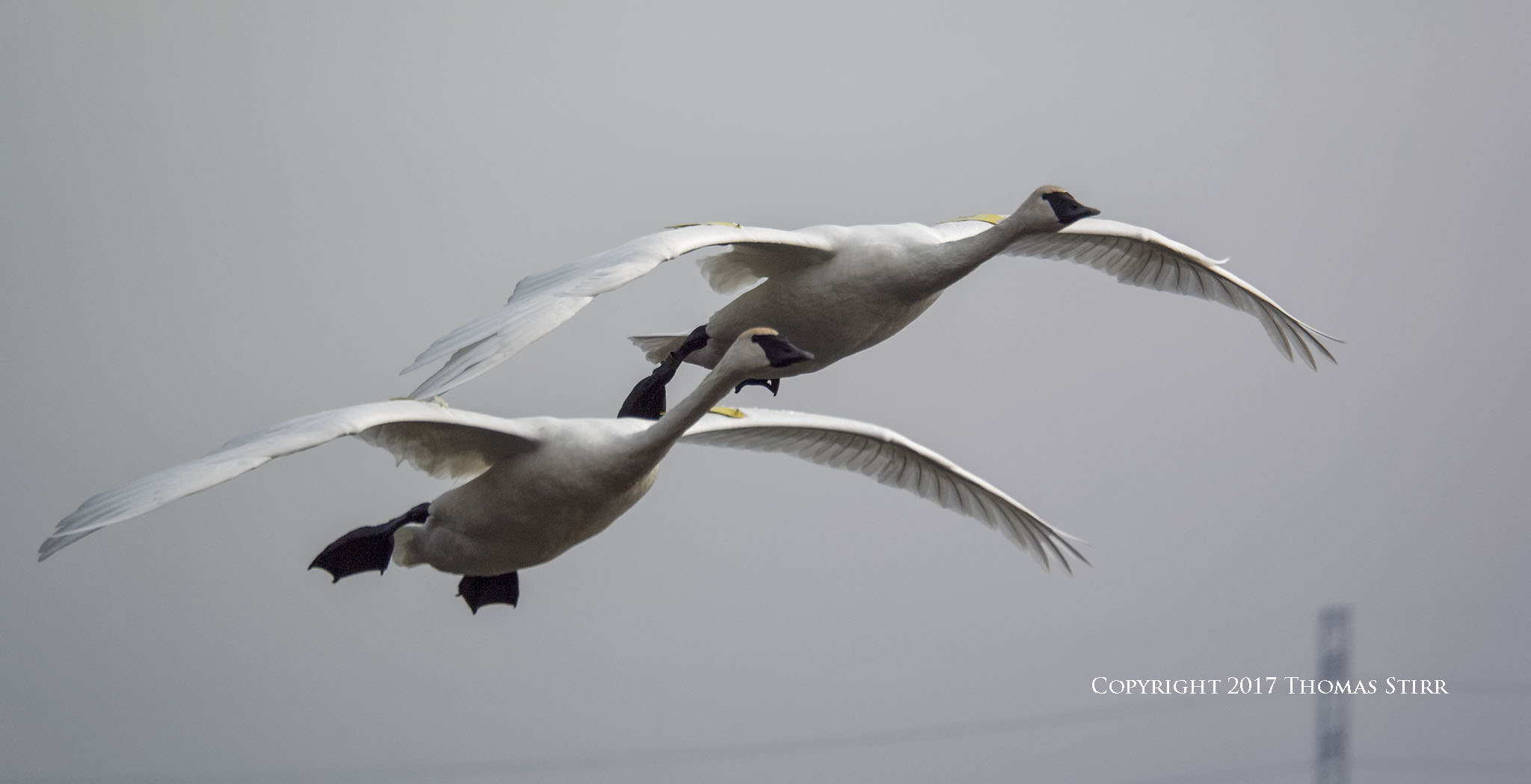
Capturing swans in flight is always a treat and getting two in unison made it even better. Most of the swans at LaSalle Park are tagged so they can be tracked during migrations. I heard today from one of the bird watchers at the park that one of the tagged swans was recently seen in Nova Scotia.

winter water birds 8

NIKON 1 V3 + CX 70-300mm f/4.5-5.6 @ 300mm, ISO 500, 1/2000, f/5.6

The continuous auto-focus with subject tracking on my Nikon 1 V3 did a good job staying on subject even when the birds landed on crowded areas of the bay.

winter water birds 9

NIKON 1 V3 + CX 70-300mm f/4.5-5.6 @ 282.7mm, ISO 400, 1/2000, f/5.6

I captured a few nice AF-C runs of swans landing on the water. I couldn’t help but imagine that the one above was waterskiing behind an invisible boat.

winter water birds 10

NIKON 1 V3 + CX 70-300mm f/4.5-5.6 @ 300mm, ISO 720, 1/2000, f/5.6

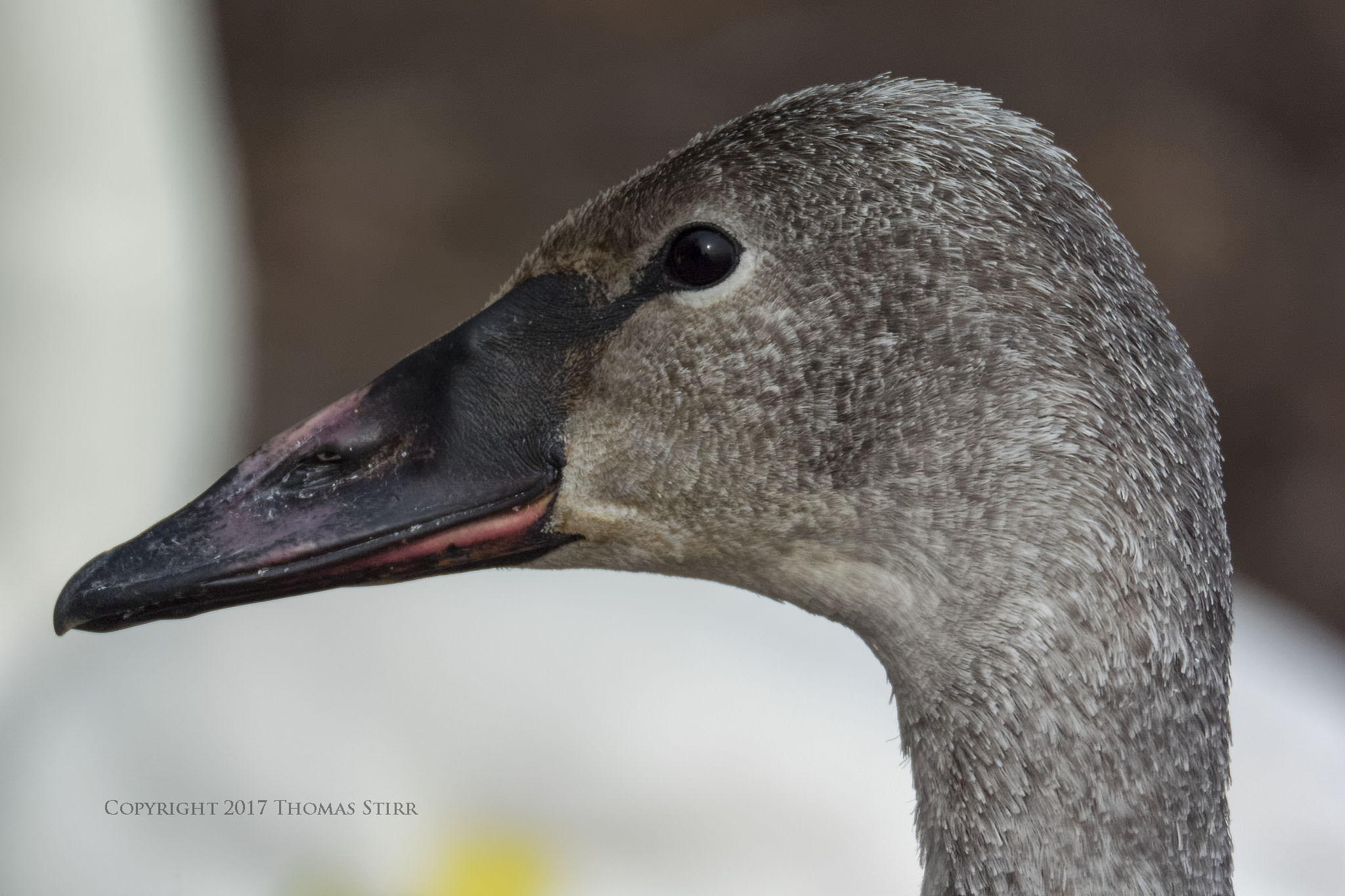
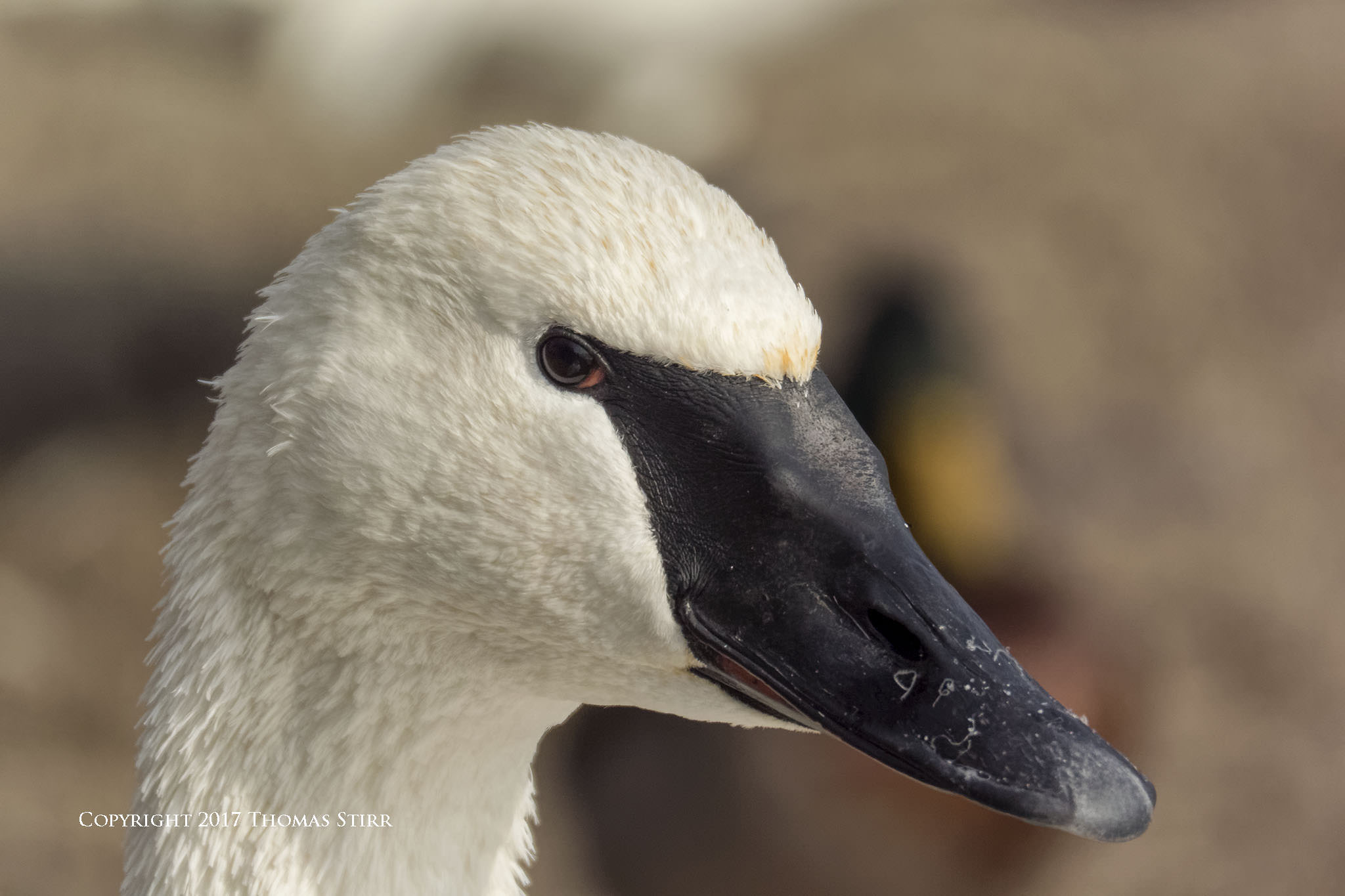
While not captive, many of the birds at LaSalle Park are very used to being around humans and you can get quite close to them. This allows for some nice detail images.

winter water birds 11

NIKON 1 V3 + CX 70-300mm f/4.5-5.6 @ 300mm, ISO 640, 1/2000, f/5.6

Comparing the two images above you can easily see the difference in plumage between an adult and a juvenile bird.

winter water birds 12

NIKON 1 V3 + CX 70-300mm f/4.5-5.6 @ 300mm, ISO 1250, 1/2000, f/5.6

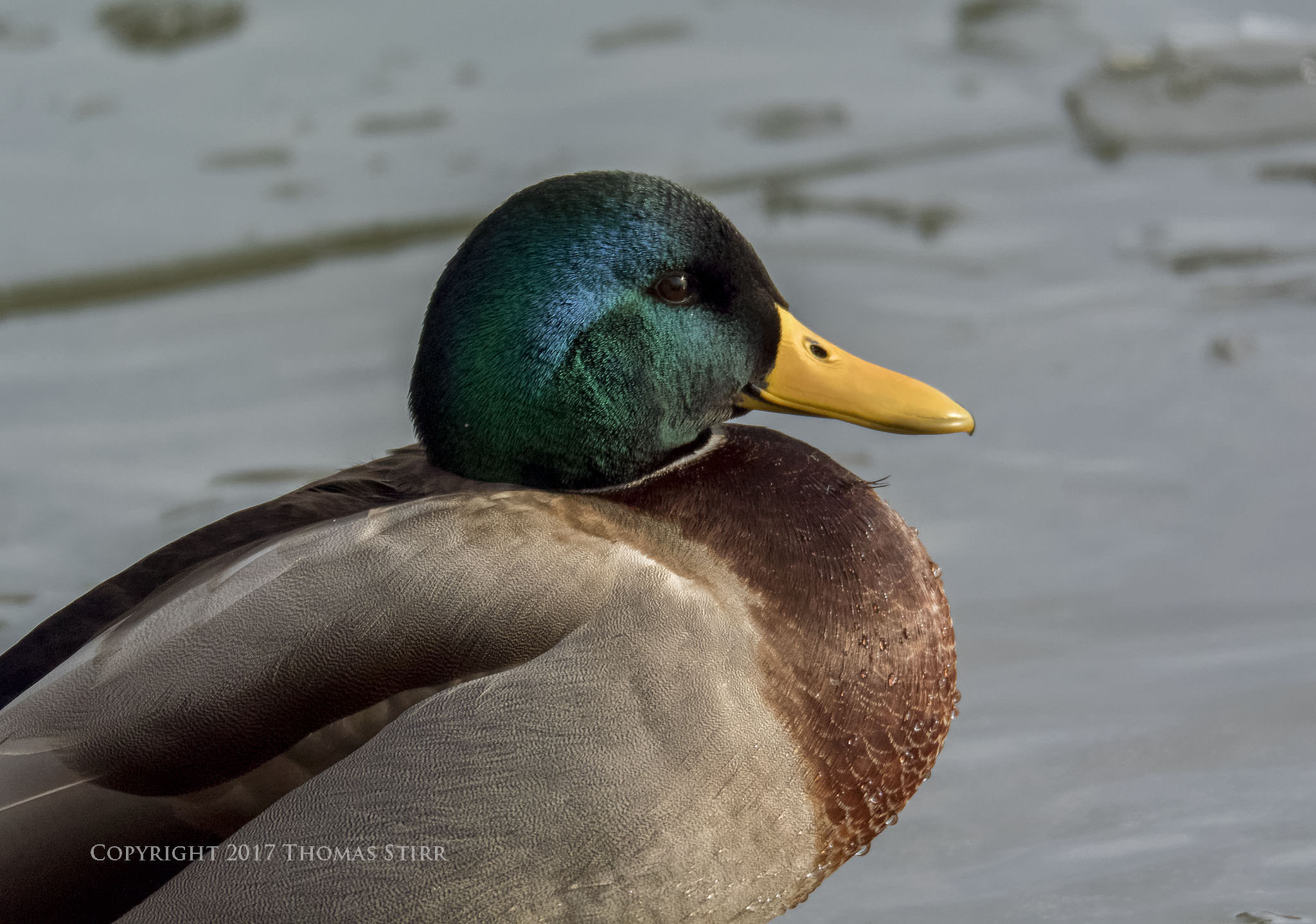
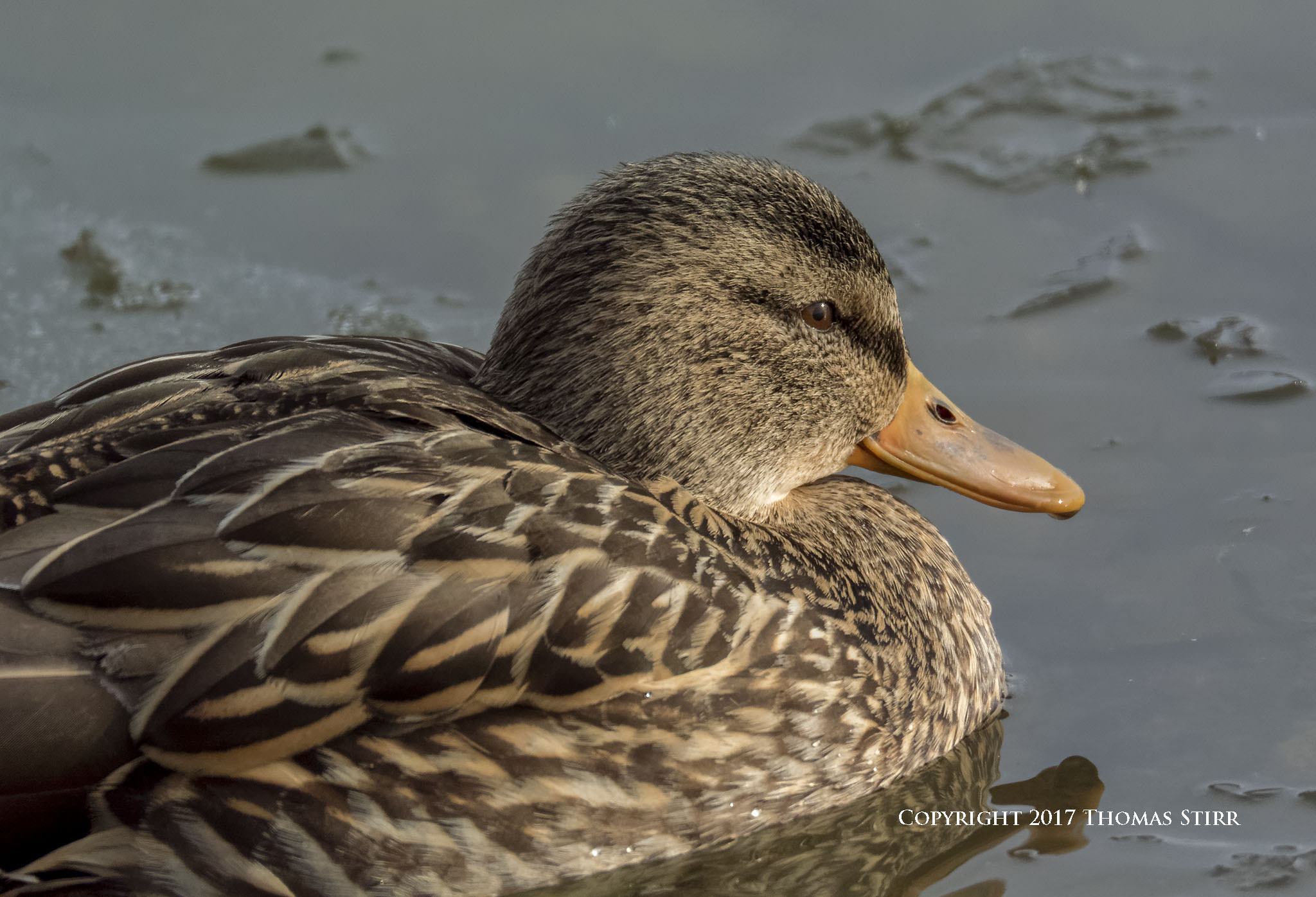
Ducks, of course, are commonplace but they still make excellent subjects to test the image sharpness of your kit.

winter water birds 13

NIKON 1 V3 + CX 70-300mm f/4.5-5.6 @ 300mm, ISO 1100, 1/2000, f/5.6

I not only pay attention to feather detail, but also like to examine the sharpness of a bird’s beak and eye in an image.

winter water birds 14

NIKON 1 V3 + CX 70-300mm f/4.5-5.6 @ 300mm, ISO 1600, 1/1600, f/5.6

I do my best to resist the temptation to press the shutter on my camera too early when photographing birds-in-flight. I’d rather miss a shot than end up with a subject that is very small in a series of frames and waste shutter actuations on images I have no hope of ever using.

winter water birds 15

NIKON 1 V3 + CX 70-300mm f/4.5-5.6 @ 300mm, ISO 1100, 1/2000, f/5.6

I often shoot birds-in-flight using Manual settings with my V2s, but since I’m not yet familiar with my V3 I chose to shoot using Shutter priority and letting my ISO float. Overall, I was pleased with the results of my short three hour outing this morning.

All of the images in this article were produced from RAW files using my standard process of DxO OpticsPro 11, CS6 and Nik Suite.

Article and all images are Copyright 2017 Thomas Stirr. All rights reserved. No use, adaptation or duplication of any kind including electronic is allowed without written consent. Photography Life is the only approved user of this article. If you see this article, or any portions of it, or images reproduced anywhere else it is an unauthorized and illegal use.

The post Photographing Water Birds in Winter appeared first on Photography Life.

Photography Life

Posted in Photograpy How To | Tagged , , , | Leave a comment

Reflecting on “A Photographer’s Life”: A Conversation with Jack Dykinga

From the first page of his self-penned career retrospective “A Photographer’s Life”, Jack Dykinga makes one thing abundantly clear — he is grateful.  After receiving a life-saving double lung transplant in 2014, the photographer had countless hours in recovery to reflect on his remarkable life — his luck, his passion, his ambition, and the series of unique circumstances and relationships that carried him to the present moment.  In an effort to say “Thank You”, Dykinga began writing, reflecting on his lifelong journey from Pulitzer Prize winning photojournalist to celebrated landscape and conservation photographer through anecdotes and impactful images, detailing the many mentors, peers, supporters, and friends who coaxed, inspired, and helped him along the way.  In 216 beautiful, image-packed pages, “A Photographer’s Life” offers a glimpse into the thoughts and philosophy of a self-motivated, masterful creative.  Whether expressing the challenges of making a living as a freelancer, or describing the unparalleled potential of photography for nature conservation, Jack Dykinga writes with self-deprecating honesty and a sense of amusement at the complicated, rambling path of his life’s work.  

Snow geese taking off at Bosque del Apache National Wildlife Refuge, New Mexico, into sunrise, with a setting moon over the Chupadera Mountains in the background. Snow geese and sand hill cranes yet to leave remain on the ice covered pond in crimson dawn light. © Jack Dykinga

Ahead of the book’s January 2017 release from Rocky Nook, the still-active photographer and workshop instructor spoke with me from his home in Tucson, AZ as he prepared for a month teaching in Death Valley with Visionary Wild.

Tell me a bit about why you’ve assembled this book and what it means to you to create a career retrospective.

The reason I did it is that I have a had a unique run at this business.  I’ve made a journey from straight photojournalism to landscape, and not many people have done that.  So that makes the book sort of unique.  In any kind of career you get typecast as a certain type of photographer or a certain type of artist and that’s it.  It’s really founded on my near death experience and the subsequent sense of gratitude I felt for the healthcare professionals which I extended to my whole life.  There’s been a number of people that made me who I am.  So in a lot of ways, the whole book is sort of a big thank you to a lot of people.

A collection of Jack Dykinga’s Press Passes from his years in Photojournalism.

You say in the book that your photography is the product of many people’s influences.  Are you referencing mentors and teachers or peers?

Both.  Not only that but the environment and the situation.  The photojournalism was influenced in large part by the turbulent times of the 60’s, 70’s and 80’s.  Covering the news I that did was anything from marching with Martin Luther King to being shot at at a Cabrini-Green housing project.  It’s all part of the life lesson that was imparted to me.  A series of peers and editors really shaped my skillset.

Jack Dykinga became the first Sun-Times photographer to win the Pulitzer Prize, honored for a series of photographs taken in April and July 1970 at the state schools for the mentally retarded in downstate Dixon and Lincoln.After the photographs were published, state officials curtailed plans to reduce funding to the Department of Mental Health. © Chicago Sun Times

© Chicago Sun-Times

Do other photographers continue to change the way you think in this stage of your career or are you pretty set in your ways at this point?

Well actually, just the opposite.  I’m probably more loose in my ways than I’ve ever been.  That’s largely because of the onset of digital.  Here I am, a guy who’s gonna be 74 in a couple days and I’m teaching workshops on how to do Lightroom and Photoshop.  I think the wonderful thing about photography as a genre is that you can push the limits.  I’ve been very fortunate, as I mention in the book, I do a lot of workshops with John Shaw, and he’s written several books on Lightroom and Photoshop.  Together we sort of hack out issues and find new ways to use some of the new tools that are available.  It’s a constant learning thing.  One of the things I talk about in the book is that a large part of what makes a good photographer is curiosity and never resting…  


I was at Photography at the Summit in Jackson Hole with a bunch of [National] Geographic Photographers.  I was sitting at a table with Rich Clarkson and Robert Pledge, the head of Contact in Paris, and some young photographer came over and said “Well, how’s it feel finally to have arrived?”  All of us looked at eachother — it was the craziest thing we’d ever heard because you’re always learning.  You’re always pushing.  You never “arrive” — you’re just always on the journey.

What influences do you hope to have on the work of future photographers?

I don’t think that way.  In photography and any art form, you can teach a skill set, and I guess the lesson in the book really is more about being grateful, and being open for change, and being aware when these different muses dance into your life.  There are many times in any life where you can seize an opportunity and go with it, or you can stay with the conservative approach and play it safe.  I’ve never been able to do that.  I’ve always grabbed for the brass ring.  If there is a lesson, that would be it.

What has travel meant to your development as a photographer?

It tires me out.  Some people wear travel as a badge as this thing to aspire to.  The older you get, the more you want to limit that.  Life becomes more involved with qualitative instead of quantitative.  While I’ve travelled all over the planet, I think increasingly the travel I do is in areas where I can go back and get a greater knowledge of the place.  Places like Chile (Torres del Paine) and I’ve been to Namibia a couple times.  It’s great to have that frame of reference to know a place over time.  It’s almost impudent and adolescent to think you can go somewhere and walk away with the soul of the place from a quick trip.  To me it’s more important to establish a rapport and a relationship — that usually requires doing things over time.  It requires multiple trips to places for them to become your favorites.

Yosemite National Park, CAL/Bridalveil Falls pours into Yosemite Valley’s coniferous forest under shroud of fog. California 1987 © Jack Dykinga

When you revisit favorite landscapes, do you always know what you’re looking for or does the landscape still surprise you?

I go in with the attitude of a hit list.  I know the narrative and I know where the gaping holes are in the story and I try to go fill it.  That is definitely your game plan and you go into an assignment that way.  But, it frequently and almost never works out the way you want it to.  That’s the joy of it!  It’s like Christmas every day.  Everything’s a surprise.  So the serendipity and how you respond to it is what really determines your success.

If you were to visit a place and know that you would never set foot there again do you approach it differently?  Does your photojournalism background take over?  What are you looking for?  What are you thinking while you make your shot?

For me, it’s muscle memory at this point in my life.  I’m a tried and true pro and I know exactly what buttons to push and what I need to do to capture the story, but it still boils down to your impression, your curiosity, what it is that piques your interest.  That varies from photographer to photographer.  From that, you apply your set of skills and your style artistically — so you’re doing both journalism and art at the same time.  That’s the most successful type of photography.


Over time you’ll see that the land has a personality and a change going on, however subtle, whether attached to climate change or some environmental calamity that I’m trying to record, so that’s still photojournalism.  It may not have any people in it, and maybe there shouldn’t be any people in it.  There are some stories that do need people in it — I’ve done both.  The point is, coming from Chicago as I did, the tendency is to be anthropocentric — that it has to be human centered to have any relevance.  When I was a photographer in Chicago we used to use a derisive term for Landscape Photography as “Placemat” photography — the ultimate put down, and that’s because there’s no people in the shot.  Finally, as you become more and more of a naturalist, you understand that there’s a lot of stuff going on in spite of the fact that there’s no people.  You’re telling a different kind of story that’s not human centered.

Do you have a favorite type of landscape or climate to photograph?

I live in Tucson.  I live in the Sonoran Desert.  The desert with its stark empty spaces and things spaced out because of water availability has sort of a monumental look to it.  It’s what drives photographers to come here, or Santa Fe — places where there’s a big sky and plant life that’s scattered with appropriate distances.  In terms of graphics and design, it’s very clean and very, in a way, elegant.  I’m drawn to that.  There are no favorite places for me.  It’s just usually where I’m at.  Next month I’ll be in death valley for two weeks, then I’ll be going off to some of these new national monuments that Obama just made.  That’s part of the game, as journalists you learn to make self-assignments.  You learn to read the newspaper and apply that to your vision.


I am one of the founders of the International League of Conservation Photographers, which is a group of celebrated photographers who threw their talents into environmental causes to affect change.  One of the things you realize is that images have power and you can affect change.  Of course you learn that when you win a Pulitzer Prize because that’s what it’s about — the images affected change.  When you see that as a young photographer, you realize the power you’ve got, then you turn around and apply that to any cause you want.  There is a certain amount of arrogance because you know that you’ve got a certain skill set that could pull it off.

Arizona State Trust land near Redrock, AZ with summer monsoon storm, flashed of lightning and a partial rainbow ober the saguaro cacti in the Sonoran Desert Arizona.
© Jack Dykinga

You’ve said in a previous interview that impatience is photography’s biggest weakness in the digital era.  How would you advise young photographers to combat the impulse to rush?

It’s a complicated issue.  Breathe, I guess.  I talked about getting a relationship with a place.  You could liken it to a man and a woman.  You can go through a relationship very quickly and make it a one night stand or you can have a long delightful interlude where you really know each other.  The ability of a digital camera is a computer that can go very very fast.  It goes fast as you want to go.  But frequently, it’s the going slow and realizing what’s there.  Turn over every rock and really study things — during different lighting conditions, during different weather conditions.  You can’t always do that if you’re a travel photographer.  Sometimes you’ve got to maximize a ton of it, but you really get focused with good planning.  Doing the [National] Geographic job on Native American Landscapes, I picked a time when I knew there would be summer pre-tornado clouds over the great plains.  I planned my trip to get that image.  I planned another trip to get fall color up in Minnesota.  That’s travel photography, but it’s the planning that really made the difference.  Then it becomes two weeks of waiting for the weather to change.  Sometimes you don’t always have that, but with  [National] Geographic you do.

With such a deluge of photographic instruction, webinars, manuals, etc out there it can be hard to navigate through the noise to find good artistic leadership and inspiration.  Where would you recommend a young or aspiring photographer begin now that assistantships are harder to come by?

I sympathize because I don’t think it’s ever been harder.  I see it a lot with photographers who are 30 something and really talented.  It used to be that you could make a decent living as a stock photographer and you could have a group of friends that you traveled with.  Now, frankly, I don’t see anybody on the road like we used to.  The stock business has been eroded by dentists and lawyers and doctors with cameras that are selling one picture a year, but collectively, they’re destroying the stock business.  They’re giving it away.  That’s what young photographers are up against.  That doesn’t mean you can’t succeed.  I always think that somebody who has a great vision is going to make it no matter what.  Sometimes, if you get somebody who’s really talented, they become an assistant on a future workshop and they can go from there. But there’s a really finite, limited number of people that make it nowadays.


For me, the miracle of working for a newspaper and in print media is that you’re producing a book every single day.  You’re taking images, you’re putting them on paper, and you’re taking that whole process and doing it on a deadline — I call it ‘dancing on demand’ because that’s what you’re doing.  You have to meet deadlines.  Talk about the ultimate travel photographer — well that’s what you are.  You’re breezing into a situation, you’re assessing the situation, you’re telling a story with your photographs, and you’re leaving.  And you’re doing this with maybe three or four assignments a day.  Some of it can be really superficial and some of it can be really profound — the discipline you learn by doing that and working with a group of peers, which in Chicago in the 70’s and 80’s was as fine a group of photographers as there was.  They’ve gone on to be Directors of Photography at various magazines, publications… The model that I used to make a living is no longer applicable.  As get into [digital media] more and more, I’m trying to do more Fine Art.  Maybe some of it’s not so fine, but it’s like you’re shooting really good photographs every single day as a professional and maybe one a month rises to the next level and you consider making a fine art print from it.  As your reputation goes up, you can charge more for a print and it becomes a viable financial model.

The whole idea is to get a group of peers that you can learn from and pull yourself up by your bootstraps.

Is there anything else that you would like to impart on our readers or the future generations of photography?

The thing that I see a lot is that there’s a lot of arrogance of what you think you know.  I’m guilty of this myself.  That’s the beauty of being old — you’ve done it all.  With digital, as things get more and more technical, two things can happen.  You can get some really bad habits and you can try to save everything in post processing.  There’s a real loss in the basic fundamentals of getting it right in the capture as you’re out on assignment.  Digital becomes a crutch.  You think ‘I can do this thing — I can zip up the color and do all kinds of edits later on.’  You create a Frankenstein.  On one hand, you’re doing that and have an over dependence on digital.  The other thing is a lot of people have the incorrect way of processing digital.  That’s something where a workshop or internship is really important.  To get that fundamental knowledge of what it takes to maintain a photo library — especially as a freelancer.

Cypress dome swamp with water surface covered with water-spangles and duckweed, with swirling patterns formed during long exposure in foreground. Morning light. Big Cypress Seminole Indian Reservation. © Jack Dykinga

What comes next?  What will the 2nd edition of this book include five or ten years from now?

Ten years from now I’ll be fertilizer, kid.  I don’t think that far in advance.  I’ve got stuff planned into 2018 that’s gonna keep me busy.  Having Trump as President is going to bring about all kinds of interesting things, but I’m at the twilight of my career.  That’s one of the reasons I wanted to do the book.  To talk about the journey.  I think when you’re young, you just want everything right away — even when you’re old you want some things right away — but sometimes it’s amazing how things kinda come to you.  Almost the harder you push the less you get.  Patience is a thing to learn.


“A Photographer’s Life – A Journey from Pulitzer Prize-Winning Photojournalist to Celebrated Nature Photographer” (ISBN: 9781681980720) is available in Hardcover and EBook format from Rocky Nook.  All images and page excerpts published here are provided by Jack Dykinga and printed with his and Rocky Nook’s permission.  

Resource Magazine

Posted in Photograpy How To | Tagged , , , , , , | Leave a comment

Fuji GFX 50S Medium Format is $6500!

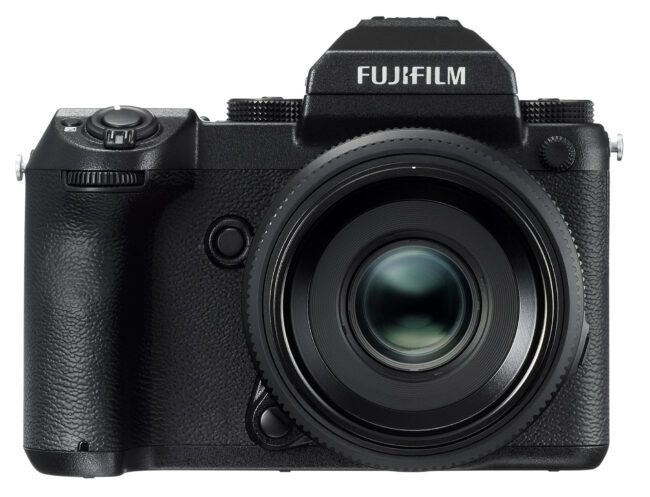
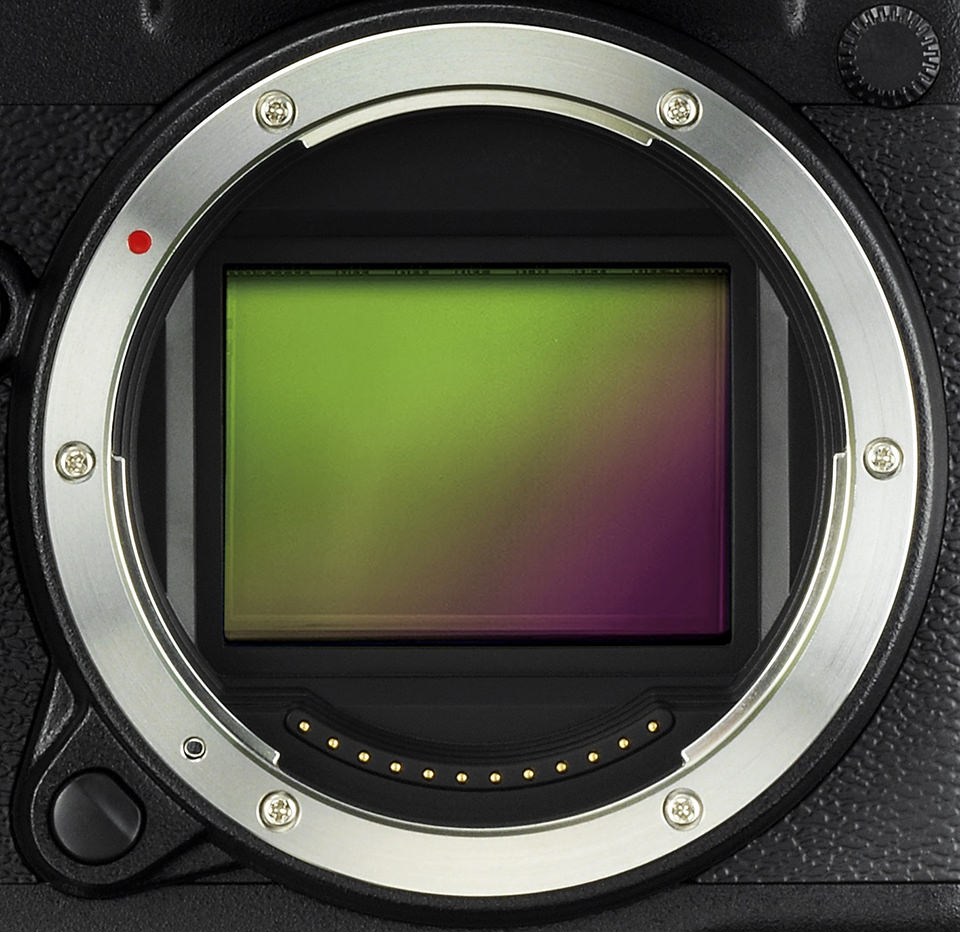
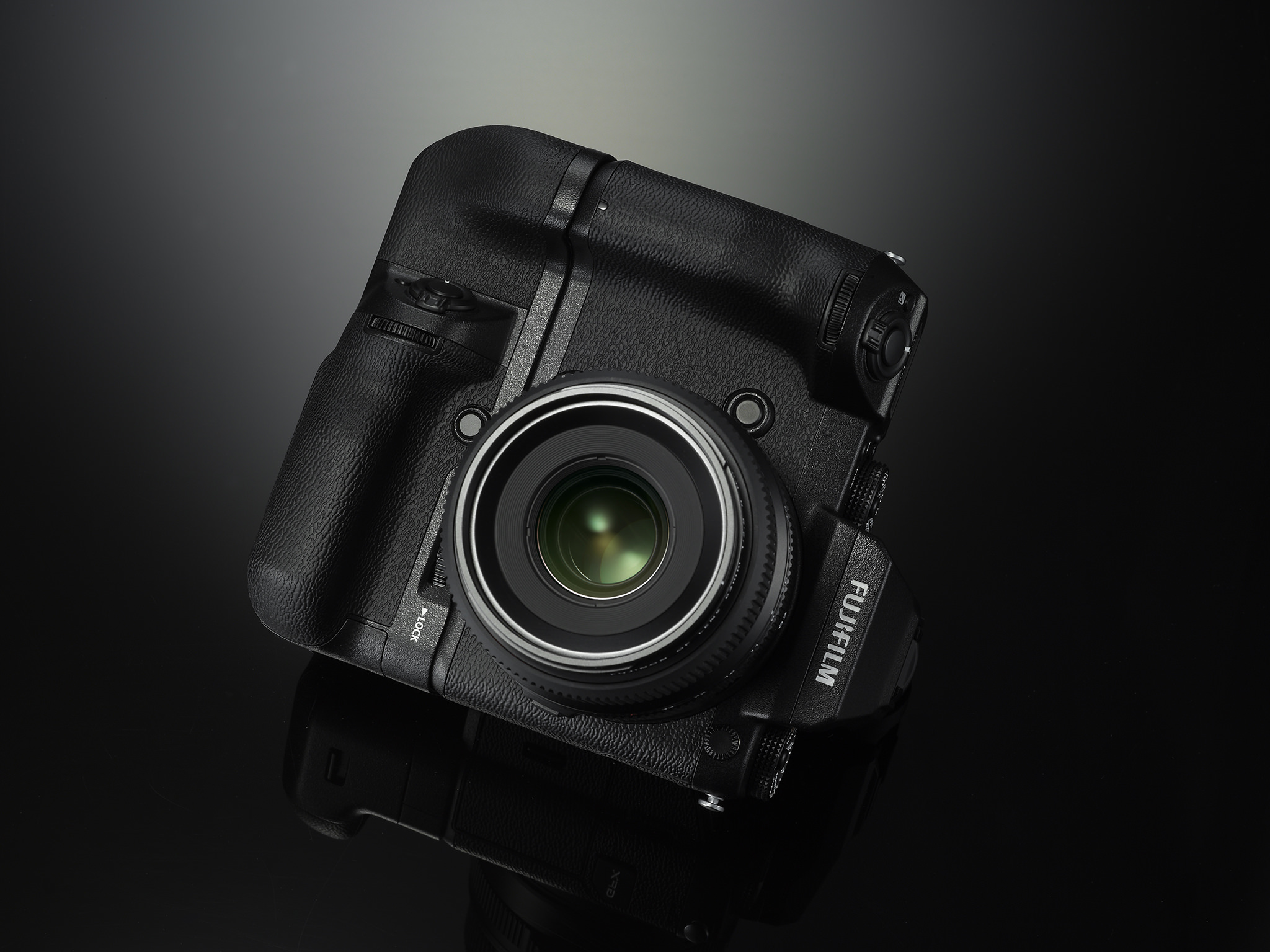
Back in September of last year, Fuji teased us with an announcement of the Fujifilm GFX 50S medium format mirrorless camera. While we got a taste of what the camera would look like, Fuji did not reveal the full specifications of the camera, along with the price. All we knew back then was that the camera was supposed to be under $ 10K with a lens, which was already good news, as the competing Hasselblad X1D-50c was announced with a price tag of $ 9K for just the camera body. Today, Fuji finally revealed the price of the GFX 50S and it is $ 2,500 cheaper compared to the Hasslelblad! Considering the price of the X1D-50c, along with the much larger, bulkier and heavier Pentax 645Z that still retails for $ 7K, the price of the Fuji GFX 50S is shockingly low. And based on the final specifications, the GFX 50S is going to be a beast of a camera for landscape, architecture, studio and product photography.

GFX_Front_63mm _EVF

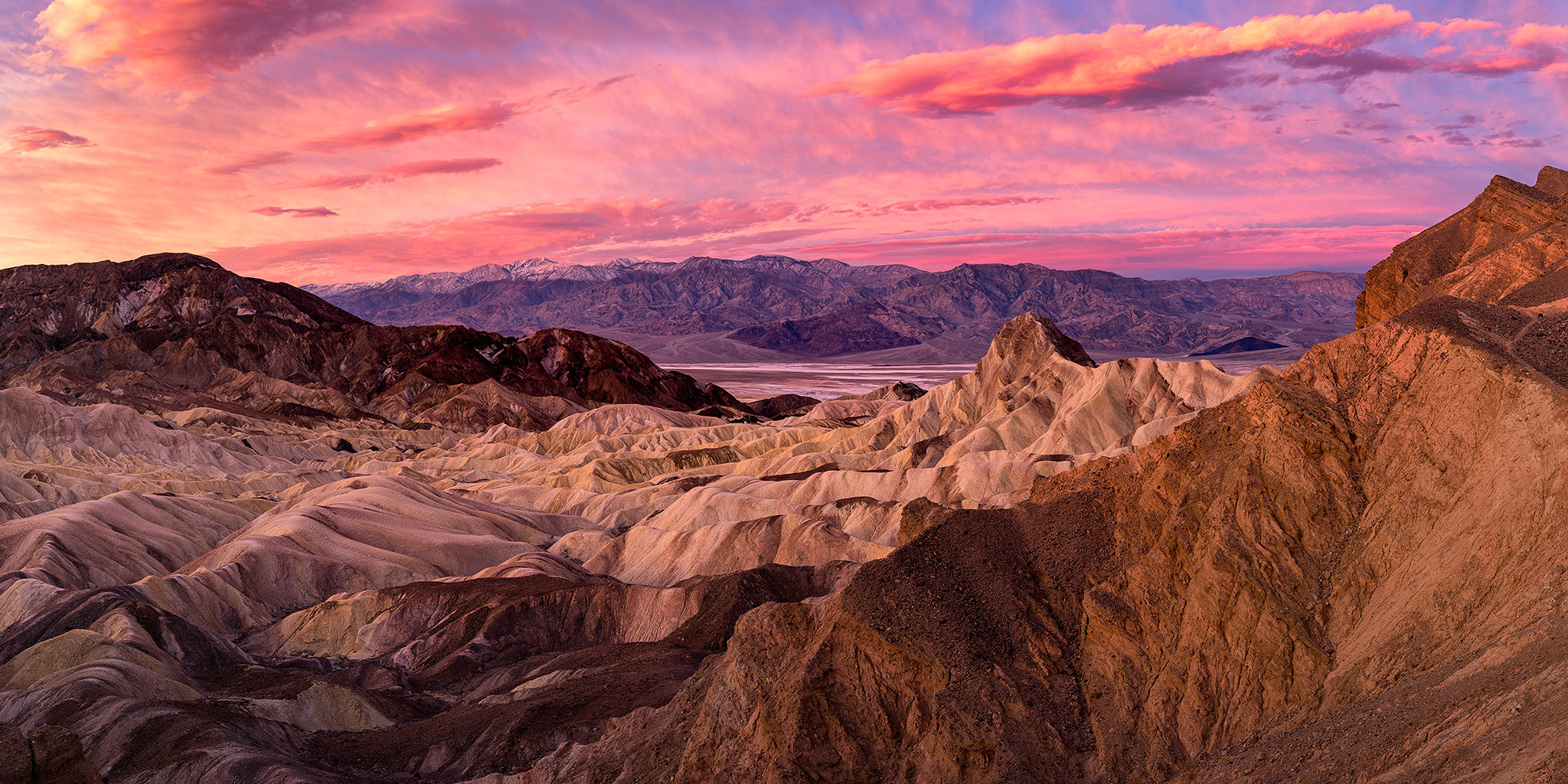
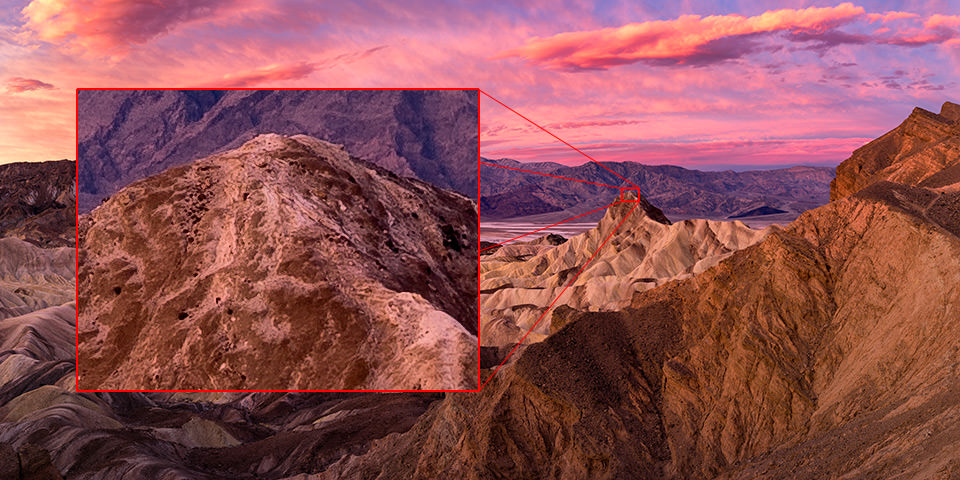
I have been personally waiting for this price announcement, since the GFX 50 is a camera I am seriously interested in to move up to from my Nikon D810. After testing out and reviewing the Pentax 645Z last year (see my detailed Pentax 645Z review), I saw a pretty noticeable gain in overall image quality when compared to a full-frame camera. And when I tried to stitch a vertical panorama, I was amazed to see so much detail in a single image. Here is one of the panoramas I was able to produce with the Pentax 645Z:

Zabriskie Point Panorama 400 MP

Zabriskie Point Panorama
This is the largest panorama I have produced to date. At 400 MP, this image has so much detail that it could be easily made into a wall-size print at fairly good DPI. I would not have been able to produce this much detail in a single shot even with the highest resolution digital camera today.

And just to give you an idea of the detail level I got in this image, take a look at the below 100% crop, taken from the Manly Beacon part of the image:

Zabriskie Point Panorama Details

Such high resolution images with a lot of detail are important in order to produce high quality, large-size prints. This may not be a big deal for most photographers out there, as they rarely print or sell their work, but for me, that’s becoming more and more important as I am starting to license and sell my work. Although I have managed to make pretty detailed panoramas with my D810, I often have to resort to multi-row shooting to get the maximum amount of detail, which can be quite time-consuming and can present challenges when working with fast-moving clouds or changing light conditions. With a higher resolution camera, one can shoot less frames and still hit the same target resolution. Plus, I found out that the 4:3 aspect ratio actually works better for vertical panoramas than the traditional 3:2, since it is taller, which again translates to less total shots needed.

At $ 6,500, the Fuji GFX 50S is going to be the most value-driven medium format camera on the market. At just 740 grams, the camera is twice lighter than the Pentax 645Z and it is even lighter than my Nikon D810, which weighs over 100 grams more! Size-wise, it is also no bigger than the D810 – with its dimensions of 148 x 94 x 91 mm, it is only slightly taller and longer, but definitely noticeably thinner in comparison (the D810 measures 146 x 123 x 81.5 mm). Now that’s a huge deal, as it means that I would be moving up in sensor size without adding any extra weight or bulk. The cost of the camera is obviously significant (especially now that the D810 has gone down in price by $ 500 since it was announced), but that’s a given, considering that it is medium format after-all.

GFX_Front_EVF2

The Fuji GFX 50S will be a fully weather-sealed camera too, so there are no concerns with working in harsh conditions. There will be two SD memory card slots compatible with the newest UHS-II media, which will make the GFX 50S a reliable tool for professional photography, since it will be possible to use one slot for primary storage and the second slot as a backup (an option for overflow will also be available via camera menu). When it comes to autofocus, I don’t expect the first generation medium format camera to be as robust as current DSLR and mirrorless cameras. Fuji is shipping a 117-point contrast-detect AF system with the GFX 50S, so focusing on any particular area of the frame should not be a problem. However, based on the contrast-detect only AF system, we know that the camera won’t be an AF speed monster. Given that Fuji is so committed with continuous firmware tweaks, I am sure the company will make AF more capable and reliable in the future. In fact, Fuji is one of the few camera manufacturers that actually goes back to add more features via firmware updates, so I know that’s one area I won’t have to worry about…

Another important feature is a 3.2″ dual-tilt touchscreen. While I personally don’t care for the touchscreen, it could be actually an interesting feature to use for instant focusing. But the more exciting part is the tilting LCD – that’s one feature I really wish I had on my Nikon D810! Just because of the tilting capability, I often prefer to shoot with my Nikon D750, since shooting at odd angles is so much easier, especially when hand-holding the camera.

GFX_Image13

If you have any legacy medium format lenses, especially Fujinon HC lenses, you will be able to adapt any of them for the Fuji GFX 50S. I don’t own any medium format lenses, but for those who do, it is another important advantage, as you don’t need to worry about putting a large investment towards the new Fuji G mount lenses. Speaking of which, Fuji is launching a total of 3 lenses now, which include the Fujinon GF 63mm f/2.8 R WR (50mm full-frame equivalent), the Fujinon GF 32-64mm f/4 R LM WR (25-51mm full-frame equivalent) and the Fujinon GF 120mm f/4 R LM OIS WR Macro (95mm full-frame equivalent). Note that every lens is weather sealed at launch, which means that Fuji is really targeting this system for landscape photographers! Three more lenses are supposed to follow later this year in the shape of 23mm f/4 (18mm full-frame equivalent), 45mm f/2.8 (35mm full-frame equivalent) and 110mm f/2 (87mm full-frame equivalent). That’s a commitment of a total of 6 lenses in the same year.

Personally, I will most likely be starting with a single lens setup – the 32-64mm f/4 WR. 24-70mm is my favorite zoom range on a full-frame lens and this one is close enough at 25-51mm. The 63mm f/2.8 WR would be a great lens for portraits, but it overlaps with the 32-64mm and its one stop advantage is not something that particularly interests me. And given that macro lenses perform best at close distances vs infinity, I don’t see much value with the 120mm f/4 WR either for landscape photography, at least at the moment. Once the other three lenses are out, I will most likely invest in them, especially if they are optically excellent (which I am sure they will be, given the track record of Fuji). Whether I decide to buy lenses or not, I will be testing every lens for the Fuji GFX 50S though for review purposes, since other readers might be interested. At $ 8,800 with the 32-64mm lens, that’s a pretty big bargain compared to what I would have to spend on the Hasselblad X1D-50c body alone.

Fuji is targeting late February of this year to release the GFX 50S, along with the three lenses. I would applaud the company if they can truly meet that deadline, since Hasselblad has been struggling to ship the X1D-50c since last fall. And if you have any interest in the Fuji GFX 50S, I would seriously recommend to pre-order the camera as soon as possible, since it will probably be heavily back-ordered for a while. Hasselblad said that they had an unexpected number of pre-orders for the X1D-50c and given the price of the GFX 50S, I expect Fuji to get a lot more pre-orders in comparison. And as always, if you would like to support our site, you can pre-order the camera using the links provided below.

As soon as the Fuji GFX 50S ships, I am planning to provide detailed coverage of the camera, along with some comparisons with the Hasselblad X1D-50c. Exciting times! Stay tuned for more!

Pre-Order Information

You can pre-order the Fuji GFX 50S, along with the three new lenses using the pre-order links below:

The post Fuji GFX 50S Medium Format is $ 6500! appeared first on Photography Life.

Photography Life

Posted in Photograpy How To | Tagged , , , | Leave a comment