
Fuji X-T20, X100F and XF 50mm f/2 WR Announcements

It is a big day today for Fuji, since the company finally revealed the price of the GFX 50S, which, at $ 6500, happens to be lower than any other medium format camera on the market, including the Pentax 645Z. In addition, the company announced a brand new lens for its Fuji X-series cameras, the Fuji XF 50mm f/2 R WR, along with two updated cameras, the Fuji X-T20 and the X100F. While the X100F seems to be an incremental update with few changes, it is exciting to see both the XF 50mm f/2 WR and the “mini X-T2” in the form of the X-T20.

Fujifilm XF 50mm f/2 R WR

Let’s first go over the Fujifilm XF 50mm f/2 R WR lens. As you may already know, the “WR” designation for Fuji lenses translates to “Weather Sealing”, so this lens will be a perfect companion to a weather-sealed body like the Fuji X-T2 to shoot outdoors in challenging weather conditions. With a focal length of 50mm (75mm full-frame equivalent) and a large aperture of f/2, this will be a great everyday lens for capturing portraits. The Fuji XF 56mm f/1.2 R is an excellent lens for portraiture, but it is not weather sealed and it has a pretty hefty price tag of $ 999, whereas the 50mm f/2 WR will retail for half that price at $ 450.
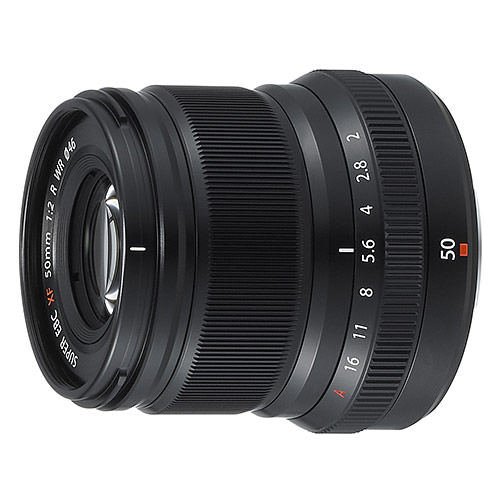
Fujifilm XF 50mm f/2 R WR

The 50mm f/2 follows the third addition in the line-up of quality, enthusiast-grade lenses for the X-series cameras. First it was the XF 35mm f/2 R WR, which was followed by the XF 23mm f/2 R WR and now we have a 50mm f/2 lens. With these three, one could build a great lens kit without spending a ton of money, since each lens sells for less than $ 500.

The MTF charts for the 50mm f/2 R WR look pretty good – we can expect excellent contrast at all apertures and the wide-open performance of the lens is supposed to be better compared to that of the 56mm f/1.2 R (although it is f/2 vs f/1.2). Here is the MTF chart of the lens at f/2:
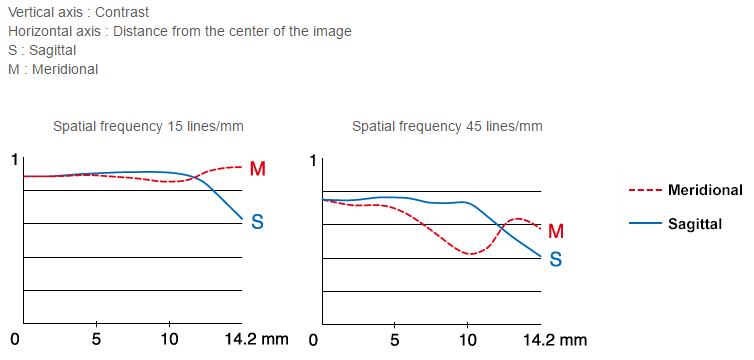
Fujifilm XF 50mm f/2 R WR MTF Chart

The separation of the meridional and sagittal lines in the second graph is an indication of inferior bokeh performance compared to that of the 56mm f/1.2 though, which is expected – after-all, the 56mm f/1.2 has a more portrait-optimized lens design in comparison and comes at a much higher cost. For more information on how to interpret the above graphs, see my article on how to read MTF charts.

Fujifilm X100F

The Fujifilm X100F is now a fourth iteration of the popular point-and-shoot camera from Fuji with an APS-C sensor and an integrated 23mm f/2 (35mm full-frame equivalent) lens. As pointed out above, it is more of an incremental update rather than a complete refresh, bringing some improvements to the already excellent camera. Fuji updated the sensor to be the same 24.3 MP X-Trans III sensor used on the X-T2 and the processor has also been updated to the latest and greatest X-Processor Pro.
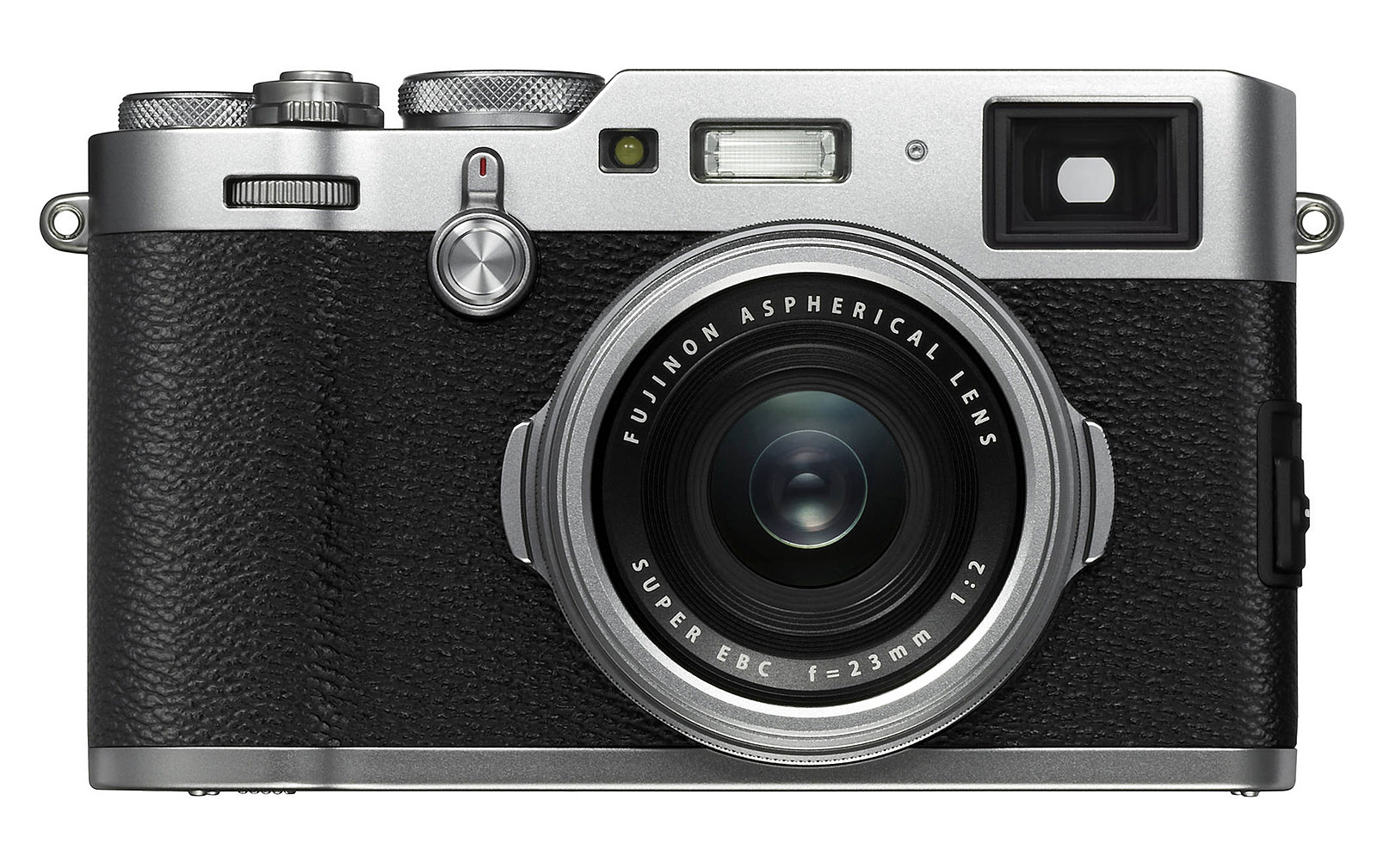
Fujifilm X100F

The autofocus system has been upgraded from 49 focus points to 91 and it is supposed to be both faster and more reliable than on the last-generation X100T. The hybrid viewfinder has also been updated to allow zooming into the image for better focus precision when in electronic viewfinder (EVF) mode. Aside from a few other tweaks to the viewfinder, the EVF refresh rate has been increased to 60 frames per second, which should make shooting in EVF mode a bit smoother. Other in-camera features have not seen drastic changes, aside from the addition of new ACROS film simulation.

Most of the changes on the X100T are ergonomic and they are definitely pretty significant. First of all, there is now a joystick on the back of the camera to be able to switch between focus points. That alone would be worth the upgrade if I were considering moving up from a previous-generation X100 model.
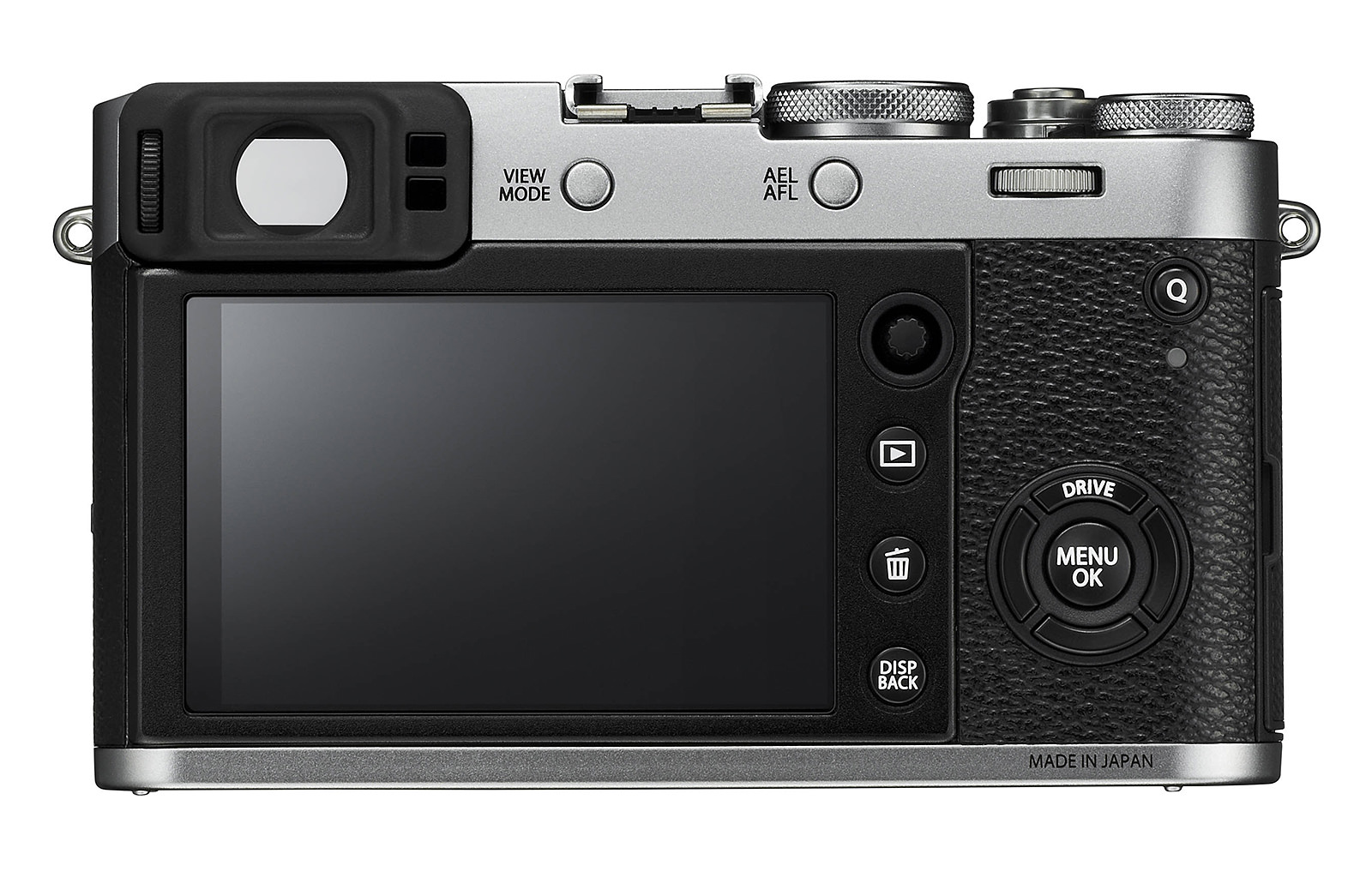
Fujifilm X100F Back

After using the X-T2 with the joystick in the field, it now feels very odd to go back to my X-T1 that does not have one. I got used to it very quickly and it is certainly a notable ergonomic improvement. The buttons to the left of the LCD have been moved to the right now and the “View Mode” button has been moved up, which is a logical place for that button. The AE-L/AF-L button has been also relocated to the top, which makes sense, whereas the dedicated Drive button that used to be there is now part of the multi-controller. In my opinion, all these changes will improve the X100T ergonomically compared to its predecessors.

Price-wise, Fuji kept the MSRP of the X100F the same at $ 1,299. It is an expensive camera, without a doubt, but Fuji sells a ton of X100 cameras (thanks to their popularity for travel and street photography), so the price will probably stay this high for a long time.

Fujifilm X-T20

The most exciting camera release for me though is the Fuji X-T20, which is basically a mini-version of the Fuji X-T2, similar to how the Fuji X-T10 is to the X-T1. While Fuji kept the ergonomics almost the same, the camera got a lot of inner upgrades and features. Sporting the same 24.3 MP APS-C X-Trans sensor and the X-Processor Pro engine as the X-T2, the new X-T20 has a lot to offer for an enthusiast-grade camera. In addition to having the same amazing image quality, the X-T20 will also sport the same autofocus system as the X-T2, which is not something I expected to see.
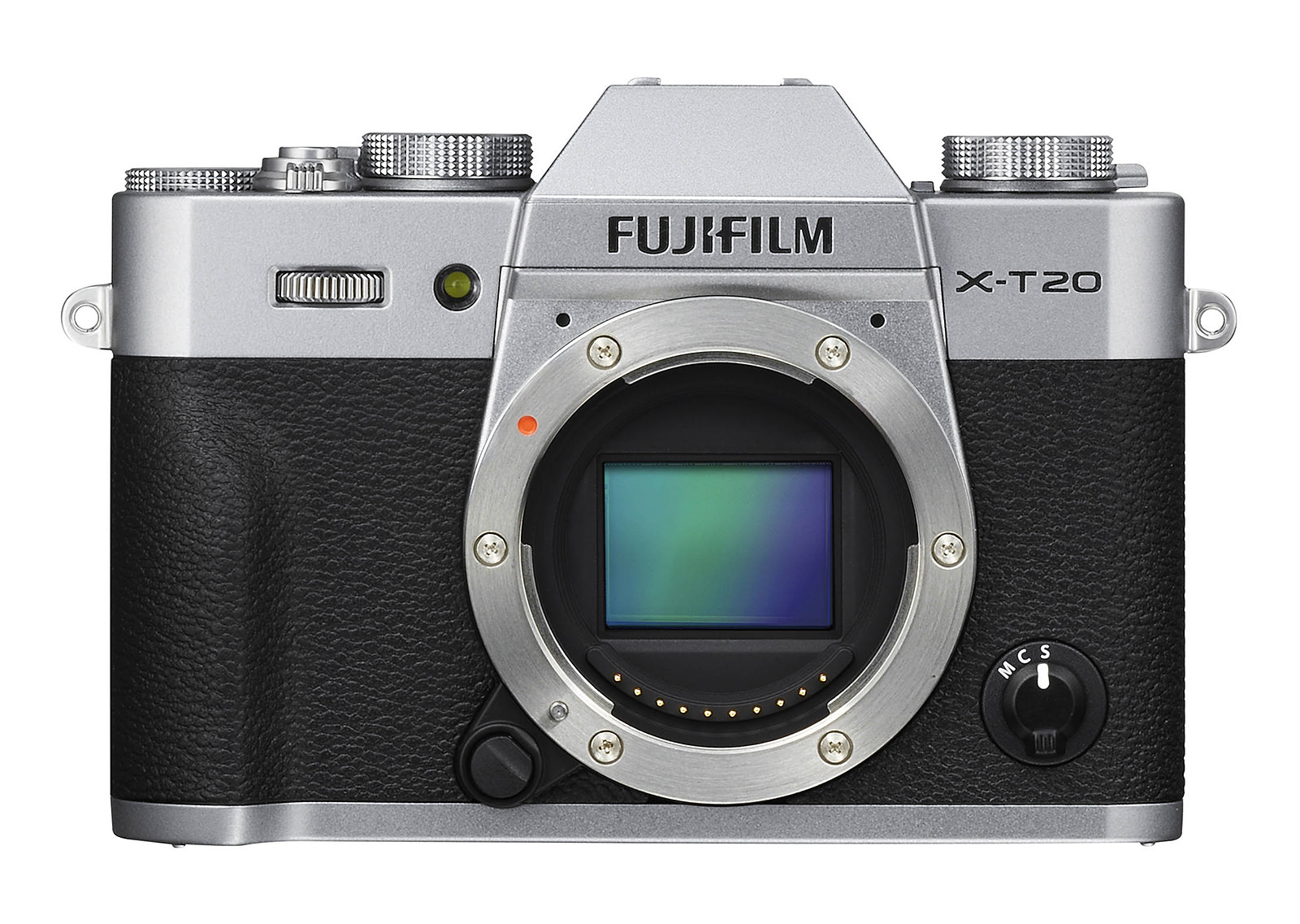
Fujifilm X-T20

That’s a pretty big boost from what was in the X-T10 in terms of AF speed, focus points and their reliability. The camera will also inherit all the predictive tracking capabilities from the X-T2, so you will be able to use its autofocus for both stills and video capture. Lastly, the X-T20 will also shoot ultra-high-definition 4K video at up to 29.97p frame rates, with continuous shooting up to 10 minutes, while full HD video recording will be possible up to 59.94 fps. The camera will be able to output video to an external recorder through an HDMI port and it will have an input jack for an external microphone. However, there is no port for a headphone jack, so it will be impossible to listen to the audio during recording. There is also no option for Log output when shooting video. The EVF did not change between the X-T10 and the X-T20, so it is the same 0.39″ 2,360K-dot OLED viewfinder, but the LCD has been upgraded to incorporate touchscreen functions.

The big differences between the X-T20 and the X-T2 will be in continuous shooting rate (5 fps vs 8 fps) and in weather sealing – the X-T20 is not going to be sealed against dust and moisture like the X-T2 is. Also, the ergonomics are going to remain the same as on the X-T10, so there is no added joystick like there is on the X-T2. Lastly, it won’t be possible to attach a grip to the X-T20.

The best part of this announcement is the price – the Fuji X-T20 will ship at an MSRP of $ 899! Considering its features and 4K video capture, that’s a great price for a very solid camera.

Pre-Order Information

As usual, you can pre-order your copy of the Fuji gear from our trusted partners B&H Photo Video and Adorama:

The post Fuji X-T20, X100F and XF 50mm f/2 WR Announcements appeared first on Photography Life.

Photography Life

Posted in Photograpy How To | Tagged , , , , | Leave a comment

Odontoglossum Grande By Samuel Jennings From Orchids: And How To Grow Them Paper Framed Print 1 5/8″ Matte Black 26×30 Photo On Paper

Odontoglossum Grande By Samuel Jennings From Orchids: And How To Grow Them Paper Framed Print 1 5/8″ Matte Black 26×30 Photo On Paper


Odontoglossum Grande by Samuel Jennings from Orchids: And How to Grow Them” is an art print by SuperStock from the SuperStock collection. Get photo prints of “Odontoglossum Grande by Samuel Jennings from Orchids: And How to Grow Them” in a variety of frames, styles, and materials.

Price: $
Sold by Photos.com by Getty Images

Posted in How To Photograph | Tagged , , , , , , , , , , , , , , | Leave a comment

The Medium Format Fujifilm GFX 50S Will Launch in February for $6500

Though shown back at Photokina last year, Fujifilm is finally ready to pull all the wraps off their medium format camera, the GFX 50S. The camera features a 51.4 megapixel CMOS sensor, will launch with three lenses and cost (body only) $ 6499.95 and be available at the end of February.

The innovative GFX system utilizes a Fujifilm exclusive 43.8 x 32.9mm (FUJIFILM G Format) 51.4MP CMOS sensor. The GFX 50S combines the heritage of over 80 years of imaging and the innovative award-winning functional design of our X Series digital camera system in the relentless pursuit of image quality.

The Fujifilm GFX 50S uses a new 51.4 Fujifilm G Format 43.8 x 32.9mm sensor with approximately 1.7x the area of a 35mm sensor. In addition to the camera are three new Fujinon GF Lenses that will be followed by three additional lenses later in 2017.

FUJIFILM GFX 50S Key Features:

  • 51.4MP Medium Format 43.8 x 32.9mm sensor for superior sharpness and image quality for all photographers
    • Adaptable to various aspect ratios, including 4:3 (default), 3:2, 16:9, 1:1, 65:24, 5:4, 7:6
  • FUJIFILM G Mount with short flange back distance of just 26.7mm
  • X-Processor Pro imaging processor
  • Detachable electronic viewfinder
  • Weather and dust resistant; operation to as low as 14 degrees Fahrenheit \ -10 degrees Celsius
  • File formats include three different JPEG settings (SUPER FINE, FINE, NORMAL), as well as two different RAW settings (uncompressed, compressed). TIFF output is also possible with in-camera RAW development
  • Full HD for Movie Mode: 1920×1080 29.97p/25p/24p/23.98p 36Mbps, in Film Simulation modes
  • Light body weighs approximately 43oz. \ 825g (including battery and memory card)
  • Uses SD Cards (UHS-II recommended)
    • Equipped with dual slots
    • Supports three different types of recording methods, “Sequential,” in which recording can be continued according to shooting order, “Backup,” which records the same data on two cards simultaneously, and “Sorting,” which records RAW and JPEG data on separate cards
  • Uses newly developed NP-T125 high capacity battery for approximately 400 photos (with Auto Power Save ON)
  • All FUJINON GF Lenses are dust and weather resistant, built to withstand operation at temperatures as low as 14 degrees Fahrenheit \ -10 degrees Celsius allowing photographers to take them outdoors with confidence in challenging weather conditions.
  • The new FUJINON GF Lenses feature an aperture ring, a popular feature in the X Series, and have a new C (Command) Position on the ring to enable aperture adjustments with the Command Dial on the camera body
  • A Fluorine coating applied to the front lens element creates a hydrophobic coating that repels moisture.

Notice the 51.4 MP sensor? That happens to be the exact same specification found on the Pentax 645z and any other 50 MP medium format camera on the market. This should not surprise, as Sony is the only one making sensors that size, and there is only one type available at 50 MP range.

However, Fuji has put their on spin on it:

The FUJIFILM GFX 50S uses the X Processor Pro (also used in the X-Pro2 and X-T2 cameras) and allows photographers to use Fujifilm’s proprietary Film Simulations with a Medium Format sensor. The camera supports Full HD recording at 29.97p/25p/24p/23.98p.

Users can enjoy high quality video with no post-processing required by using Film Simulation modes just like they would with a still image. The GFX 50S introduces a new Color Chrome Effect feature that reproduces subtle tones in highly saturated subjects.

Ultimate Performance in a Compact Body

With a compact and lightweight body constructed from magnesium alloy, the FUJIFILM GFX 50S weighs approximately 43 ounces when paired with the FUJINON GF63mmF2.8 R WR, and weighs approximately 60% of a medium format DSLR camera equipped with a sensor of the same size. When compared to a full frame, the weight is almost identical. Overall camera body height and width have also been minimized for maximum flexibility, overturning the common perceptions regarding the mobility of medium format digital cameras.

Bright, Crystal Clear Viewfinder and Large Touchscreen

The Fujifilm GFX 50S gives you a 3.69M dot organic EL electronic viewfinder and 2.36M dot touchscreen LCD back panel for easy viewing. The EVF is detachable to allow for flexible operation. You can attach the accessory EVF-TL1 EVF tilt adapter (sold separately) to allow the finder to be tilted to 90° vertically and swung ±45°. A 3.2 inch, 2.36M dot touch panel is used for the rear monitor, with touch operation for the menu, focusing points and image playback. A three-directional tilting LCD screen improves operability and makes viewing images and checking focus even easier.

FUJINON Lenses Guarantee Image Perfection

As part of the GFX system, Fujifilm is launching newly developed, ultra-high resolution FUJINON GF lenses. Taking advantage of the mirrorless system’s structure, the G Mount has a short flange back distance of just 26.7mm that reduces the back focus distance as much as possible. This prevents vignetting and achieves edge-to-edge sharpness. All FUJINON GF Lenses have been designed to support sensors of over 100MP.

GFX lens barrels feature an aperture ring in the same manner as FUJINON XF lenses, for intuitive operation. A new C (Command) Position has been added to the aperture ring, allowing users to change the aperture with the camera’s command dial. The A (Auto) Position and C Position feature a locking button installed on the aperture ring that must be disabled to implement changes.

Built for the Professional, and the Enthusiast

Just as with the flagship X Series models, the FUJIFILM GFX 50S features dedicated dials to independently set aperture, shutter speed, and ISO, the important factors in determining exposure.

Aperture and ISO feature a C (Command) and the shutter speed dial has a T (Time) Position. Setting the dial to this position allows the user to change exposure settings using the command dials on the front and rear of the camera body. The user can choose between these two operation methods according to their preference, ease of use, and the shooting environment.

The GFX 50S is equipped with a 1.28 inch LCD sub monitor on the top of the body. Important exposure data such as aperture and shutter speed is displayed on this screen. This display is extremely useful when shooting on a tripod or tethered to a computer.

A 117-point (9 x 13 / maximum of 425 points when miniaturized) contrast AF system is used on the GFX 50S. High-precision AF on the imaging sensor dramatically improves focusing accuracy with the shallow depth of field produced by medium format lenses. First adopted in the FUJIFILM X-Pro2, focus point selection can be performed by using the Focus Lever, which allows intuitive movement of the focus point. Alternatively, users can select the focus point from the touch panel LCD screen.

Initial Lens Lineup Will Include the Following Three FUJINON Options:

  1. GF63mmF2.8 R WR (equivalent to 50mm in 35mm format)
  2. GF32-64mmF4 R LM WR (equivalent to 25-51mm in 35mm format)
  3. GF120mmF4 Macro R LM OIS WR (equivalent to 95mm in 35mm format)

FUJINON GF63mmF2.8 R WR

The optical system features a construction of 8 groups and 10 elements, including 1 ED lens element. This lens construction is the most suitable for high resolution in compact and stylish design, the external form of this small and lightweight lens has a diameter of just 84.0 x 71.0mm with a weight of only 14.2 ounces \ 405 grams. Using the front group for the focus, aberrations due to focus distance are suppressed, achieving high resolution performance even when wide open from the center to the edges of the lens.

FUJINON GF32-64mmF4 R LM WR

The FUJINON GF32-64mmF4 R LM WR features a construction of 11 groups and 14 elements, 3 aspheric elements, 1 ED lens and 1 super ED lens, allowing this lens to achieve image quality rivalling prime lenses. As a result, the lens demonstrates extremely high performance from the center all the way to the edges. The lens uses internal focusing, reducing the weight of the focus lens and achieving fast and silent AF by driving focus using a linear motor.

FUJINON GF120mmF4 R LM OIS WR Macro

The FUJINON GF120mmF4 R LM OIS WR Macro has a construction of 9 groups and 14 elements, including 3 ED lens elements. By adopting a floating focus method using a linear motor, silent high-speed autofocusing is achieved while aberrations are corrected, dramatically increasing the resolution. Furthermore, by arranging the ED lenses properly, chromatic aberrations are also properly corrected, contributing to high quality images. In designing this lens the quality of the out of focus area both in front and behind the plane of focus were considered, giving this lens beautiful bokeh. This lens is equipped with optical image stabilization (OIS) effective up to 5.0-stops, making this lens perfect for handheld shooting in low-light situations.

  1. GF110mmF2 R LM WR (equivalent to 87mm in 35mm format)
  2. GF23mmF4 R LM WR (equivalent to 18mm in 35mm format)
  3. GF45mmF2.8 R WR (equivalent to 35mm in 35mm format)

GFX 50S Accessories (sold separately)

1. Vertical Battery Grip VG-GFX1 – high-performance battery grip is designed to place the release button, dials, and function buttons in the same positions when shooting vertically. The battery grip can be loaded with one NP-T125 dedicated battery, lowering the frequency that batteries need replacing. Also, by connecting the AC-15V accessory (sold separately), it is possible to charge the battery within the grip in approximately 2 hours.

2. EVF Tilt Adapter EVF-TL1 – mounting this accessory between the camera body and EVF, the angle of the EVF can be changed to angles from 0° – 90° vertically and from -45° – +45° horizontally. Doing this allows the user to shoot at various angles while using the viewfinder, greatly increasing the versatility of the finder for different subjects.

3. H Mount Adapter G – allows you to use SUPER EBC FUJINON HC interchangeable lenses developed for the FUJIFILM GX645AF medium format film camera (discontinued). By attaching this adapter to the GFX 50S, a total of 9 SUPER EBC FUJINON HC interchangeable lenses and 1 tele-converter developed for the GX645AF can be used. While the focusing method will be limited to manual focusing, the lens aperture can be changed using the command dial on the camera body, and shooting with the leaf shutter built in to the lenses is also possible. Using this lens shutter will allow high speed flash synchronization up to a maximum speed of 1/800 sec.

Also, the adapter is equipped with electrical contacts that can communicate with the camera body, independently creating, saving, and applying correctional data for each lens. The adapter supports Manual and Aperture Priority AE exposure modes.

*A removable tripod foot is included to mount the camera with a heavy or long focal length lens.

4. View Camera Adapter G – allows the GFX 50S to be used as a digital back. The view camera adapter allows the GFX 50S to be mounted to the standard universal-type back of a view camera. This allows the use of FUJINON large format camera lenses, such as the CM-W FUJINON lens series. The camera or lens shutter can be triggered, allowing the user to choose the optimum method. The large image circle and the bellows of the view camera can be used with tilt, shift and swing movements, effective for product and architectural photography.

*There may be instances in which the adapter cannot be mounted depending on the shape of the view camera.

5. Tethered Shooting Solutions – We have the following tethering solutions for photographers, including: X Acquire to transfer images from the camera to a hot folder on your computer for use with your preferred imaging software, Tether Shooting Plug-in PRO for Adobe® Photoshop® Lightroom® and HS-V5 for Windows (sold separately).

By connecting the GFX 50S to a PC via USB cable and using this software, it is possible to transfer photographed images directly to the PC, as well as control the camera from the PC. Also, by using the Control Panel Window newly added to Tether Shooting Plug-in PRO for Adobe® Photoshop® Lightroom®, additional camera functions become available.

6. RAW FILE CONVERTER EX2.0 – powered by SILKYPIX (free of charge) RAW development software and Adobe® Photoshop® Lightroom® / Adobe® Photoshop® CC (sold separately). RAW development software is used for detailed corrections and advanced image processing that isn’t supported by the in-camera RAW conversion. Both software support Fujifilm’s “Film Simulation” modes, allowing creation of image data that is extremely close to Fujifilm’s advanced color reproduction.

Availability and Pricing

The new FUJIFILM GFX 50S Medium Format Camera Body will be available Late February, 2017 in the U.S. and Canada for USD $ 6,499.95 and CAD $ 8,499.99.

Also available in February, 2017 will be the first three FUJINON GF lenses. GF63mmF2.8 R WR for USD $ 1,499.95 and CAD $ 1,899.99, GF32-64mmF4 R LM WR for USD $ 2,299.95 and CAD $ 2,999.99, and GF120mmF4 R LM OIS WR Macro for USD $ 2,699.95 and CAD $ 3,499.99.

Resource Magazine

Posted in Photograpy How To | Tagged , , , , , | Leave a comment

Alicia Alonso;igor Youskevitch Canvas Traditional 1 5/8″ White 22×28 Photo On Canvas

Alicia Alonso;igor Youskevitch Canvas Traditional 1 5/8″ White 22×28 Photo On Canvas


Alicia Alonso;Igor Youskevitch” is an art print by Gjon Mili from The Life Picture Collection. Get photo prints of “Alicia Alonso;Igor Youskevitch” in a variety of frames, styles, and materials. Photographer Bio Emigrating to the United States from Albania in 1923, Gjon Mili is regarded as the first photographer to use electronic flash and stroboscopic light to create photographs outside of a scientific context. A true pioneer of the artform, Mili’s photographs of dancers, athletes, and pictures or performances have shaped our understanding of how movement too rapid or too complex for the eye to discern is captured in the still image. Mili’s career as a photographer for Life Magazine spanned four decades and saw the publication of thousands of his photographs, taking him around the world; from collaborations with Pablo Picasso, to the incarceration of Adolph Eichmann, to original photos from Broadway plays. The Life Picture Collection From one of the most iconic magazines ever to hit the shelves comes The Life Collection – an archive of some of the most recognizable imagery of the 20th Century. Documenting events in politics, culture, celebrity, the arts and the American experience, these compelling and provocative photographs include the works of some of the greatest photographers capturing some of the greatest moments in history.

Price: $
Sold by Photos.com by Getty Images

Posted in How To Photograph | Tagged , , , , , , , | Leave a comment

The Phenomenon That Makes Costa Rica’s Rio Celeste Turquoise

Hidden deep within Costa Rica’s Tenorio Volcano National Park is one of the wildest and most beautiful sights I’ve ever experienced as a traveler.  We’ve all seen crystal clear mountain streams, or the occasional emerald or bright blue lake, but never before my visit to Rio Celeste had I witnessed that particular bizarre and enchanting color of pure turquoise.  What began as an accidental point of interest, turned into my favorite part of the entire trip to Costa Rica.

With every adventure I embark on, I begin the research and planning phase by typing “beautiful nature” and the name of my destination (in this case “beautiful nature Costa Rica”) in Google Image search.  It’s a nice way to get an overview of the various points of interest and locations you might not immediately find on tourism websites.  Last year, when planning a short trip to Costa Rica, at least five images of unbelievable turquoise water — a color so bizarre that it borders on artifice — appeared on the first page of search results alone.  After some preliminary research, I discovered that the iconic color of was not photoshop trickery but the real deal, belonging to Rio Celeste, in a more remote and less touristed area of the Guanacaste/Alajuela border.

Arriving at Tenorio Volcano National Park

Ride in the back of a rusty old pickup truck down dusty roads? Don’t mind if I do.

We arrived at the trailhead after a bumpy and laughter-filled hour spent white-knuckling in the back of a pick-up truck, refilled our water bottles and started the hike through a dim and dense jungle.  For me, hikes like this are always filled with anticipation and excitement.  The research I did at home suddenly feels less distant as memories of beautiful thumbnail-filled pages of search results pop back into my head.  Finally, after hearing the roar of an impending waterfall grow gradually over the past ten minutes, we reached the top of a very tall staircase leading down into the jungle.  I thought I knew the beauty that awaited me, but I was totally unprepared.

It’s a long walk down to the falls, but so completely worth it.

Through a break in the jungle, we caught our first glimpse of turquoise water.

With photography as a primary interest in my travels, I spent quite some time composing and recomposing shots of the waterfall and magical pool before me.  I paid careful attention, memorizing the color of the water so I could match it in post-processing should the white balance in my images fall short of doing that epic turquoise justice.  I’ve visited hundreds of waterfalls in my life, most taller or wider, but nothing like this.  Not ever.   It’s a remarkable feeling to stand and look at something that utterly defies what you’ve previously seen in your life.  That was my experience at Rio Celeste.

That color though!

As close as I could get to the waterfall without crossing the low fence…

We climbed back up the tall staircase, muddy from morning rains and ambient humidity, to rejoin the trail and follow the river to its source.  The trail parallels the river for some distance through lush jungle, along sandy riverbeds, over narrow “bridges”, and past pools of brilliant turquoise, all calling you to slip off your shoes and wade in.  Then, you reach a truly bizarre and inexplicable sight.  The source of Rio Celeste provides an even greater sense of magic as two absolutely transparent streams merge to immediately burst into beautiful, saturate color right before your eyes.

One of the sketchy bridges crossing the river

Nothing about this place feels real.

An actual Blue Lagoon.

The remarkable turquoise water of Rio Celeste was a scientific mystery for some time. Scientists were unsure how Celeste could be fed by two clear rivers (Quebrada Agria and Río Buena Vista), and yet when the rivers meet, create this vivid other-worldly color. For a while, it was believed that the color change was due to a chemical reaction from the volcanic soil.  The smell of sulfur is very present along the river and at the waterfall so it’s no wonder that it was considered as a cause.  More recently, scientists determined that the color has less to do with chemical reactions and more to do with the optical appearance of sunlight reflecting off suspended particles:

Investigators were surprised that the water only remained blue in the river bed, as upon putting the water in test tubes, it looked completely transparent through the glass.  They then continued to investigate and found that the blue color seen by the human eye in the waters of the river is not a chemical phenomenon, but rather optical. This means that the blue is not produced by a chemical that colors the water, but that it is related to human eye perception and the scattering of sunlight caused by the water.

Sunlight contains the entire color spectrum, similar to the way we see them all in a rainbow. In any other river sunlight penetrates to a certain depth and no particular color is deflected or reflected back to the surface, so it looks transparent, while in the Río Celeste the water passes some of the Sun’s rays, but reflects the bluish tone group. So the water appears blue to the human eye. This also applies to devices made like the human eye, such as cameras. (The Costa Rica Star)

So each river contains a certain size of suspended particles.  Alone, the particles reflect light in the traditional, non-remarkable way and the source rivers appear clear. Yet when the rivers combine, the particles merge and fill in each other’s gaps to form the perfect reflective surface for the eye to perceive this specific turquoise hue.  Rio Celeste is only uniquely beautiful because of the confluence and cooperation of two entirely separate, non-remarkable rivers — and the beauty is truly in the eye of the beholder.

The point of confluence, where two clear rivers merge to create pure magic.

A purely scientific explanation did little to diminish the magic of Rio Celeste for me.  As a photographer, I was inspired by the beauty and visual impact of the phenomenon.  As a writer, my mind filled with romantic metaphors about cooperation, strength, and beauty — the whole truly greater than the sum of its parts in such a literal, obvious way.  As a traveler, I began to wonder what other unique and extraordinary sights like this exist in the fringes of international awareness.  A trip to Costa Rica’s Rio Celeste sparked a reinvigoration for me both artistically and as an explorer, reminding me that the world is a wild and beautiful place and that a life spent exploring is a life well spent.


Resource Magazine

Posted in Photograpy How To | Tagged , , , , , | Leave a comment