
Prague with Bob Davis and Jared Platt!

Every now and then there’s a workshop that comes along that if you knew about it years ago, it would be on your bucket list!

  • First, let’s hit the business/skill side – the combination of Bob Davis and Jared Platt both spending a week with a small group of photographers is a rare opportunity. Remember, attendees will not only pick up class time with two of the best instructors in the industry, but also social time, just to talk about business, marketing and ideas to build a stronger business.
  • Second, is the experience of being in Prague – from wonderful accommodations to gourmet meals MZeD never misses a beat. And remember, the price includes the classes, lodging, food and even the models. As they state in the program description, the experience is as much about great food as it is great photography!
  • Third, there’s something that happens when you’re with a group of people on a unique trip like this. You become part of a very special mini-community. The experience of sharing a trip to a city like Prague, along with working with instructors like Bob and Jared becomes a bond you all share. Over the years, some of my very closest friends have come from small programs like this.

All the information about the Prague Masterclass is just a click away. Click on the banner above to connect with the website and find out everything about the trip. But, don’t wait too long – the trip has limited capacity and it’ll sell out quickly.

SkipCohenUniversity – SCU Blog

Posted in Photograpy How To | Tagged , , , | Leave a comment

Sights Of A Typical Summer At Cape Cod Canvas Gallery Wrap 20×25 Photo On

Sights Of A Typical Summer At Cape Cod Canvas Gallery Wrap 20×25 Photo On


Sights of a typical summer at Cape Cod” is an art print by Alfred Eisenstaedt from The Life Picture Collection. Get photo prints of “Sights of a typical summer at Cape Cod” in a variety of frames, styles, and materials. Photographer Bio Alfred Eisenstaedt (1898-1995), or Eisie to those who knew him, received his first camera as a gift from his uncle at 14, a few years after moving to Berlin from Poland with his family. At 17, he was drafted to the German army. His interest in photography blossomed while recovering from a shrapnel wound. He became a regular at museums, studying light and composition. By 31, he was a full-time photographer. In 1933 he was sent to Italy where he shot the first meeting between Hitler and Mussolini. Two years later, when Hitler came to power, Eisie immigrated to America. Soon after arriving in New York, he was hired along with three other photographers-Margaret Bourke-White, Thomas McAvoy and Peter Stackpole-by Time Inc. founder Henry Luce for a secret start-up venture known as “Project X.” Six months later, Life magazine premiered on November 23, 1936. The first issue sold for 10 cents and featured five pages of Eisie’s pictures. His most famous photo was the kiss in Times Square on V-J day, about which he said, “I was running along the street grabbing any and every girl in sight. Whether she was a grandmother, stout, thin, old, didn’t make any difference. None of the pictures that were possible pleased me. Then, suddenly in a flash I saw something white being grabbed. I turned and clicked the moment the sailor kissed the nurse.” Over his career, Eisie shot a total of nearly 100 covers for Life magazine and some 10,000 prints. The Life Picture Collection From one of the most iconic magazines ever to hit the shelves comes The Life Collection – an archive of some of the most recognizable imagery of the 20th Century. Documenting events in politics, culture, celebrity, the arts and the American experience, these compelling and provocative photographs include the works of some of the greatest photographers capturing some of the greatest moments in history.

Price: $
Sold by Photos.com by Getty Images

Posted in Camera Photography | Tagged , , , , , , , , | Leave a comment

Education for Photographers – Cincotta Style

Picture

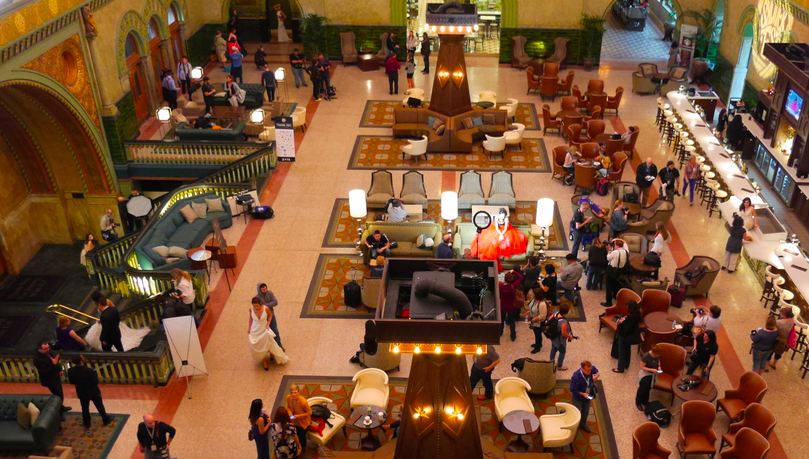
Looking like a “Where’s Waldo drawing in a children’s magazine, there are four different hands-on mini-classes going on in this shot of the Union Station Hotel lobby during ShutterFest.

Picture

​One of the biggest challenges of being a professional photographer today is building your skill set.  Technology never stands still, and neither do your competitors. That means you need to stay on top of new techniques without missing the basic foundation-builders.

It’s great to have an opportunity to catch up with my good buddy, Sal Cincotta and talk about education in imaging. It was 4-5 years ago Sal asked several us if we wanted to write for a new online publication he was starting, Shutter Magazine. Then came ShutterFest, the fastest growing conference in photography. Next, when other magazines were discontinuing their hard-copies or were getting so thin they could barely stay afloat – Sal launched Shutter Magazine in hard copy.

All along the way, Sal and his team have not only developed each of these online, in print and live venues but created unique components.  For example, “Rent-a-human” at ShutterFest every year gives artists a chance to work with live models and develop a stronger skill set. 

Everything Sal does in print, online or in live programming is about education, and now he’s launching another venue in November, Project Lunacy. It’s another unique opportunity for artists to build their skill set.  I’m talking with Sal in this short podcast about education and how photographers can take full advantage of the new program.

Listen to the short podcast and get to know Sal a little better, Then, click on the Project Lunacy link above. This is a you-snooze-you-lose scenario. Remember, one of Sal’s trademarks is never to oversell any conference, which helps to make sure the time you’re investing is well worth it! It’s already two-thirds full, so check it out today and reserve your spot!


SkipCohenUniversity – SCU Blog
Posted in Photograpy How To | Tagged , , , | Leave a comment

A Local Car Show

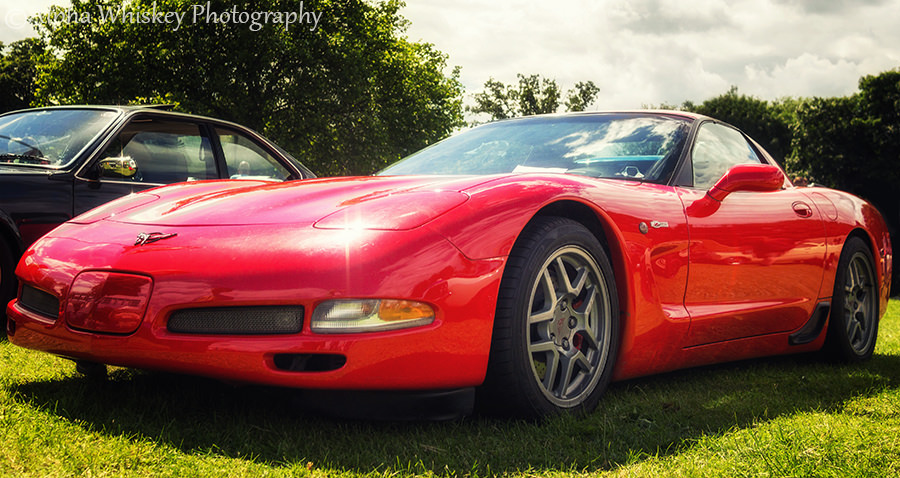
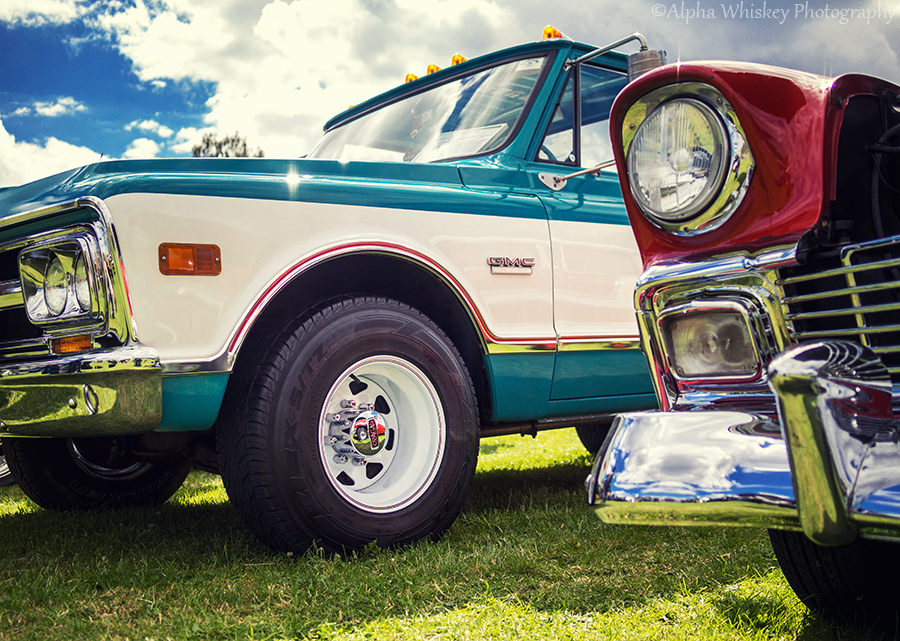
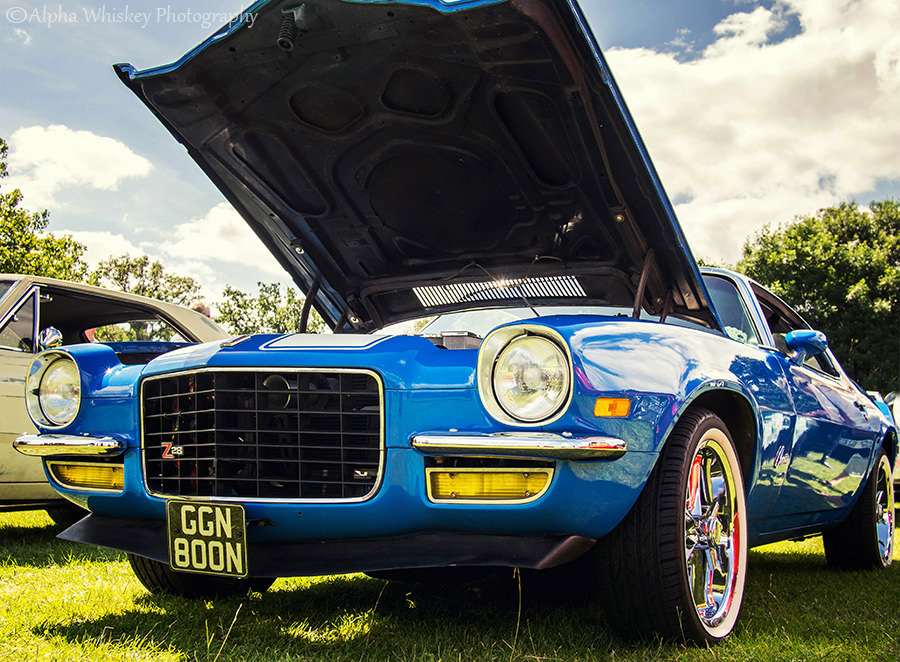
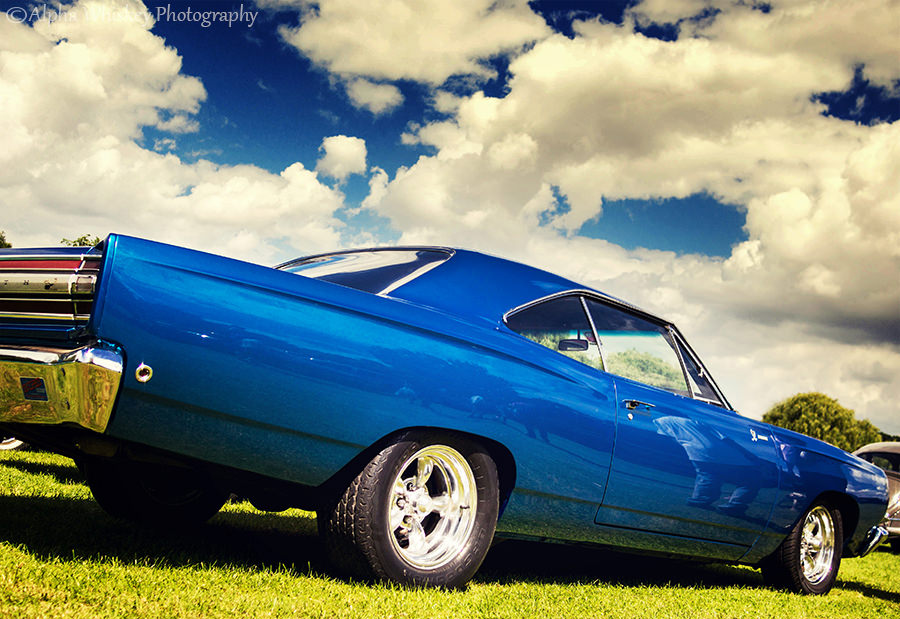
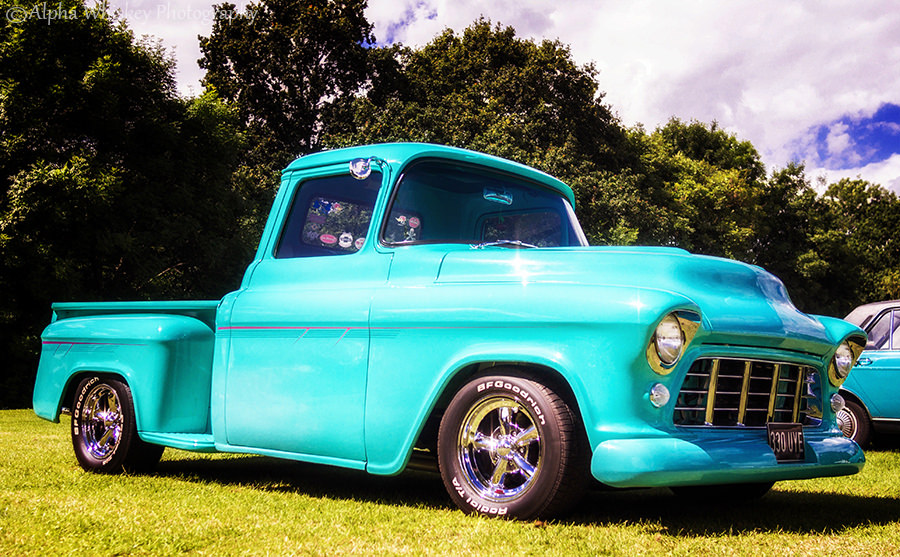
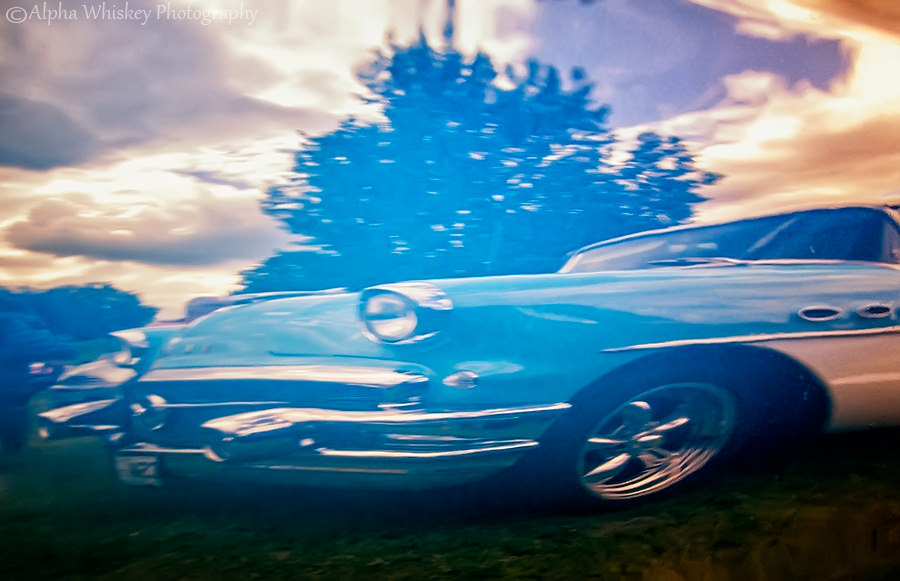
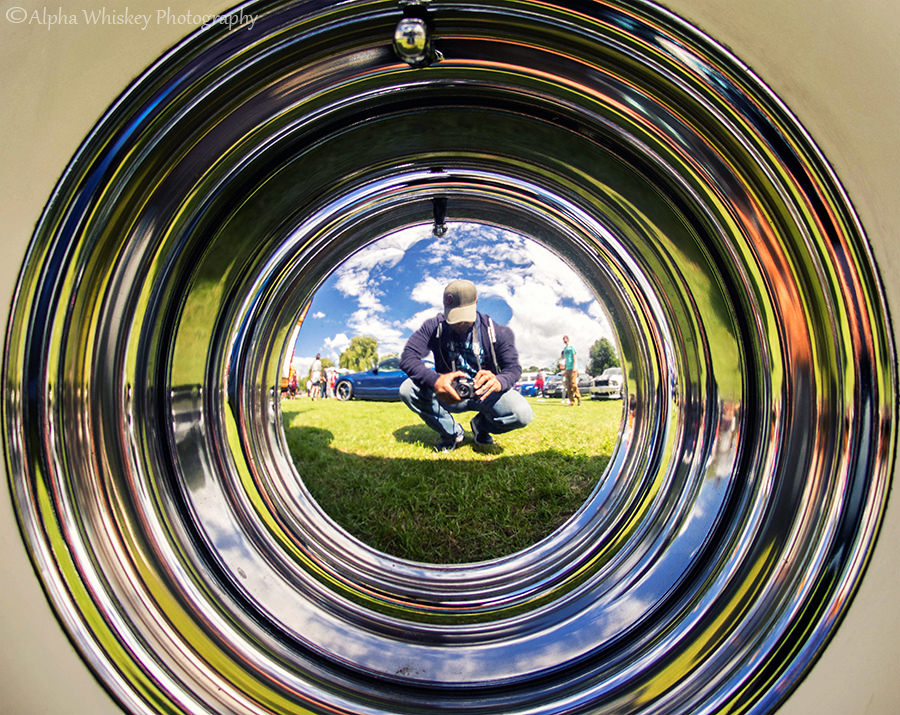
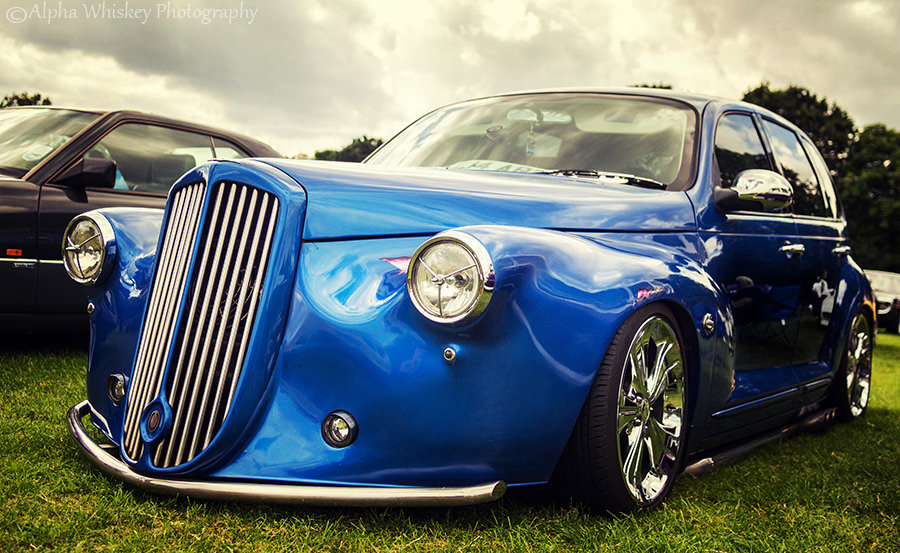
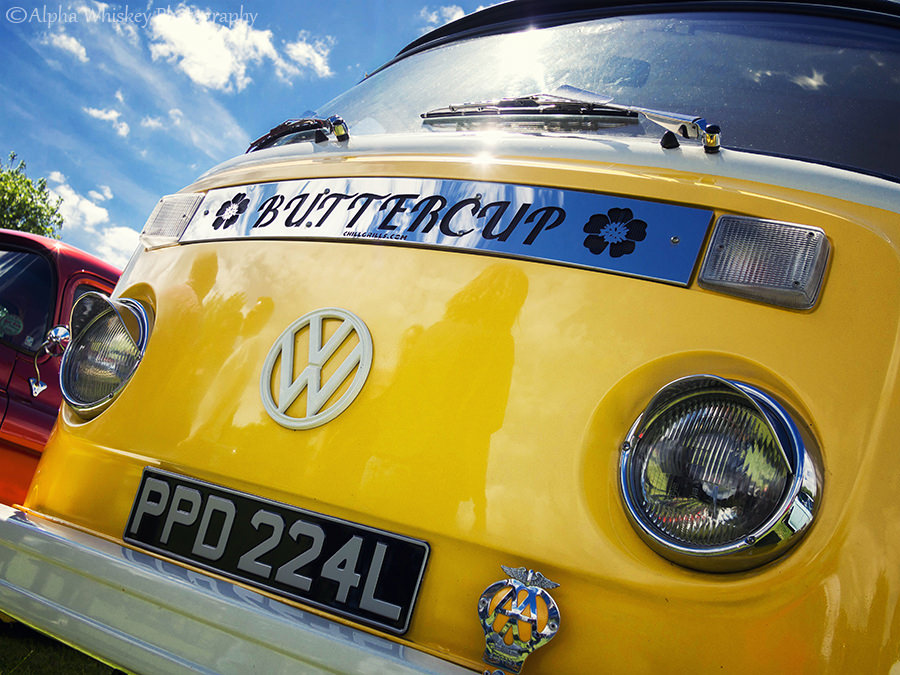
Now no one’s ever going to accuse me of being a motorhead any more than they could accuse me of being a gearhead. Cars don’t provoke a tachycardic enthusiasm from me in the same way as other subjects do. But there happened to be a car show at a summer festival nearby yesterday so I ambled along with my camera to see the display. I was certainly tempted by the beautiful lines, form and colour of classic car anatomy.

1

4

Perhaps in keeping with my relative ambivalence I only took one lens with me, mounted to my E-M5 (no bag or accessories or even a lens cap; just the camera and lens). The Panasonic 20mm F/1.7 pancake is not the best or worst lens on the planet but it does allow for a light and compact set-up to walk around with (in contrast to the few visitors sweating profusely with their DSLRs and backpacks in the humid afternoon heat!). It also focuses pretty close and quickly.

2

3

Having one prime lens, of course, also forces one to think more about compositional options. The 40mm equivalent field of view did make some of my framing choices a little tight, as you can see here, but it also helped me exclude unwanted elements, such as the hordes of people wandering around. It was not easy to isolate a car from the one next to it but with a tighter field of view the cars could fill the frame and bring the viewer closer to them.

5

6

7

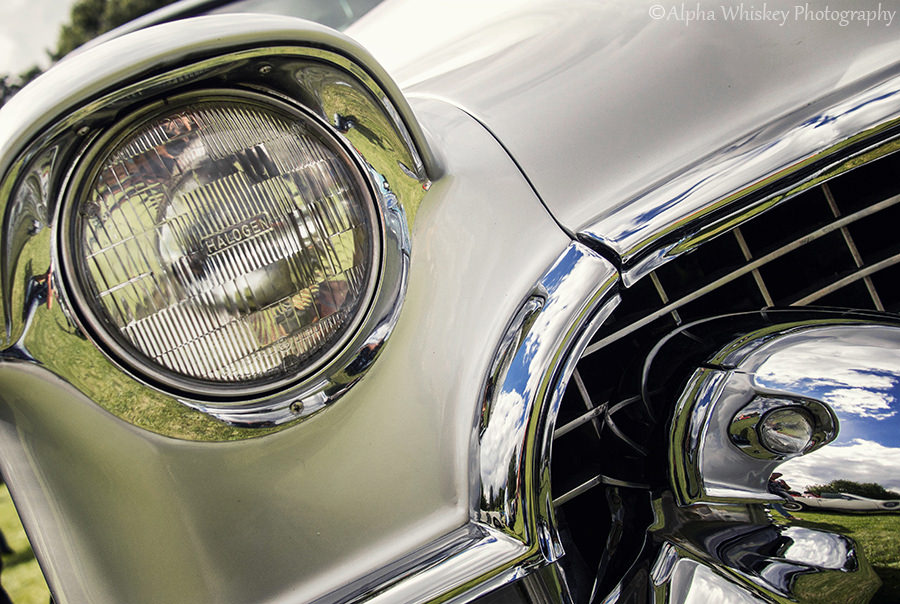
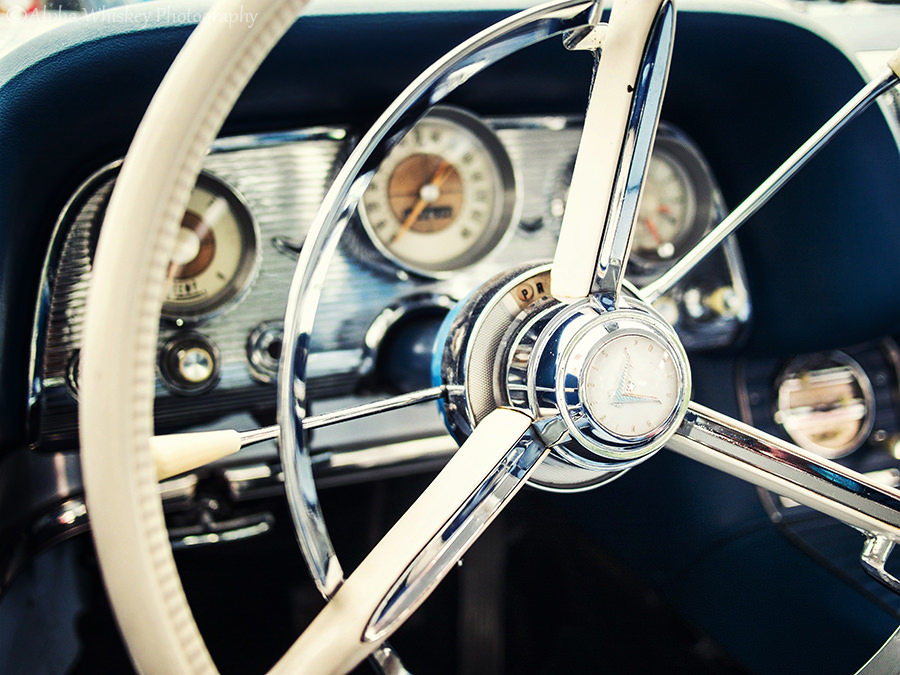
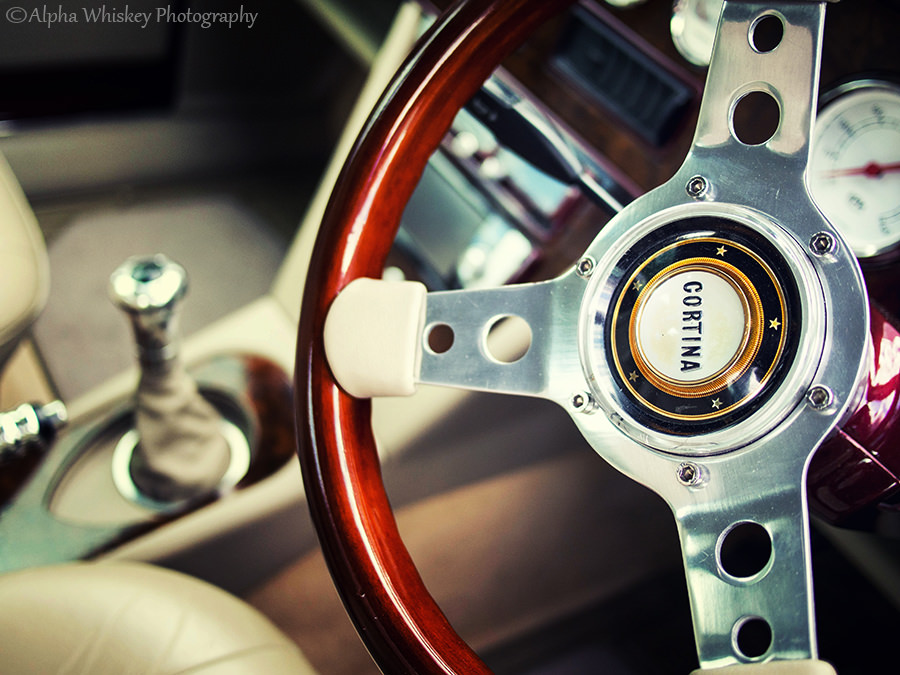
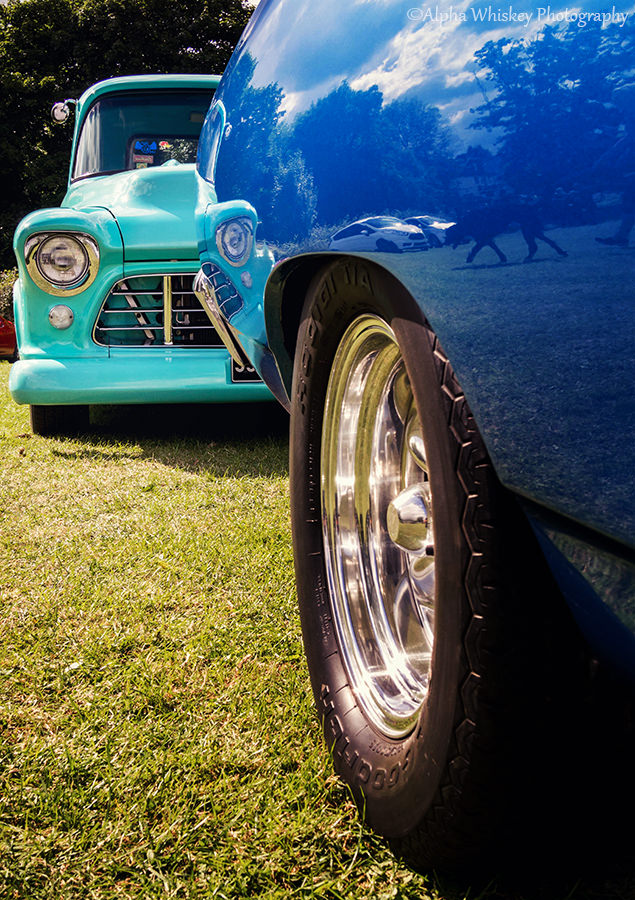
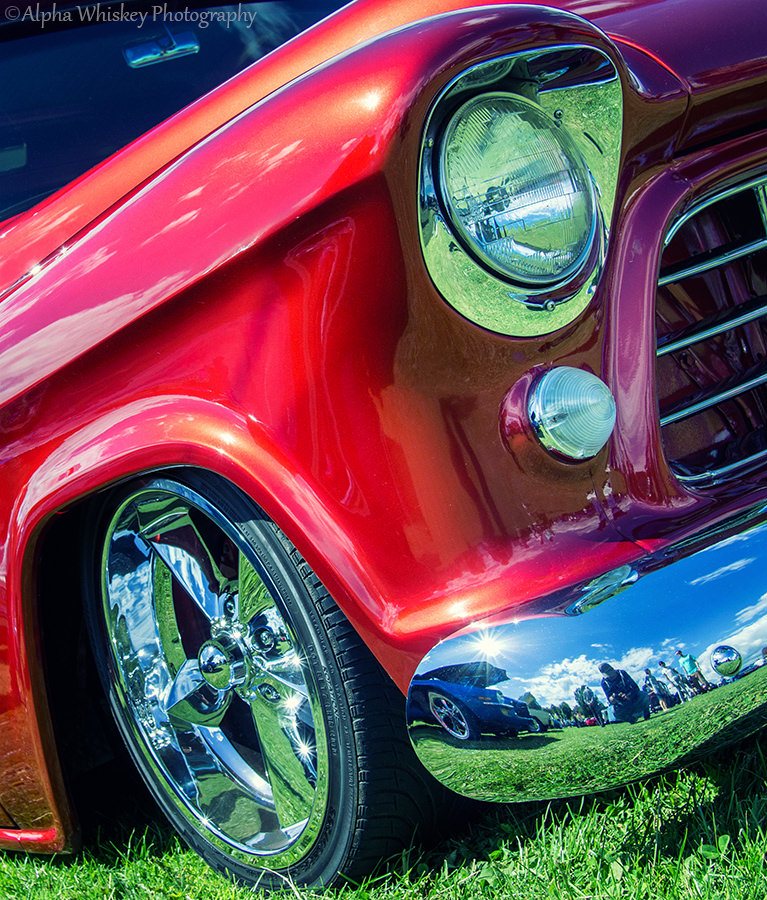
No one will accuse me of finding particularly original compositions either but I did try looking for more interesting angles and spaces to shoot from. Sometimes it’s enough to just focus on the details and features rather than the entire vehicle, and such features were often more interesting to me than the car as a whole.

8

9

10

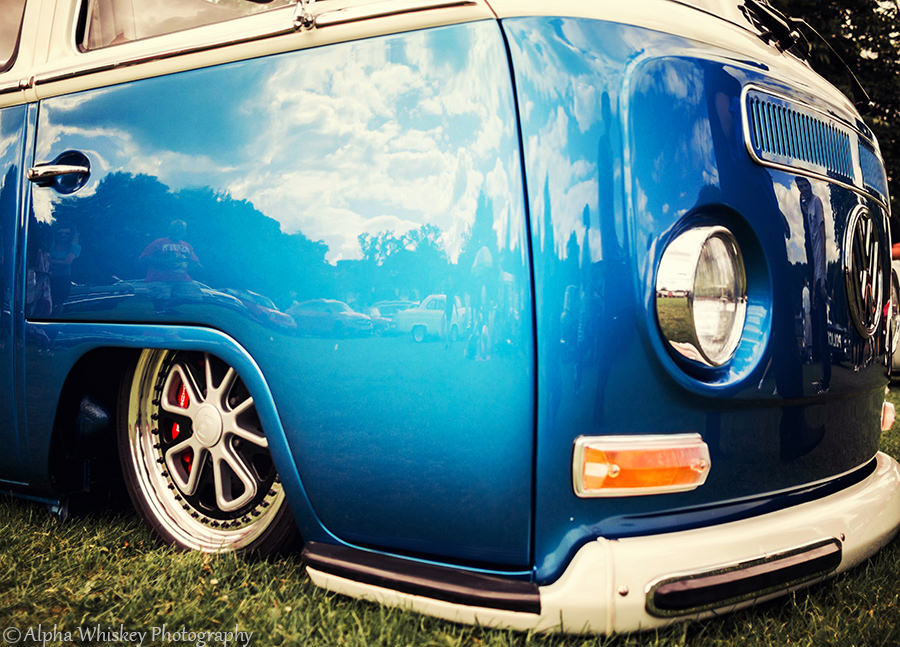
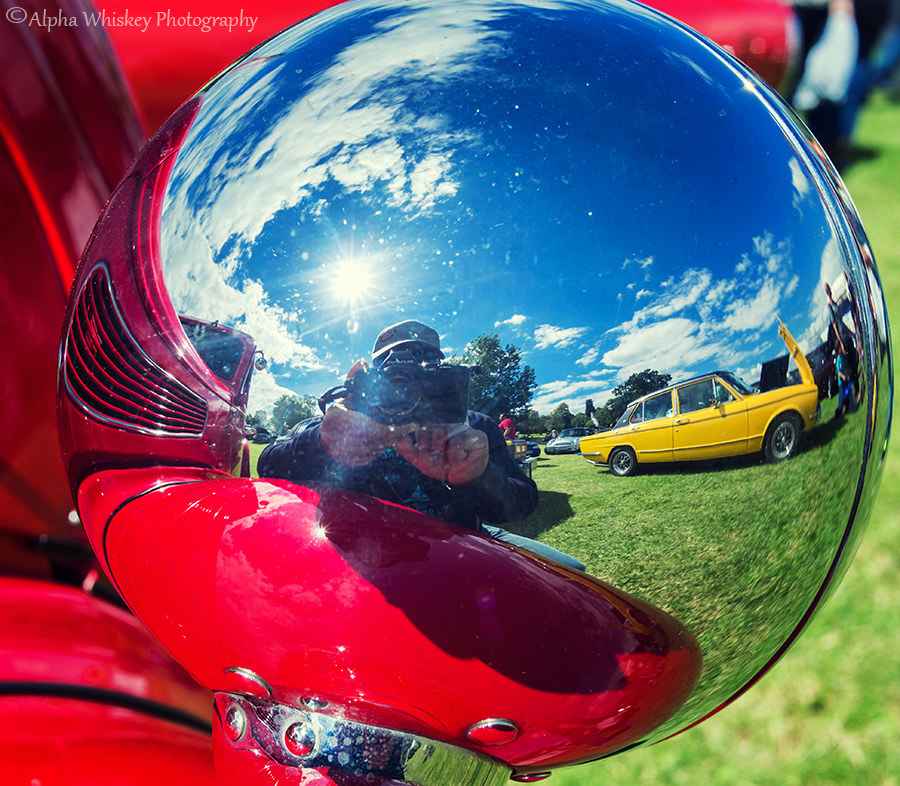
Forgetting to bring my polarising filter led to some vigorous head-banging against a few bonnets but once I regained consciousness I realised that the reflections in the windows and metal panels actually gave me some appealing results.

11

12a

12b

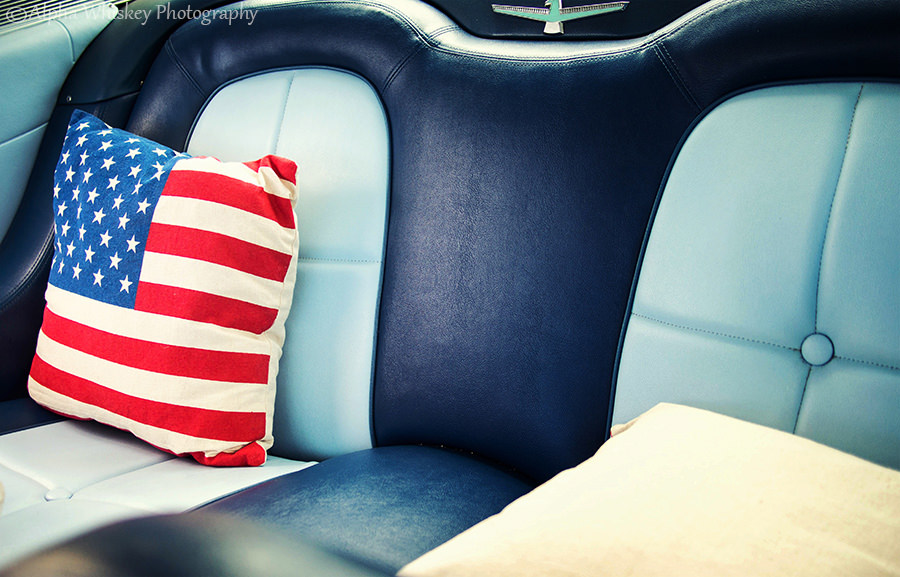
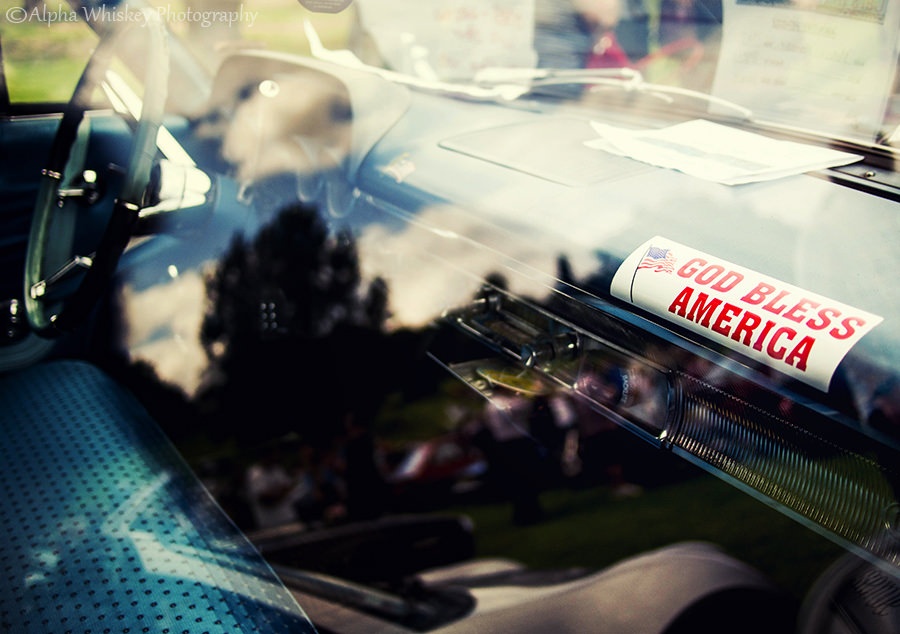
A polariser would certainly have helped me see into the interiors through the windows but all that would have given me were images of the interior. Luckily on some cars the windows had been rolled down.

13

14

15a

And speaking of reflections, it’s always an easier way of taking a selfie 🙂

16

17

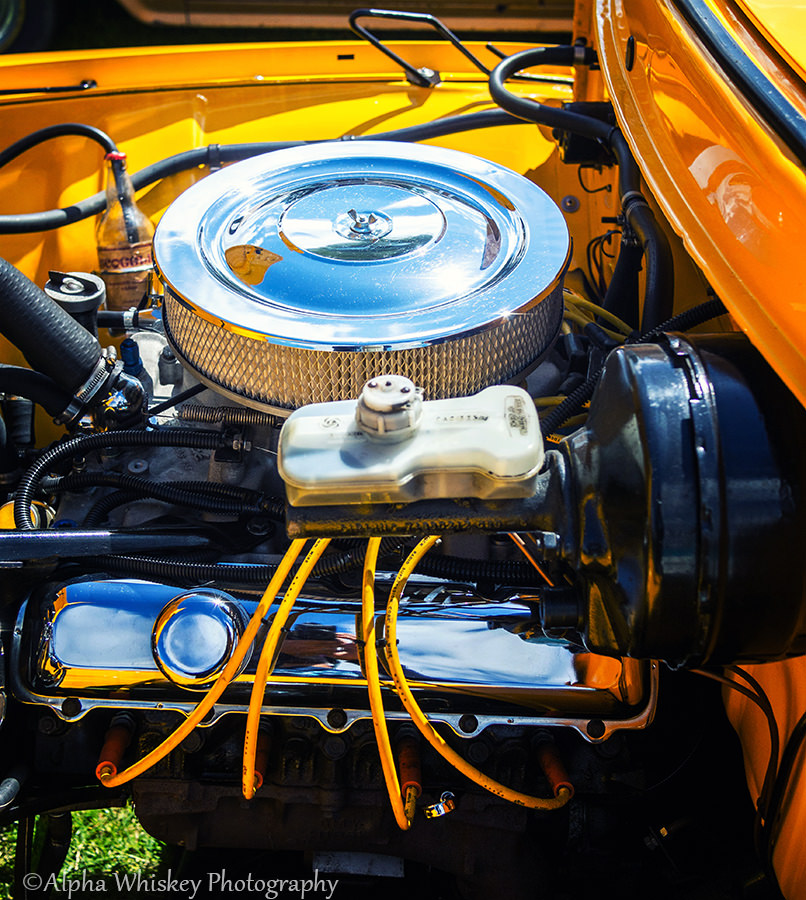
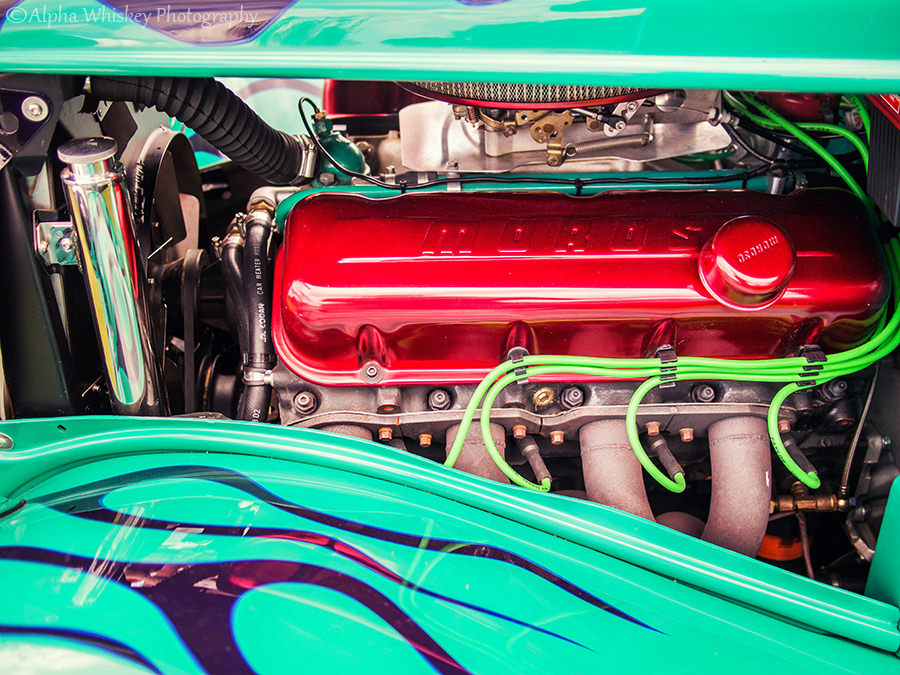
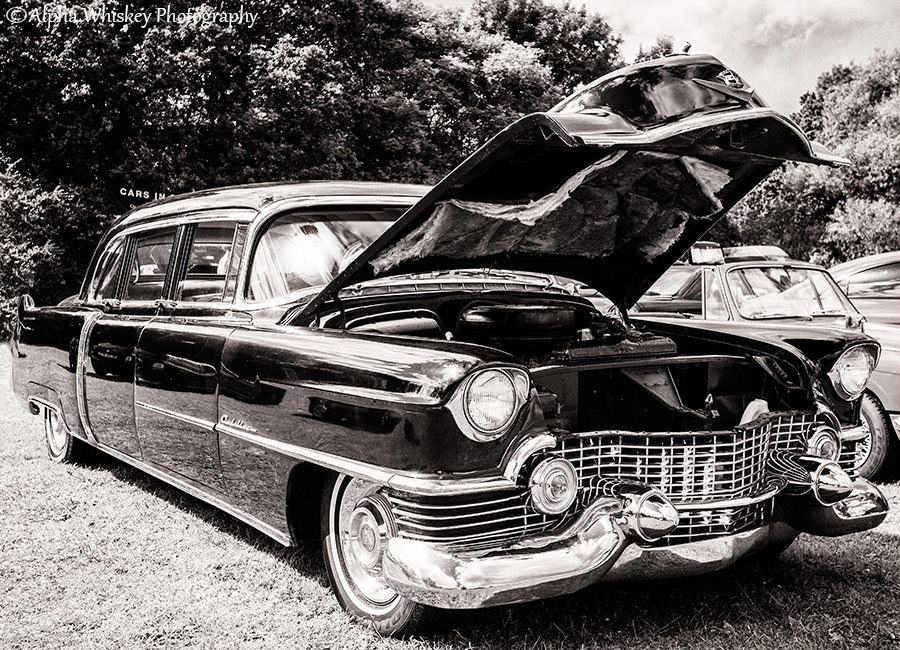
Cars mean engines and mechanics, of course, and there was ample opportunity to capture the internal organs, albeit while suffering the deafening roar of their revving.

18

18a

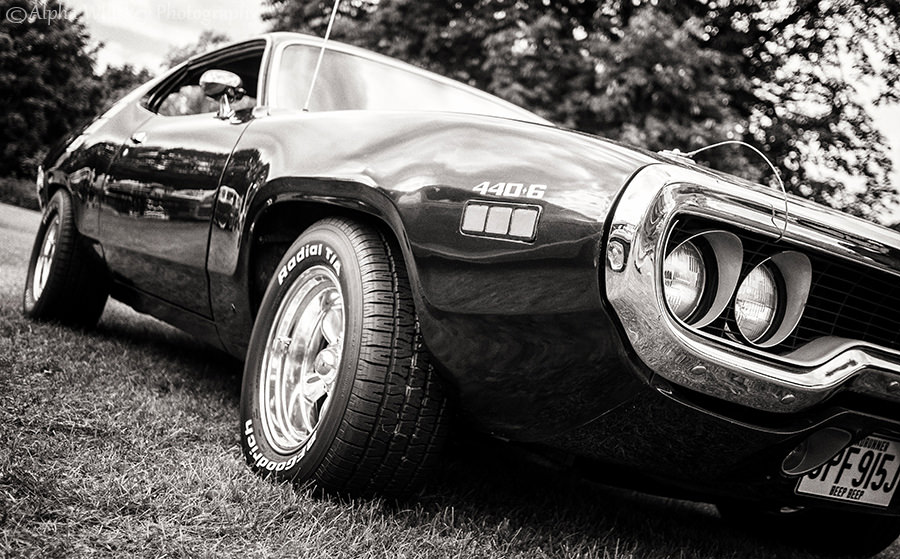
All of these images were shot using the flip-out LCD to frame and the touchscreen to lock the AF point and shoot. I shot in Aperture Priority at a variety of apertures and between ISOs of 100 and 200. The camera chose the shutter speed, of course. As many of these were classic and muscle cars I processed the images in Lightroom to emphasise the shape and form of their anatomies, pushing the contrast, black and white points, and clarity sliders to deepen the blacks and accentuate the lines. I’m sure someone will someday write an article about tailoring one’s post-processing to the subject but alas it won’t be me. I just did what I felt worked for these images.

19a

20

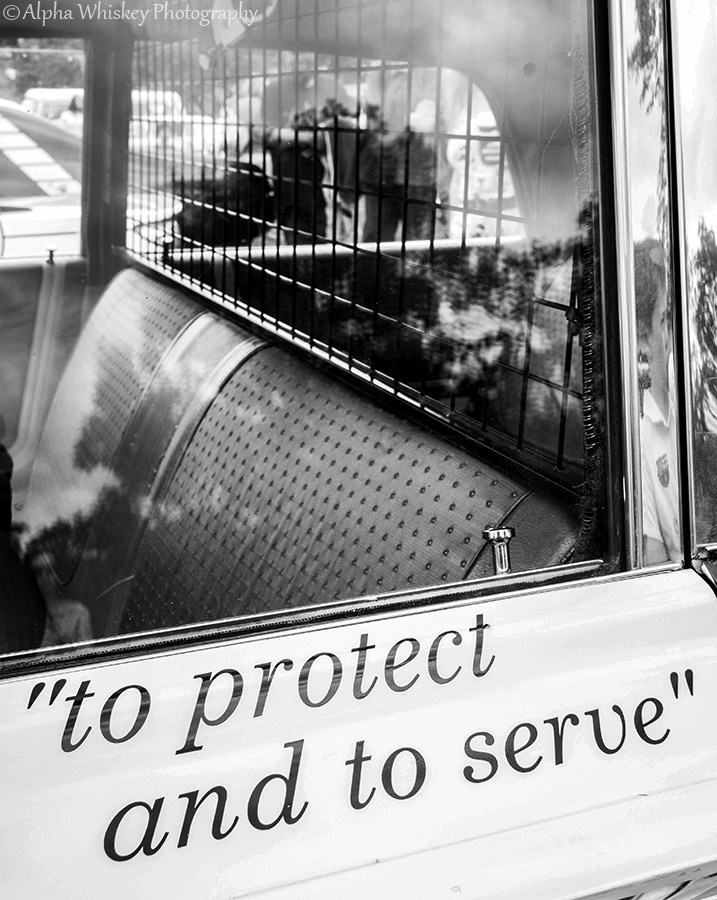
For certain shots, I found that black and white was appropriate to the subject, either because it was an older car or because it enhanced the classic appearance. Or simply because colour added nothing to the overall image.

22

21

Anyway, I hope you enjoyed at least some of these. T’is the season for summer fetes and festivals so do get out and have a look. There will always be something to shoot and make a study out of. Try to pack light, perhaps using just one small lens or a compact camera so that you don’t become consumed by the image making endeavour and actually enjoy the experience of whatever it is that you are shooting. It will also allow you to hold an ice-cream in your other hand. That’s obviously way more important than the photography.

23

24

12

Regards,
Sharif.

The post A Local Car Show appeared first on Photography Life.

Photography Life

Posted in Photograpy How To | Tagged , | Leave a comment

How To Choose Digital Photography Or Print Photography

In the past, you simply did not have to make a choice between any other photography methods than film. Everyone had a film camera and everyone either learned to develop their own film or took it to their local processor. Now, you do have a choice and many people who are used to film wonder, which is better. Today we have film cameras and digital cameras. Here are the pros and cons to using both digital and print photography.

The Pros of Digital
Digital cameras are great for most people. Perhaps the best thing about a digital camera is that you have instant access to the pictures you have taken. When you use a digital camera, you can immediately see the picture that you just took and determine whether or not you need to re-shoot that particular subject. In addition, when you take digital pictures, you can easily download the prints to your computer. You can store your pictures, enhance them and print them on your printer. In addition, digital prints make for easy storage. You can shoot thousands of digital pictures and store them on a couple of disk. Compare that to the boxes of printed pictures that you probably have in your home.

The Cons of Digital
There are many cons of using digital as well. For example, digital pictures are easily lost. If you are like most people, you probably download the pictures to your computer and never do anything else with them. If you do not back up your digital pictures to disk, all it takes is for your computer to crash one time and you have potentially lost hundreds of valuable pictures. Many people feel that digital pictures do not have the same look and feel as film prints. For this reason, most professional photographers still prefer to use film, instead of digital. Digital pictures can also become pricey if you print them out at home. A good quality printer paper, plus colored printer cartridges for your printer can add up quickly. .

The Pros of Film
As mentioned earlier, many professional photographers still prefer to use film to digital. If you take pictures for hobby, you can adjust your film camera to get the exact look that you want. This is not always the case with digital pictures. Some people prefer to use a film camera, so it forces them to have their pictures developed right away. Rather than leaving your memories on a disk, you have to have your print pictures printed. You will always have them in your hand to look at.

The Cons of Film
It seems that film cameras are losing popularity. Film is not as convenient as digital. He must wait to have pictures developed before you can look at them down is also expensive and having pictures processed, adds extra expense. In addition, when you use film, you must have everything on your roll of film printed out. You do not have the ability to scroll through and delete bad pictures on the spot as you do when you use digital.

When considering film over digital, one is really no better than the other. The choice has more to do with your personal preferences than anything else does. If you are considering buying a new camera, look at both film and digital to determine which ones are right for your use. I have three digital cameras, a 35mm camera and a standard film camera. If I had to choose, I would choose the digital because of the option to view pictures right away. This way you know if you are capturing the image the way you intended too. I have been caught to many times with fuzzy pictures, missing heads and so on. Another thing is with a digital camera, if you need glasses, you will still be in focus, where as with a 35 mm focus camera, you might have a surprise, fuzzy pictures, and you may never find another opportunity like that again.

Brian Scott is a full-time self-employed entrepreneur. Visit Brian’s free website, http://www.FastCashPhoto.com and learn about making money as a photographer and receiving free digital photography help.

Posted in Photography How To | Tagged , , , | Leave a comment