5 ways to get genuine reactions from kids in photos

I generally like to sit back in the shadows when shooting my own kids because I prefer to capture them in their element and I don’t like to force them into photos.

However, sometimes I get the urge to put them in a pretty setting or in one of my favorite spots in the house to get a somewhat “posed” photo. I use this term very lightly, because trying to pose little boys is excruciatingly painful and the looks I get when I try to get them to “smile at the camera” is comical at best. With that being said, I have a few tricks that I use to get real interactions and genuine reactions. Best of all, they work with kids of all ages!

1. Have backup

When I am shooting one at a time, I get their brother to get directly behind me to “help”. Making funny faces or telling a joke sometimes does the trick, but not always. My oldest two are really into YouTube videos, so they like to pull up a really silly video (which I struggle to find amusing, but whatever works) and play it behind me. There is nothing better than eyes closed, nose scrunched, big belly laughs. The laughter I get is amazing and best of all, it’s genuine!

Related: 6 ways to get kids to smile without saying cheese

photo of boy laughing with a scrunched nose by Kimberly Milano

2. It’s a secret

If I want two or more kiddos in the frame, I’ll sit them where I want them and tell them to either play a game of telephone or whisper a really funny secret that they don’t want mom to hear. (Potty talk seems to be a big hit, at least with my boys.) The connection this shows between brothers and the big smiles and laughter this produces makes this mama’s heart sing.

black and white photo of kids whispering by Kimberly Milano

3. Red Light, Green Light

Play a game of “red light green light”.  This can work with all ages! I love movement in photos, so this is a good way to capture connection AND movement all at once. Line up your kids and have them hold hands. So many people stop here, but that’s not where the magic happens. Playing “red light green light” gets them moving, laughing and having fun with each other.

picture of 3 kids running by Kimberly Milano

Click Away photography conference in Seattle 2016

4. Ring Around the Rosie

One of my favorite games to have them play is “Ring around the Rosie.” My oldest finds this kind of lame and I do get an eye roll occasionally, but for the most part, he humors me. Best of all, even if he thinks he’s “too big for this,” he does love to play with his baby brothers and he winds up enjoying making them giggle.

Related: 7 ideas to make photo shoots fun for kids

two boys backlit in a field by Kimberly Milano

5. Eskimo kisses

Who doesn’t love Eskimo kisses? I love how sometimes the giggles start before they even touch noses. I could photograph Eskimo kisses all day and it will never get old.

pic of two boys laughing together by Kimberly Milano

These are just a few tricks and tips you can use you to help your kids show natural emotion and not dread getting in front of your camera. Just use your imagination and make it fun for them! Put down the camera for a moment if you need to and get them playing. Just have your settings ready to go and when they get in their element, step back and start clicking away!

Related: Move It: Summer Murdock’s secret for authentic photos

The post 5 ways to get genuine reactions from kids in photos appeared first on Clickin Moms.


Clickin Moms

Posted in Photograpy How To | Tagged , , , , , | Leave a comment

Diana Ross Portrait Session Birchwood 20×25 Photo On

Diana Ross Portrait Session Birchwood 20×25 Photo On


Diana Ross Portrait Session” is an art print by Harry Langdon from the Archive Photos collection. Get photo prints of “Diana Ross Portrait Session” in a variety of frames, styles, and materials. Photographer Bio As a young kid Harry would visit his father, silent screen star Harry Langdon Senior, on the sound stages – watching intently as the crew built sets and prepared the cameras. Theatre and movies were in his blood, so his over 40-year (and counting) career as a highly sought-after portrait photographer to the stars comes as no surprise. But it’s his unique ability to keep his work fresh year after year that keeps him among the top commercial and glamour photographers in the world.

Price: $
Sold by Photos.com by Getty Images

Posted in Camera Settings | Tagged , , , , , , | Leave a comment

Tourists Visting Yellowstone National Park Canvas Gallery Wrap 20×25 Photo On

Tourists Visting Yellowstone National Park Canvas Gallery Wrap 20×25 Photo On


Tourists visting Yellowstone National Park” is an art print by Alfred Eisenstaedt from The Life Picture Collection. Get photo prints of “Tourists visting Yellowstone National Park” in a variety of frames, styles, and materials. Photographer Bio Alfred Eisenstaedt (1898-1995), or Eisie to those who knew him, received his first camera as a gift from his uncle at 14, a few years after moving to Berlin from Poland with his family. At 17, he was drafted to the German army. His interest in photography blossomed while recovering from a shrapnel wound. He became a regular at museums, studying light and composition. By 31, he was a full-time photographer. In 1933 he was sent to Italy where he shot the first meeting between Hitler and Mussolini. Two years later, when Hitler came to power, Eisie immigrated to America. Soon after arriving in New York, he was hired along with three other photographers-Margaret Bourke-White, Thomas McAvoy and Peter Stackpole-by Time Inc. founder Henry Luce for a secret start-up venture known as “Project X.” Six months later, Life magazine premiered on November 23, 1936. The first issue sold for 10 cents and featured five pages of Eisie’s pictures. His most famous photo was the kiss in Times Square on V-J day, about which he said, “I was running along the street grabbing any and every girl in sight. Whether she was a grandmother, stout, thin, old, didn’t make any difference. None of the pictures that were possible pleased me. Then, suddenly in a flash I saw something white being grabbed. I turned and clicked the moment the sailor kissed the nurse.” Over his career, Eisie shot a total of nearly 100 covers for Life magazine and some 10,000 prints. The Life Picture Collection From one of the most iconic magazines ever to hit the shelves comes The Life Collection – an archive of some of the most recognizable imagery of the 20th Century. Documenting events in politics, culture, celebrity, the arts and the American experience, these compelling and provocative photographs include the works of some of the greatest photographers capturing some of the greatest moments in history.

Price: $
Sold by Photos.com by Getty Images

Posted in Camera Photography | Tagged , , , , , , , , , | Leave a comment

Celestron 15x45X 50MM 45 Degree UpClose Spotting Scope

Celestron 15x45X 50MM 45 Degree UpClose Spotting Scope


This spotting scope is extremely lightweight (under two pounds) and comes with both a soft case and an aluminum case. The high-quality optics come at an economical price and with a limited lifetime warranty.

Price: $
Sold by Sam’s Club

Posted in Wildlife Photography | Tagged , , , , , , | Leave a comment

Photographing Birds-in-Flight with Nikon 1 J5

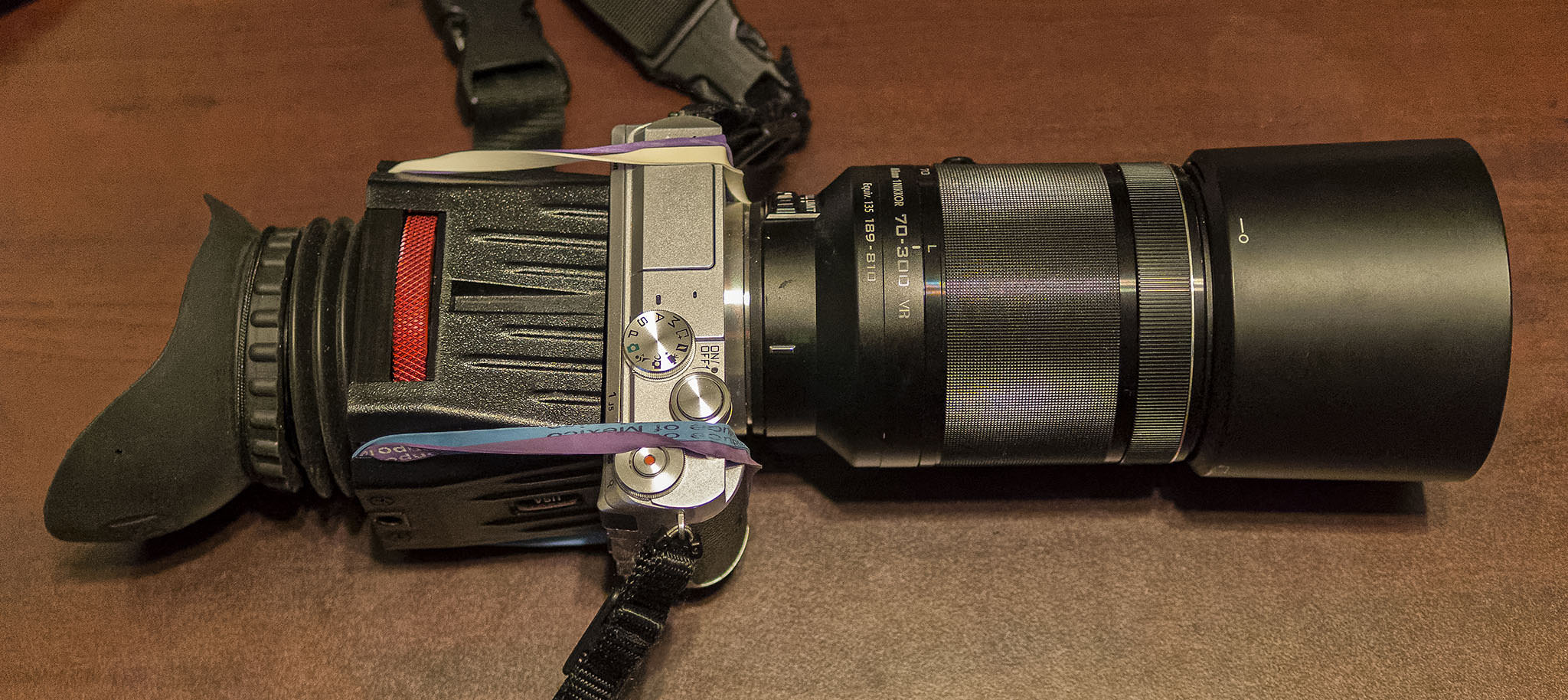
I’ve been quite busy with client work lately and I decided that I needed a break. So, today I headed out to photograph birds-in-flight with my Nikon 1 J5. As most folks know, this camera does not have a viewfinder, so I used four, thick elastic bands to attach my Zacuto Z-Finder to the rear of the J5. It ended up being reasonably snug against the back of the camera. While not particularly elegant looking, it did get the job done.

J5 BIF 1

NIKON 1 J5 with Zacuto Z-Finder attached with four elastic bands.

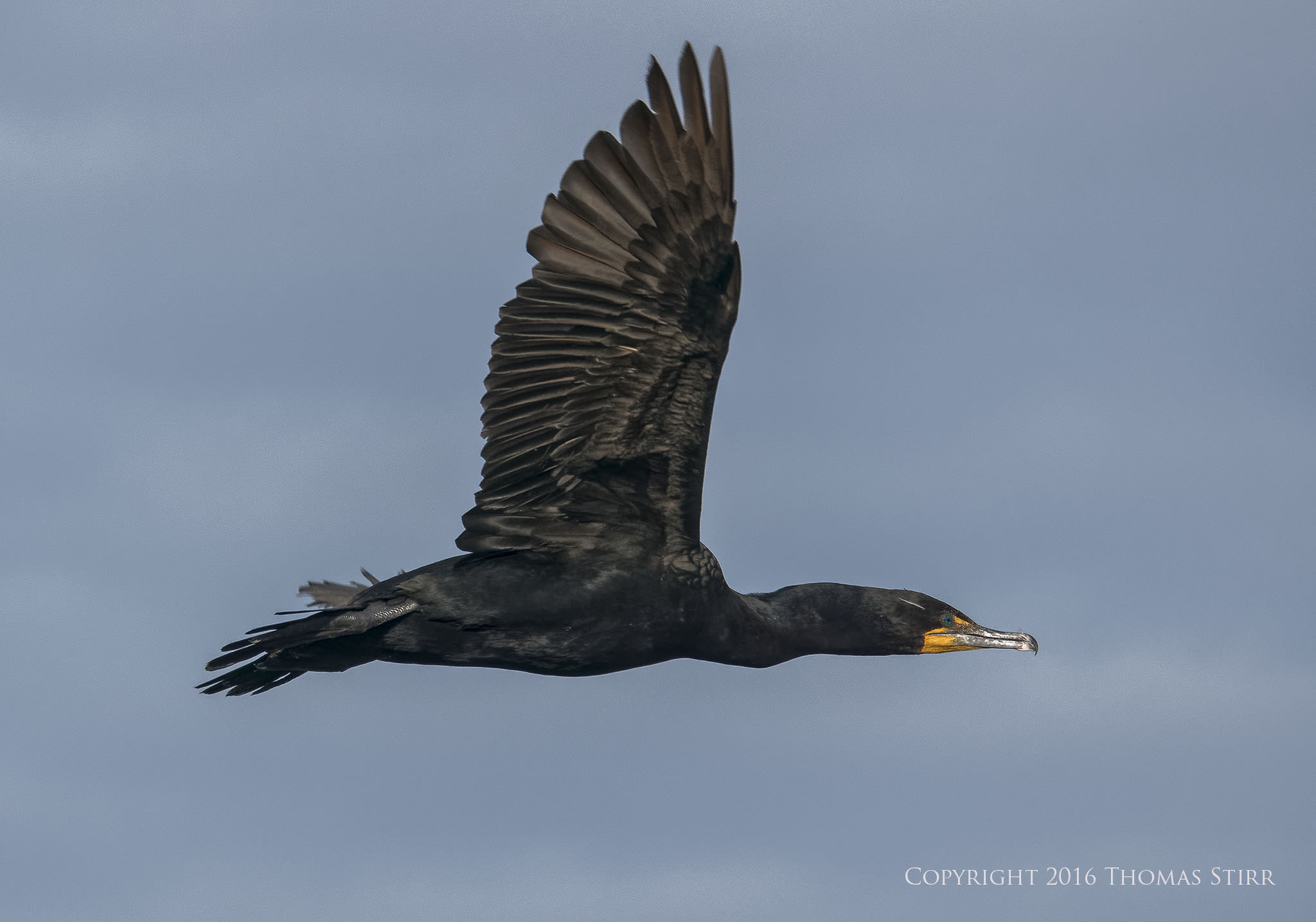
My first stop was Eastport Drive in Hamilton. I’ve visited this spot numerous times in the past to capture images of cormorants when they are in this part of Southern Ontario from spring through early fall.

J5 BIF 2

NIKON 1 J5 + 1 Nikon CX 70-300mm f/4.5-5.6 @ 186.1mm, ISO 360, 1/2000, f/5.6

Using the Nikon 1 J5 would not be my first choice of cameras to use for birds-in-flight. Many readers have been asking me about the suitability of the J5 for this type of photography. Since it was a decent day with sun and intermittent cloud I thought it would be a good time for a test.

J5 BIF 3

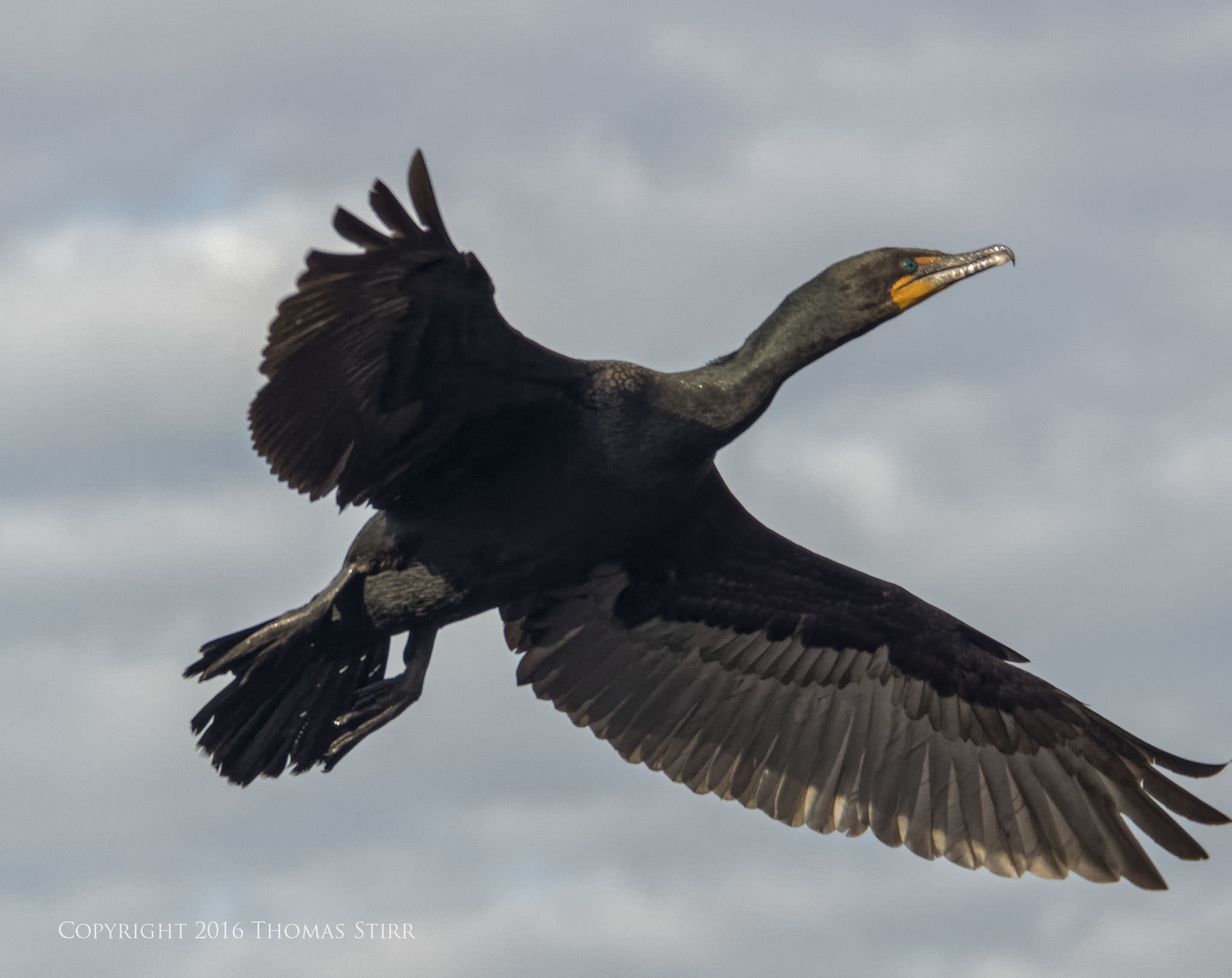
NIKON 1 J5 + 1 Nikon CX 70-300mm f/4.5-5.6 @ 129.4mm, ISO 640, 1/2000, f/5.6

I found that the AF-C on my Nikon 1 J5 was just a tiny bit slower than that on my V2s. I altered my technique slightly by tracking birds from a longer distance to allow more time for my J5 to acquire initial focus.

J5 BIF 4

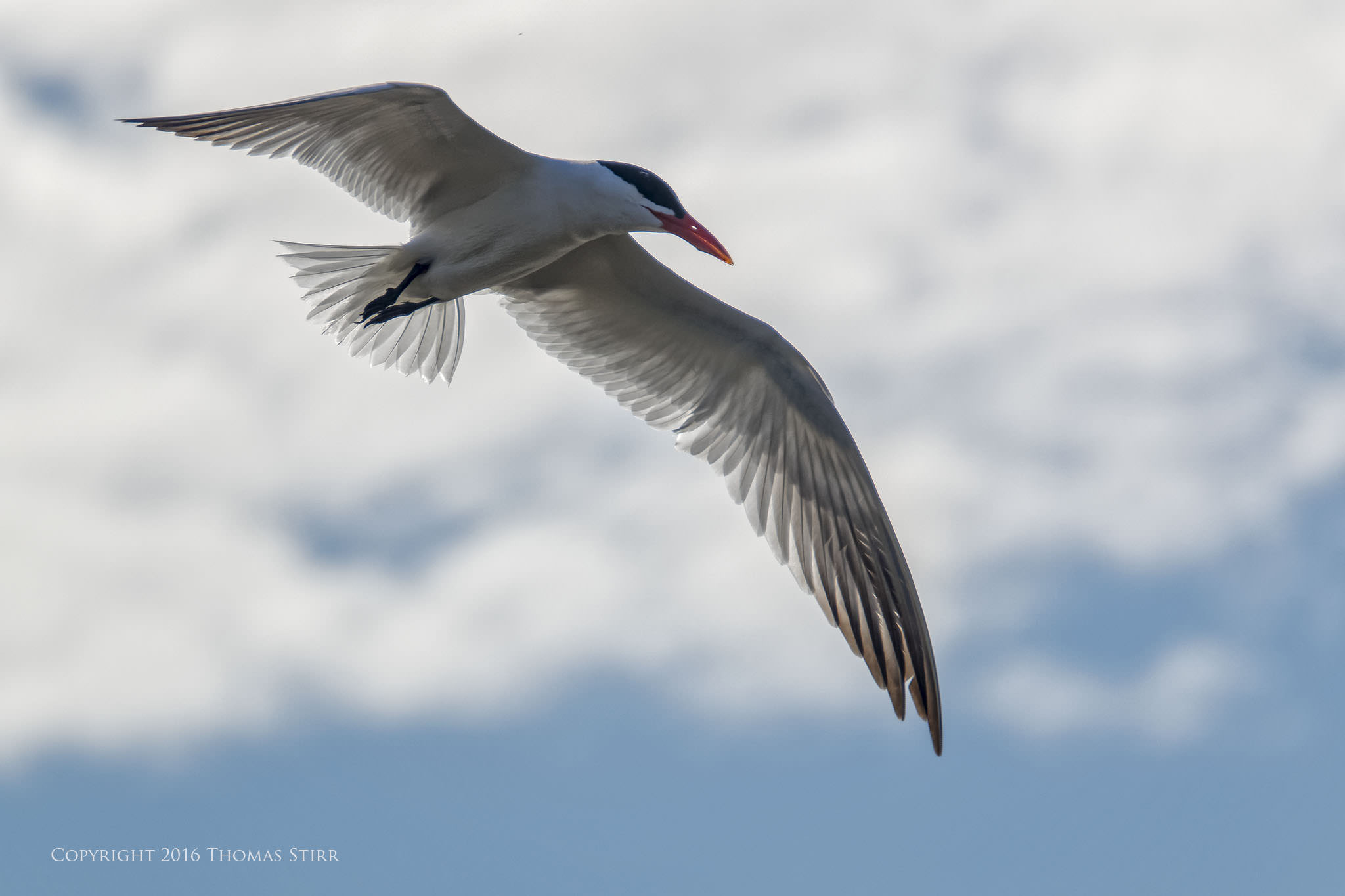
NIKON 1 J5 + 1 Nikon CX 70-300mm f/4.5-5.6 @ 300mm, ISO 160, 1/2000, f/5.6

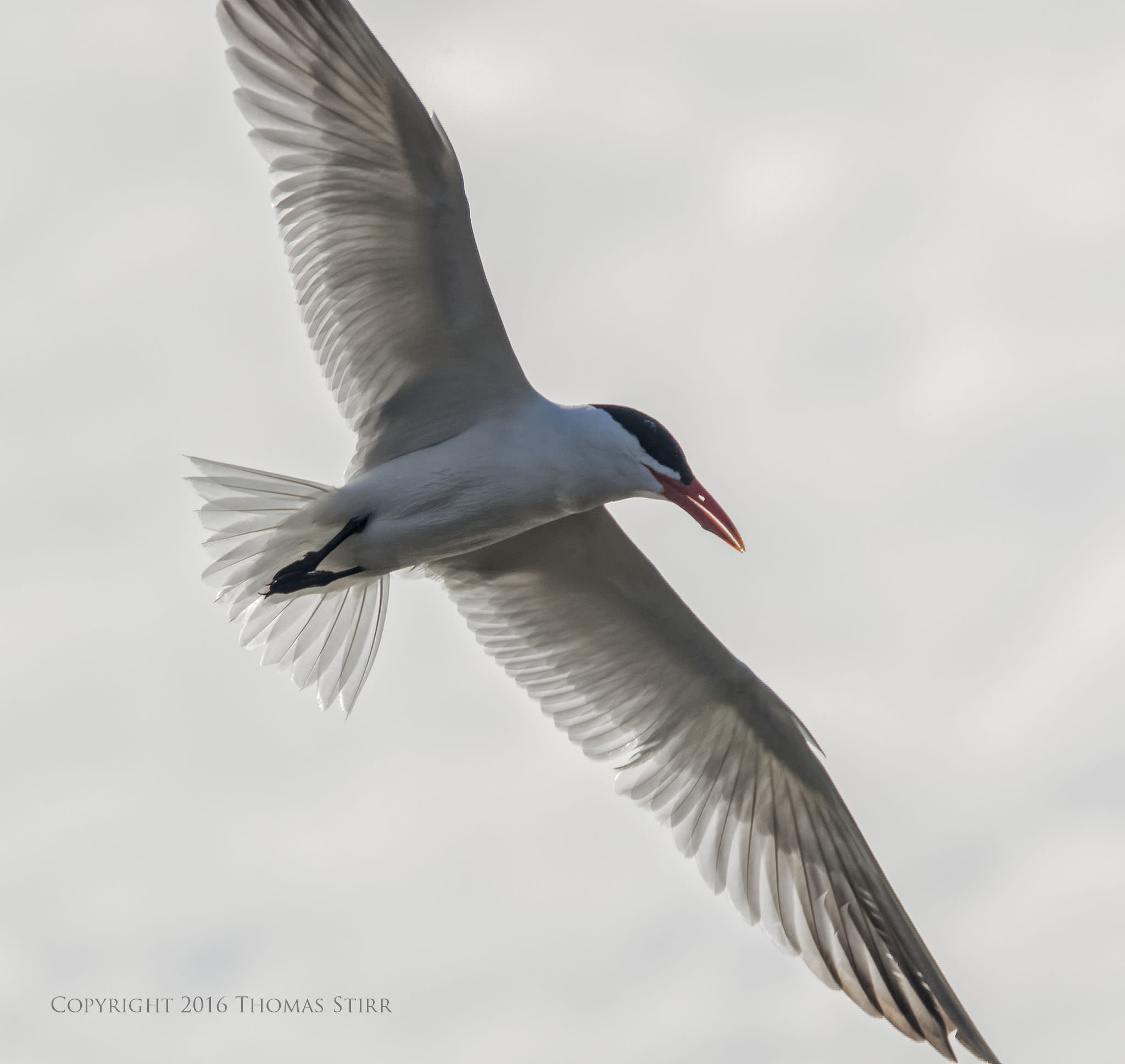
I headed off to Hendrie Valley to try my hand at capturing some terns in flight. I found that using the Zacuto created a different visual feel when trying to pick up and track birds. I had a much stronger feeling of motion when looking through the Zacuto and panning with it which caused some disorientation.

I certainly prefer the EVF on my V2s but it likely wouldn’t take too long to become acclimatized to using a loupe. I found using slower panning motions and shortening the focal length of my lens was helpful when using the Zacuto to try to locate subject birds.

J5 BIF 5

NIKON 1 J5 + 1 Nikon CX 70-300mm f/4.5-5.6 @ 300mm, ISO 160, 1/2000, f/5.6

The burst rate on the J5 is 20fps. Since the buffer is only about 20 images it fills up extremely quickly. Unfortunately the buffer clears very slowly on the Nikon 1 J5, even when using SanDisk Extreme Pro micro-SD cards. As a result I decided to use short mini-bursts to allow the camera to clear the buffer a bit at a time rather than clogging it up with one long burst. Even at that I did miss some photographs as the J5’s buffer still filled faster than the image opportunities presented to me.

J5 BIF 6

NIKON 1 J5 + 1 Nikon CX 70-300mm f/4.5-5.6 @ 300mm, ISO 500, 1/3200, f/5.6

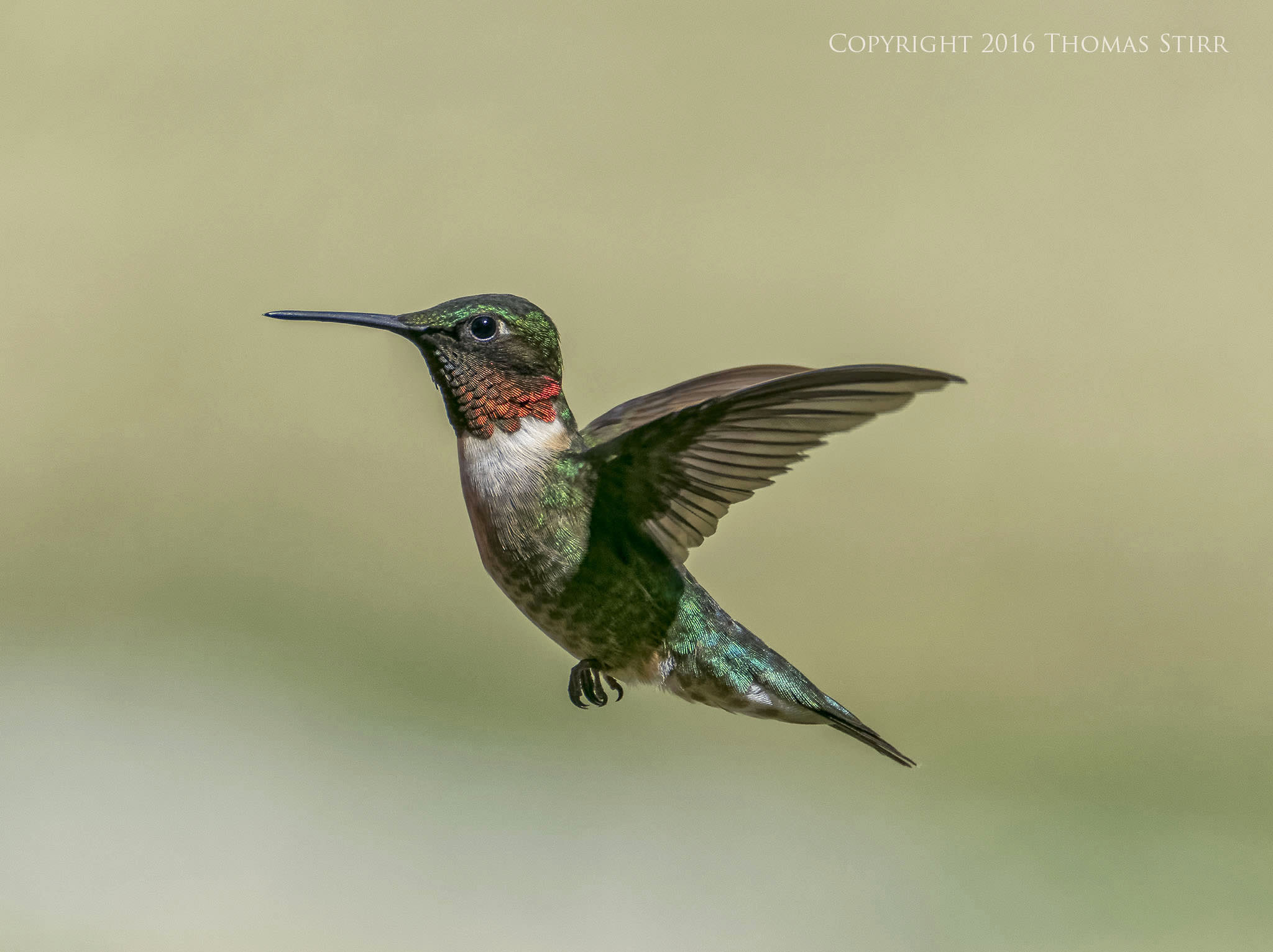
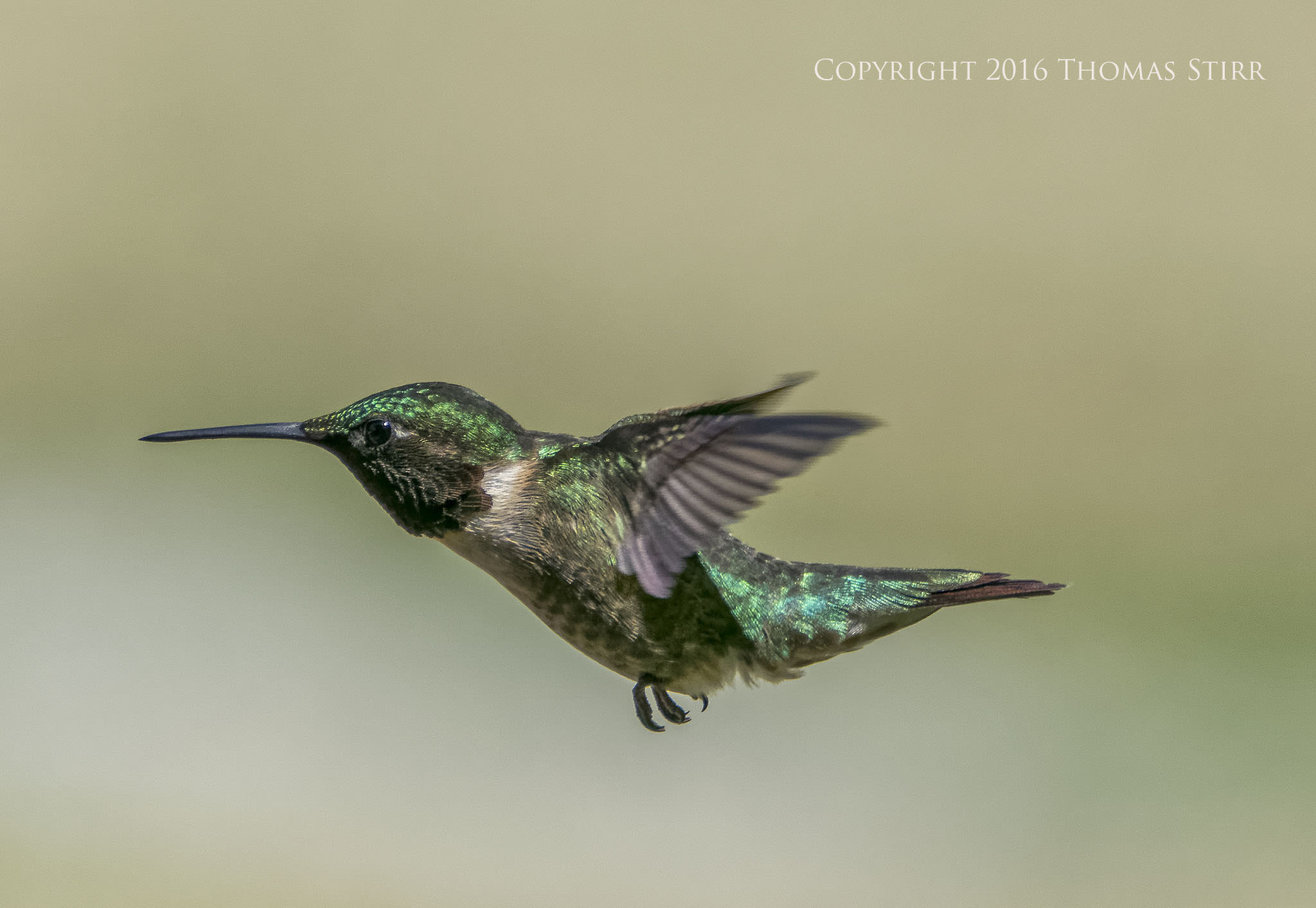
After spending an hour and a half at Hendrie Valley I headed off to Ruthven Park in Cayuga Ontario with the objective of photographing some hummingbirds in flight. Unfortunately the little guys didn’t cooperate very much and I only had a couple of decent opportunities to capture some image runs of individual hummingbirds near a feeder.

J5 BIF 7

NIKON 1 J5 + 1 Nikon CX 70-300mm f/4.5-5.6 @ 300mm, ISO 500, 1/3200, f/5.6

I used a shutter speed of 1/3200 to try to ‘freeze’ the wing movements at least somewhat. After my initial image captures I reset the J5’s shutter to 1/5,000th to ‘freeze’ the motion better, but I didn’t get any other hummingbird photo opportunities. Perhaps next time. The Nikon 1 J5 has an electronic shutter with a maximum speed of 1/16,000th.

J5 BIF 8

NIKON 1 J5 + 1 Nikon CX 70-300mm f/4.5-5.6 @ 129.4mm, ISO 160, 1/1600, f/5.6

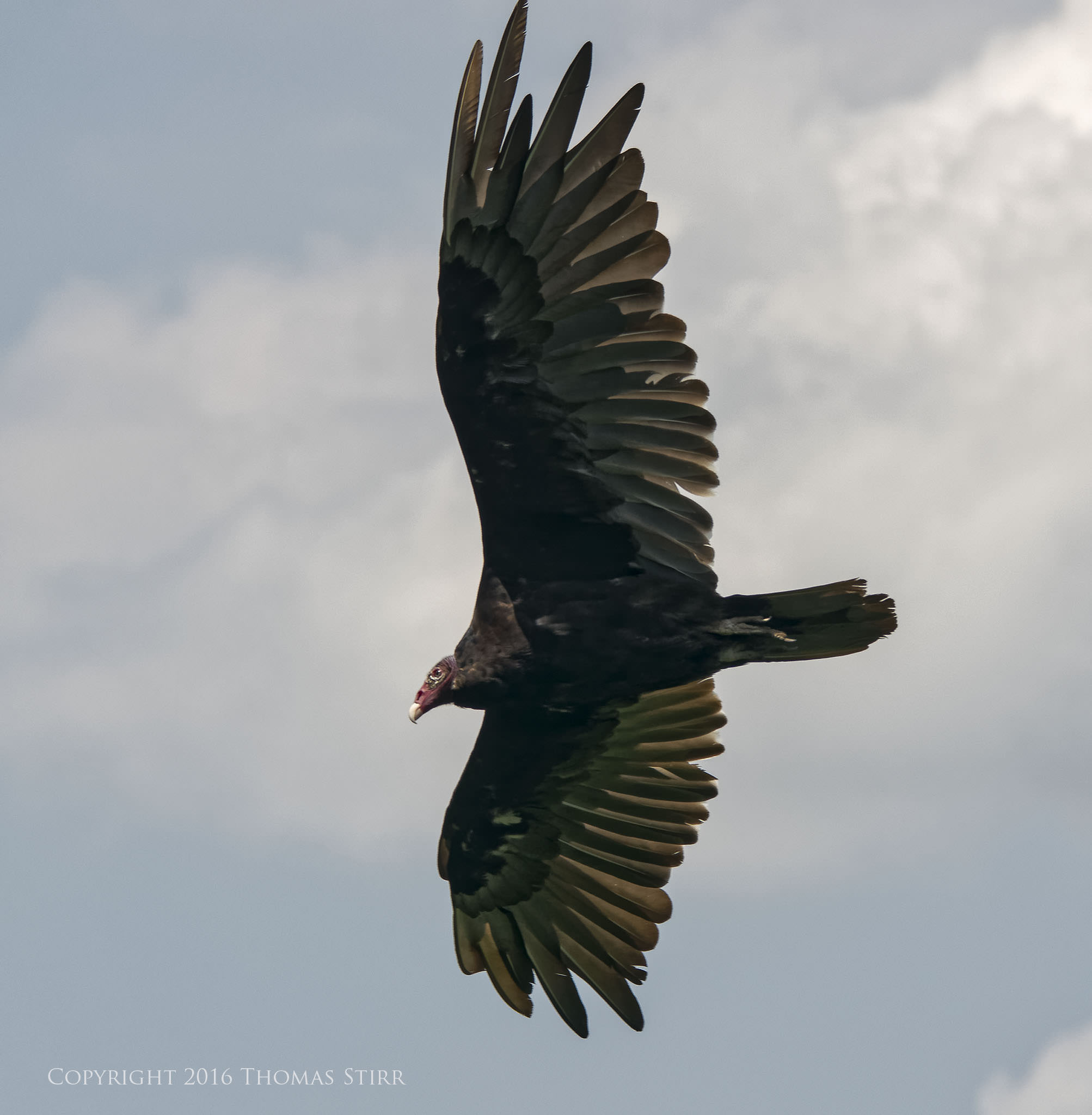
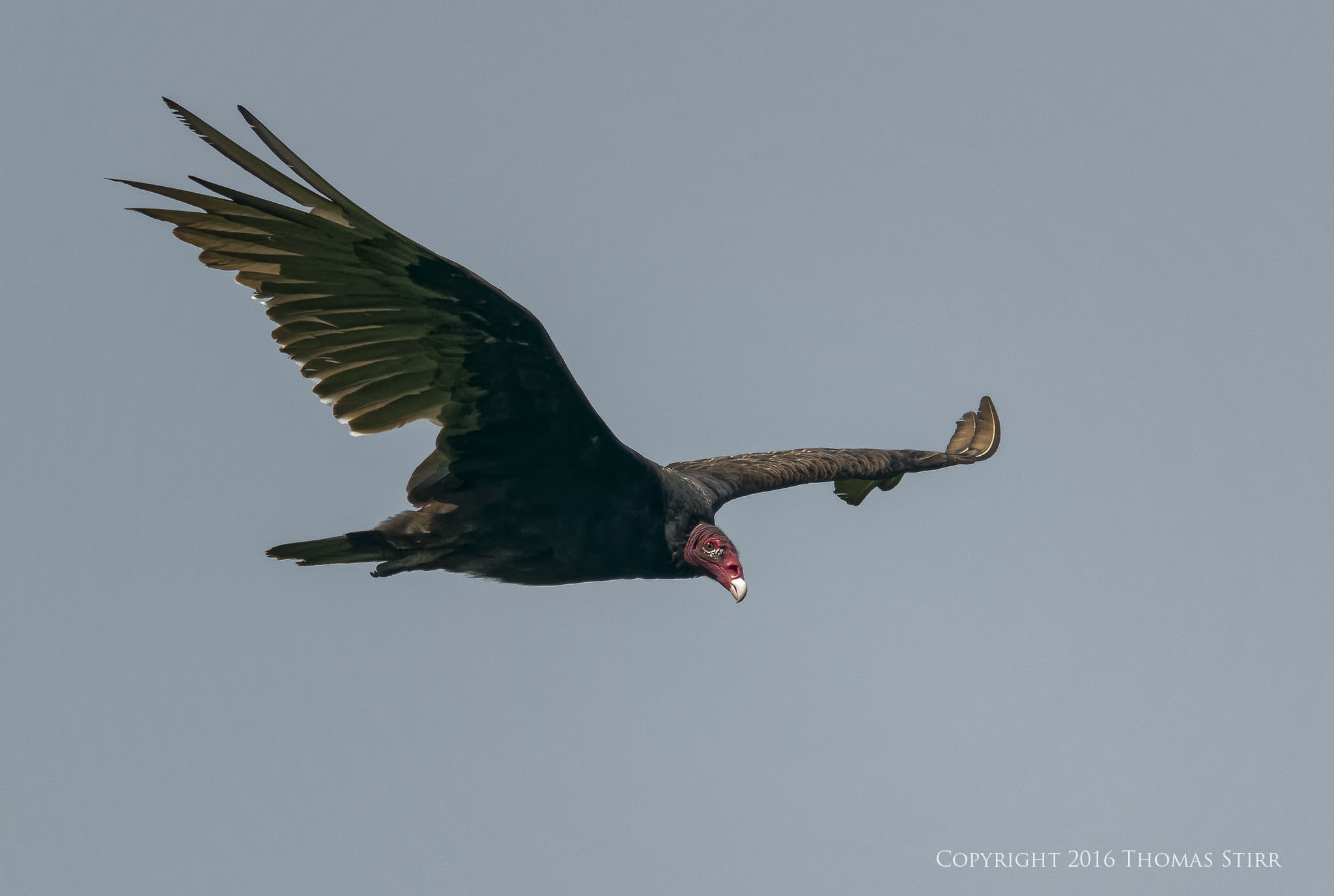
I finished off my day with a visit to the Niagara Gorge where I found what appeared to be a convention gathering of vultures riding the thermals. They likely headed off to the casinos later in the evening.

J5 BIF 9

NIKON 1 J5 + 1 Nikon CX 70-300mm f/4.5-5.6 @ 300mm, ISO 200, 1/2000, f/5.6

Even though I had been shooting with the J5/Zacuto combination all day I found that I was still missing some image opportunities as I still hadn’t developed the required eye/hand coordination and muscle memory needed. I did find that the J5’s AF-C performance wasn’t as good as my V2s. Late day I switched back to one of my V2 bodies, resulting in a higher percentage of keepers as would be expected.

While there were some shortcomings using the J5 for birds in flight in terms of AF-C focusing, buffer size and clearing speed, the sensor performance and added resolution were definite pluses.

A lot of Nikon 1 owners have been patiently waiting for an updated V-Series body that incorporates the new 20.8MP BSI sensor that is in the J5. Whether that camera will ever see the light of day is anyone’s guess at this point. In the interim, many Nikon 1 owners who photograph birds-in-flight on an occasional basis may find using a J5 with a loupe is an acceptable, near-term solution. This will be especially true for photographers who tend to take single images of birds-in-flight rather than AF-C image runs as the small buffer on the J5 and its slow clearing speed would not be significant issues for them.

Technical Note:
All photographs in this article were captured hand-held using a Nikon 1 J5 and a 1 Nikon CX 70-300mm f/4.5-5.6 zoom lens. The images were produced from RAW files using my standard process of DxO OpticsPro 11, CS6, and Nik Suite.

Article and all images are Copyright 2016 Thomas Stirr. All rights reserved. No use, duplication or adaptation of any kind is allowed without written consent. Photography Life is the only approved user of this article. If you see this article reproduced anywhere else it is an unauthorized and illegal use.

The post Photographing Birds-in-Flight with Nikon 1 J5 appeared first on Photography Life.

Photography Life

Posted in Photograpy How To | Tagged , , | Leave a comment