13 Photos That Will Inspire You to Visit Lapland, Finland This Winter

Even though Tiina Törmänen was born and raised in a small village in southern Lapland, in the middle of fairy-tale like woods and lakes, it wasn’t until she moved to Helsinki in 1998 that she became interested in photography – the exhibition posters on the subway peaked her curiosity. She quickly attended courses and bought her first camera from the savings from her paycheck. Since then, Törmänen developed an awe-inspiring style of photography, in part because she eventually moved back to the surreal landscapes of Lapland.

© Tiina Törmänen

© Tiina Törmänen

© Tiina Törmänen

How did living in Helsinki for 12 years influence your work?

Without that experience, I would see the world differently, and I would not be able to shoot the photographs I shoot today. At the time, I wasn’t even thinking about nature photography. I was more inspired by street photography. I got involved in many underground cultures, I shot life around me, I documented people. It was one hell of a ride.

Törmänen therefore advises anyone who is from a small village, to go and live in a big city, even if it is just for a little while. To her, that’s the only way to learn anything about life, people and cultures.

© Tiina Törmänen

© Tiina Törmänen

Eventually, Törmänen moved back to Lapland. To explain what is so special about Finland’s northernmost region, other than its “great infrastructure, easy access and amazing nature,” she referred to the Wikipedia page about the country’s”freedom to roam.”

The freedom to roam and related rights are called “jokamiehenoikeus” in Finnish and “allemansrätten” in Swedish (lit. “the everyman’s right”), similar to other Nordic countries. Everyone may walk, ski or cycle freely in the countryside where this does not harm the natural environment or the landowner. […] One may stay or set up camp temporarily in the countryside, pick mineral samples, wild berries, mushrooms and flowers, fish with a rod and line, row, sail or use a motorboat on waterways, and swim or bathe in both inland waters and the sea, walk, ski and ice fish on frozen lakes, rivers and the sea. […] The right is a positive right in the respect that only the government is allowed to restrict it as in the case of strict nature reserves.

© Tiina Törmänen

© Tiina Törmänen

© Tiina Törmänen

Törmänen does admit that someone who actually lives in Lapland, eventually “gets used” to the beauty the region has to offer. She still loves its winter, but usually spends summers traveling south and meeting friends. So what’s a summer in Lapland like? “Swimming and misty forests at midnight,” she says.

Tell us about your most exceptional shooting experience.

Last winter, I wanted to go to this specific hill, and I had to drive for 65 kilometers with a snow mobile to get there. It took longer than I thought, because the route was in such a bad shape, and I couldn’t ride recklessly in the middle of nowhere. After about 4-5 hours, I arrived at the foot of the hill, and I still had to walk up in deep snow. That also took longer than I expected, and I ended up missing the sunset I initially went out there for. But then some auroras appeared. I only had a brief time to take pictures, because I still had a long way back, but it was worth it.

© Tiina Törmänen

© Tiina Törmänen

Nowadays, Törmänen fills her winter days with teaching photography workshops. She loves to take people out with her to some of Lapland’s most amazing places, and loves to share her shooting skills with them. If you’re interested in tagging along: visit her website! If you just feel like keeping track of her photography, you can find her on Facebook and Instagram.

© Tiina Törmänen

© Tiina Törmänen

© Tiina Törmänen

Resource Magazine

Posted in Photograpy How To | Tagged , , , , , , | Leave a comment

Shooting in the Moment

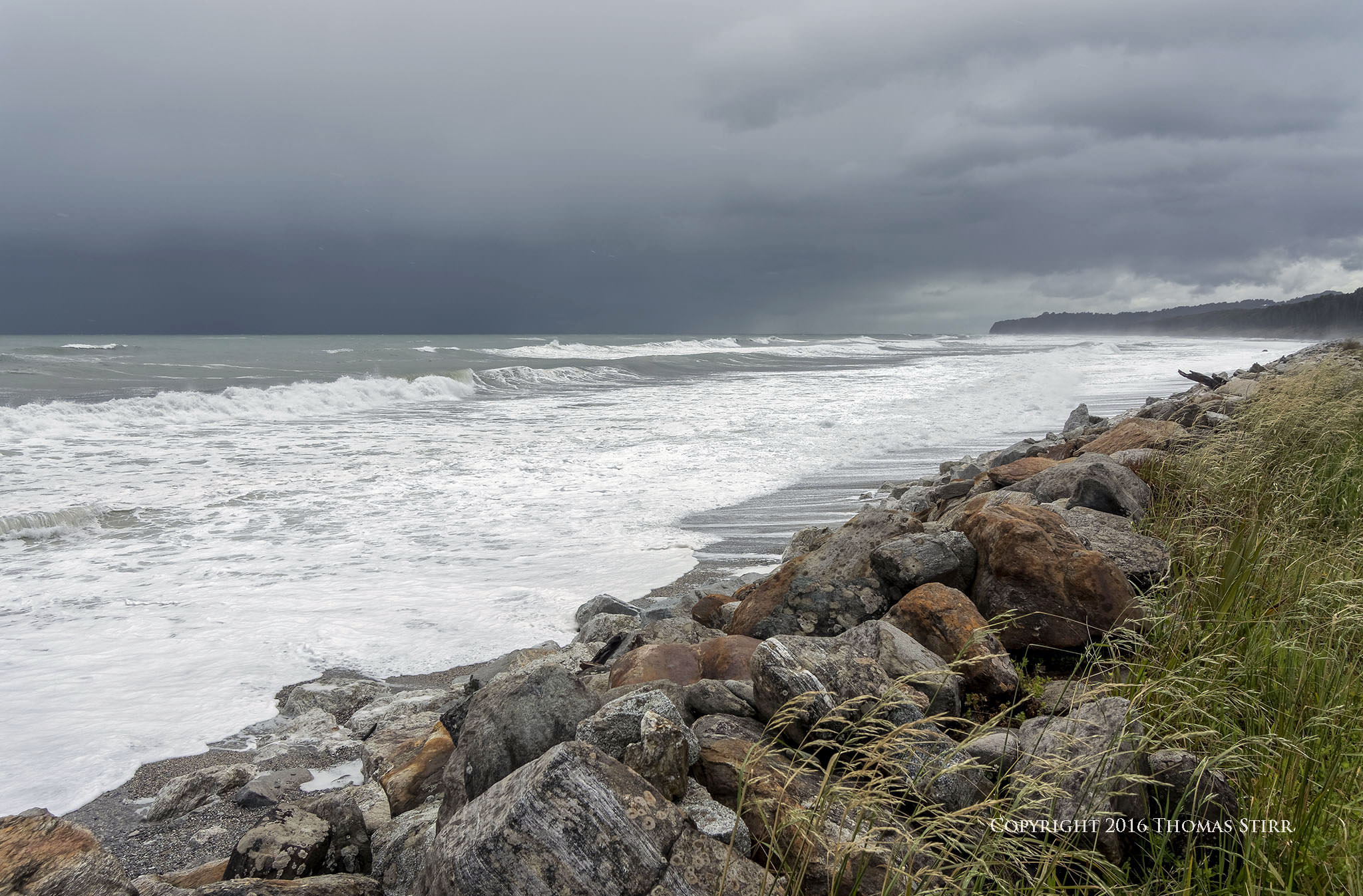
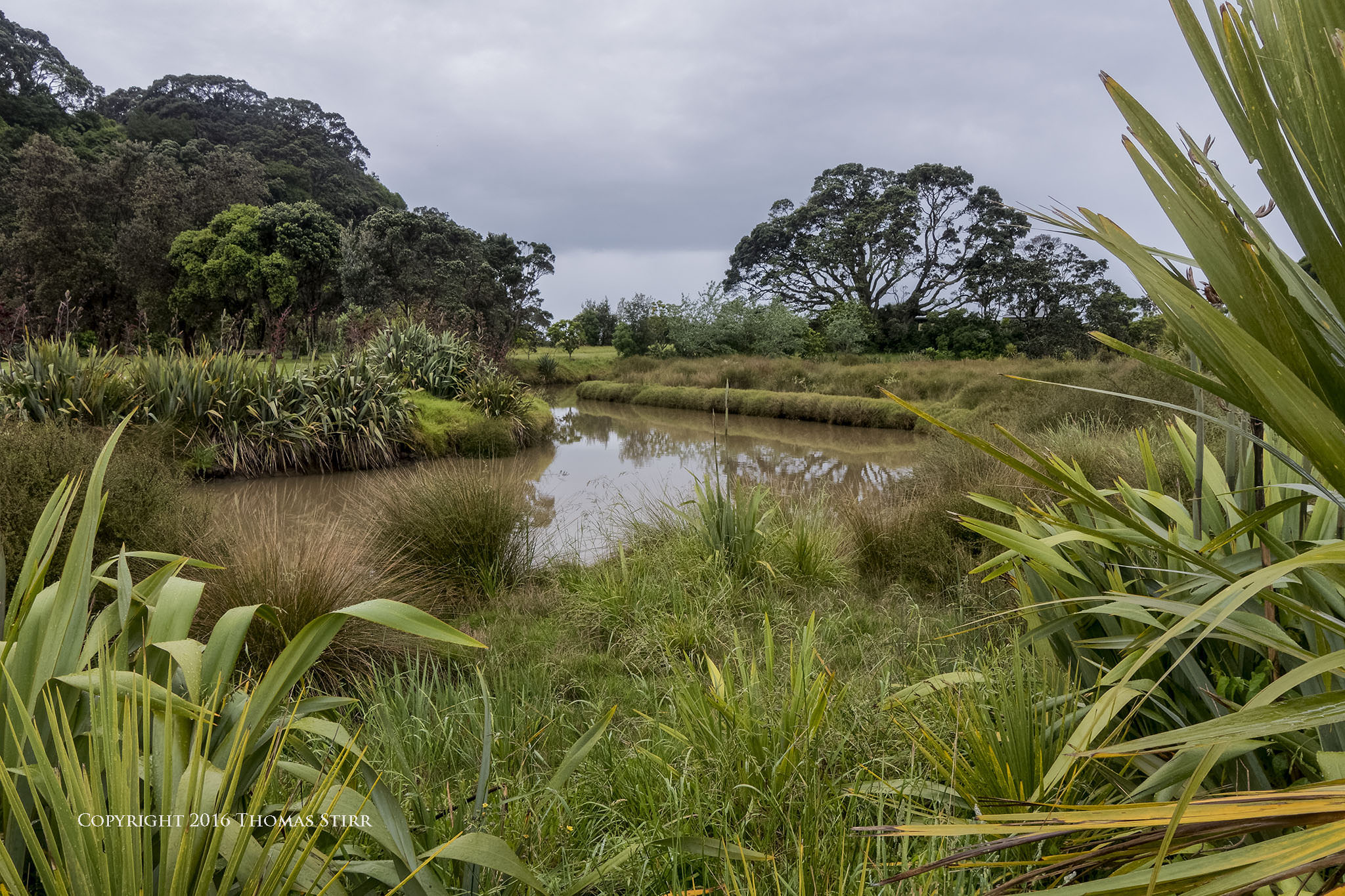
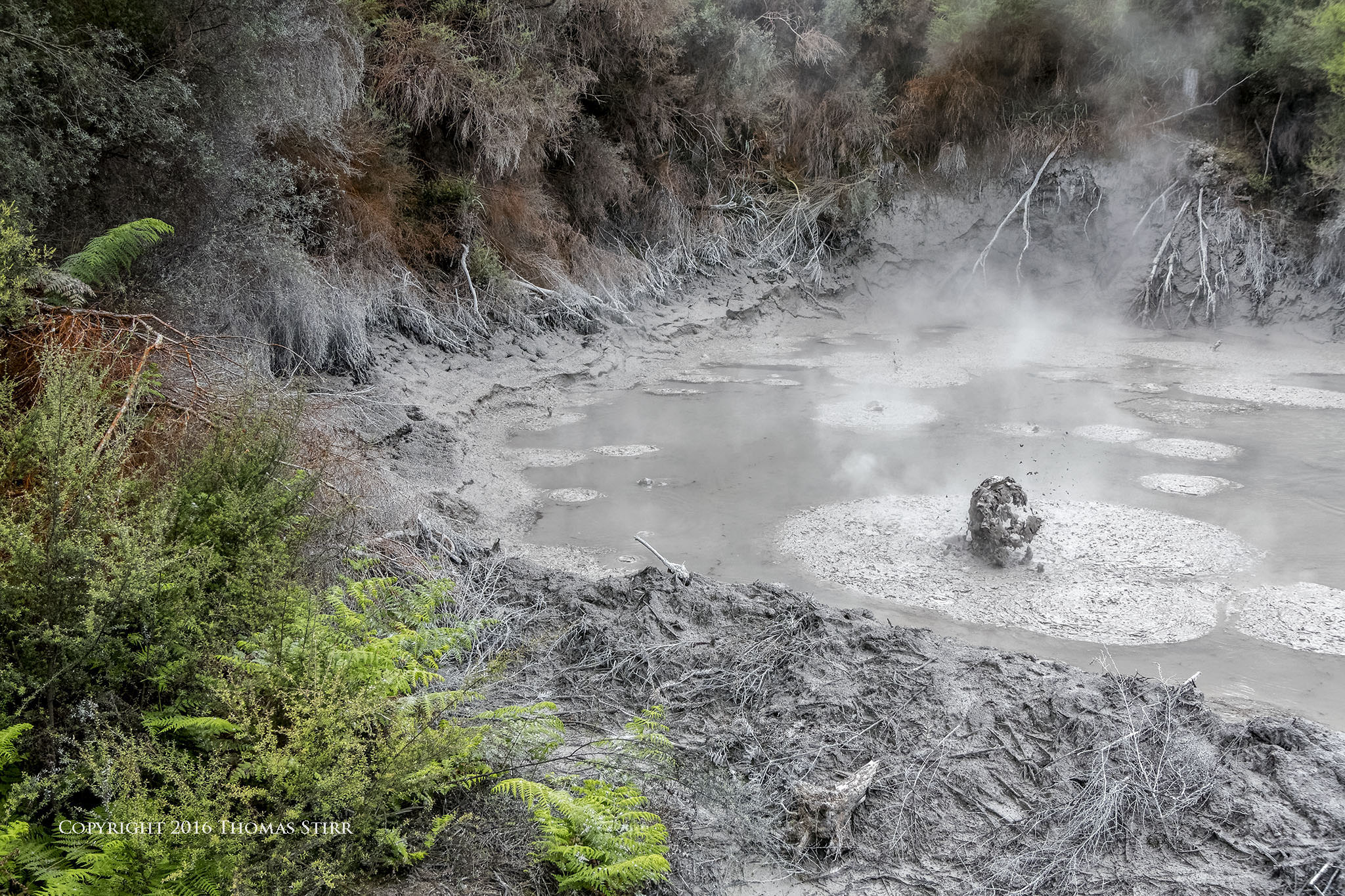
This article will very likely be my last one for 2016 here at Photography Life due to an enormous workload I’m under right now preparing images and writing text for five photography related e-books I have planned for 2017. I’d like to extend a special ‘thank you’ to Photography Life reader, Waldemar Seybold, for writing a comment on my most recent Photography Life article which became the creative spark for this posting. This article will give you a sneak peak at 18 images that represent a very small sampling of the photographs that I’ve been working on for one of my planned e-books – photography in New Zealand. All are examples of ‘shooting in the moment’.
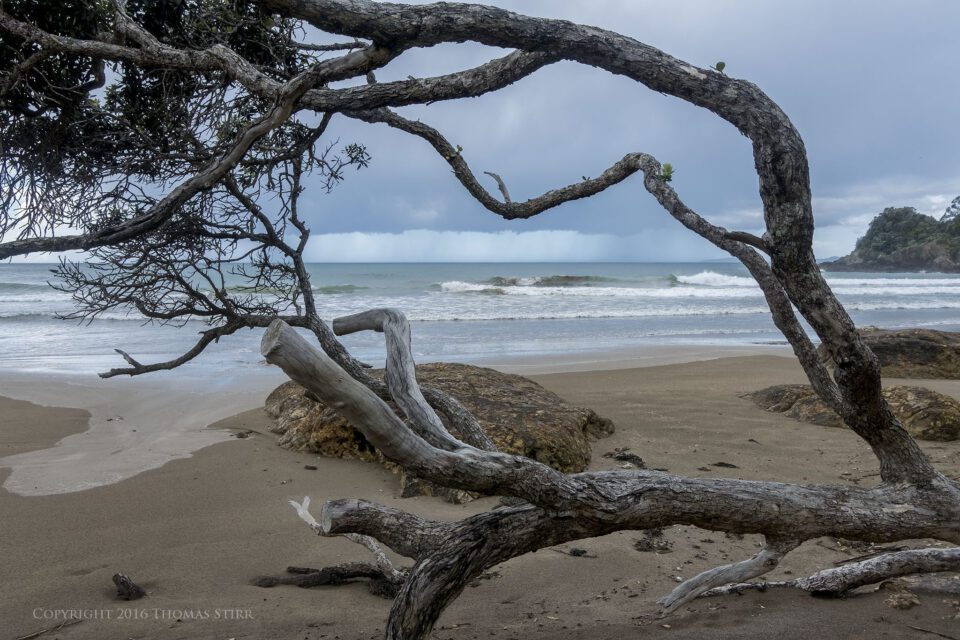
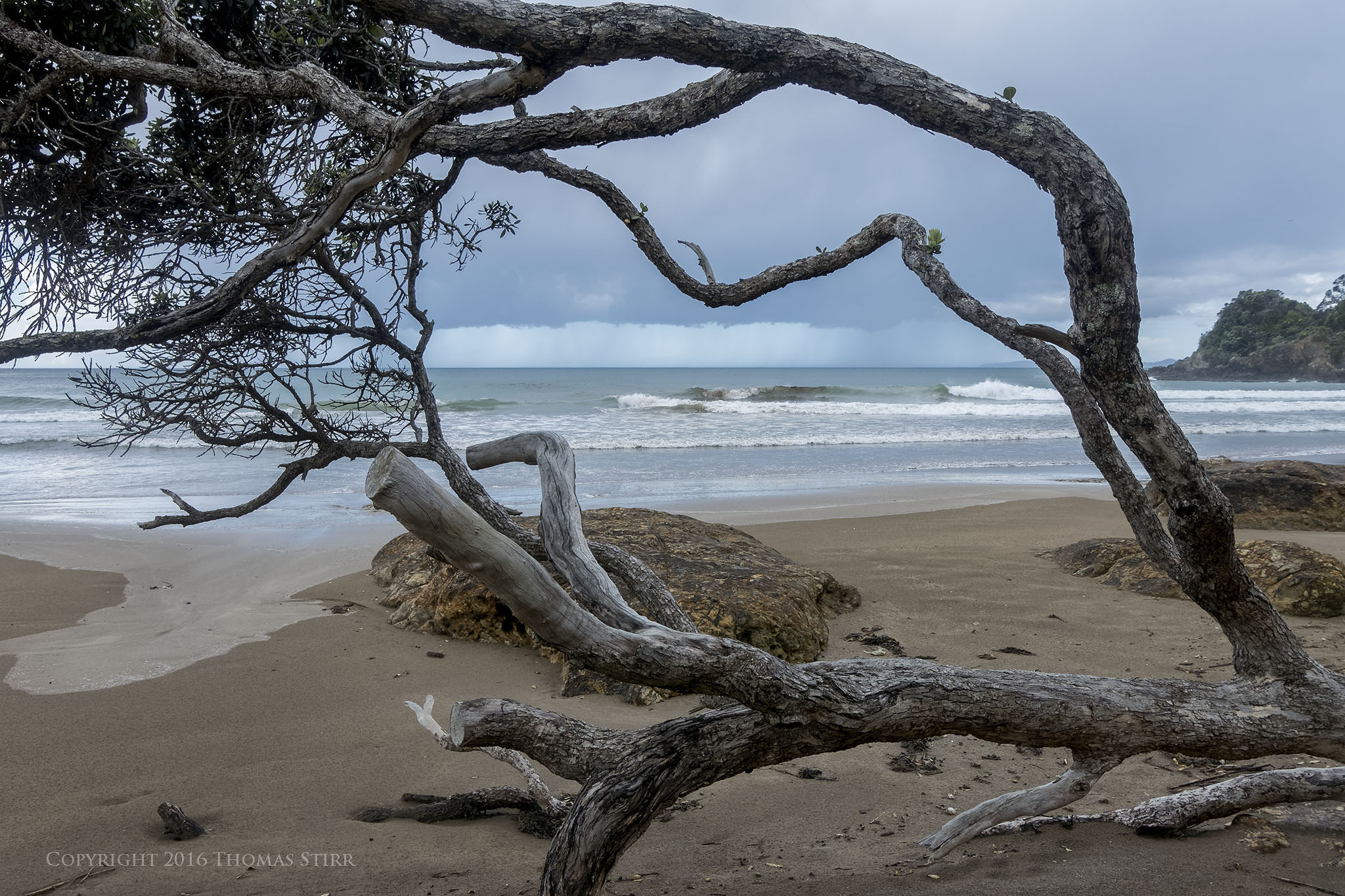
in the moment 1

NIKON 1 J5 + 10-100mm f/4-5.6 @ 10mm, ISO 160, 1/100, f/7.1

As photographers each of us brings our unique approach and perspectives to the images that we create. Many photographers are extremely disciplined, expert craftspeople and artists who produce simply amazing images that touch our souls while also providing clear evidence of technical mastery. Each photograph is painstakingly planned and executed.
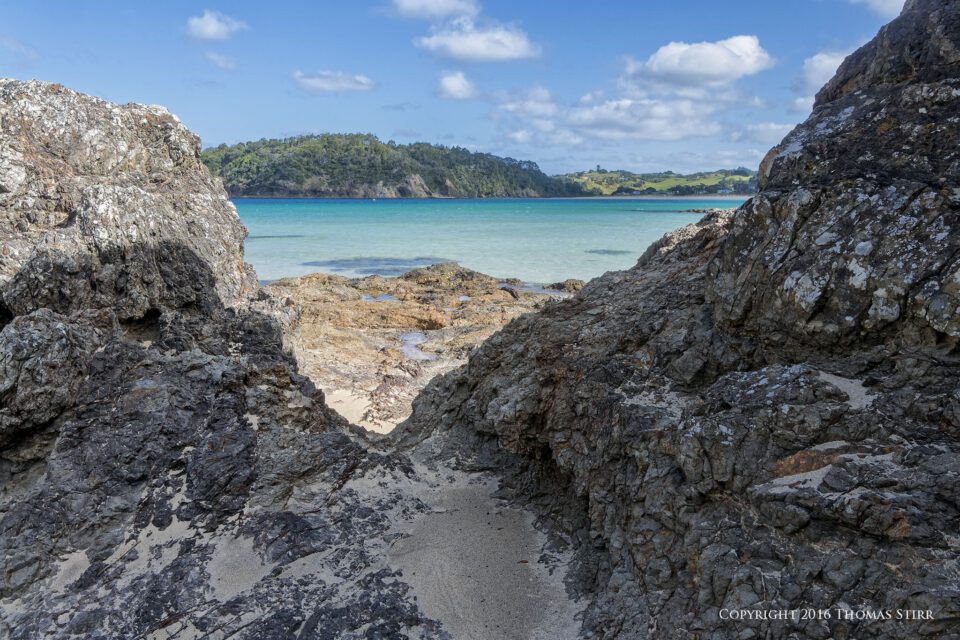
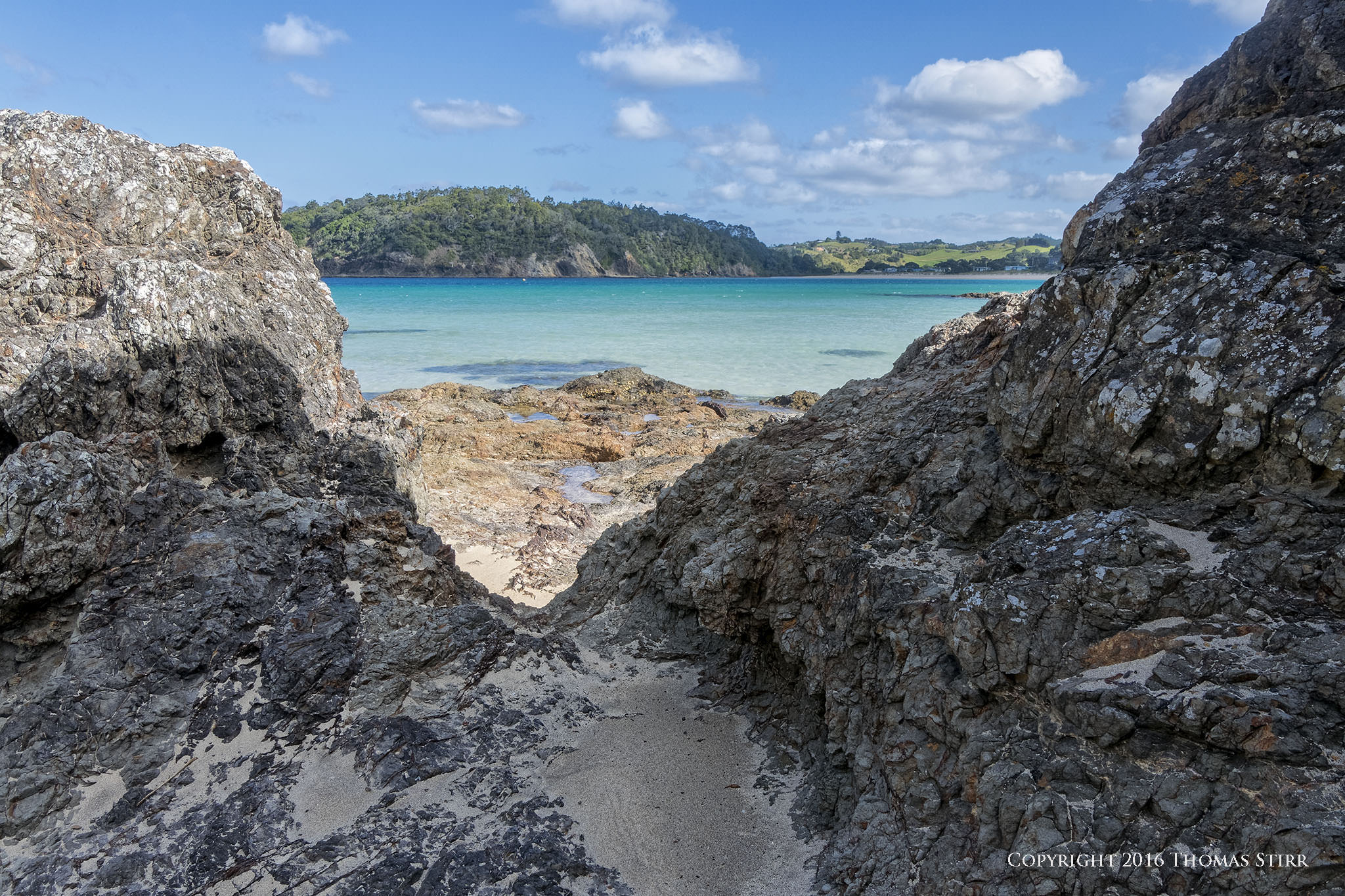
in the moment 3

NIKON 1 J5 + 10-100mm f/4-5.6 @ 10mm, ISO 160, 1/125, f/8.0

Other photographers, including myself, are more experiential and experimental in our approach to capturing the world around us. There are as many approaches as there are photographers. No approach is better than another, they’re just different.
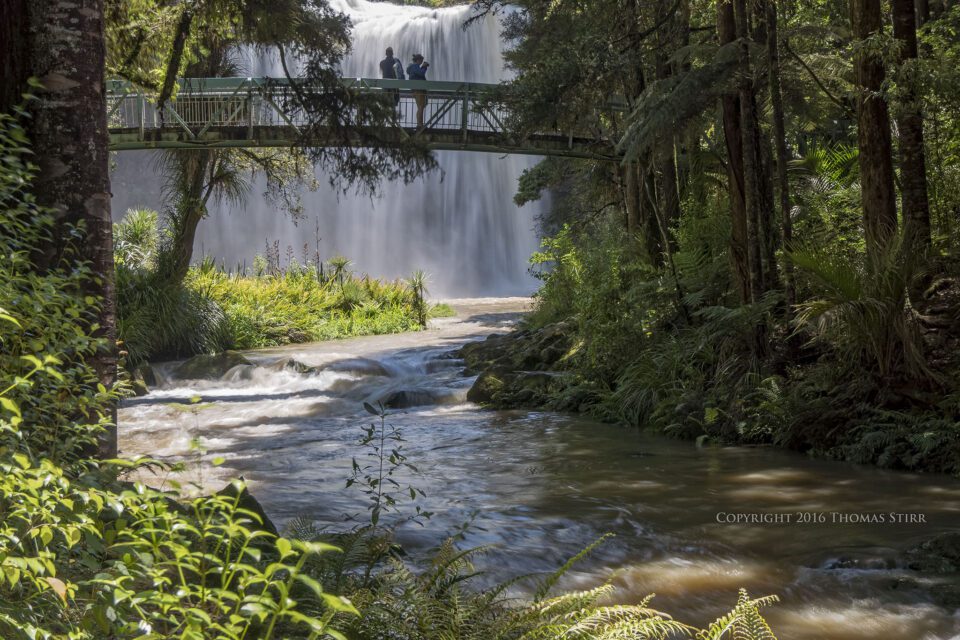
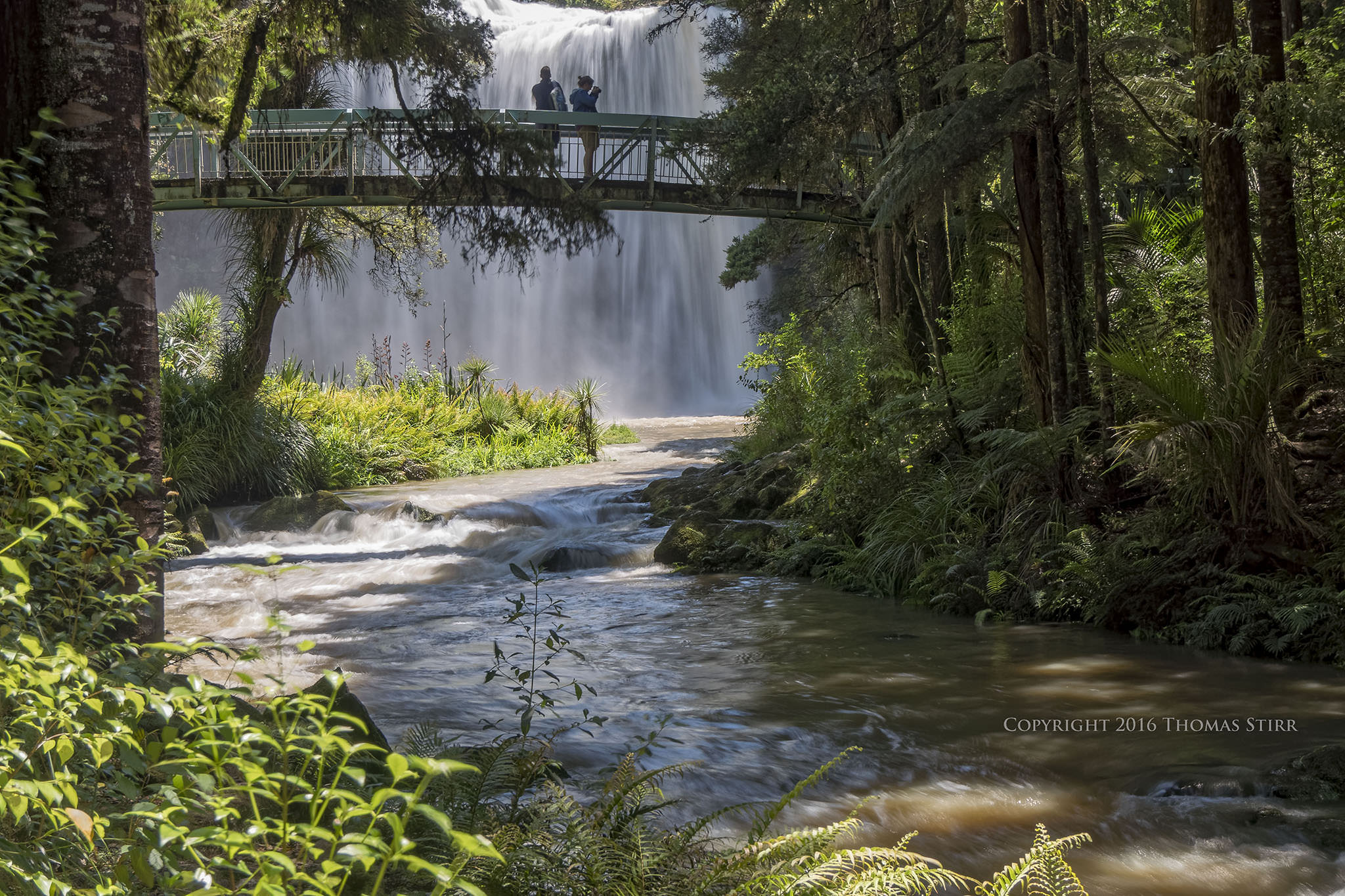
in the moment 2

NIKON 1 J5 + 10-100mm f/4-5.6 @ 20.3mm, ISO 160, 1/4, f/8.0

I’m the first person to acknowledge that I am not the most organized planner when it comes to my photography adventures. I do some research and pre-plan a basic route as practical considerations such as booking motel rooms etc. in advance need to be addressed. And, I do consider in advance what gear I’m planning to use.
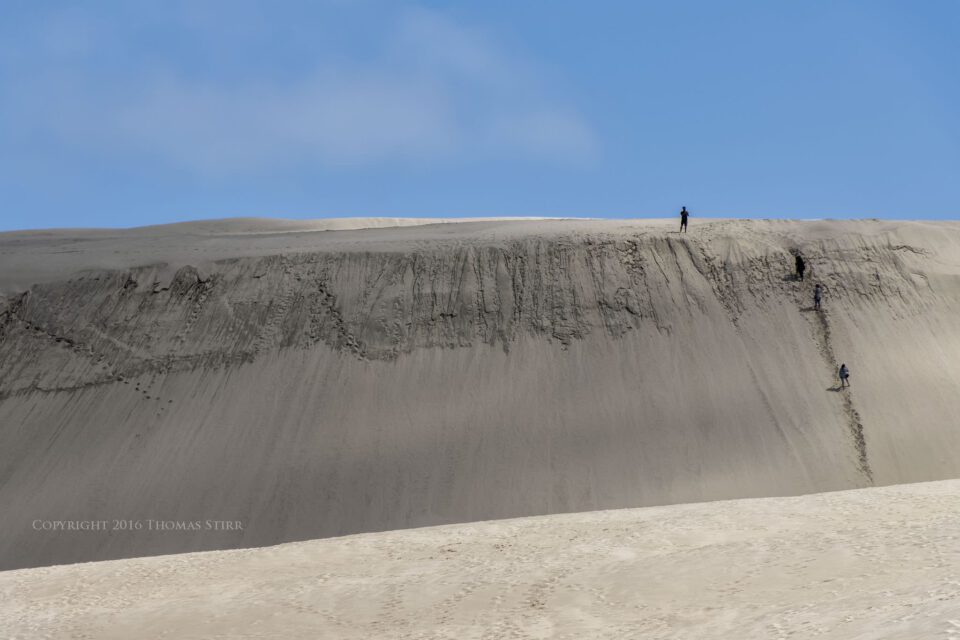
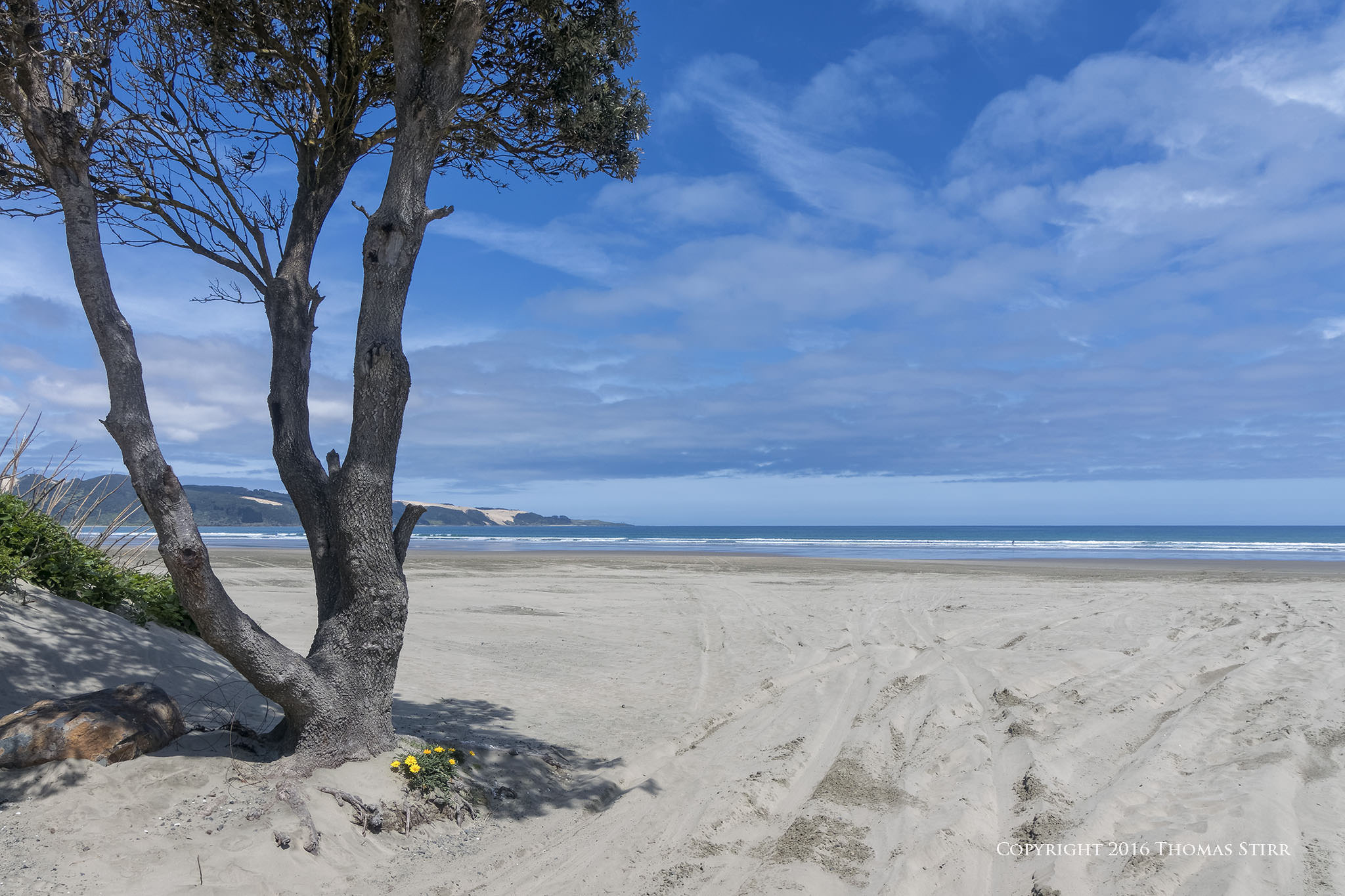
in the moment 4

NIKON 1 J5 + 10-100mm f/4-5.6 @ 100mm, ISO 160, 1/500, f/8.0

This usually is kept to a minimum and for about the last 18 months or so has been a trio of Nikon 1 bodies with a different 1 Nikon zoom lens attached to each (6.7-13mm f/3.5-5.6, 10-100mm f/4-5.6, 70-300mm f/4.5-5.6). I also include all of the spare batteries I own for those cameras along with battery charges, a filter or two for my 1 Nikon 10-100mm f/4-5.6 zoom lens, a host of memory cards, a sensor cleaning gel stick and some lens cleaning supplies, and perhaps a tripod with head. From time to time I will add a 1 Nikon 30-110mm f/3.8-5.6 zoom along with a set of extension tubes. All of the camera gear, other than the tripod and head, has to fit in a single Tenba Shoulder bag and weigh no more than about 5kg in total since I like to travel light.
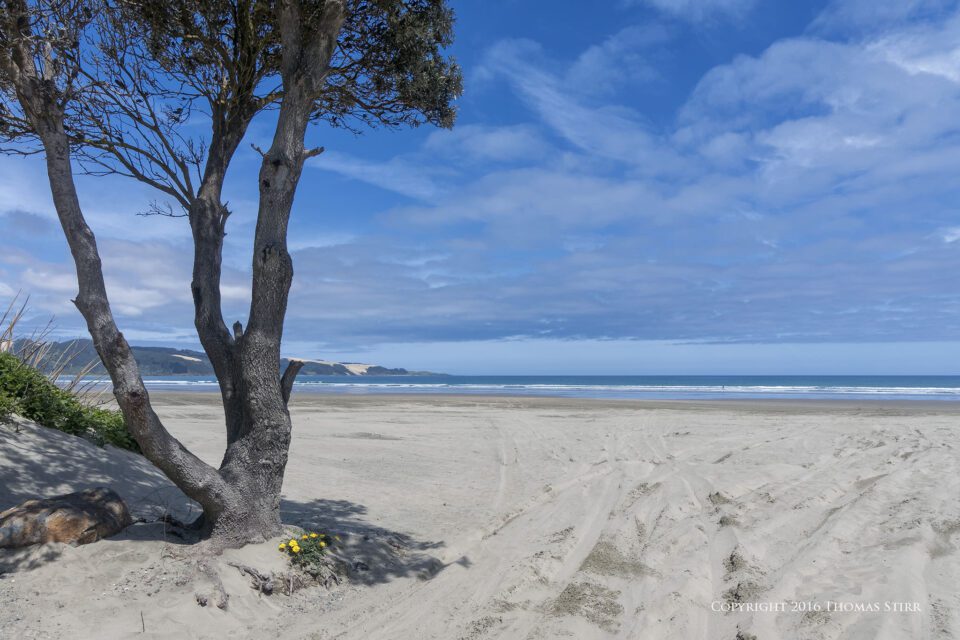
in the moment 5

NIKON 1 J5 + 10-100mm f/4-5.6 @ 10mm, ISO 160, 1/400, f/8.0

I love the challenge of capturing images in the spur of the moment, letting my spirit move me at will. In my entire life I’ve only gotten up at dawn to capture a pre-planned image once. The results of the exercise were quite pleasing visually but I did not enjoy the lack of spontaneity associated with the experience so I never felt the need to do it again.
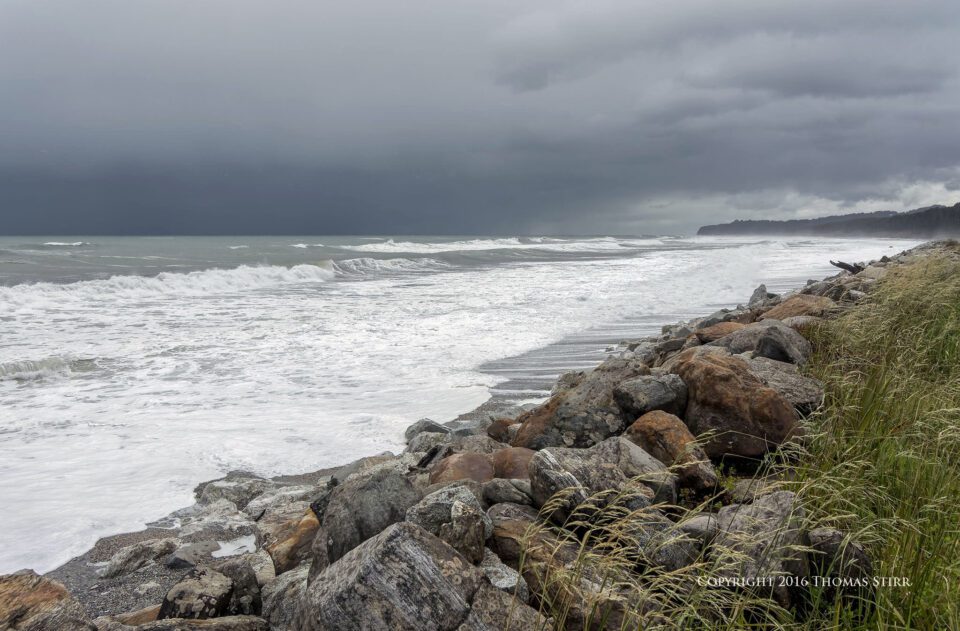
in the moment 5a

NIKON 1 J5 + 10-100mm f/4-5.6 @ 10mm, ISO 160, 1/1000, f/5.6

Unless I absolutely have to because of a very slow shutter speed I never use a tripod. Being separated from having my camera in my hands disconnects me from being in the moment.
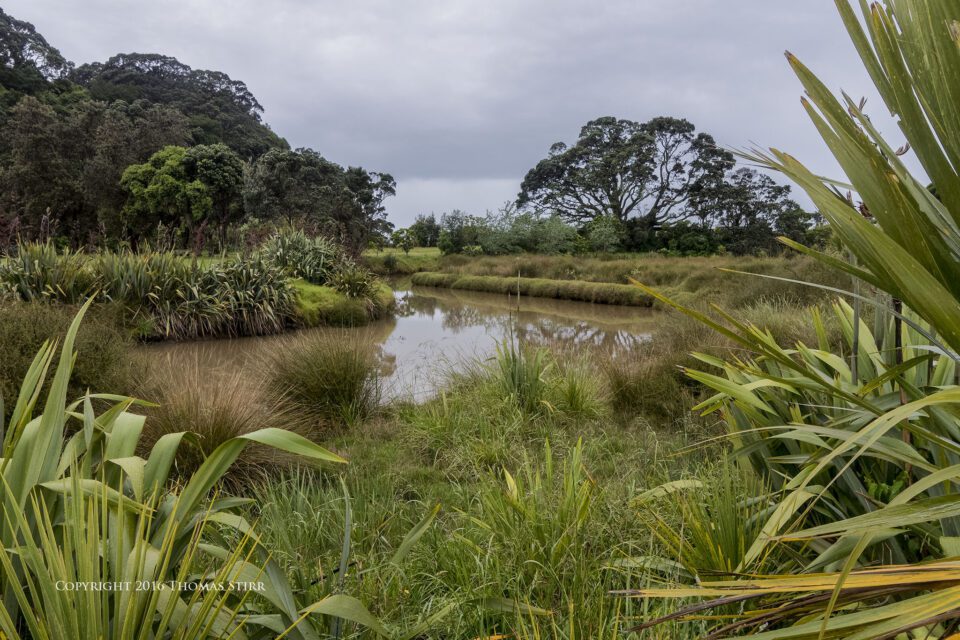
in the moment 6

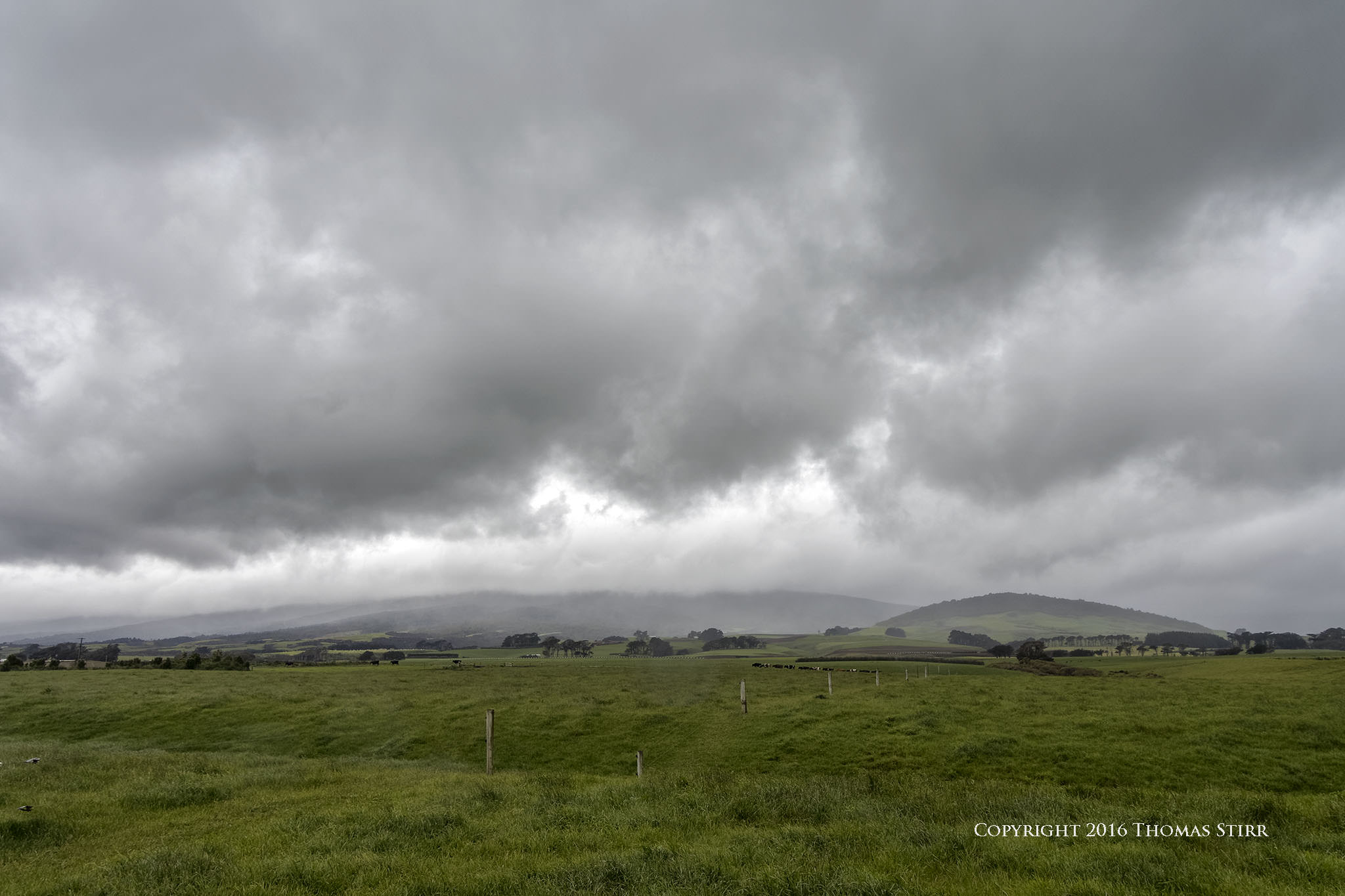
NIKON 1 J5 + 10-100mm f/4-5.6 @ 10mm, ISO 800, 1/320, f/8.0

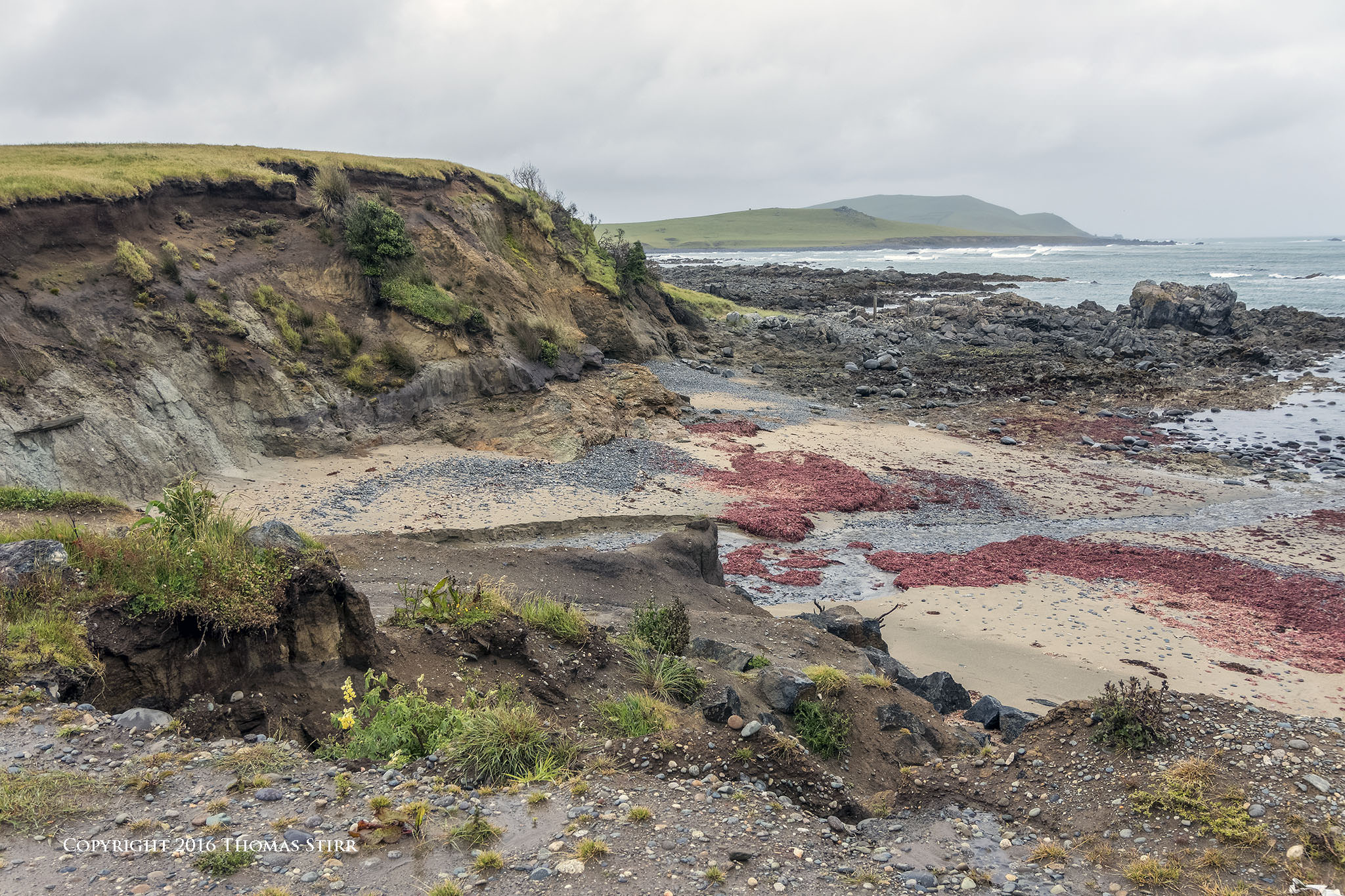
Regardless of the weather I try to do the best I can under the conditions in which I find myself. Sometimes that means shooting with a camera in one hand and an umbrella in the other during an overcast, drizzly day.
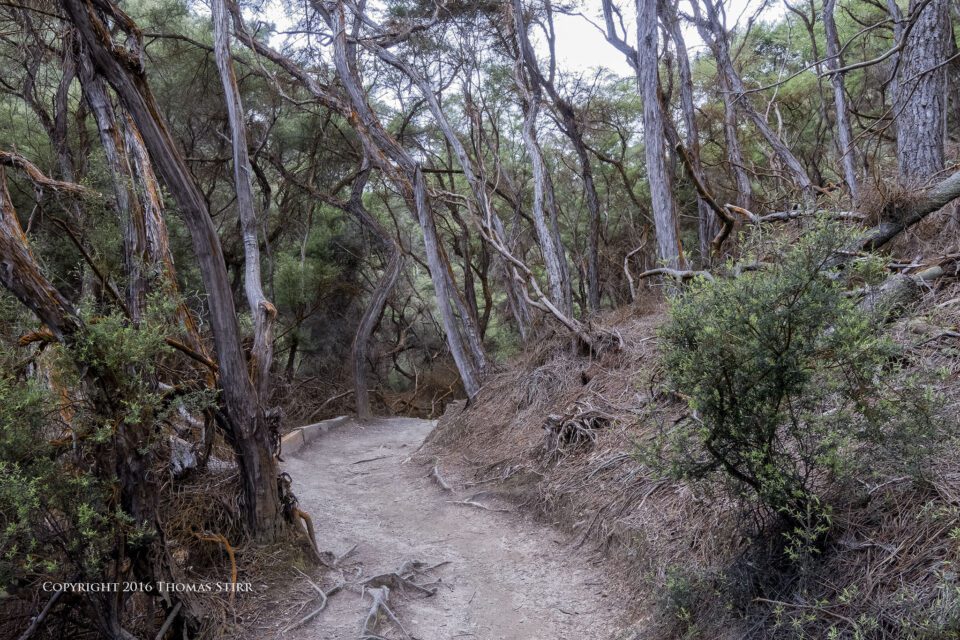
in the moment 7

NIKON 1 J5 + 10-100mm f/4-5.6 @ 10mm, ISO 800, 1/50, f/8.0

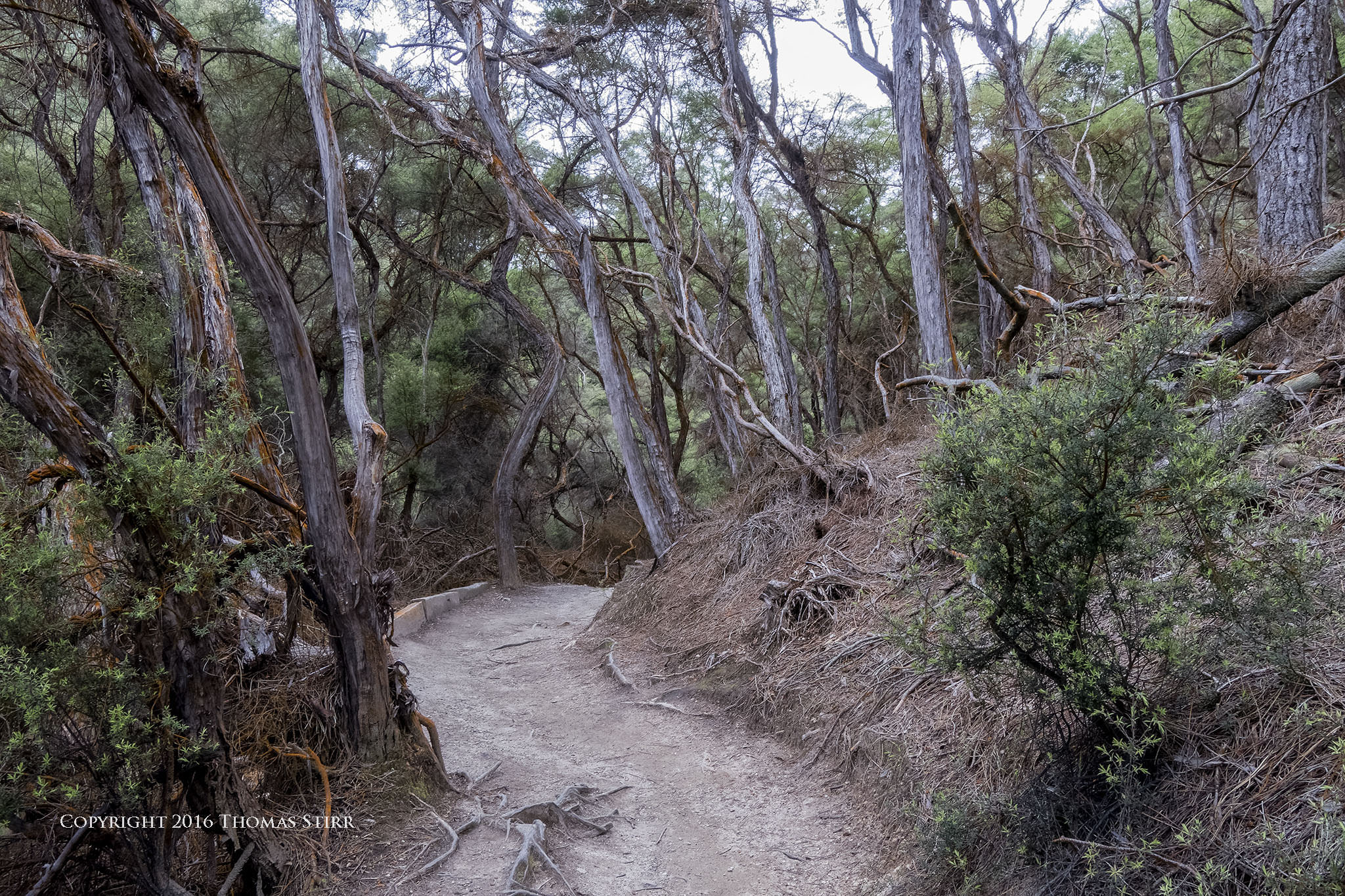
Or appreciating the path one happens to be walking along and recognizing nature’s way of perfectly placing each tree, shrub, flower and blade of grass. Then stopping for a couple of seconds to capture that moment in time.
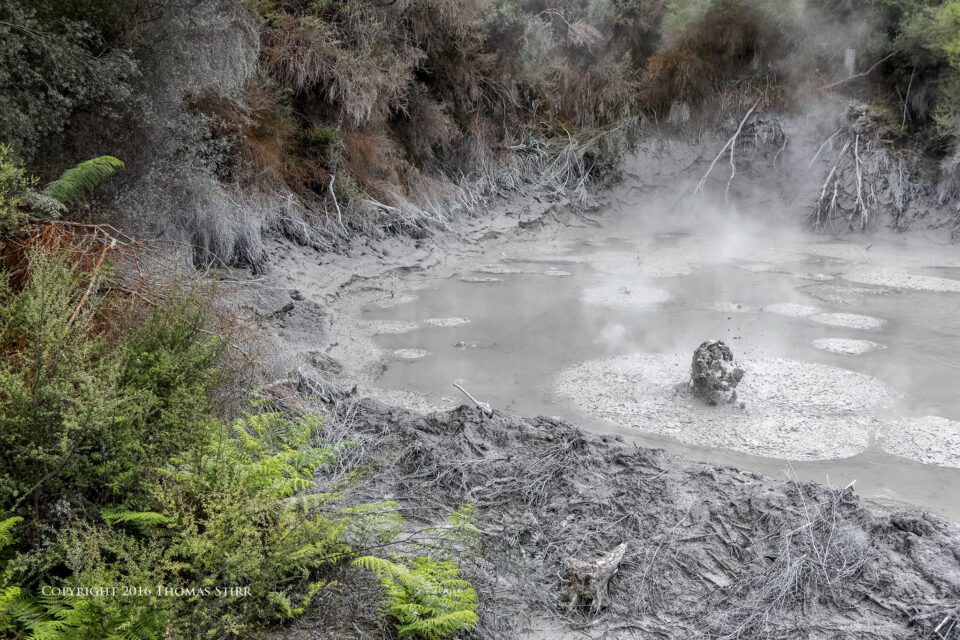
in the moment 8

NIKON 1 J5 + 10-100mm f/4-5.6 @ 12.8mm, ISO 800, 1/250, f/8.0

At other times it is simply stopping to watch the natural flow of things for a few minutes, and allowing your mind to visualize an image. Then momentarily changing the setting on a camera body to shoot at 20fps to capture the exact moment that is in your mind’s eye.
in the moment 9

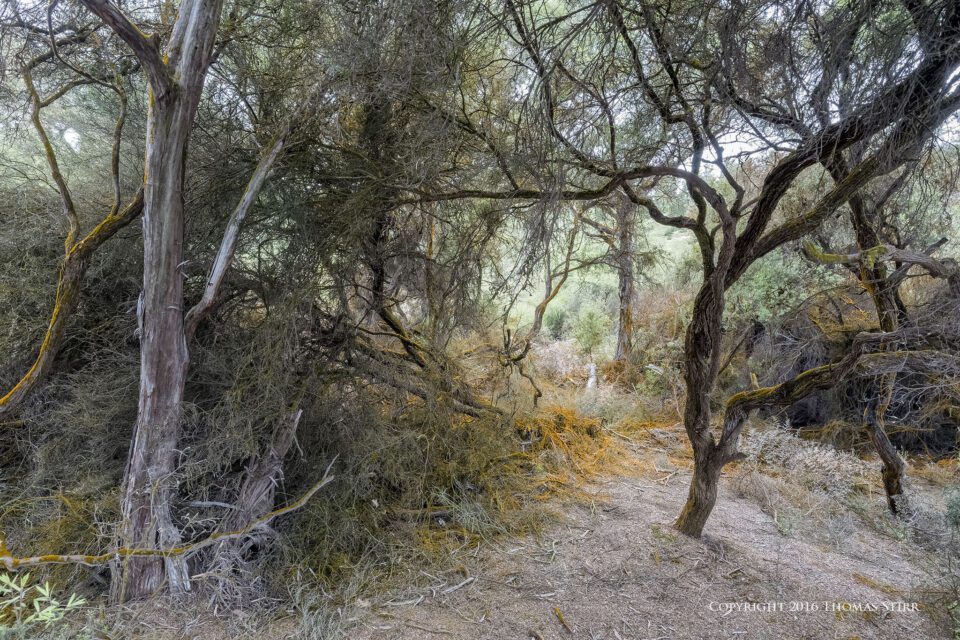
NIKON 1 J5 + 6.7-13mm f/3.5-5.6 @ 6.7mm, ISO 800, 1/40, f/8.0

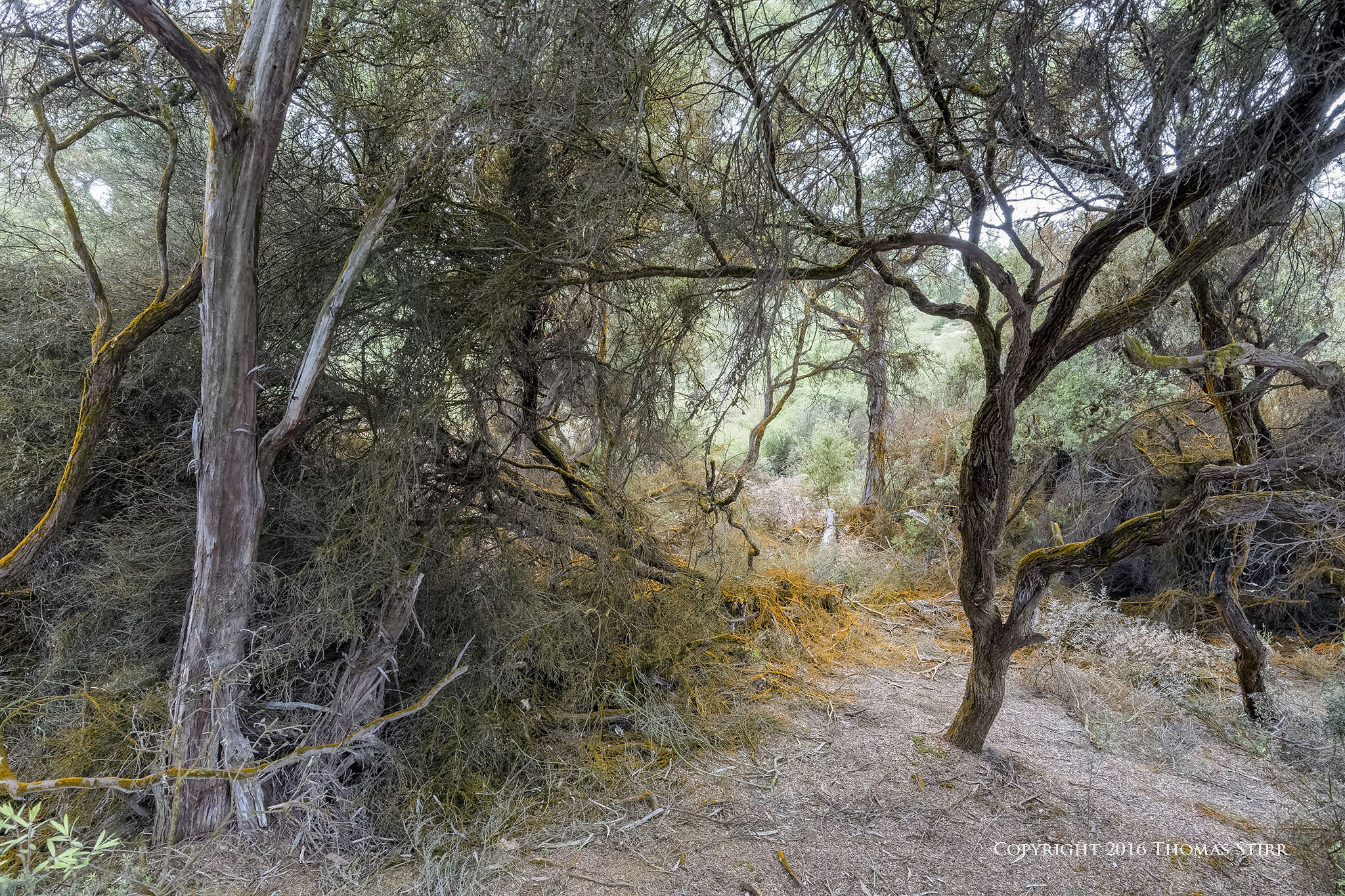
Shooting in the moment is allowing myself to become fully engrossed by a unique colour, like the orange hues of trentepohlia, and capturing an assortment of views and perspectives to more fully appreciate its beauty.
in the moment 10

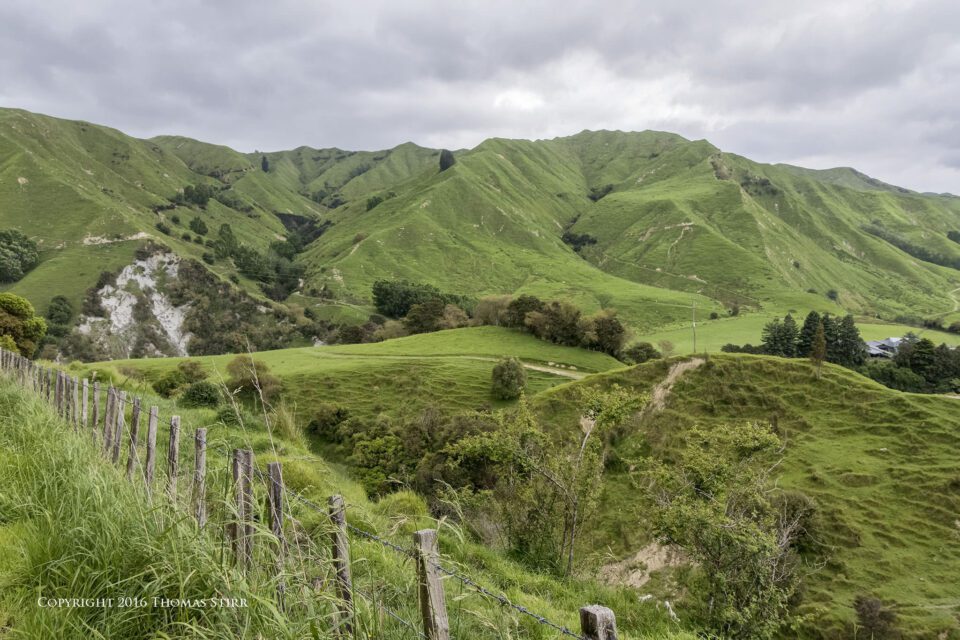
NIKON 1 J5 + 10-100mm f/4-5.6 @ 10mm, ISO 800, 1/400, f/8.0

I seldom dawdle at a location. Often times I simply jump out of the car for a moment, capture a single image like the one above, then move on. Allowing myself to connect with my surroundings and trusting my instincts serve as creative fuel. If my spirit moves me, the shutter is pressed. Sometimes the resulting image works, at other times not.
in the moment 11

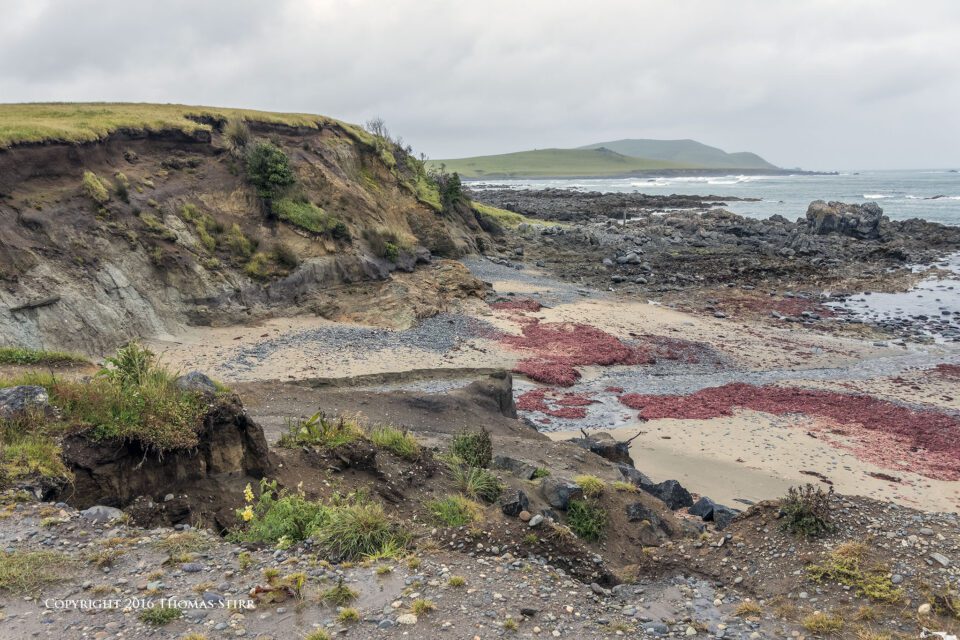
NIKON 1 J5 + 10-100mm f/4-5.6 @ 11.5mm, ISO 400, 1/640, f/5.6

If a scene is very intriguing I may work with it for a few minutes, moving physically from side to side, or coming in tighter, and changing my camera angles up or down by adjusting my body position relative to the scene. Usually after five minutes or so I’ll have perhaps a dozen images from which to choose and I’m off on the next part of my creative adventure.
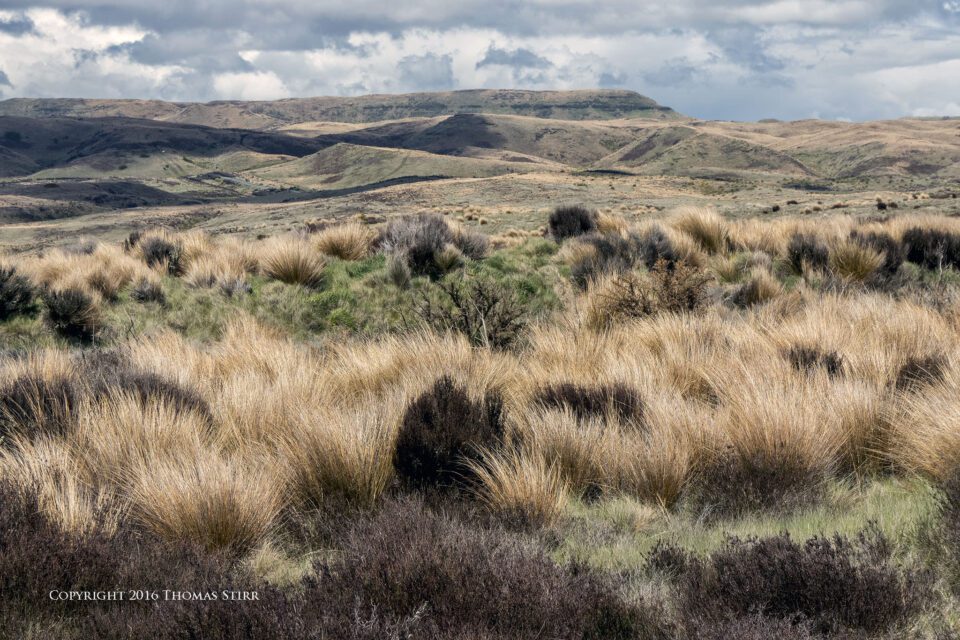
in the moment 11add

NIKON 1 J5 + 10-100mm f/4-5.6 @ 33.6mm, ISO 160, 1/400, f/8.0

Once I get back home and look at the series of images that was captured I often find that the original one that grabbed my imagination in the first place was the only one I really needed to take. Sometimes it makes me wonder what I missed later on that day by spending too much time at one location.
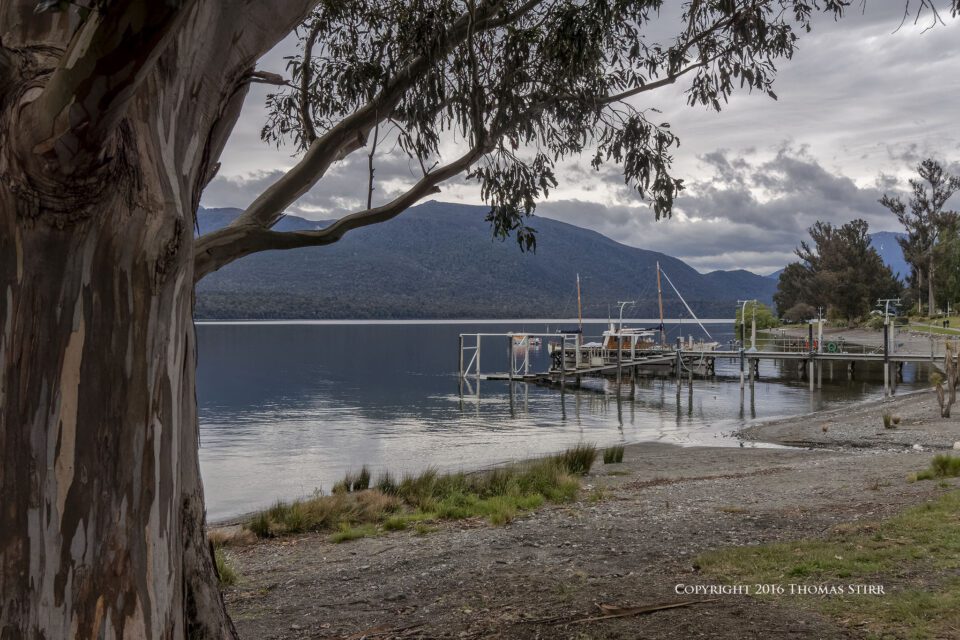
in the moment 12

NIKON 1 J5 + 10-100mm f/4-5.6 @ 12.8mm, ISO 800, 1/100, f/8.0

Occasionally I will be out for a walk with a camera in hand and a scene will literally stop me in my tracks, causing me to take a step or two backwards so I can see the beauty of that precise moment again. I may need to move in tighter or adjust my angle slightly but the essence of the moment seems to be etched in my mind as soon as it stops me.
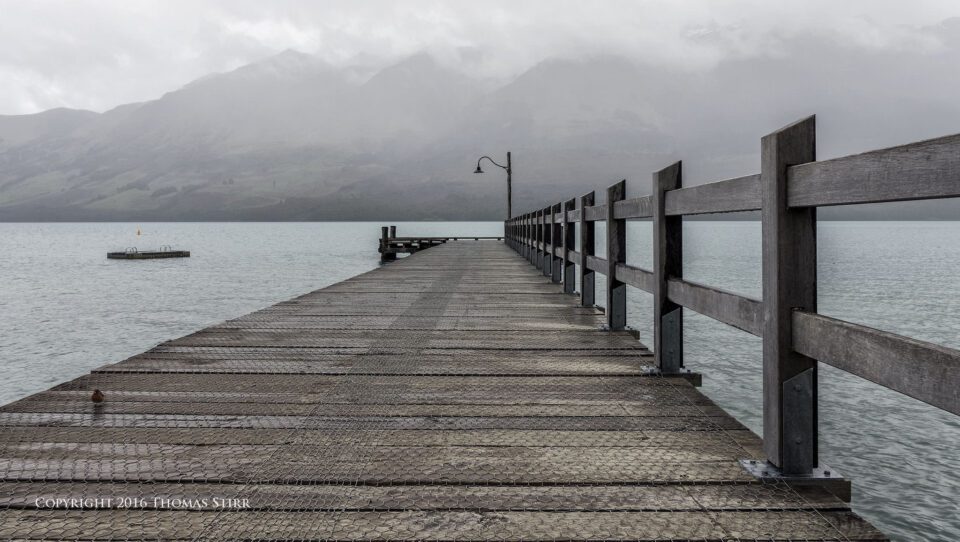
in the moment 13

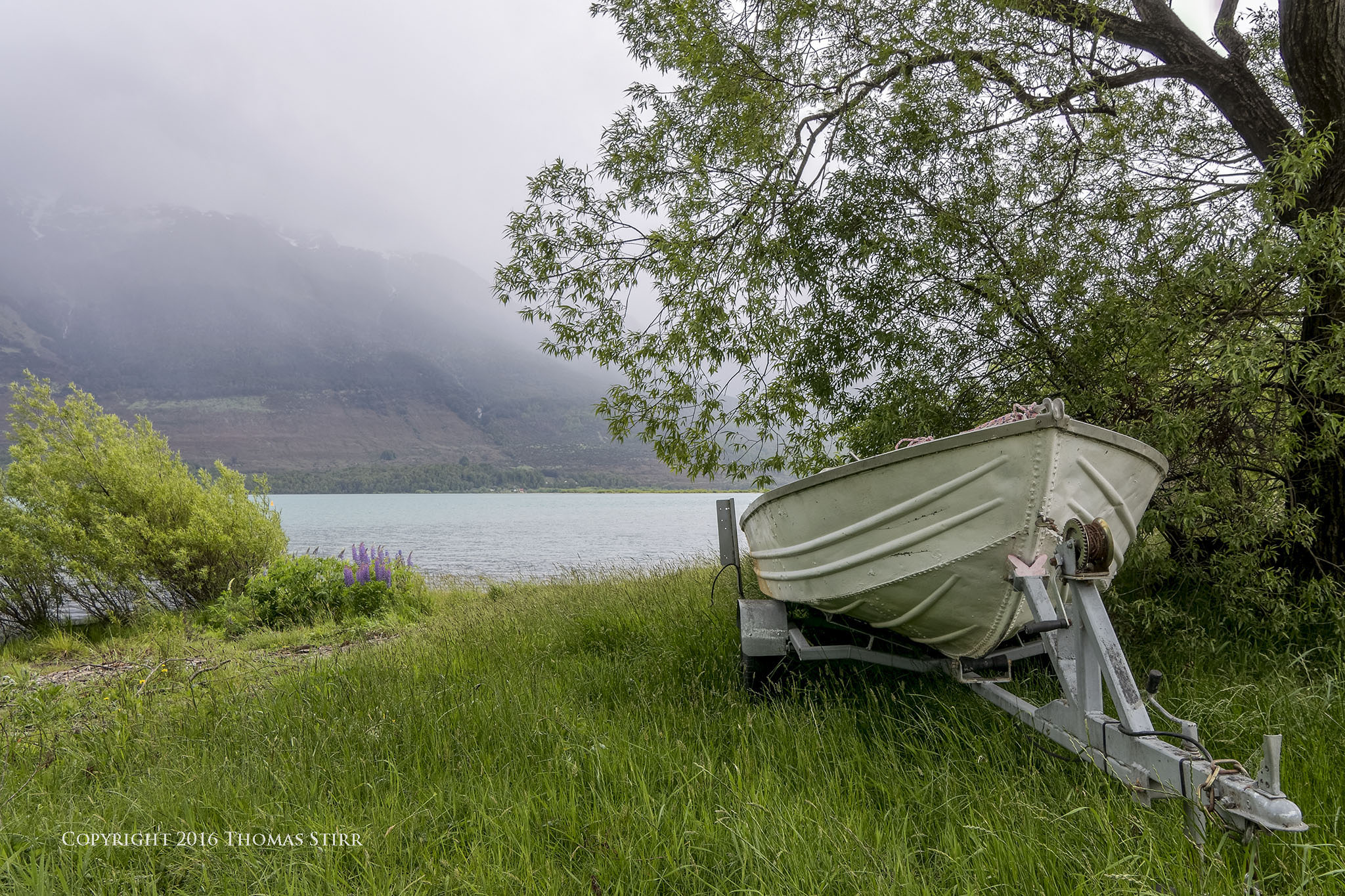
NIKON 1 J5 + 10-100mm f/4-5.6 @ 10mm, ISO 160, 1/200, f/8.0

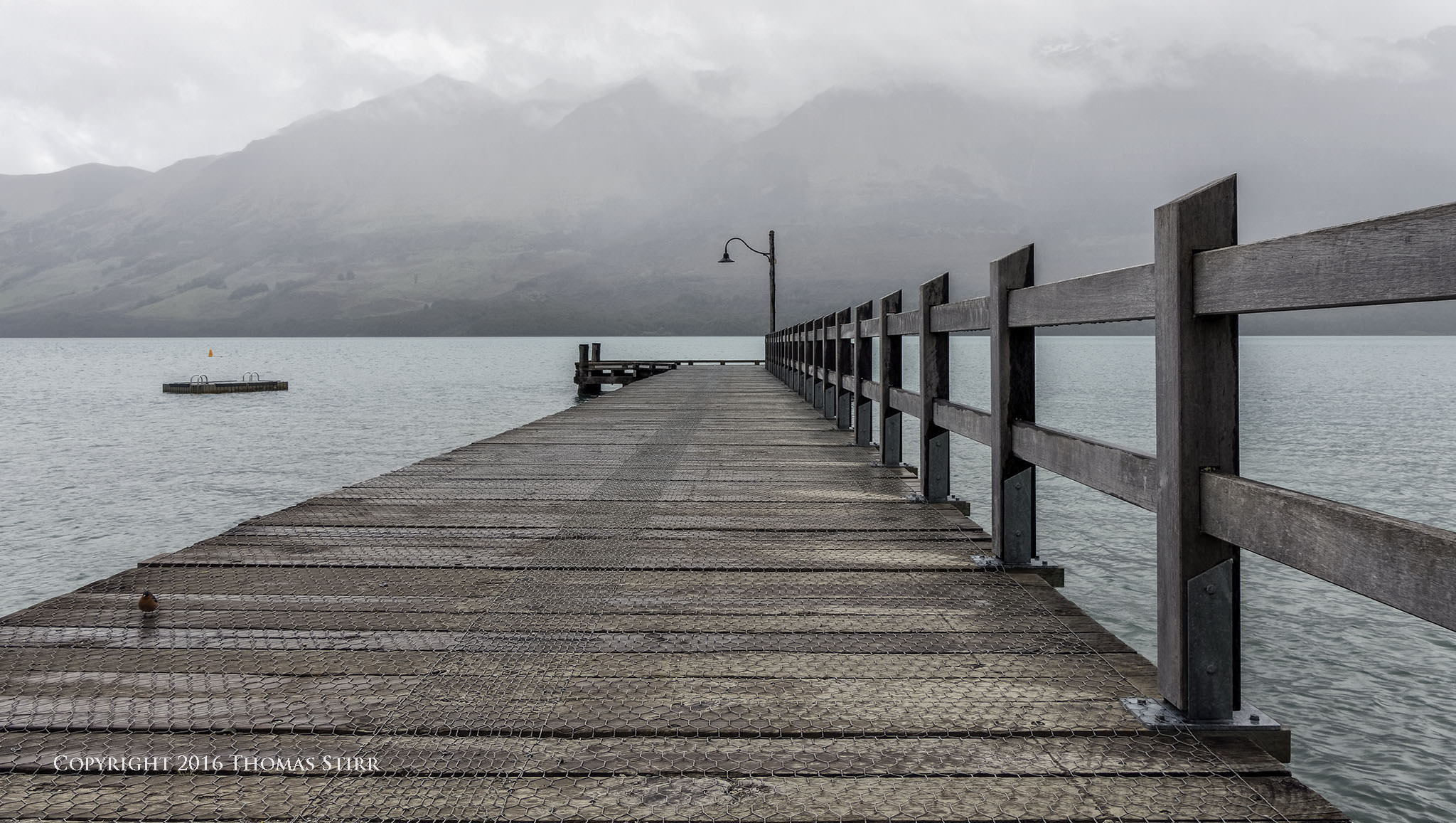
There are times when I clearly see the image I want in my mind but capturing it is a real challenge. Like getting down on one knee on a dock, camera balanced on the other knee with the flip screen extended trying to frame the image above with one hand, while struggling to hold an umbrella with the other hand in order to keep rain off the front of my lens. It’s times like these that tell us how powerful the urge to create is within each of us.
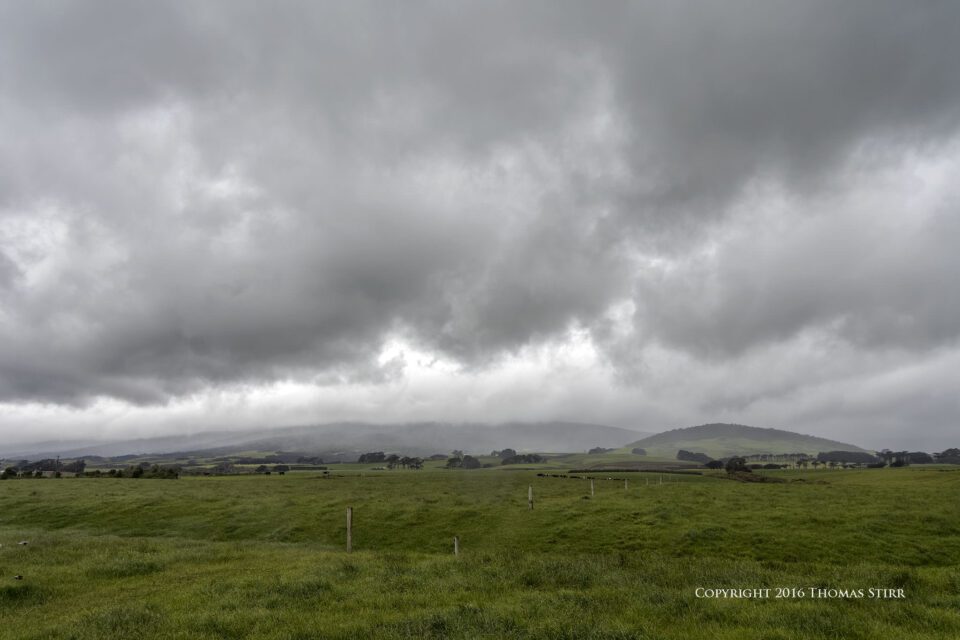
in the moment 14

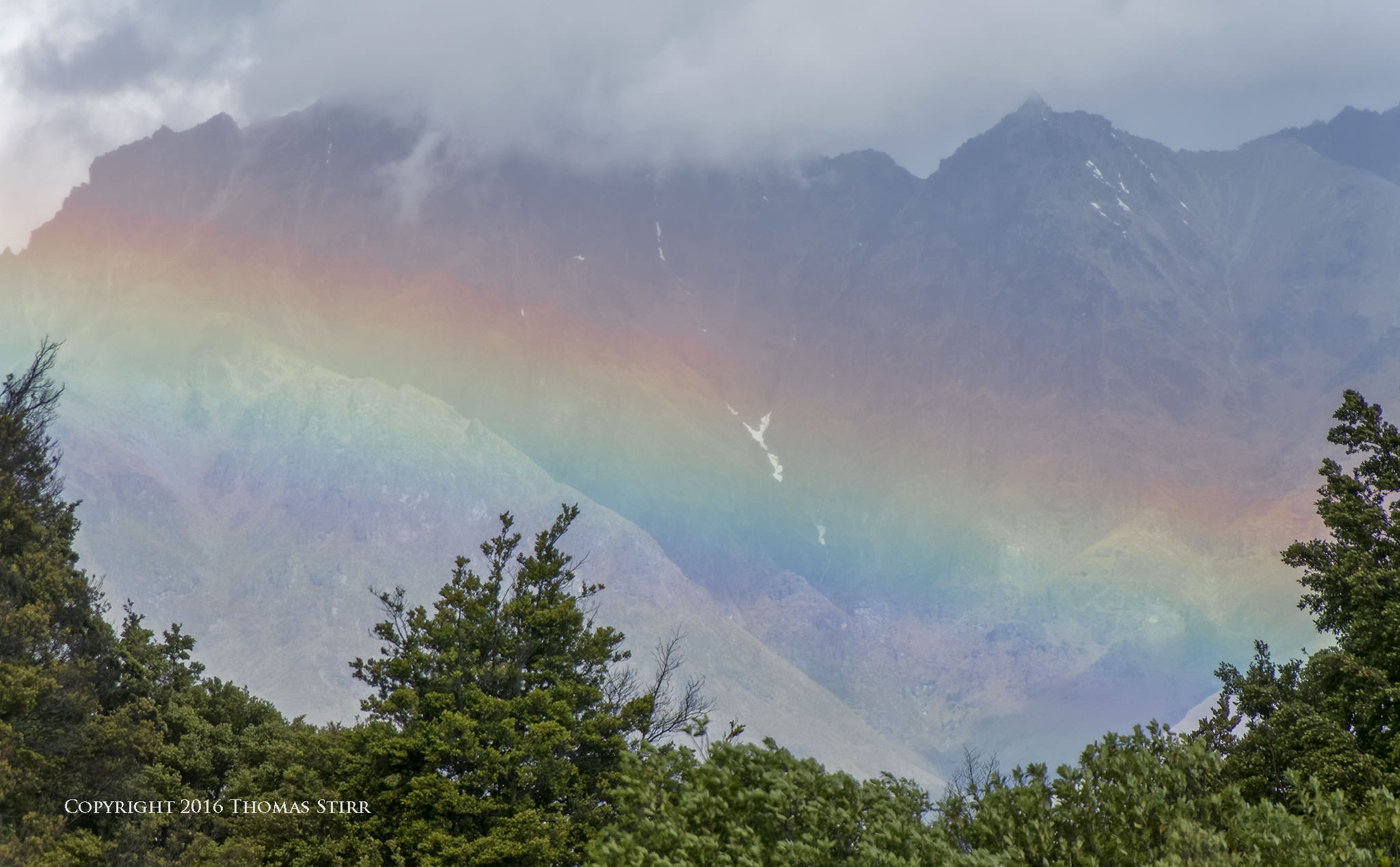
NIKON 1 J5 + 10-100mm f/4-5.6 @ 10mm, ISO 160, 1/1000, f/5.6

I had moments in New Zealand, and during our driving tours of South Dakota and Utah, where I was simply compelled to capture an image that was there before me. In the case of the image above that meant pulling the car over for a minute, rolling down the window, and shooting from the driver’s seat during a downpour.
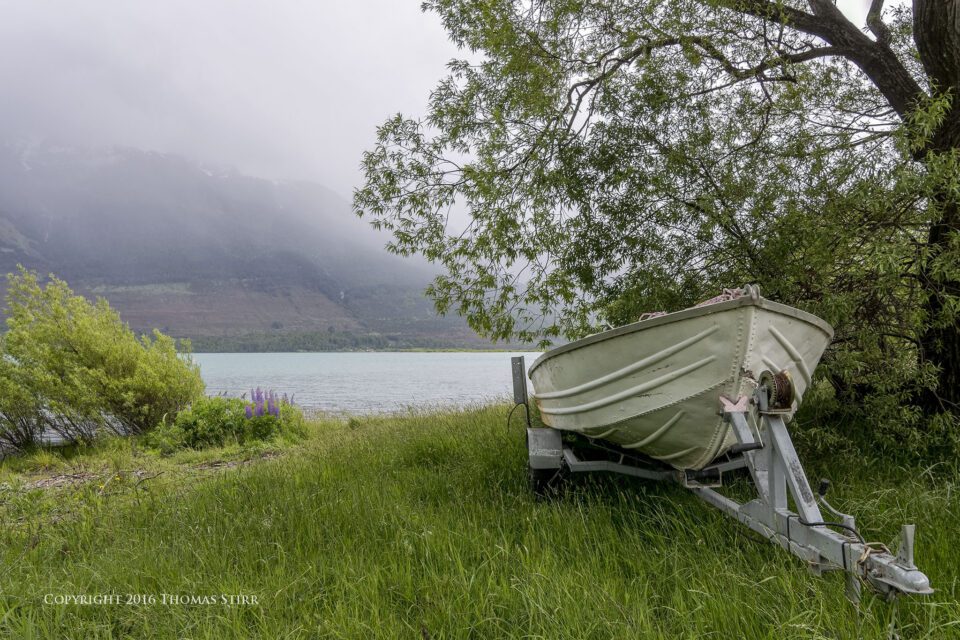
in the moment 15

NIKON 1 J5 + 10-100mm f/4-5.6 @ 10mm, ISO 160, 1/100, f/5.6

Shapes and angles regularly call out to me as if begging to become an image. I do my best to oblige them.
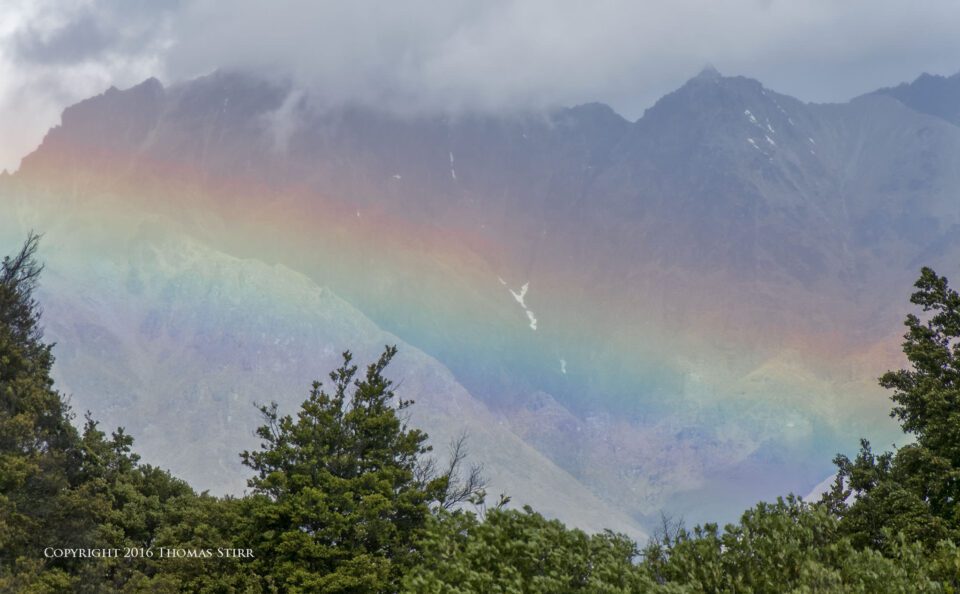
in the moment 16

NIKON 1 J5 + 10-100mm f/4-5.6 @ 100mm, ISO 160, 1/800, f/5.6

2016 was a very busy year for me with 28 articles published here at Photography Life and 140 postings on my photography blog. If you would like to see some additional images from my recent trip to New Zealand my 300th posting on my photography blog has a selection of photographs most of which are not in this Photography Life article.

I would like to thank each and every one of you for taking the time out of your busy lives to read my musings over the past twelve months, and for all of the wonderful interactions we have had in the comments section. May the future hold health and prosperity for all of you, and may you find a pot of gold at the end of each rainbow that blesses your lives.

Article and all images are Copyright 2016 Thomas Stirr. All rights reserved. No use, adaptation or reproduction of any kind including electronic is allowed without written consent. Photography Life is the only approved user of this article and these Copyrighted images. If you see this article or images reproduced anywhere else it is an unauthorized and illegal use.

The post Shooting in the Moment appeared first on Photography Life.

Photography Life
Posted in Photograpy How To | Tagged , | Leave a comment

Are You Committed to Photography or Just Involved?

Picture

© GOL

by Skip Cohen

I wrote a post on a similar topic several years ago, but I’ve meet so many artists online recently and I’m amazed at the different perceptions they have of their business. With the first quarter trade show and convention season just around the corner, I’ll be meeting more in person and I know I’ll continue to be surprised at the different levels of enthusiam with each artist I meet.
 
I found a terrific quote a few years ago that Martina Navratilova is given credit for:

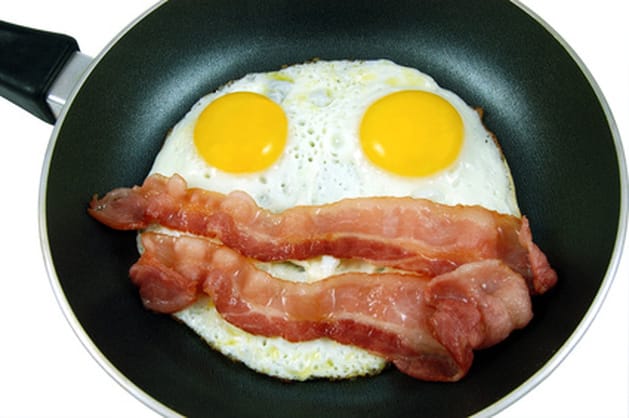
 “The difference between involvement and commitment is like ham and eggs.
The chicken is involved; the pig is committed!”
Running across that quote recently, it got me thinking about our industry, because we’ve got too many people who are involved, rather than committed.  Photography is an art form, not just in the capture and creation of the final image, but in the relationship each artist has with their clients and the passion for the craft.

An involved photographer gets the job done, has a goal to at best be average and spends too much time looking at the revenue stream.

Committed photographers can’t stop thinking about their images. While they’re obviously concerned about revenue, they’re more concerned about creating an experience for each client. They’re looking for ways to give back to the community. Their hearts skip a beat when they download images from a portrait sitting, commercial shoot or an event. They spend more time listening to their clients than they do talking to them.
 
If you’re a regular reader here at SCU you’re more than likely committed, rather than just involved. However, odds are you know somebody who’s on the fence between involvement and commitment. So here are eight questions to help you define the difference and maybe share to help them better define their goals.

  1. Are you excited when you meet a new client? Do you find yourself thinking about the images you’re going to capture and create in advance, seeing them through your “mind’s eye”?
  2. If you’re photographing a wedding for example, do you find yourself rushing to download images and watch the way the story unfolds?
  3. When you think about the people who you admire most, are many of them other photographers?
  4. Do you find yourself sad when leaving a photographic convention or workshop? At the same time are you loaded with energy to apply some of the new things you’ve learned? Do you stay in touch with people you’ve met at previous photographic events?
  5. Do you spend most mornings excited about the day ahead versus wishing you could just stay in bed for the day?
  6. Do you feel naked when there’s not a camera on your shoulder, in your pocket or in your car?
  7. When you look at a stunning image do you find yourself wondering how it was created and then working to find out more?
  8. Do you find yourself angry when you see images that were made my photographers who you know simply said to themselves, “That’s good enough.”

Okay, there it is, my top eight, but there are so many more. Feel free to add to my list via the comment section below and I’ll do an extension of this post with your additions.

Most important of all, being committed is about unstoppable passion! There’s little else you can see yourself doing.  While it’s directed to the topic of relationships, I found a quote that really hits home and being a photographer is about a relationship with your craft.

We have to recognize that there cannot be relationships unless there is commitment,
unless there is loyalty, unless there is love, patience, persistence.”

Cornel West

SkipCohenUniversity – SCU Blog

Posted in Photograpy How To | Tagged , , , | Leave a comment

Surreal Images of an Artist’s Deserted Western Vision

In the early seventies, Don McLean‘s second album was released under its instantly famous title “American Pie.” College dropout Ed Freeman was the man behind the production desk, and he feels no shame in admitting how producing this one classic made him “a boatload of money” big enough to be able to spend most of his time since then writing “weird, experimental music.” Why this is relevant for Resource Travel? Because when he got tired of that, he got into “weird, experimental pictures.”

It was of course not quite as simple as all that – I’ve had some real challenges, like everybody else. But that’s the one-paragraph version.

On Ed Freeman’s photography website, he explains things a little more. After starting out in the music business and experiencing a mid-life career change, he started creating commercial and fine art photographs. Those have been featured in hundreds of publications, books and museum shows throughout the years. Going through Freeman’s work, we found his “Realty” series particularly appealing, in which he discovers deserted places in California, Nevada and New Mexico.

Abandoned Gas Station, Trona, California.
© Ed Freeman

Antenna House, Calipatria, California.
© Ed Freeman

Gem Theater, Pioche, Nevada.
© Ed Freeman

Gray Garage, Trona, California.
© Ed Freeman

Hollywood Rejects, Tularosa, New Mexico.
© Ed Freeman

I hope you get the pun, because they’re anything BUT real. I’m not a documentarian, I’ve never tried to pass myself off as one and I don’t feel constrained by the implicit rules of documentary photography. Maybe it’s the result of too much chemical experimentation in my hippie days, but I’ve never been limited by the way things actually look; I’m much more interested by the way they MIGHT look. I see these wonderful, overlooked buildings scattered throughout the western US and I think, “if I photograph them and then just polish them up a bit, people could appreciate them more readily.”

So that’s why you call your “Realty” series a lie?

Well, they are “lies” in that they’re somewhere between fiction and reportage. If I made pictures like that for a news organization and tried to pass them off as real, I’d get fired instantly. They’re lies in the same way four hours of makeup on a fashion model is a lie – people don’t look like that in real life. But even though they’re beautiful in real life, we don’t want to see fashion models the way they really look – we pay them to look like fantasies. And I’m treating these buildings the same way: I’m making them look like my fantasies.

Ludlow Cafe, Ludlow, California.
© Ed Freeman

Post Office, Darwin, California.
© Ed Freeman

Sparkle Cleaners, Bakersfield, California.
© Ed Freeman

Striped Trailer, Salton City, California.
© Ed Freeman

What’s it like, technically, to go from “before” to “after”?

I do whatever I think will make a better picture. If it means cutting off half the building and repainting the rest a different color, I do it. I take completely normal pictures with a normal camera, but after I get back home to my computer, all bets are off. Typically, I clean up the street in front, remove whatever is on the side and in back of the building and put in a different sky that more perfectly matches the mood of the picture. I transform the buildings into idealized architectural models of themselves. Sometimes I make buildings that were shot at two in the afternoon look like they were shot at midnight. And I do everything in Photoshop.

“Marina Motel” before/after
© Ed Freeman

“Abandoned House” before/after
© Ed Freeman

“Aluminum Trailer” before/after
© Ed Freeman

Freeman is one of many photographers who compared choosing his favorite “Realty” series to a father having to choose which child is his favorite. Accepting “I love ‘em all” as an answer, we continued our talk by asking him about some of his other photography, wondering whether or not he had a favorite kind of photography outside of “Realty.”

I love all my series (and there are quite a few)! I love traveling and I’ve traveled a lot, and some of my travel pictures are much less manipulated than my “Realty” series. Some places don’t need much in the way of retouching; they’re perfect just the way they are.

Speaking of travel photography: do you have a favorite destination or experience?

Iceland and New Zealand are hands down the most beautiful places on earth, but I love southern Morocco and North Vietnam and Tibet and southern Spain and the Peruvian Andes and Maui and Yosemite – the list goes on. There is no shortage of stunning scenery and wonderful people on this planet.

Freeman has a lot on his plate for the near future. He’ll be doing a series of portraits of homeless people, experimenting with abstractions, shooting underwater and playing around with some radical concepts he “can’t quite articulate yet.” There are quite a few ways to follow how that plays out:

WEBSITE: http://www.edfreeman.com/df
TWITTER: https://twitter.com/edfreemanphoto
FACEBOOK: https://www.facebook.com/edfreemanphoto
INSTAGRAM: https://www.instagram.com/edfreemanphoto
TUMBLR: http://edfreeman.tumblr.com

Resource Magazine

Posted in Photograpy How To | Tagged , , , , , | Leave a comment

African American Women Of An Extended Fa Canvas Gallery Wrap 25×20 Photo On Canvas

African American Women Of An Extended Fa Canvas Gallery Wrap 25×20 Photo On Canvas


African American women of an extended fa” is an art print by Alfred Eisenstaedt from The Life Picture Collection. Get photo prints of “African American women of an extended fa” in a variety of frames, styles, and materials. Photographer Bio Alfred Eisenstaedt (1898-1995), or Eisie to those who knew him, received his first camera as a gift from his uncle at 14, a few years after moving to Berlin from Poland with his family. At 17, he was drafted to the German army. His interest in photography blossomed while recovering from a shrapnel wound. He became a regular at museums, studying light and composition. By 31, he was a full-time photographer. In 1933 he was sent to Italy where he shot the first meeting between Hitler and Mussolini. Two years later, when Hitler came to power, Eisie immigrated to America. Soon after arriving in New York, he was hired along with three other photographers-Margaret Bourke-White, Thomas McAvoy and Peter Stackpole-by Time Inc. founder Henry Luce for a secret start-up venture known as “Project X.” Six months later, Life magazine premiered on November 23, 1936. The first issue sold for 10 cents and featured five pages of Eisie’s pictures. His most famous photo was the kiss in Times Square on V-J day, about which he said, “I was running along the street grabbing any and every girl in sight. Whether she was a grandmother, stout, thin, old, didn’t make any difference. None of the pictures that were possible pleased me. Then, suddenly in a flash I saw something white being grabbed. I turned and clicked the moment the sailor kissed the nurse.” Over his career, Eisie shot a total of nearly 100 covers for Life magazine and some 10,000 prints. The Life Picture Collection From one of the most iconic magazines ever to hit the shelves comes The Life Collection – an archive of some of the most recognizable imagery of the 20th Century. Documenting events in politics, culture, celebrity, the arts and the American experience, these compelling and provocative photographs include the works of some of the greatest photographers capturing some of the greatest moments in history.
Price: $
Sold by Photos.com by Getty Images

Posted in Camera Photography | Tagged , , , , , , , , | Leave a comment