The Joy of Travel Photography

As I write, I’m looking back on my 36 years as a professional photographer with fondness and gratitude. I chose this profession because I wanted to travel and earn a living while doing so. It’s been an amazing three and a half decades and I’m still excited every time I walk out the door camera in hand. I’m looking forward to the next three decades! I travel in anticipation of serendipitous gifts; the unknown encounter. My camera is my passport to the world – a world I would not have known without that camera.

Lake Titicaca, Peru

Lake Titicaca, Peru
Canon EOS 5D Mark II + EF24-105mm f/4L IS USM @ 24mm, ISO 400, 1/40, f/4.0

Growing up in a small town, I remember devouring every National Geographic magazine that arrived in the mail. Like many photographers, I always dreamed of working for National Geographic. The real dream began in 1995 when I got the call from Tom Kennedy (at that time Director of Photography) at NatGeo. Eventually, I would photograph five books for National Geographic in the U.S., Canada and in eight African countries.
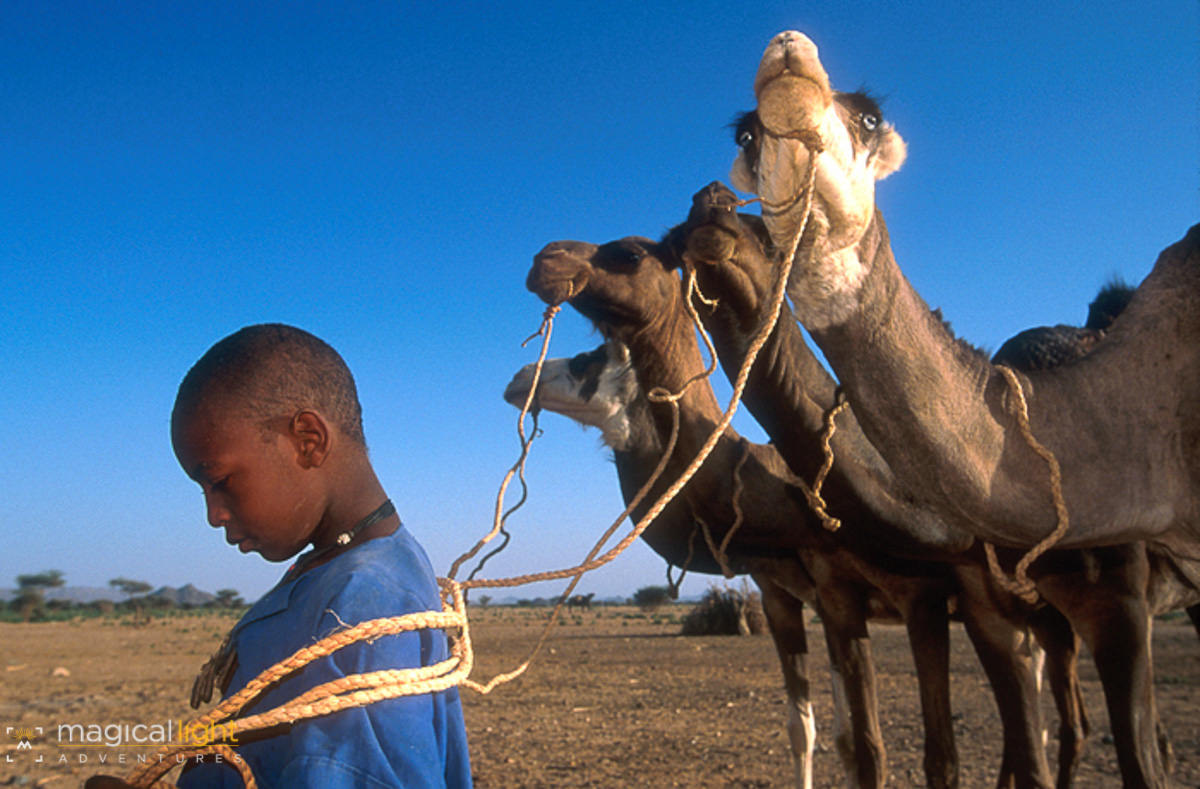
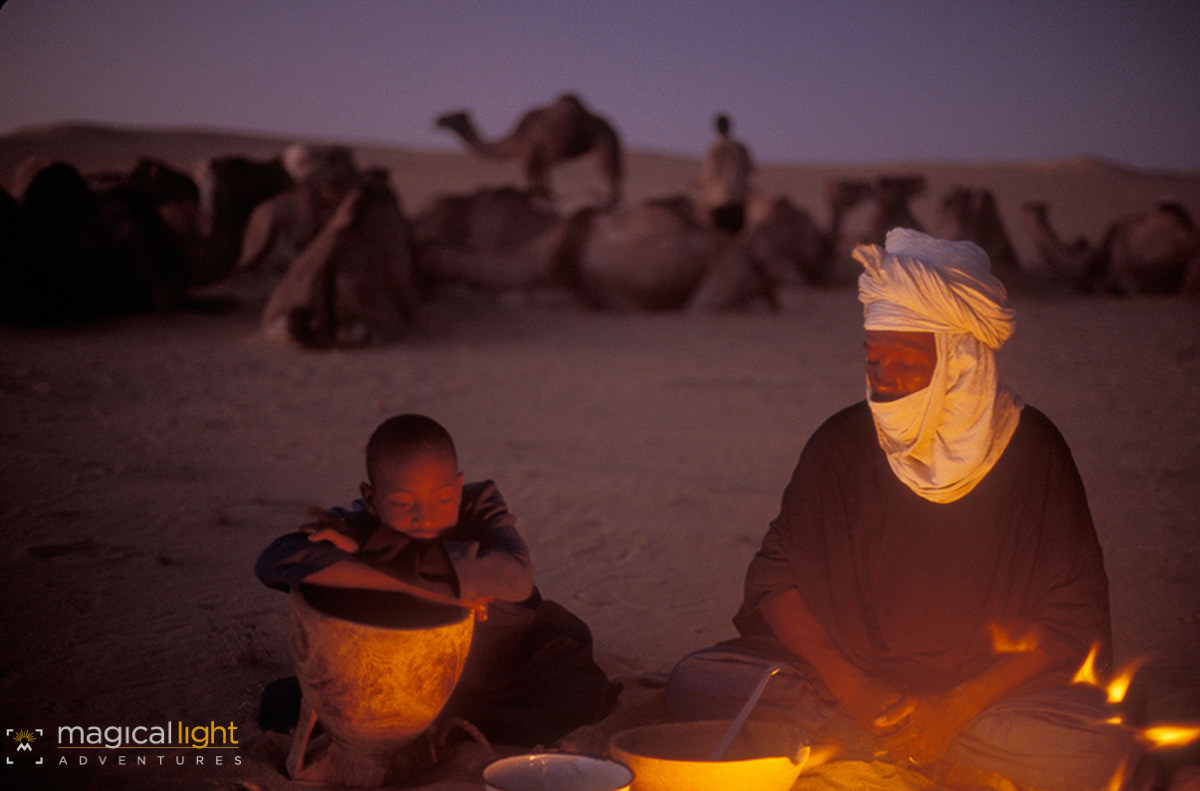
Tenere Desert, Niger
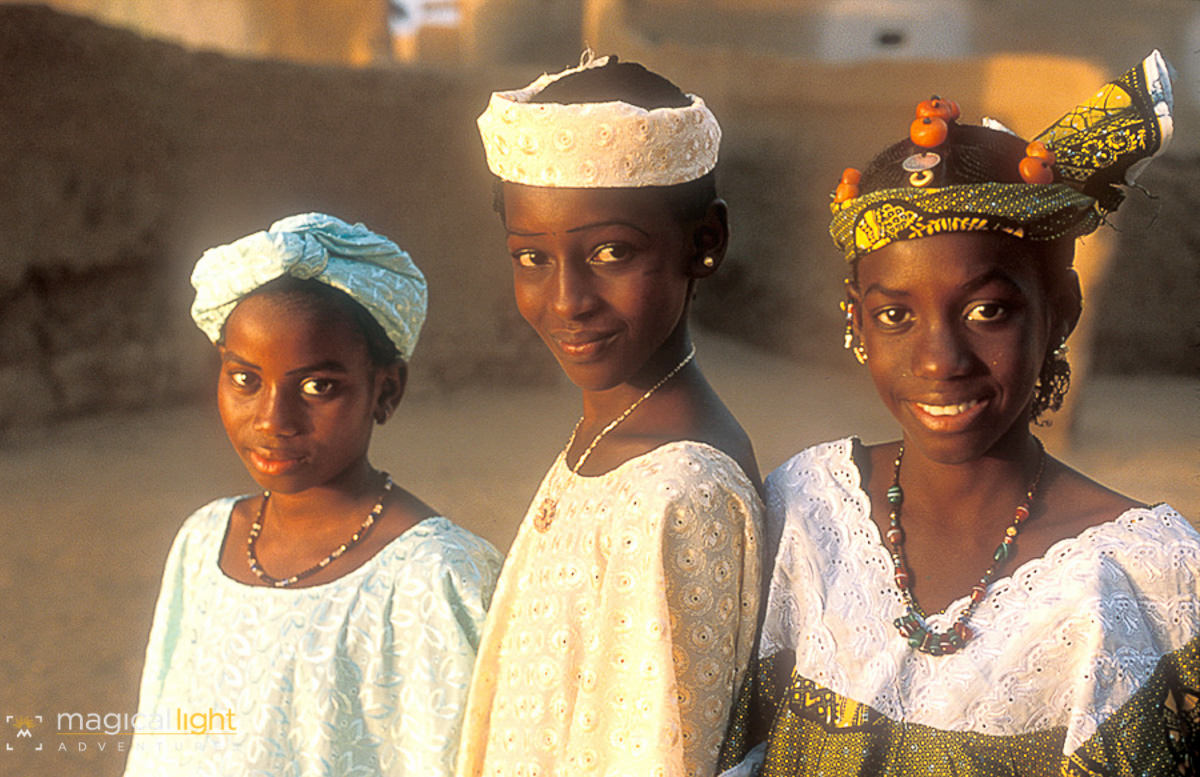
Tenere Desert, Niger

Diafarabe, Mali
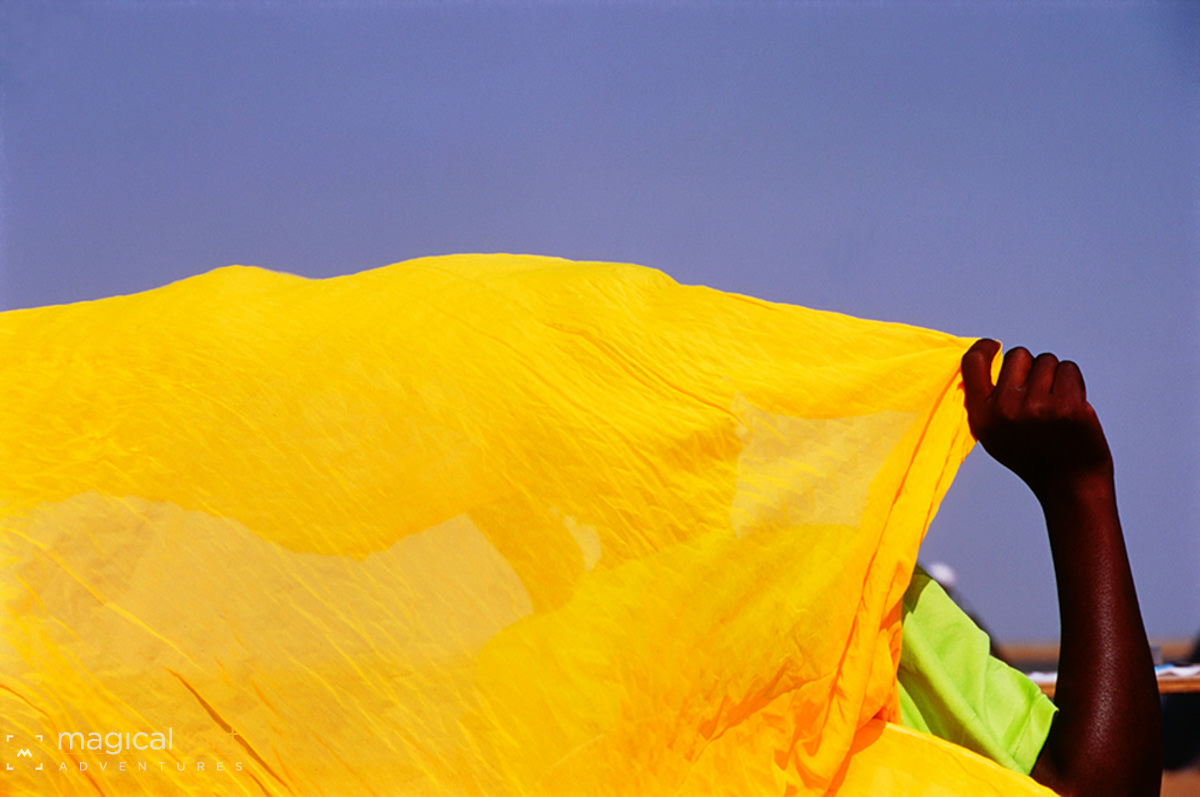
Diafarabe, Mali

Diafarabe, Mali

Diafarabe, Mali

The most valuable thing I learned from travel was not about photography or cameras, it was about engaging with people. I have lived and worked as my mother taught me, to always treat people with respect. My travels to more than 45 countries showed me that despite different clothing or cultures, everyone wants to be happy, prosperous and to provide a better life for their children. I believe we humans are more alike than we are different.

Often I’m asked to name my favorite place, which is like asking a parent to name their favorite child. I’ve been so lucky to have been to so many places and to have had so many wonderful experiences, any list would be incomplete. Here are a few of my unforgettable moments and their photos:

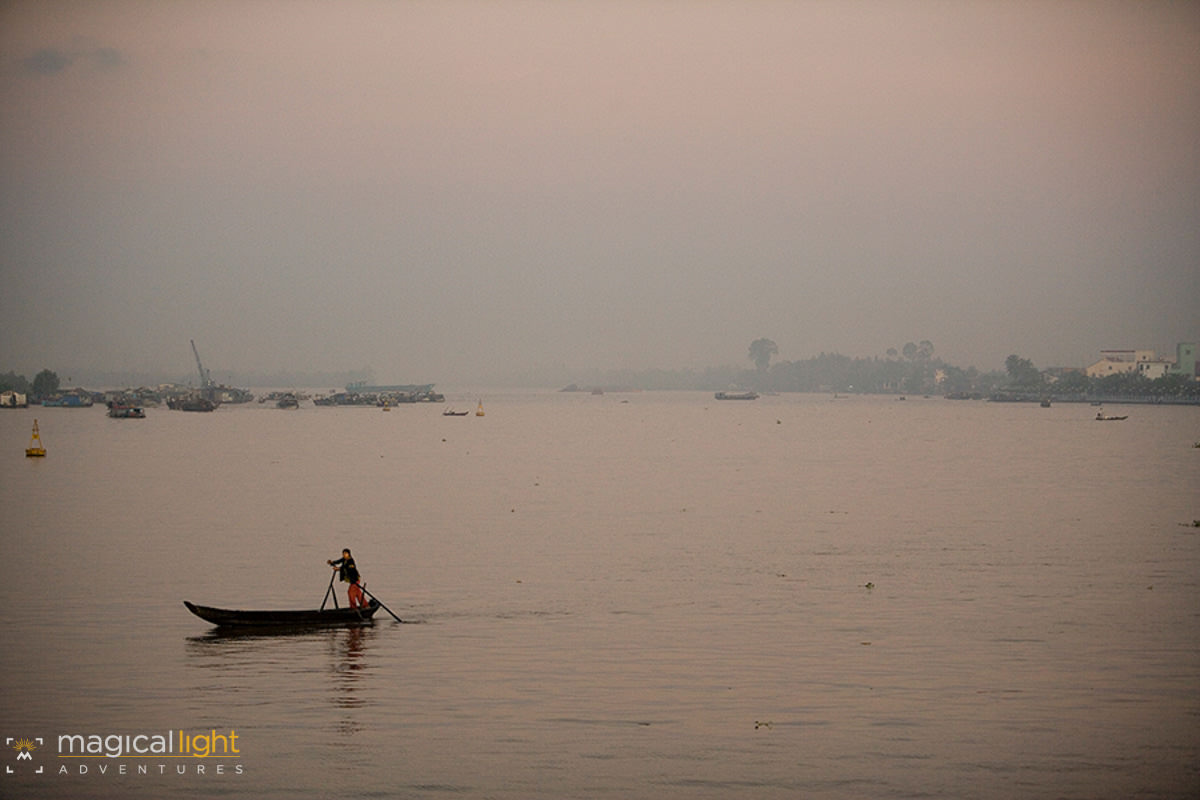
  • Floating down the Mekong River on a former rice barge in Vietnam:
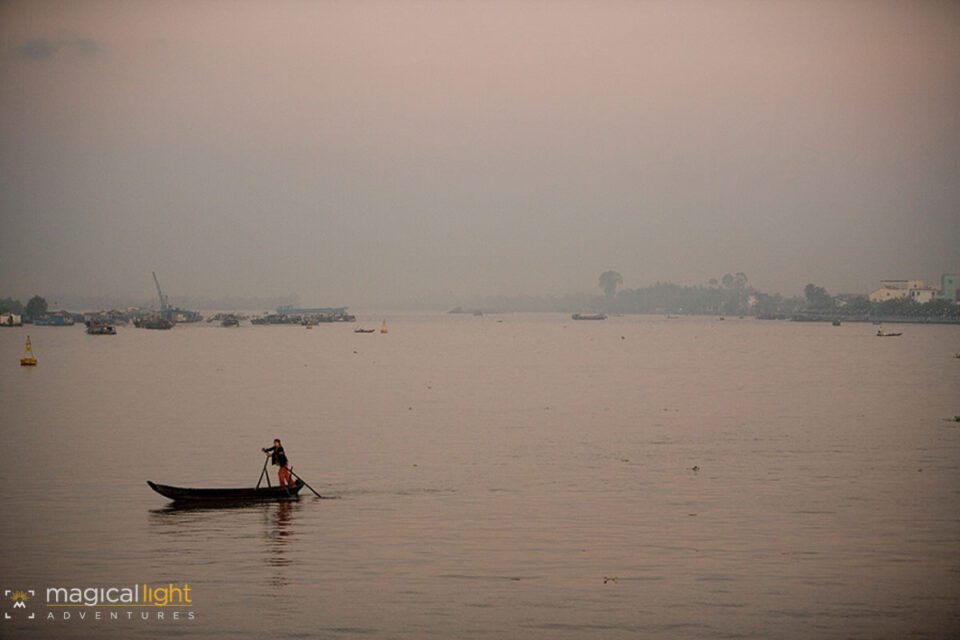
    mslewis.005

    Canon EOS-1Ds Mark II ISO 200, 1/320,

  • Having tea with Tuareg tribesmen in the Sahara desert:
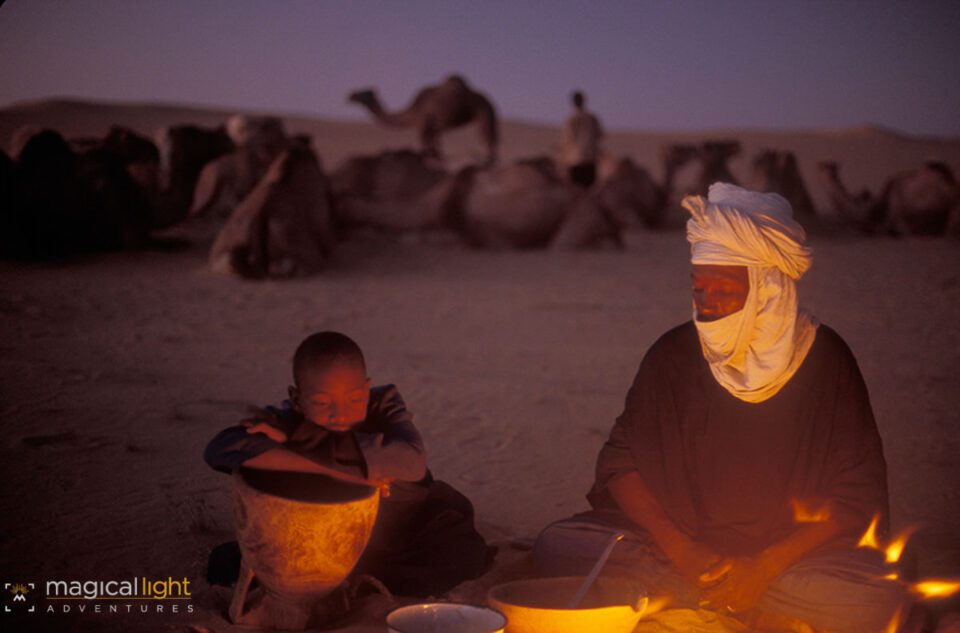
    mslewis.003

    Scanned with Nikon SUPER COOLSCAN 4000 ED

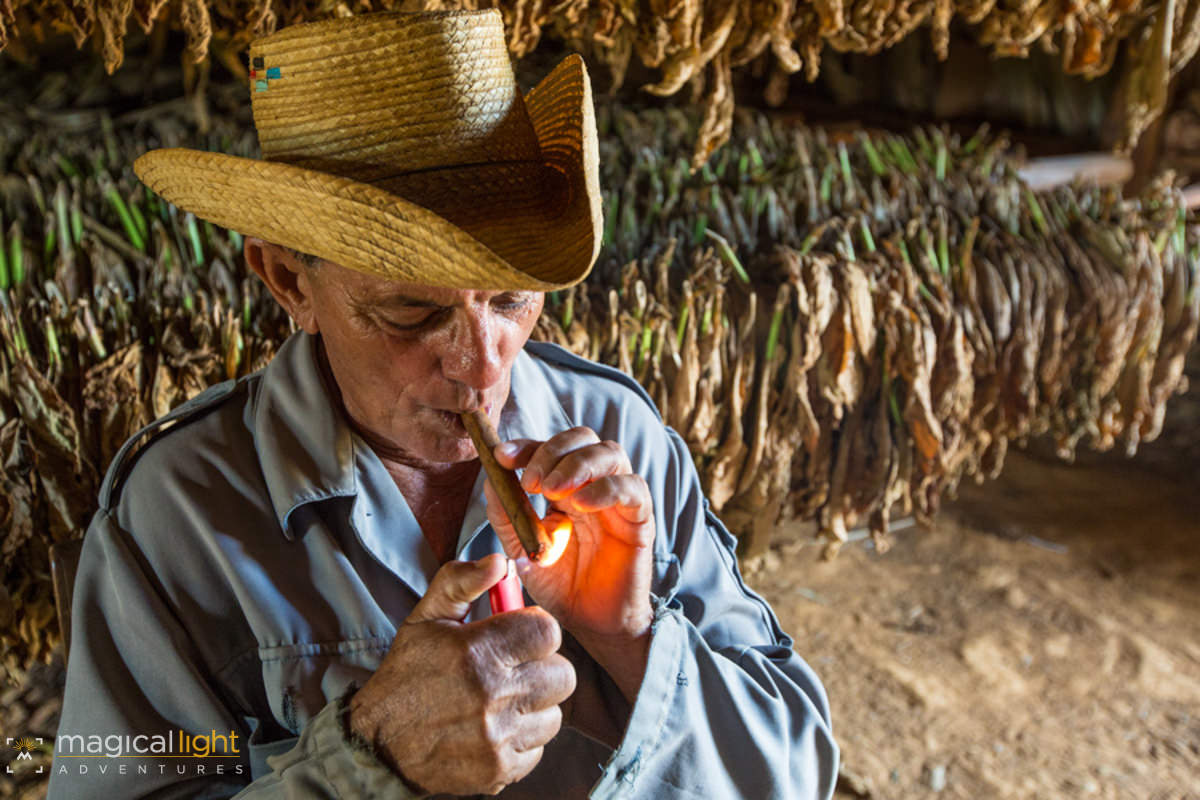
  • Sitting in a tobacco shed with a 75-year-old Cuban farmer as he rolled a cigar for us:
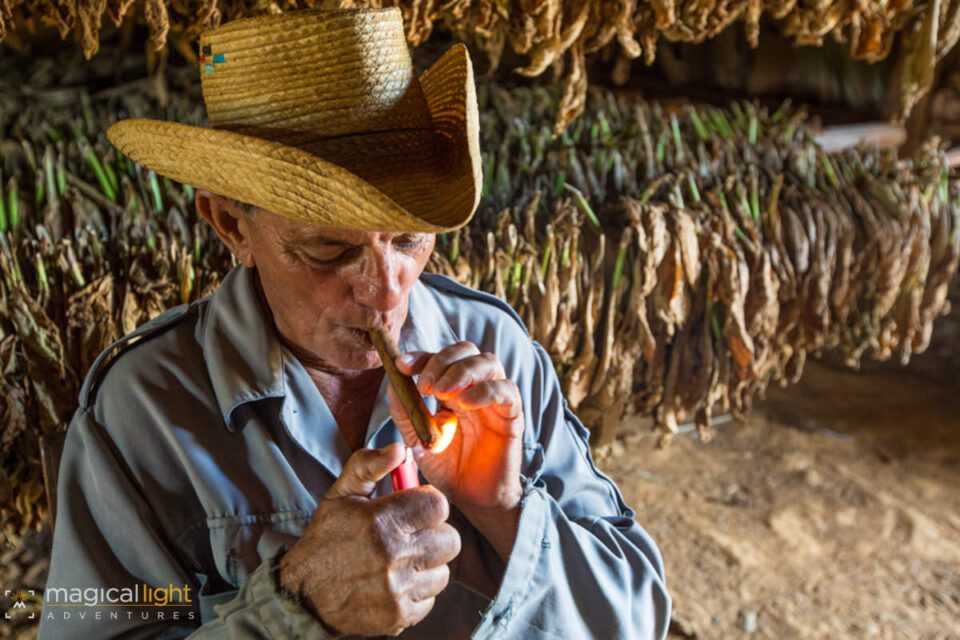
    Viñales, Pinar del Rio, Cuba

    Canon EOS 5D Mark III + EF16-35mm f/2.8L II USM @ 35mm, ISO 1600, 1/60, f/4.5
Travel has made me a better person: teaching me patience, making me realize that I am a citizen of the world, and reminding me of my good fortune. Fortunately, my photographer wife also lives to travel. I’m lucky to have what every good photographer needs – a partner, a good editor, and a caring critic.
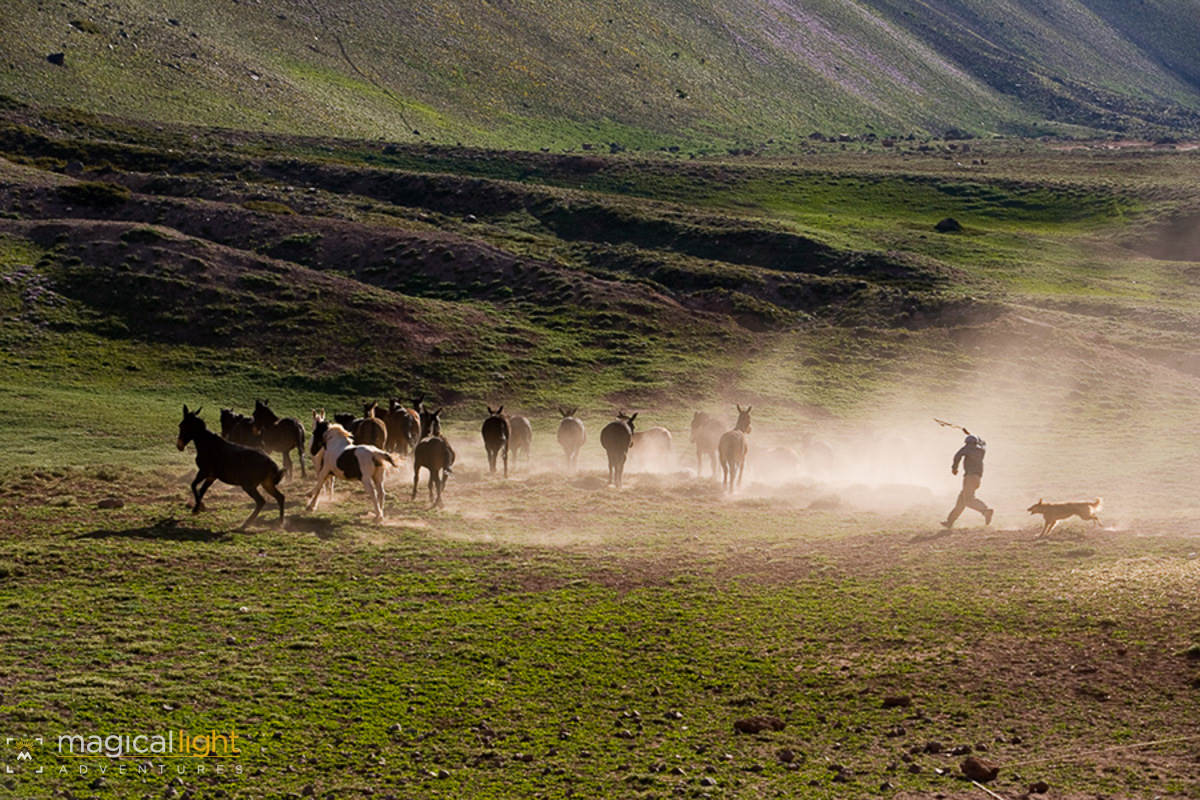
Argentina Pack Mules

Argentina Pack Mules
Canon EOS-1Ds Mark II + 70-200mm @ 110mm, ISO 100, 1/250, f/8.0
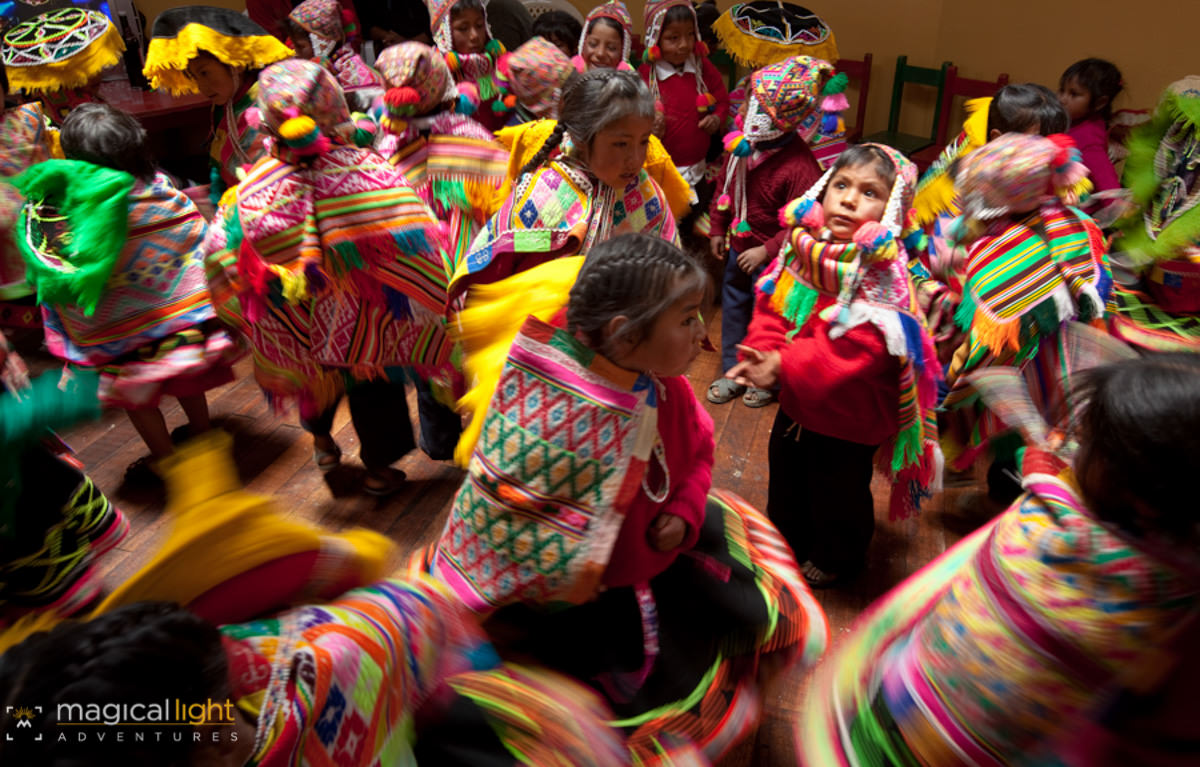
Quisicancha, Peru

Quisicancha, Peru
Canon EOS 5D Mark II + EF16-35mm f/2.8L II USM @ 27mm, ISO 200, 1/30, f/8.0
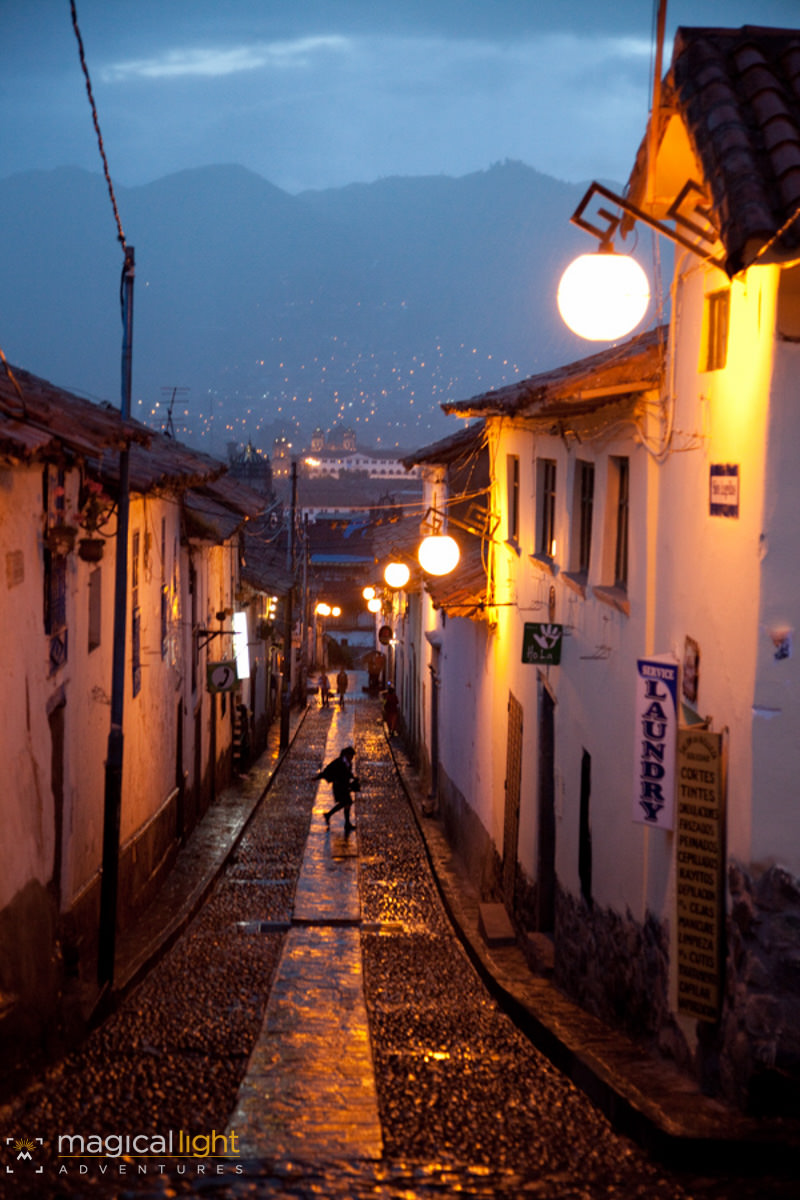
Cuzco, Peru

Cuzco, Peru
Canon EOS 5D Mark II + EF24-105mm f/4L IS USM @ 67mm, ISO 1600, 1/40, f/4.0

Our love of travel took us to three South American countries while I wooed her. Nothing like being together 24/7 for three months to see if you are compatible. We’ve now called Mexico home for six years. It’s where we got married and then started a destination wedding photo business. While we photograph weddings in different parts of Mexico and in the U.S., we realized that we were missing travel “for us”. So, we started a photo tour/workshop company emphasizing Latin America; primarily Mexico, Guatemala and Cuba. Now, we’ll take people where we love to go and share our excitement about a few hidden gems.
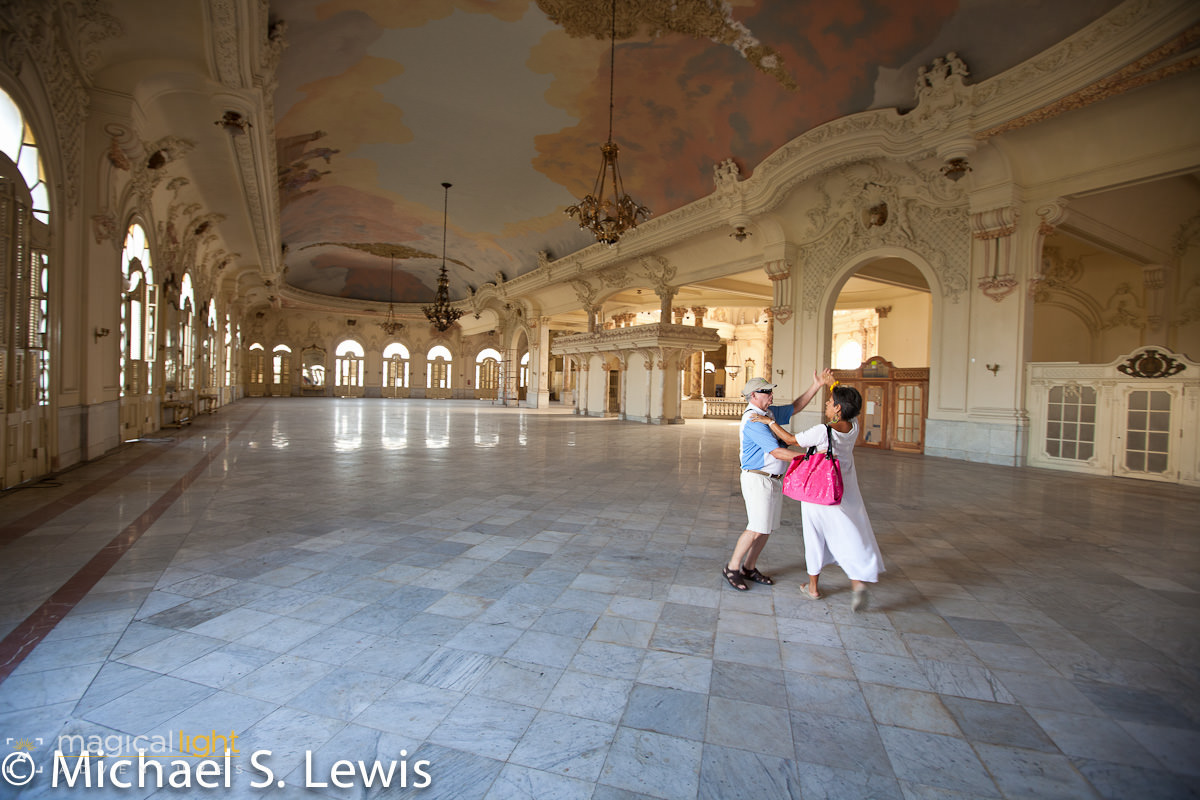
Habana, Cuba

Habana, Cuba
Canon EOS 5D Mark II + EF16-35mm f/2.8L II USM @ 16mm, ISO 400, 1/30, f/4.0
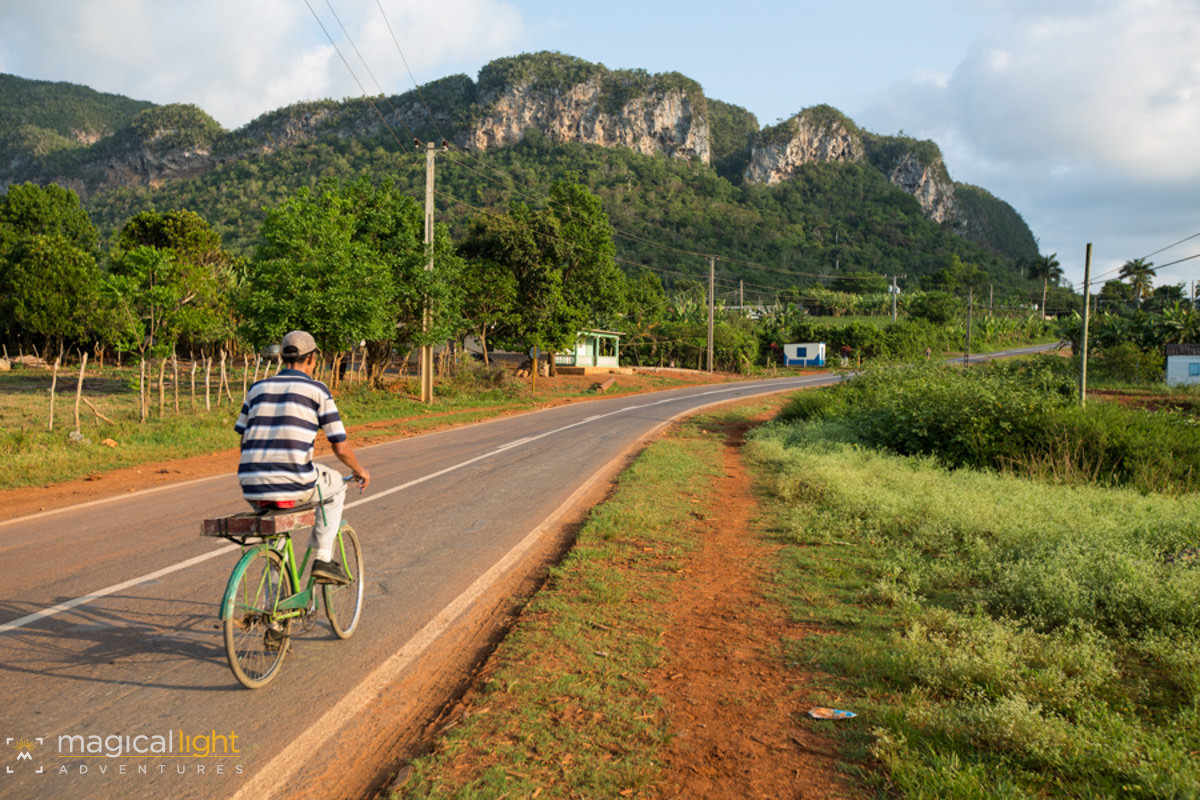
Viñales, Pinar del Rio, Cuba

Viñales, Pinar del Rio, Cuba
Canon EOS 5D Mark III + EF16-35mm f/2.8L II USM @ 35mm, ISO 100, 1/250, f/4.5
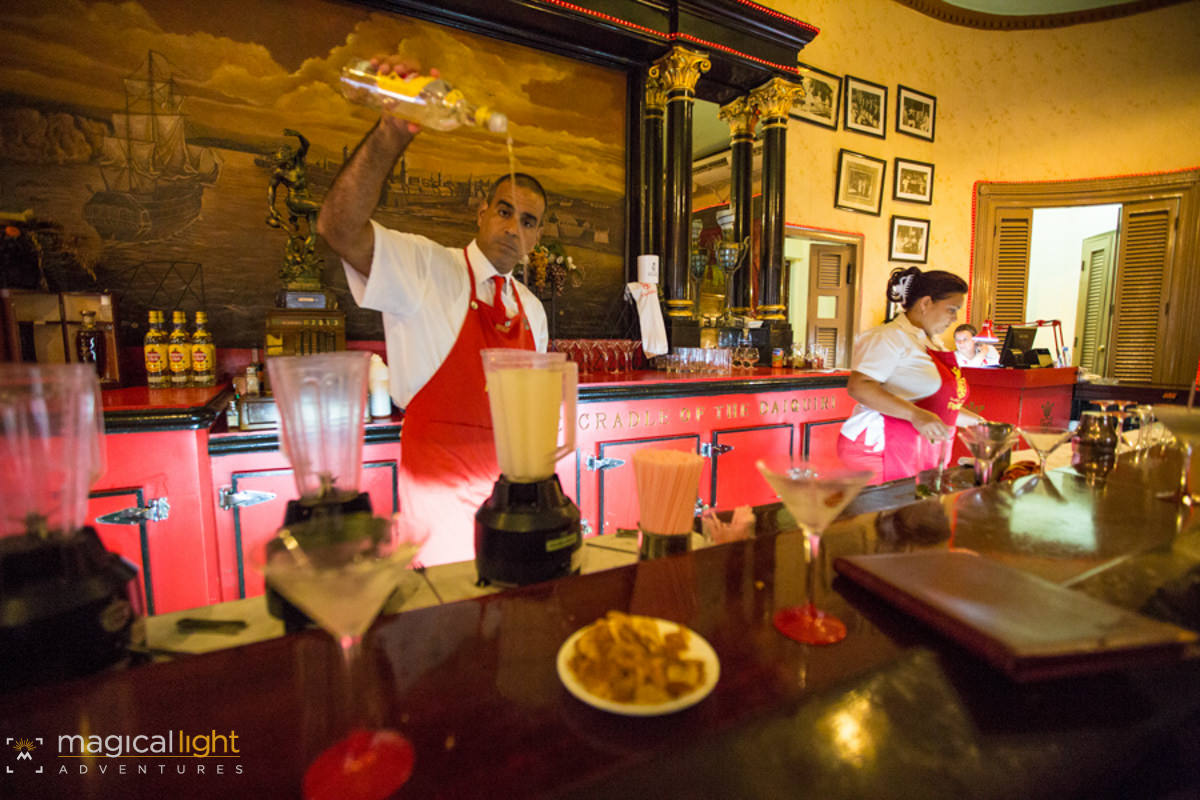
Havana, Cuba

Habana, Cuba
Canon EOS 5D Mark III + EF16-35mm f/2.8L II USM @ 16mm, ISO 4000, 1/40, f/2.8

Don’t get me wrong, I love using a good camera with a beautiful lens (I’m drooling over a mirrorless system as I write). However, I believe that your most valuable equipment is an open heart and an inquisitive mind. When you combine those qualities with the right camera and lens (or three), and an understanding of how to use them, then a memorable travel experience is unavoidable.
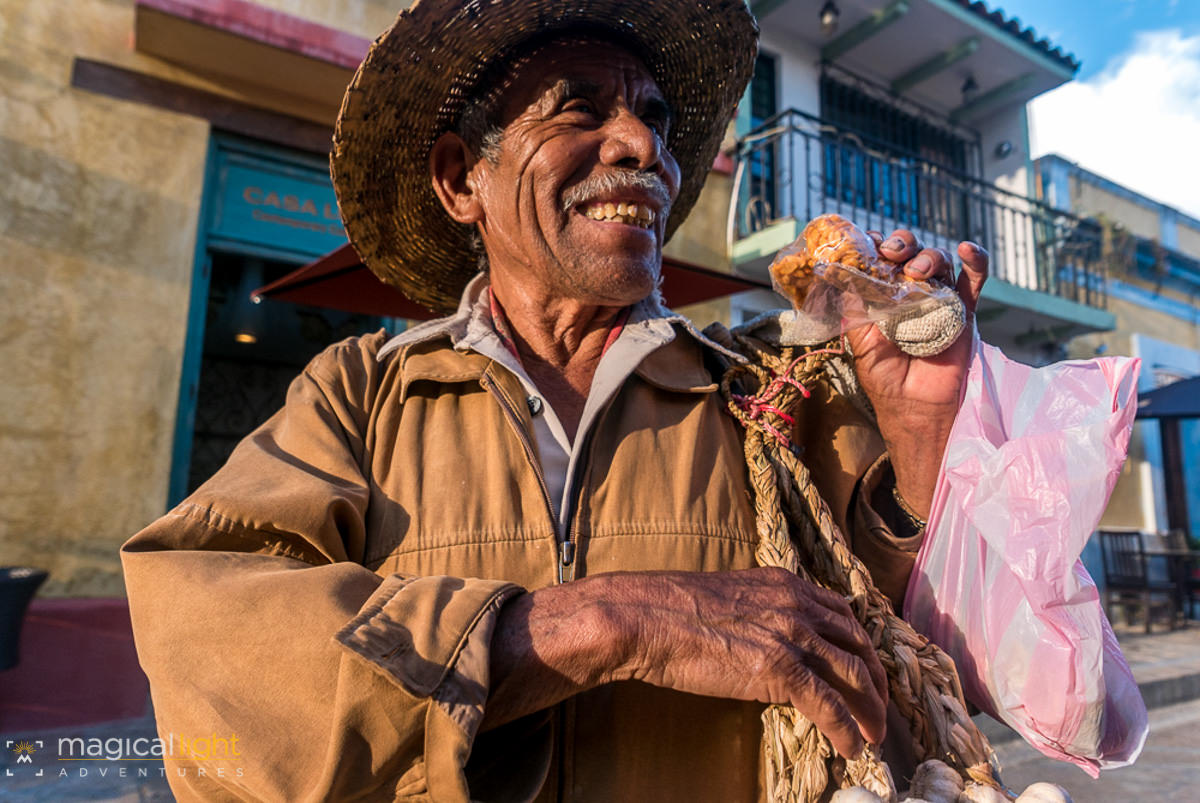
San Cristóbal, Chiapas

San Cristóbal, Chiapas
DMC-LX100 @ 10.9mm, ISO 200, 1/500, f/3.2
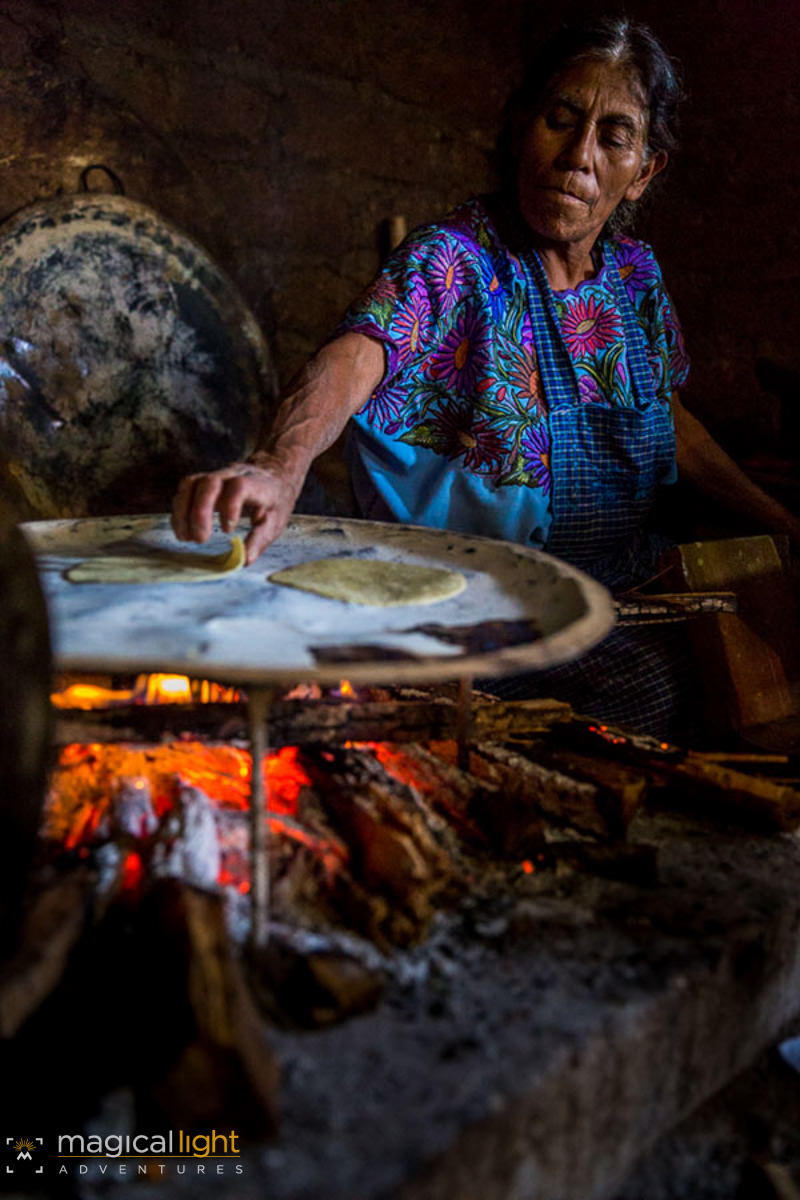
Zinacantan, Chiapas

Zinacantan, Chiapas
Canon EOS 5D Mark III + EF24-70mm f/2.8L II USM @ 39mm, ISO 6400, 1/250, f/2.8
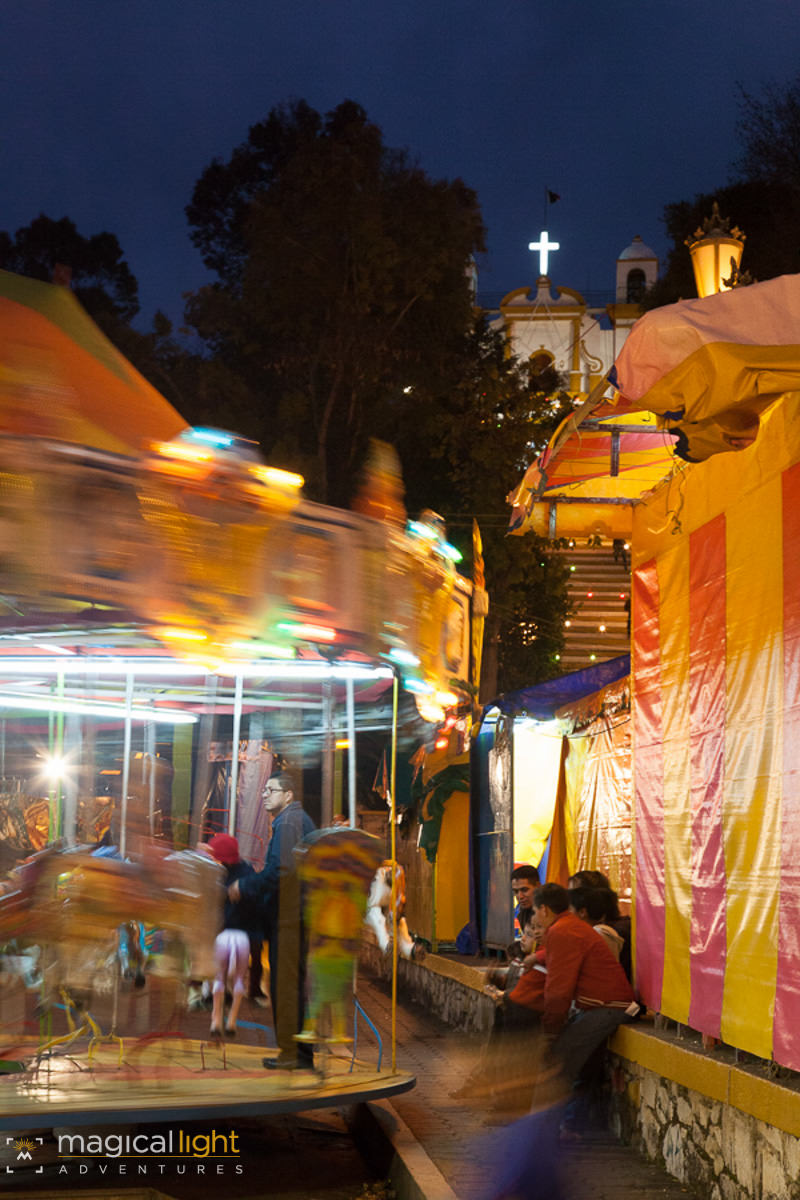
San Cristóbal, Chiapas

San Cristóbal, Chiapas
Canon EOS 5D Mark II + EF24-105mm f/4L IS USM @ 70mm, ISO 4000, 1/8, f/10.0


This guest post was contributed by Michael S Lewis. Michael has been a professional photographer for more than 35 years, first as a staff newspaper photographer and eventually working as a photographer for magazines and National Geographic books. He and his wife, Jennifer, operate a destination wedding photography business and a travel tour business from the Caribbean island of Cozumel.

The post The Joy of Travel Photography appeared first on Photography Life.

Photography Life

Posted in Photograpy How To | Tagged , | Leave a comment

Charles Chaplin Birchwood 24×18 Photo On Birchwood

Charles Chaplin Birchwood 24×18 Photo On Birchwood


Charles Chaplin” is an art print by Alfred Eisenstaedt from The Life Picture Collection. Get photo prints of “Charles Chaplin” in a variety of frames, styles, and materials. Photographer Bio Alfred Eisenstaedt (1898-1995), or Eisie to those who knew him, received his first camera as a gift from his uncle at 14, a few years after moving to Berlin from Poland with his family. At 17, he was drafted to the German army. His interest in photography blossomed while recovering from a shrapnel wound. He became a regular at museums, studying light and composition. By 31, he was a full-time photographer. In 1933 he was sent to Italy where he shot the first meeting between Hitler and Mussolini. Two years later, when Hitler came to power, Eisie immigrated to America. Soon after arriving in New York, he was hired along with three other photographers-Margaret Bourke-White, Thomas McAvoy and Peter Stackpole-by Time Inc. founder Henry Luce for a secret start-up venture known as “Project X.” Six months later, Life magazine premiered on November 23, 1936. The first issue sold for 10 cents and featured five pages of Eisie’s pictures. His most famous photo was the kiss in Times Square on V-J day, about which he said, “I was running along the street grabbing any and every girl in sight. Whether she was a grandmother, stout, thin, old, didn’t make any difference. None of the pictures that were possible pleased me. Then, suddenly in a flash I saw something white being grabbed. I turned and clicked the moment the sailor kissed the nurse.” Over his career, Eisie shot a total of nearly 100 covers for Life magazine and some 10,000 prints. The Life Picture Collection From one of the most iconic magazines ever to hit the shelves comes The Life Collection – an archive of some of the most recognizable imagery of the 20th Century. Documenting events in politics, culture, celebrity, the arts and the American experience, these compelling and provocative photographs include the works of some of the greatest photographers capturing some of the greatest moments in history.

Price: $
Sold by Photos.com by Getty Images

Posted in Camera Photography | Tagged , , , , | Leave a comment

The 12 best tutorials for photographers in 2016

When we look back on 2016, we can’t help but think about all the wonderful contributors we’ve had here on our photography blog.

From the very beginning, our desire has been to help you learn to take better pictures. We are so grateful to the talented photographers that have crossed our paths and shared that same desire and have brought you some amazing tutorials over the last 7 years.

This is just a fraction of the brilliant knowledge that was shared by those contributors last year and some of your favorite posts!

The post The 12 best tutorials for photographers in 2016 appeared first on Clickin Moms.


Clickin Moms

Posted in Photograpy How To | Tagged , , , | Leave a comment

What does it mean to be a successful photographer?

I was recently chatting with a photographer friend of mine after getting accepted to the Click Pro program at Clickin Moms.

It had been a goal of mine for years and finally it happened. FINALLY. I’d be lying if I didn’t tell you I ugly cried when the email came through followed by a celebratory glass(es) of wine. I’m a lush, what can I say?

Anyway, when I told my friend I was accepted, she responded with, “Of course you did, Ashley! You’re a great and successful photographer! I, on the other hand, would never get accepted.”

The response kind of stopped me in my tracks.

Of course it was a nice compliment, and of course I was happy she thought I took nice photos, and, of course, I told her to stop being so hard on herself. But that simple response triggered me to think about the enormity of the word.

Success.

photo of kid standing in the snow by Ashley Manley

Here’s the thing about success: we see it happen to others and think it’s because they are better or luckier or in a different situation. What we don’t often see is how hard they work. We don’t see that with the well curated collection of good photos they post on the internet, there are thousands of really bad photos that weren’t posted. We often don’t see the bad days or the bad ideas or even the bad sessions. And, typically, we don’t see all the rejections that came before.

I opened my mouth to tell my story, the one filled with failures told in a really dramatic voice, but she had already skipped onto another topic, so I decided against it.

What she didn’t know is that I had applied a couple years earlier to the very same program and didn’t get accepted. She didn’t know that I spent months working on a collection that I repeatedly tore apart. She didn’t know that on a regular basis, I don’t feel very successful as someone else always seems to be busier, faster, more creative, and better at just about everything.

Following this conversation, I looked up success in the dictionary. “The accomplishment of an aim or purpose.”

pic of boy playing in the water by Ashley Manley

Clickin Moms photography forum

The thing about success? There’s enough of it to go around. We don’t have to have grandiose goals or measure up to the ideals of others. We don’t have to delve into uncharted territory or reinvent the wheel.

It can be a new baby or a happy marriage. It can be a vacation or a full bank account or no bank account at all but the freedom to wander. It can be a single photo that brings a tear to the viewers eye or a simple email saying, “You’ve been accepted into our organization.”

My friend is successful in her photography, just in a different way than me.

The thing about success? It looks different for all of us. And, of course, I’ll drink to that!

The post What does it mean to be a successful photographer? appeared first on Clickin Moms.


Clickin Moms

Posted in Photograpy How To | Tagged , , | Leave a comment

Kodak’s Kodakit Appears to be ‘Uber-izing’ Photography the Right Way

Kodak quietly launched “Kodakit” in March of 2016, but the company didn’t really roll out the red carpet until today, announcing it’s available in 37 countries. I’m talking about Kodak’s new and easy-to-use service that connects consumers and businesses to photographers. The company claims it will “transform the photography market with an on-demand service that will change the way [clients] and photographers can connect. Have instant access to a network of photographers, wherever and whenever you need one.”

When I say that something will “Uber-ize” an industry, I mean it as a company or person disrupting it by introducing a new, more efficient and sometimes cheaper alternative to the status quo. That sounds exactly like what Kodak’s after, and it’s something I’m usually very wary of — remember Snappr? That company’s blatant focus on cheap photography is disgraceful, but Kodak luckily chose a different approach.

You can get started with “Kodakit” as a photographer or as a client (mostly companies and businesses), and it claims to solve pain points for both. For photographers, “Kodakit” offers connections to high quality, high volume global brands, while taking care of marketing, booking, pricing, scheduling, invoicing, and payments. For companies, “Kodakit” offers access to a pre-screened global network of local talent. Companies only need to indicate when, where and how they want a photo shoot to be conducted, and let “Kodakit” handle all other aspects of the process and deliver the images in a dedicated private cloud.

Back in March, “Kodakit” was launched as an app, but I couldn’t find it in the App Store today — as it is weirdly only available in Singapore, I guess? So I just went to the website, and I tried the whole thing out from a photographer’s point of view. A new profile was easy to make, for which I was asked to fill in a little bio, choose a genre, show my availability on a calendar and add some example shots. So far no bookings, but screenshots (below) show how photographers can set their own prices, and that’s a key element in maintaining the value of photography.

This is “Uber-izing” the right way. Even though Kodak was on the verge of total collapse just a few years ago, it seems to have found new meaning in life. And because it has such a long history of dealing with photography, everyone can now benefit from it.

Resource Magazine

Posted in Photograpy How To | Tagged , , , , , | Leave a comment