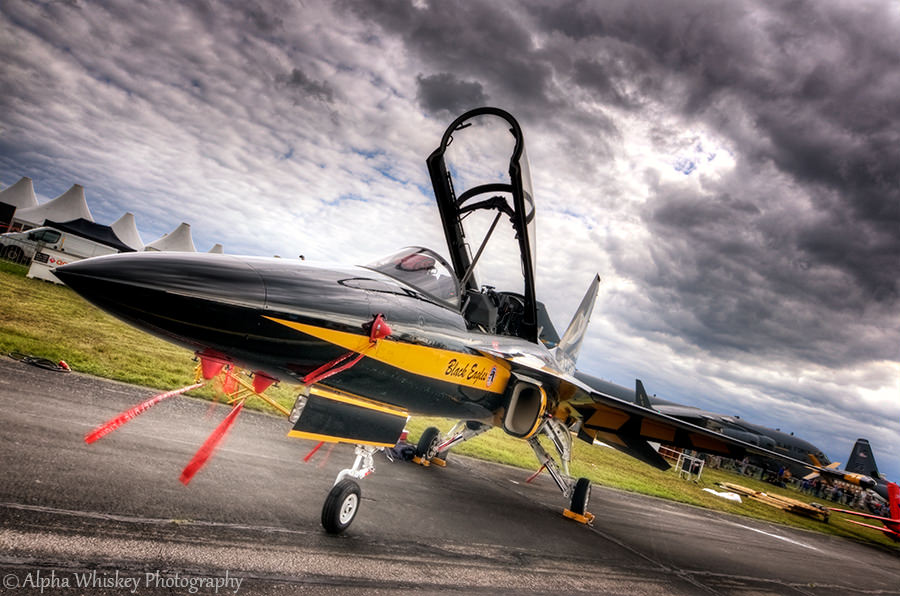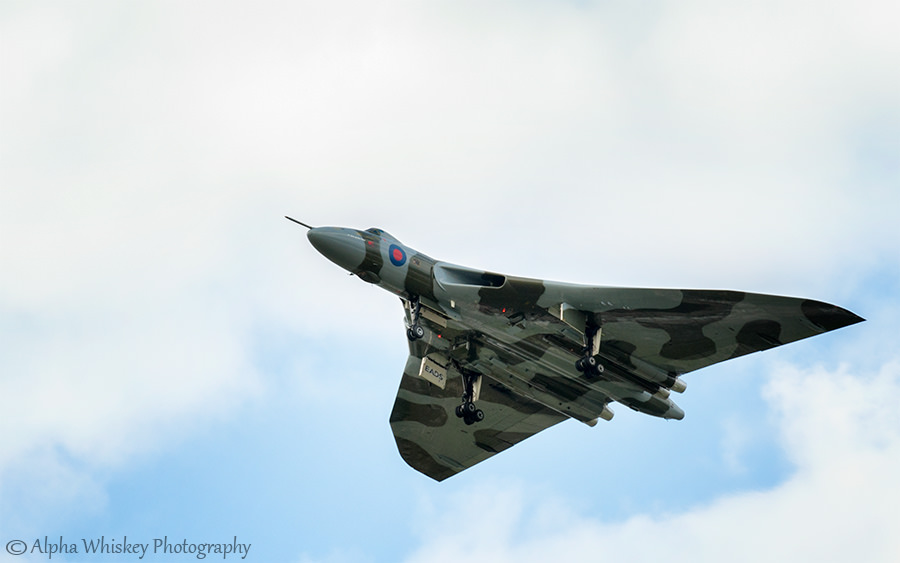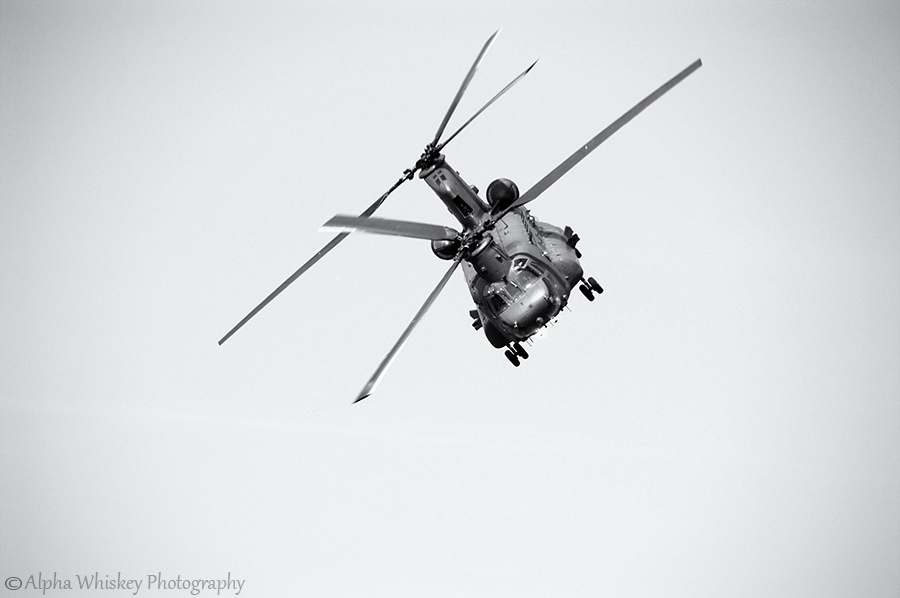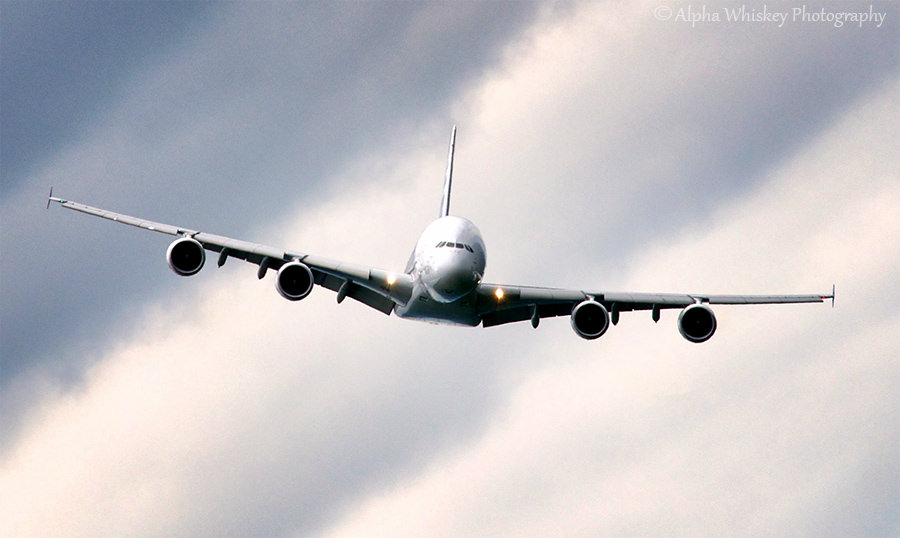
How to Take Photographs That Will Make You Money

There are billions of photographs out there on the internet, so in order for your pictures to sell well and make you money, you need to find a way to stand out from the rest.  I will explain a few ways to do this and how you can know that your pictures are going to sell like crazy.  Your photography can bring in a decent income every single day even if you are not a professional photographer and only take pictures with your digital camera for the fun of it.

First, take pictures that of superb quality.  Even though I put this first, it is not the most essential quality of an image that sells a lot.  But without a good quality picture you will really be cutting yourself short.  Always be working on your craft.  Make sure there is no blurriness, no digital noise (or grain), no over saturation of the colors, no blown out highlights, and make sure the contrast is no over done or under done.  Every time you press the shutter button you should analyze the scene and see how you can improve on it.

Secondly, you need to focus on creativity.  This is what will set you above the rest.  Don’t just copy someone else’s idea.  Always be looking for different perspectives and angles.  Try shooting from below or above the subject and don’t frame the subject in the center of the picture.  Use strong leading lines to draw the viewers attention to the main thought.  And above all, don’t be afraid to try something new.  The rules of photography were meant to be broken, so express your uniqueness with every shot you take.

And thirdly, find what kinds of pictures buyers are looking for.  You can look at any stock photography website and find what search terms are being used the most and even find out what images are selling the most.  As I said above, do not copy those exact photographs, but use them to give you other ideas to use your digital photography to make you as much money as possible.

There are tons of ways to make money with your photographs. If you want to make a lot of money with photography you can check out this free email course. Just click the previous link and you will be able to take this 7 part email course that teaches the best ways to get started making money.

Posted in How To Photograph | Tagged , , | Leave a comment

Duke Ellington Paper Framed Print 1 5/8″ Natural Espresso Wood Grain 22×26 Photo On

Duke Ellington Paper Framed Print 1 5/8″ Natural Espresso Wood Grain 22×26 Photo On


Duke Ellington” is an art print by Gjon Mili from The Life Picture Collection. Get photo prints of “Duke Ellington” in a variety of frames, styles, and materials. Photographer Bio Emigrating to the United States from Albania in 1923, Gjon Mili is regarded as the first photographer to use electronic flash and stroboscopic light to create photographs outside of a scientific context. A true pioneer of the artform, Mili’s photographs of dancers, athletes, and pictures or performances have shaped our understanding of how movement too rapid or too complex for the eye to discern is captured in the still image. Mili’s career as a photographer for Life Magazine spanned four decades and saw the publication of thousands of his photographs, taking him around the world; from collaborations with Pablo Picasso, to the incarceration of Adolph Eichmann, to original photos from Broadway plays. The Life Picture Collection From one of the most iconic magazines ever to hit the shelves comes The Life Collection – an archive of some of the most recognizable imagery of the 20th Century. Documenting events in politics, culture, celebrity, the arts and the American experience, these compelling and provocative photographs include the works of some of the greatest photographers capturing some of the greatest moments in history.

Price: $
Sold by Photos.com by Getty Images

Posted in How To Photograph | Tagged , , , , , , , , , , | Leave a comment

4 artificial light myths debunked

Artificial light is often considered the big, bad scary villain in the photography world.

Say the word “flash” or “studio light” and photographers cringe.

We’ve been there and we get it; artificial light is intimidating but that’s just because of the unknown. The extra tools it takes feels daunting but we promise you that it’s much easier than you think. To help ease your mind, we asked a few of the Click Away 2016 speakers who you use artificial light to share a common myth they hear about artificial light and why they are not true.

1. It’s impossible to reproduce soft, natural light using a studio light strobe.

Allison McSorley explains that “It’s a common misconception that artificial light can’t look like natural light. On the contrary, it’s quite simple to shoot natural light-looking portraits with a studio strobe. All it takes is a little knowledge of light and how it behaves. Soft natural-looking artificial light is a function of the size of your modifier and the position of your modifier in relation to your subject. Think of your studio strobe as the sun and your accompanying modifier as the window. The larger the window, or in this instance, the larger the modifier, the softer the light. Place the modifier as close as possible to your subject and your light will become even softer.”

black and white picture of girl with her hair blowing by Allison McSorley

2. You can only use flash when it’s dark.

The light maestro herself, Michelle Turner, told us, “Some of my favorite images were taken during the day with flash! Flash – especially off camera flash – is a wonderful tool for balancing out or even overpowering the ambient light so that you can improve the quality of the light on your subject. Want to get rid of splotchy light on your subject? You can use flash! Want to preserve a beautiful blue sky or background without leaving your subject dark? Use flash. It’s a wonderful tool for letting you create images in any environment at any time of day!”

One Light Off Camera Flash photography workshop with Michelle Turner

3. I shoot film so I have to use natural light

Film photographer Sandra Coan chimed in with this great point! “Many film photographers stay away from using strobes and flash. They feel that learning artificial light is confusing and hard. Or they fear that they will not be able to create light and airy images using lights. Nothing could be further from the truth! Learning how to create soft, natural light looking images with artificial light is easier than you think! And film LOVES light… the more the better! With artificial light, you are in control of how much light you have all the time! Strobes or flash in a softbox is like having your very own portable window. How great is that?!!”

photo of sister hugging newborn baby by Sandra Coan

4. Kids won’t enjoy the process of flash photography

As Kellie Bieser puts it, “I very much consider myself a natural light photographer, but I also consider flash and artificial light to be one of the most fun elements of what I can do as an artist. Whether it be creating dramatic sidelight with a gridded softbox, illuminating details with an Ice Light, or creating colorful magic with backlit snow and gels, artificial light allows me to turn a scene into something magical. And the best part? My kids are always eager to participate knowing that the end results will be something completely different than what they saw while standing in front of the camera.”

girl dressed up as Rey from Star Wars by Kellie Bieser

The post 4 artificial light myths debunked appeared first on Clickin Moms.


Clickin Moms

Posted in Photograpy How To | Tagged , , , | Leave a comment

India Wildlife Toursim

India is an exotic and fascinating wildlife destination which summons scores of wildlife enthusiasts and nature lovers from several parts of the globe. The geographical location and topographical variance blessed India with 80 National Parks and 441 wildlife sanctuaries, which are known for their flora and fauna collections.

Experience the scattered charm of flora, fauna and scenic landscape of wildlife reserves with India Wildlife Tour Package. Enjoy the different wildlife safari options that include jeep safari in the Indian jungles and elephant safari during India Wildlife Tours. Some of the popular attractions of India Wildlife Tour are:

Ranthambore National Park 

This is among the most popular wildlife reserve of India located in the Sawai Madhopur district of Rajasthan. It is one of the most visited destinations of India because of its scenic beauty, diverse flora and fauna collections. The park spread over an area of 392 sq. km. and crowned as national park in 1980. The park is renowned for several species of wild animals like Tiger, Leopards, Striped Hyenas Chital and over 300 species of birds.

Bandhavgarh National Park:

This national park is located in Madhya Pradesh and renowned for its scenic landscapes of small hills, rich valleys and lush meadows. The park is spread over an area of 448.84 sq.km. Because of its greatest diversities in flora and fauna it is also known as ‘Biodiversity hotspots’.

With the scenic charm it is also known for its high-density of tiger population which increases the chance of a tiger sighting during safari. Along with this the park also cradles good number of animals, 242 species of birds and several species of reptiles.

Gir Wildlife Sanctuary:

Also known as Sasan-Gir is the most famous wildlife reserve in Gujarat. This national park is only natural habitat of Asiatic lions outside Africa. The rich biodiversity of this wildlife reserve supports 310 bird species, 450 plant varieties, 24 types of reptiles and over 2,000 species of insects. Among all these the foremost attractions are the healthy number Asiatic Lion which can be easily seen here during Lion Safari.

Some of the other well national parks of India which are often visited are Keoladeo, Ghana, Periyar, Kanha, Corbett and Kaziranga.


India Wildlife Tour is the best way to feel the charm of nature diversities in the form of scenic landscapes and varied collections of flora and fauna. Nature lovers and wildlife enthusiasts from across the globe prefer Wildlife Tour Package so that they can feel the charm of vibrant nature.

Posted in Wildlife Photography | Tagged , , | Leave a comment

Season For Air Shows

Summer is usually the season for air shows and that means yet another reason and opportunity to go out shooting. I had intended to visit the Farnborough Air Show this year but unfortunately an exhaust muffler decided to divorce itself from the underside of my car and reconciling the two became my whole day instead. Undoubtedly there’ll be other air shows for me to visit this summer but for now these images here are from previous shows, including the one at Farnborough.

1

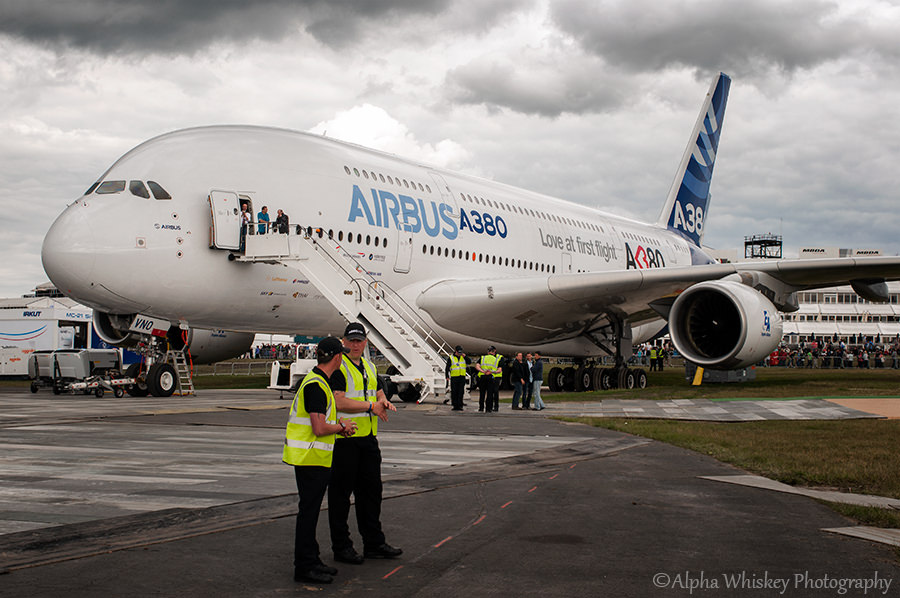
Obviously when you first arrive there’ll be plenty of aircraft stationed on the tarmac awaiting your awe and inspection.

1a

Capture them with any lens or focal length you choose. Perhaps go wide to fit in their entirety but also feel free to zoom into them and fill the frame with just the cockpit or some other detail. Closing in may also help cut out unwanted distractions or people from your shot.

1a1

1b

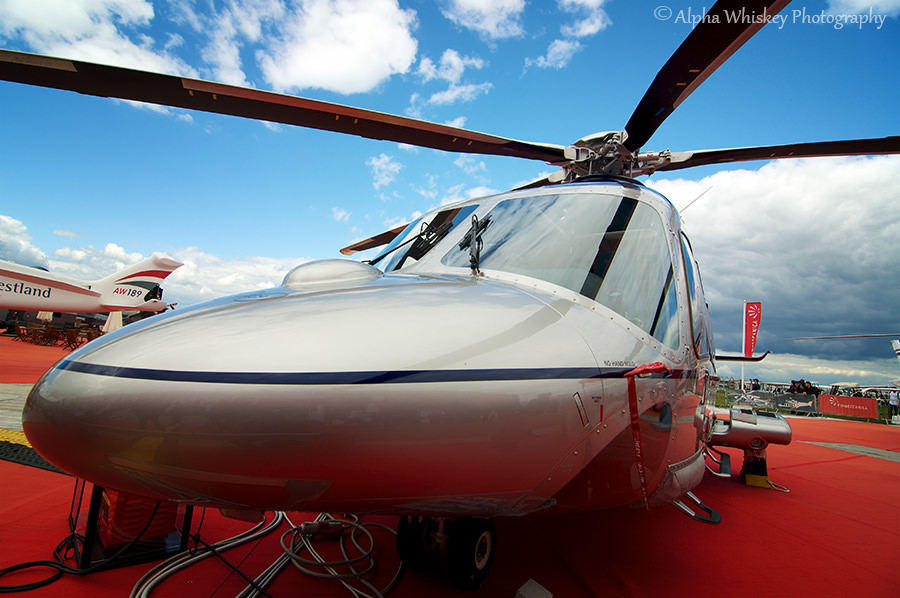
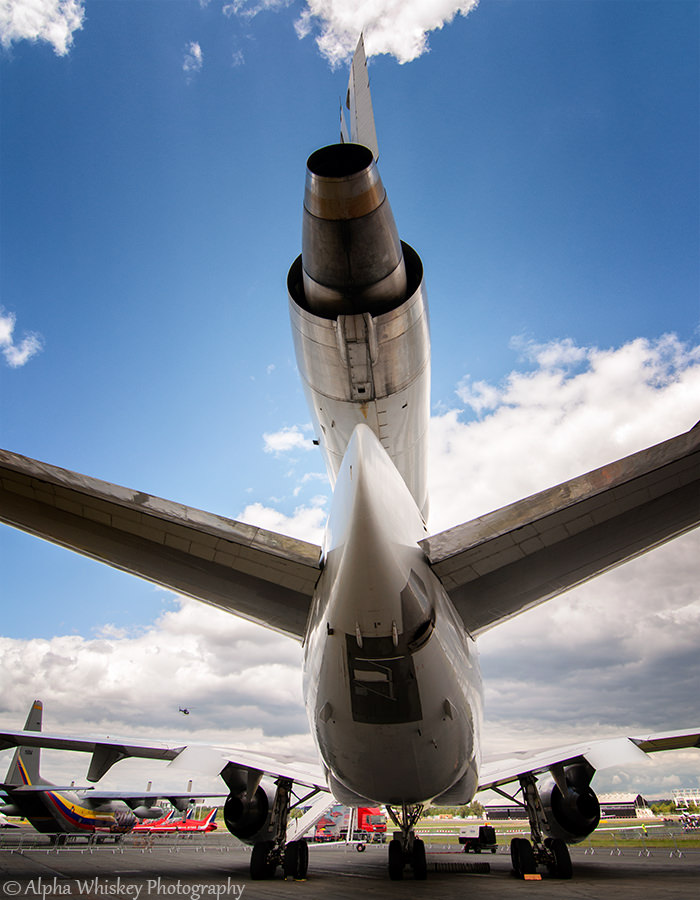
Don’t hesitate to find a more interesting angle. There’s no rule that says the aircraft have to be captured from the front or the side. Large machines are interesting from a variety of angles, and have plenty of geometry to stimulate your compositional juices.

1c

1d

Well, I guess most people really go to these shows to see the planes in the air and I’m certainly no exception.

1e

2

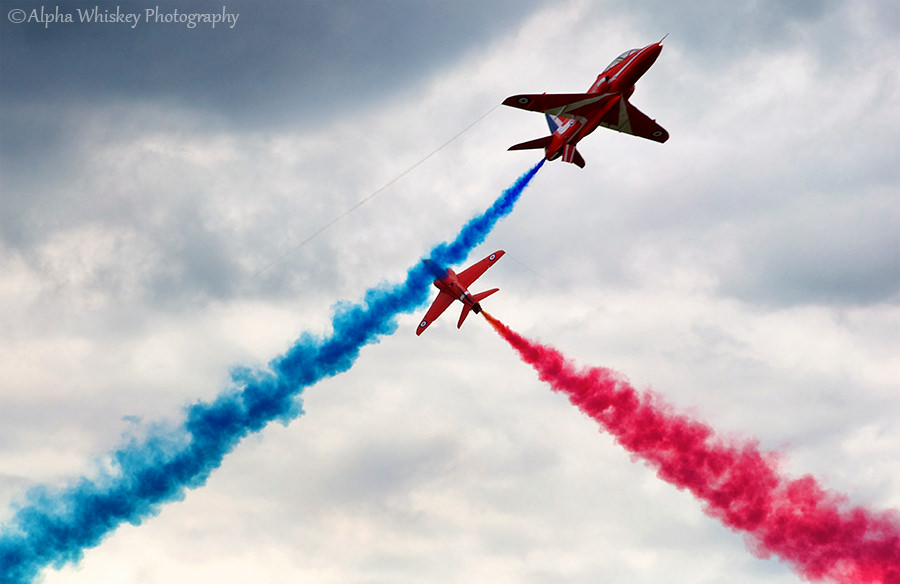
You’ll find models old and new(er); supersonic and subsonic. Enjoy the afterburn and the speed, and mind your ears as they scream or hover through the air.

6

4

Having a zoom or long focal length obviously helps, and most of these aerial shots were captured with a 200mm F/2.8 lens and teleconverter attached (1.7x). Obviously go longer if you can.

12

12a

Yes, I captured these with a DSLR and zoom lens but it doesn’t have to be a such a heavy set of gear. I’ve seen many people at these shows with superzoom bridge cameras or compact cameras (laugh all you want) and their results were pretty impressive. Lesser mortals will waste time picking out the technical imperfections of their images but good composition and timing isn’t dependent on your gear. And at least they made the effort to get out there and make images. My point is don’t be shy about your gear; it’s much more fun to go out and shoot than it is to sit at home feeling inadequate about your kit.

18

22
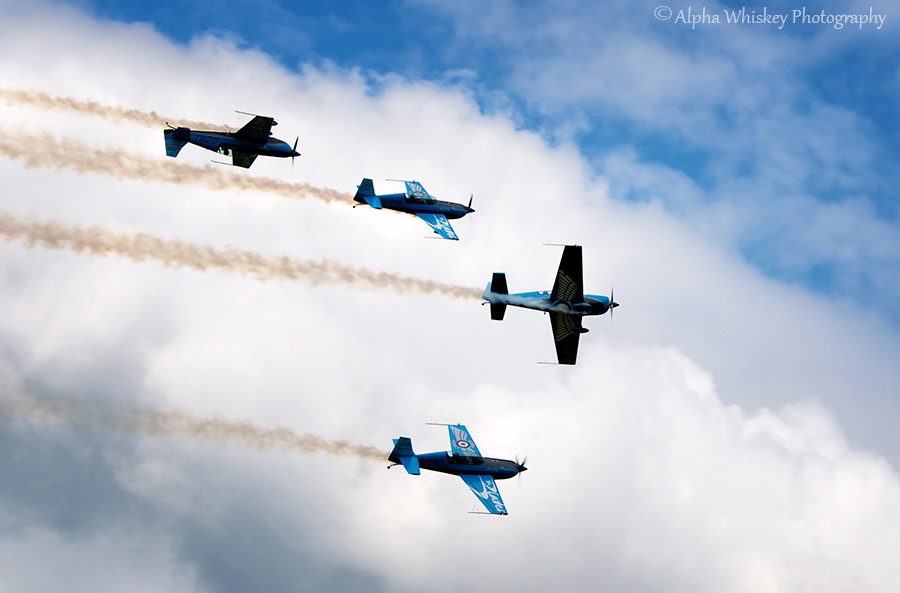
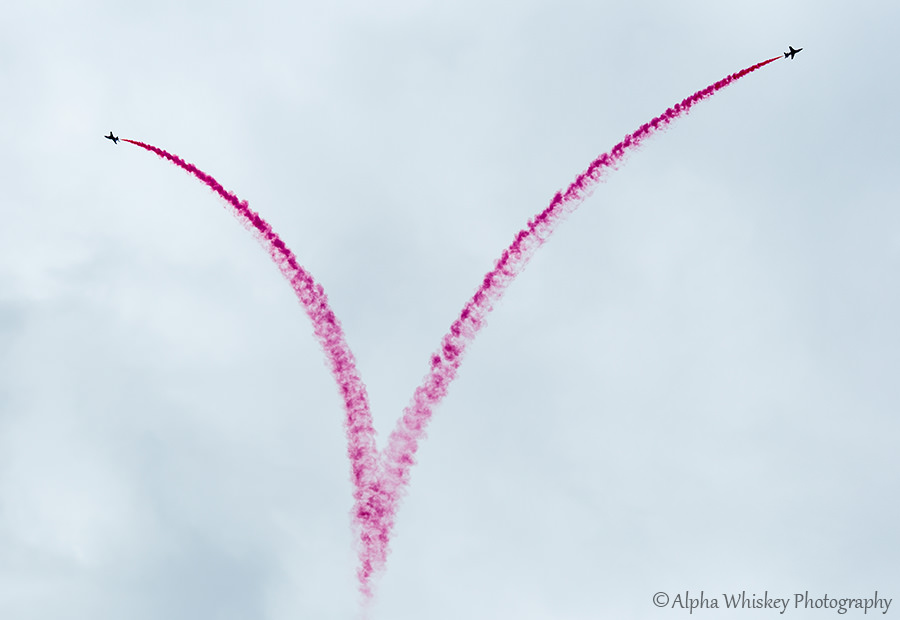
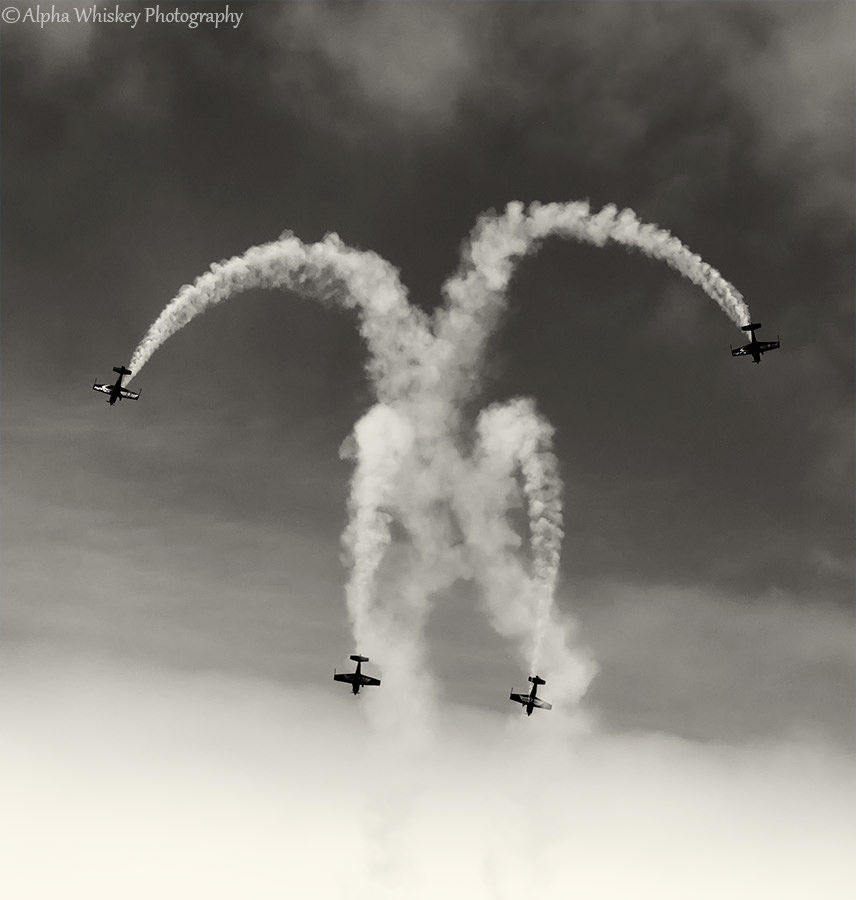
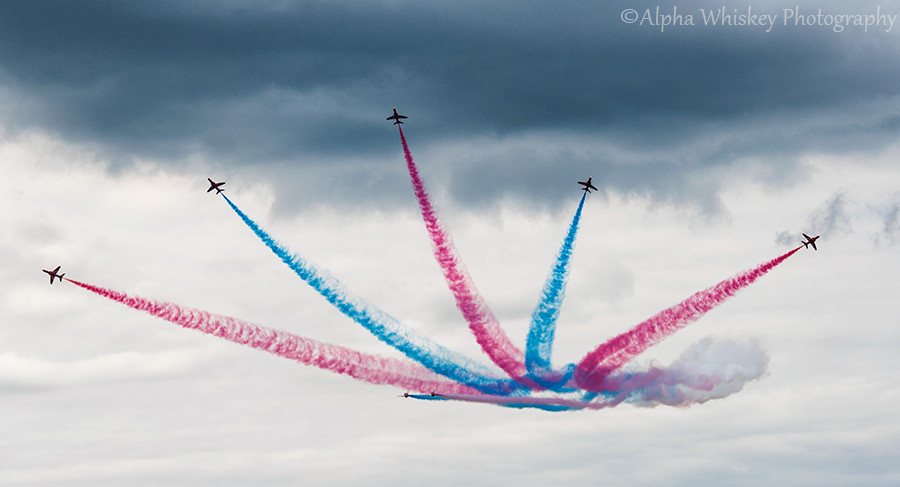
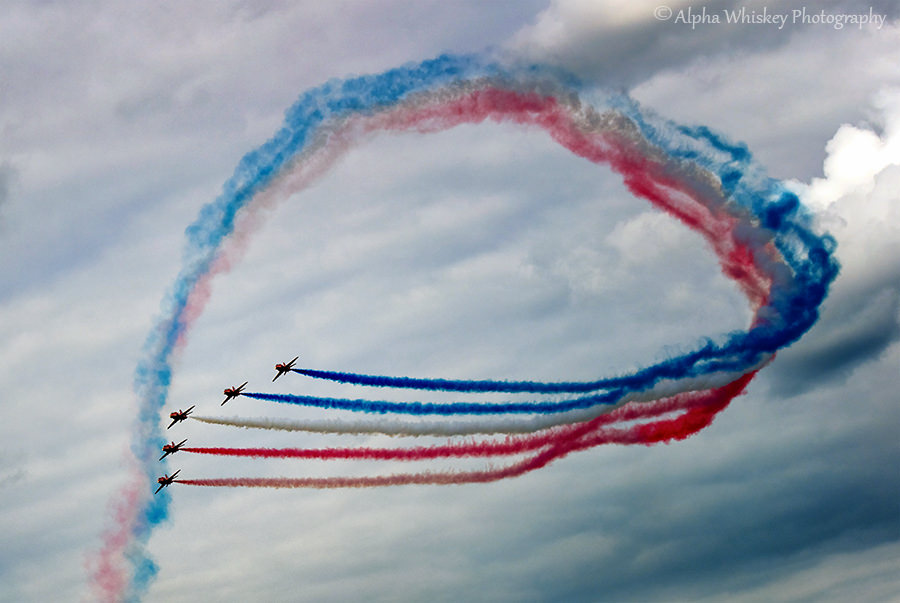
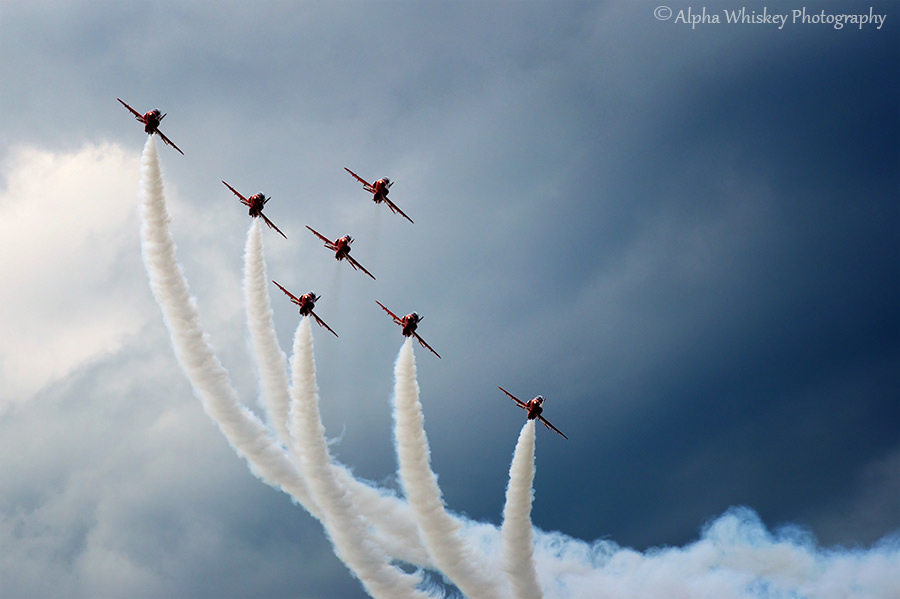
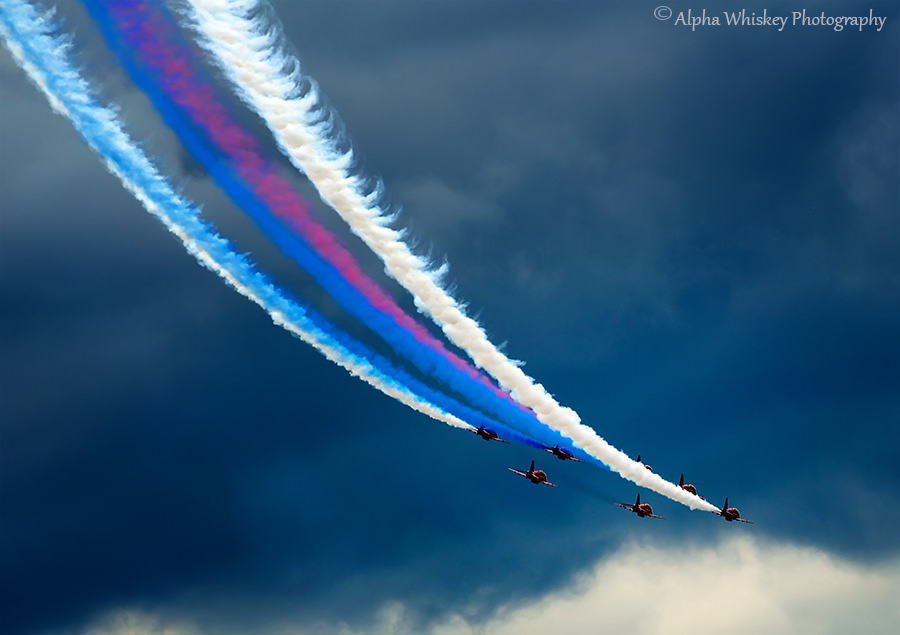
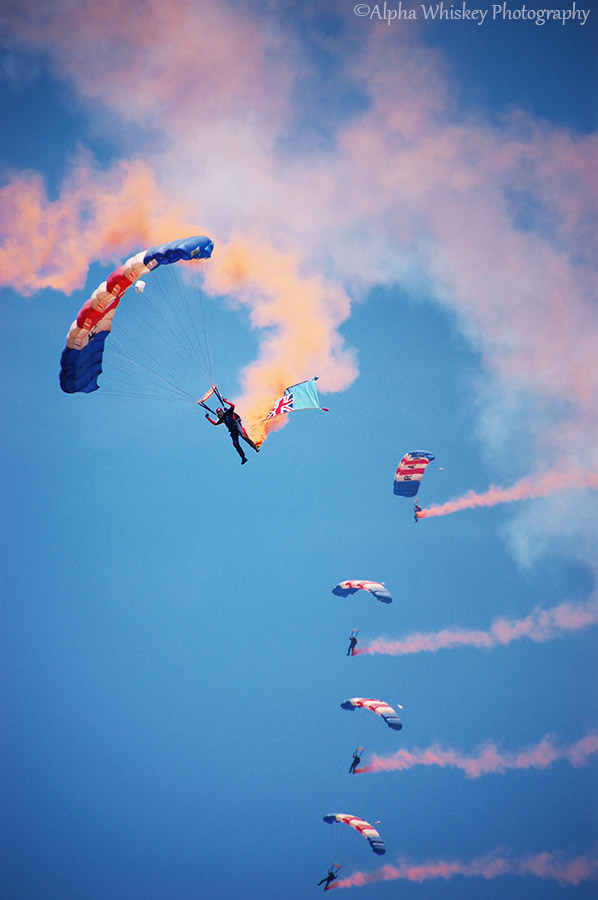
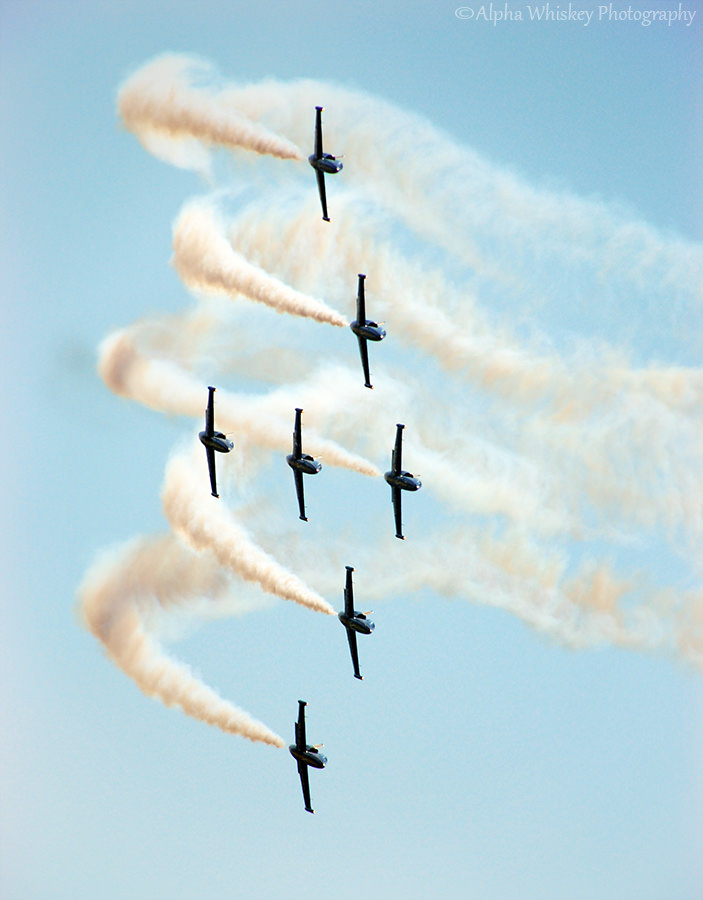
Back to the show and there’s plenty of spectacle from the professional display teams, and capturing their trails will give the viewer a sense of movement and direction.

17

16

20

Most of us hope that a summer day will be sunny and warm but don’t be too despondent if there’s an overcast sky. If anything it will provide a darker background against which to contrast the aircraft and their trails.

13

14

15

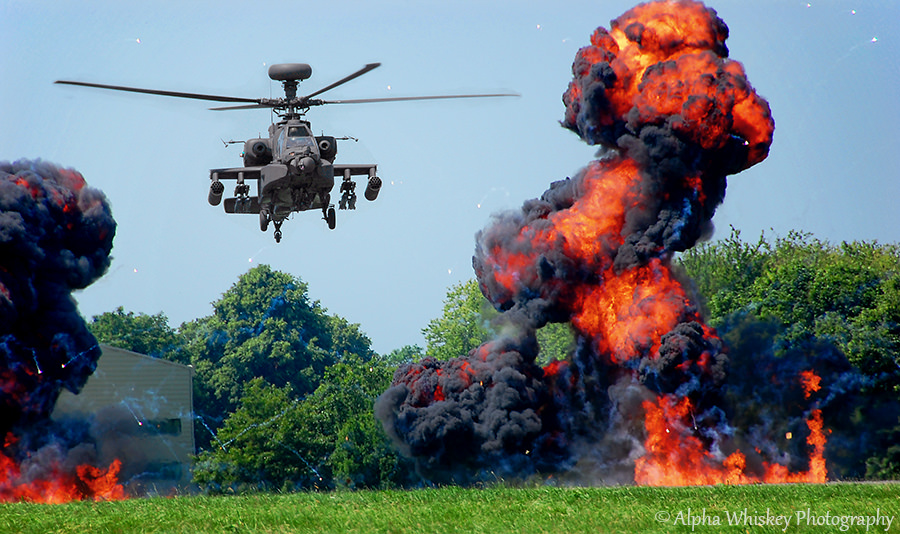
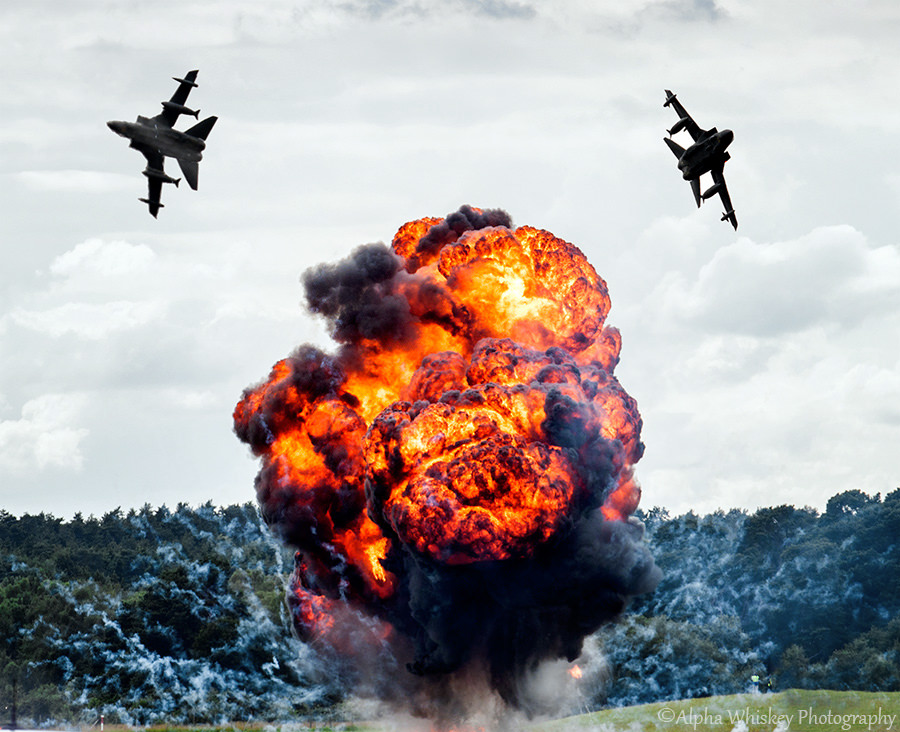
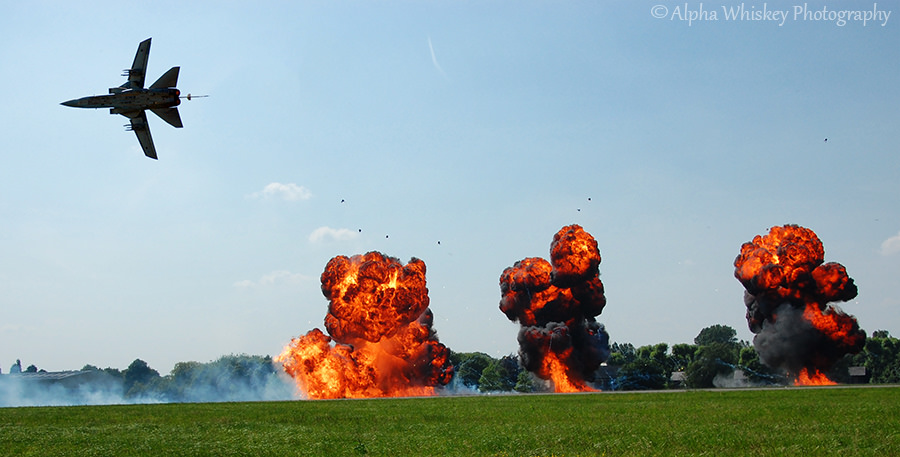
Often at these events, there’ll be explosions and such going off. Having a good burst rate on your camera can ensure you get the best shot but carefully choosing your timing can be effective too. Phase detection autofocus is probably the most useful for tracking the aircraft but they are usually enough distance away that even contrast detection systems should be able to keep up focus.

23

23a

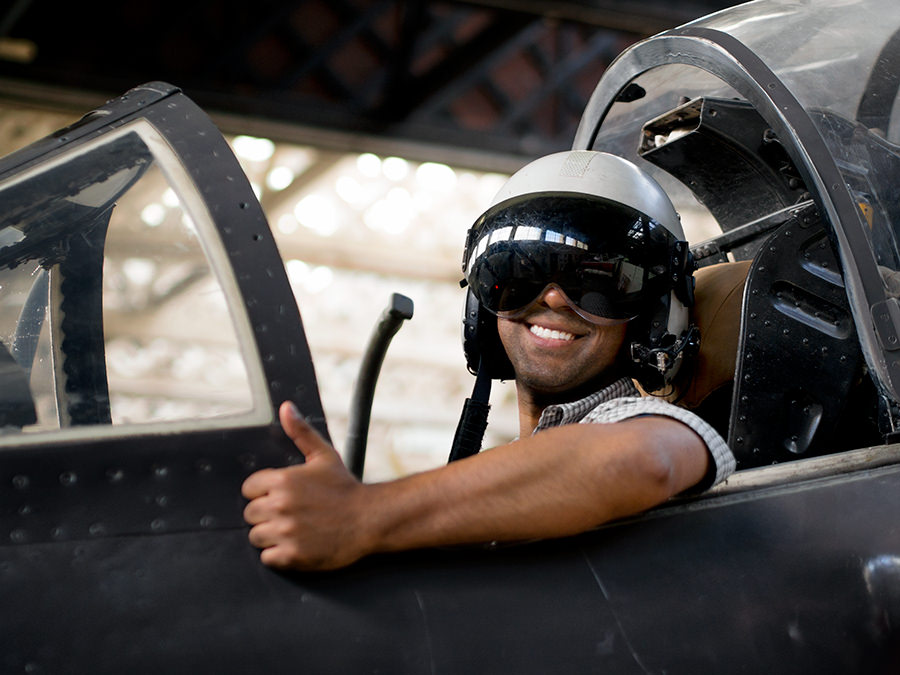
Don’t forget there are always plenty of people to photograph too, not just in the planes but on the ground or falling from the sky. One omission of mine here was not to include any close-up candids of pilots, although I’m not much of a portrait shooter. But you’ll do that when you go the show, right?

24

24a

These were processed in Lightroom with basic adjustments to contrast and some selective dodging and burning. Mostly in aperture priority between F/4 and F/8 with the camera choosing the shutter speed (fast enough on a bright day) and between ISOs of 200 and 800.

20a

So, anyway, please don’t waste too much time worrying or drooling over the latest lens or camera (unless it pleases you to do so!) and how it might make you a better photographer. It won’t. The only thing that will do that is practice and going out to shoot. Use these kinds of events as an opportunity, sure, but don’t just enjoy them through a viewfinder or LCD screen. Remember to have a good time too.

And if all else fails and you’re feeling tired and hungry, you can always find yourself a good dollop of cheese:

25

Call sign: Alpha Whiskey. Maverick it definitely ain’t!

Have fun!

The post Season For Air Shows appeared first on Photography Life.
Photography Life

Posted in Photograpy How To | Tagged , | Leave a comment