Balenciaga’s Toulouse-lautrec Inspired Designs Canvas Floater Frame 3/4″ Matte Black 26×42 Photo On Canvas

Balenciaga’s Toulouse-lautrec Inspired Designs Canvas Floater Frame 3/4″ Matte Black 26×42 Photo On Canvas


Balenciaga’s Toulouse-Lautrec Inspired Designs” is an art print by Gjon Mili from The Life Picture Collection. Get photo prints of “Balenciaga’s Toulouse-Lautrec Inspired Designs” in a variety of frames, styles, and materials. Photographer Bio Emigrating to the United States from Albania in 1923, Gjon Mili is regarded as the first photographer to use electronic flash and stroboscopic light to create photographs outside of a scientific context. A true pioneer of the artform, Mili’s photographs of dancers, athletes, and pictures or performances have shaped our understanding of how movement too rapid or too complex for the eye to discern is captured in the still image. Mili’s career as a photographer for Life Magazine spanned four decades and saw the publication of thousands of his photographs, taking him around the world; from collaborations with Pablo Picasso, to the incarceration of Adolph Eichmann, to original photos from Broadway plays. The Life Picture Collection From one of the most iconic magazines ever to hit the shelves comes The Life Collection – an archive of some of the most recognizable imagery of the 20th Century. Documenting events in politics, culture, celebrity, the arts and the American experience, these compelling and provocative photographs include the works of some of the greatest photographers capturing some of the greatest moments in history.

Price: $
Sold by Photos.com by Getty Images

Posted in How To Photograph | Tagged , , , , , , , , , , | Leave a comment

Street Photography With A Telephoto Lens

Or at least a longer focal length than conventional wisdom suggests. I’m always reading that so-called street photography is best undertaken with a prime lens within the 35mm to 50mm range and I understand the merits of this range for reasons I will elaborate on further down. But convention is naturally a gauntlet that Alpha Whiskey cannot ignore. So before meeting my date I decided to kill an hour in town the other night shooting with a telephoto zoom and mostly at the maximum focal length (210mm: 420mm equivalent field of view).
1

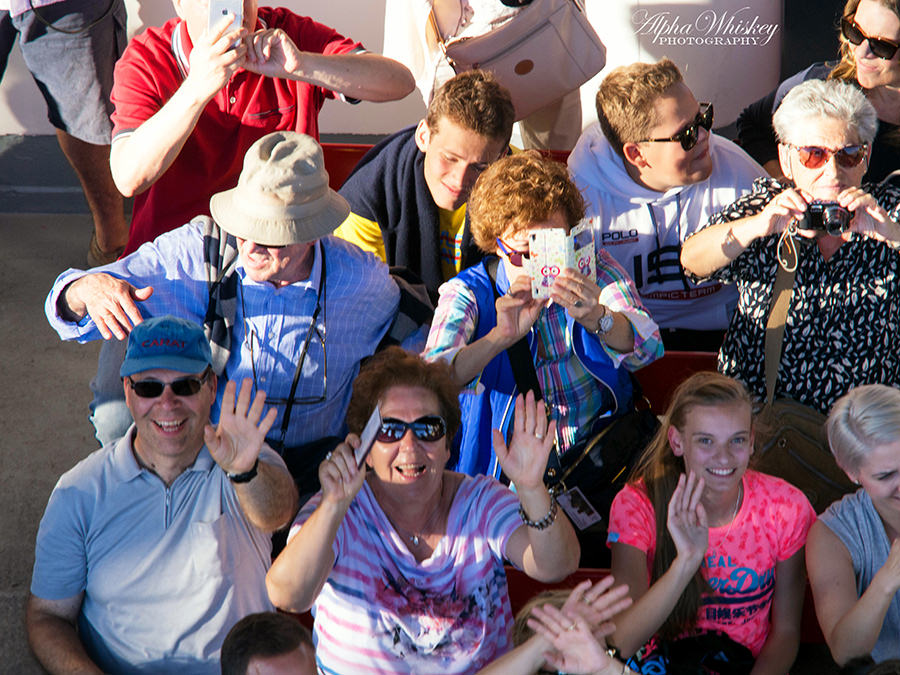
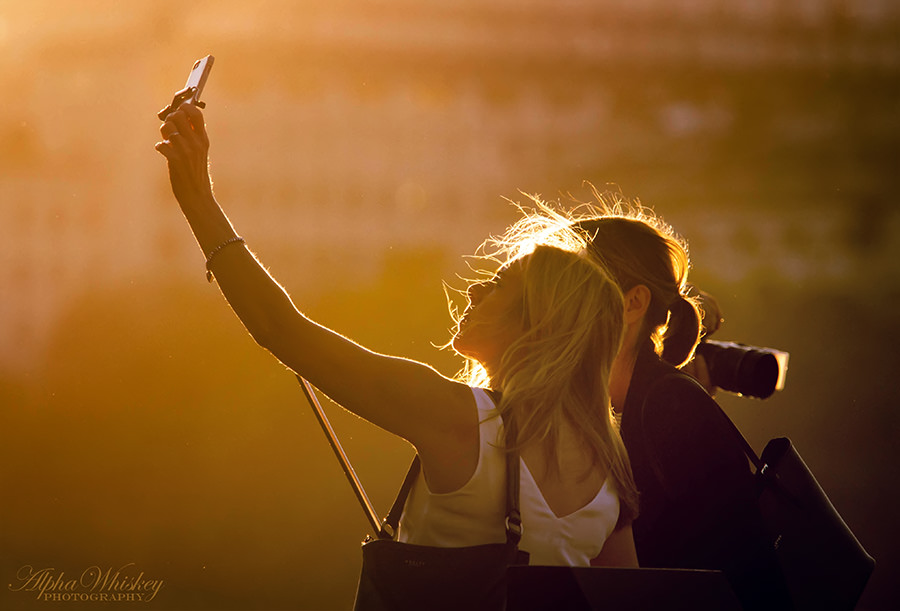
Selfie generation.

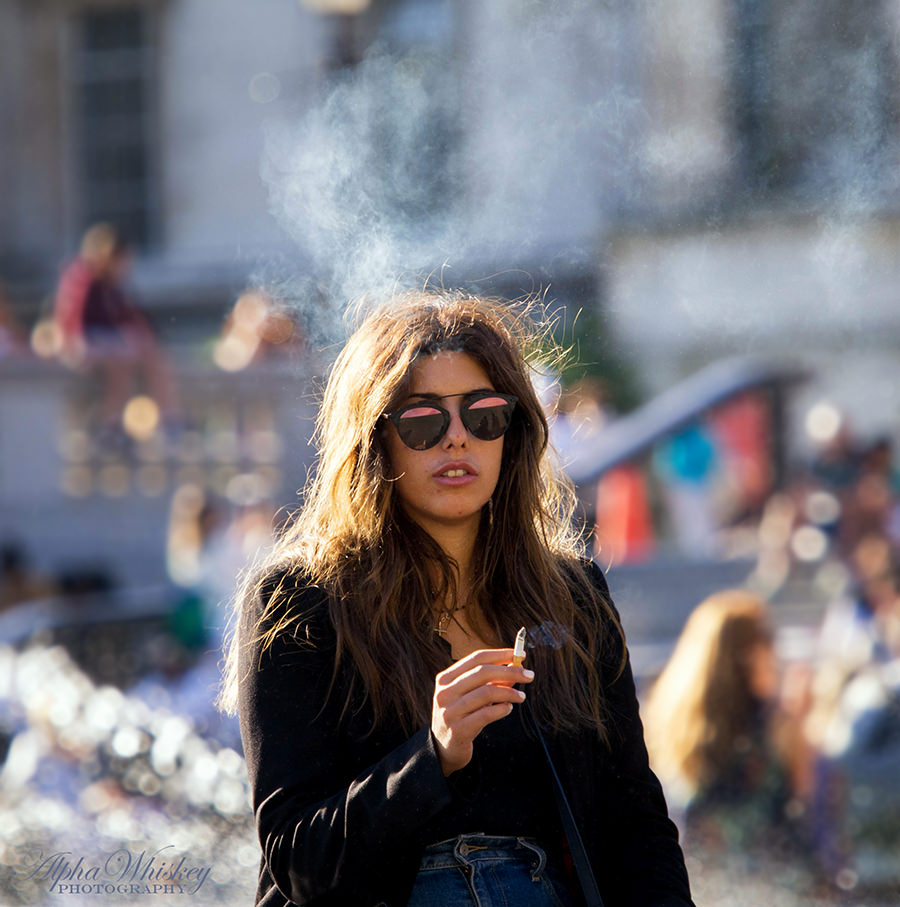
‘So-called street photography’ because it often has vague definitions, typically settling around an observation of random incidents or encounters in public places, either with or without people. As I’ve said a few times in the past, a lot of what is posted online as street photography, its artistic merit notwithstanding, seem like a lot of random shots of nothing in particular. Call me Mr Picky but I prefer my images to have a definite subject and I try to reveal something as well as just make an observation. Admittedly these images may have failed in that endeavour.

2

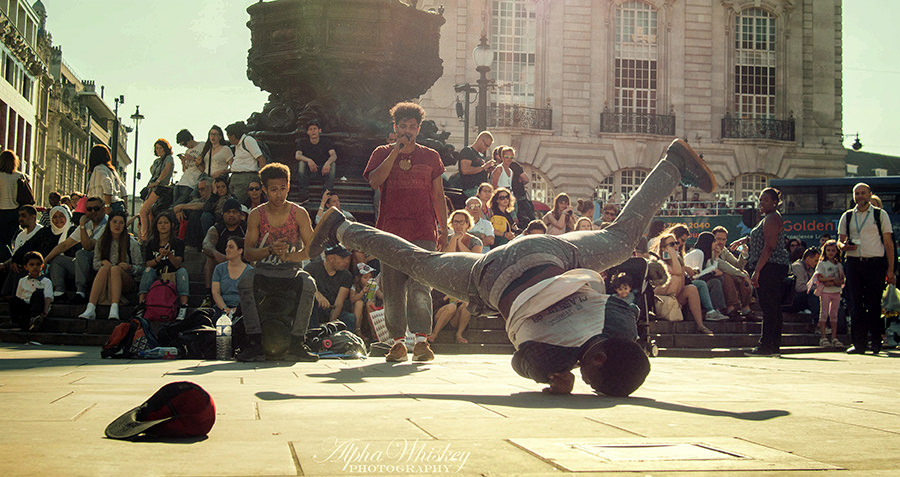
Now, 35-50mm is understandably the favoured range, allowing for a capture of one’s subject as well as a decent amount of its environment. That range is wide enough to show a scene or person and offer plenty of context as well. Some would argue it fits the field of view of the human eye and thus is more faithful to our observations. Furthermore, prime lenses that fall inside this range are usually fast, the wide aperture allowing for greater separation of one’s subject from its background if necessary whilst also allowing in more light to keep the ISO low. They are usually sharper than zoom lenses and the fixed focal length forces one to think more about composition and framing rather than lazily zooming in and out. They force you to have greater spatial awareness and to get into better positions to take your shot. Primes are small and light and virtually weightless around your neck, barely noticed by you or your subject, allowing you to discretely make your images. I’m sure you’ve heard all this before.
3

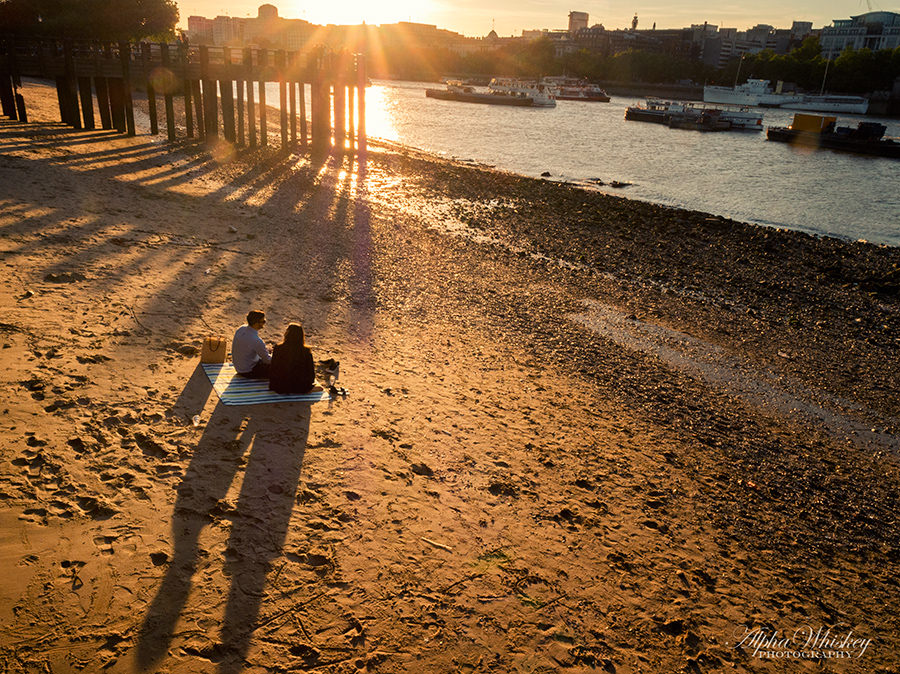
Taken with the Panasonic 20mm F/1.7 (equivalent to 40mm FoV).

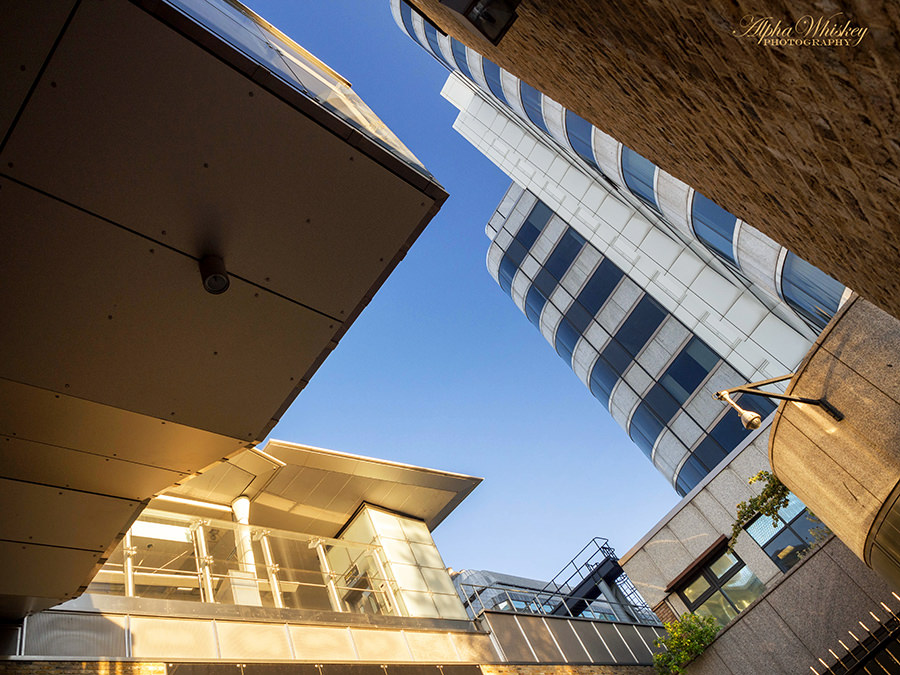
An even wider angle will help capture more of a scene, emphasising the location or perhaps interesting architectural geometry. The following two images were taken with the Olympus 12-40mm F/2.8 at 12mm (24mm equivalent FoV).
3a

3c

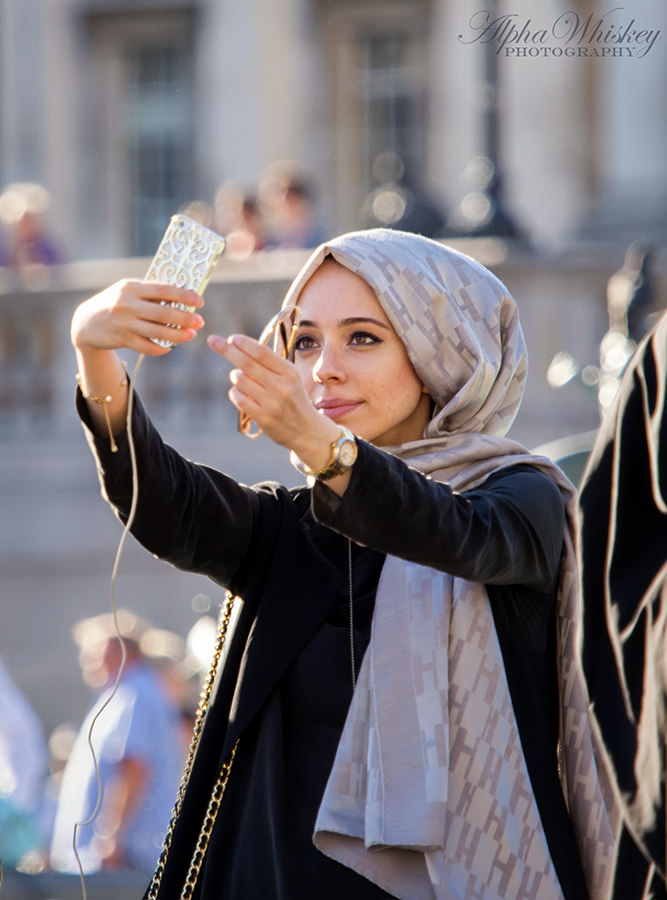
Furthermore, the strike against the telephoto or zoom lens, apart from fostering laziness in composition, is that they provide you with the comfort of distance so that one does not have to engage with one’s subject. This can, of course, alter (read: lose) your relationship with your subject or scene and risk the viewer being more indifferent to it. This distance also arguably makes the photography more voyeuristic, acquiring shots of unsuspecting people with greater ease.
4

I am self.

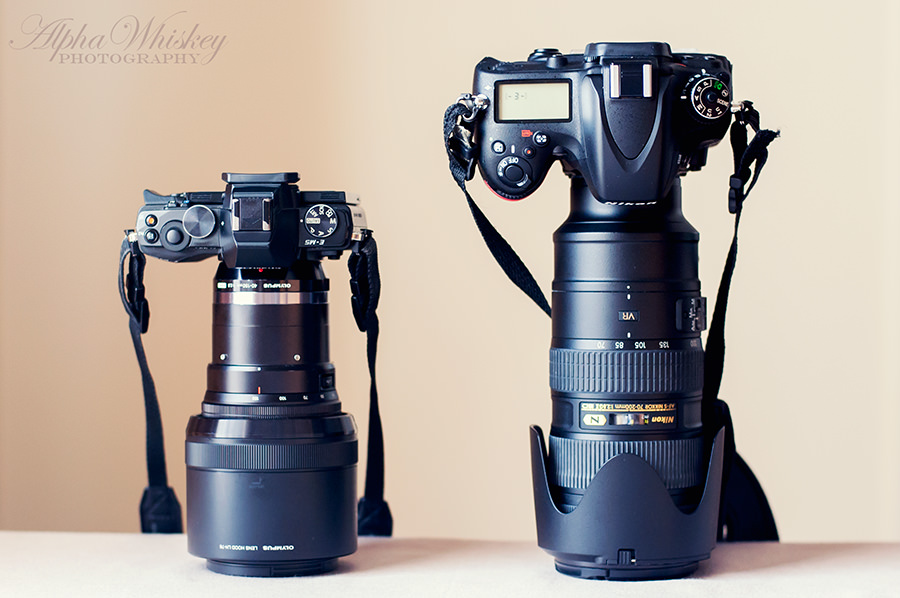
I completely appreciate those criticisms of telephotos and believe me I would ordinarily not choose to cart a heavier lens around town. I’m in the gym regularly enough that carrying weight is not a problem for me but given the choice I would personally prefer a lighter load when out shooting. I just like my spine to keep the shape and length that nature intended for it. Having said that, the Olympus 40-150mm F/2.8 is still much lighter and smaller than its DSLR counterpart. (For most of the images in this article I had the tiny MC-14 teleconverter attached to the 40-150mm).
5

The Olympus 40-150mm F/2.8 attached to the Olympus E-M5 on the left. The Nikkor 70-200mm F/2.8 attached to a Nikon DSLR on the right.

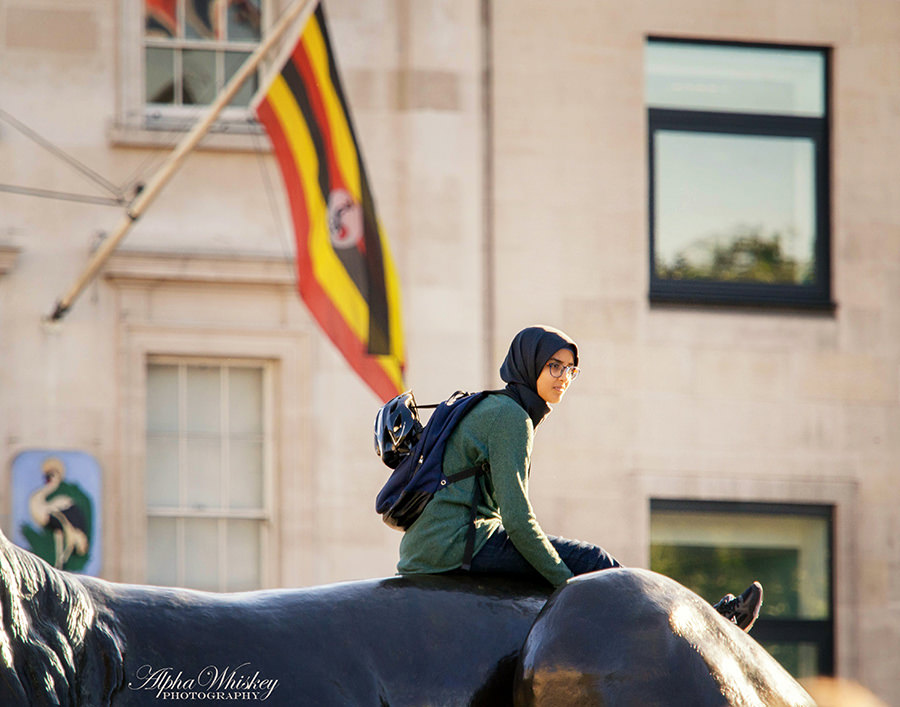
But that does not mean that longer focal lengths cannot play a role. I would argue that all street photography is voyeuristic to an extent since you’re opening an uninvited window into people’s lives. Whether you open that window from near or far is largely academic. Longer focal lengths have the effect of compressing the subject against its background, which may actually help isolate the subject within your frame.
5a

A longer focal length also offers a shallower depth of field at any given aperture than a shorter focal length, which may enhance the subject separation and bokeh.
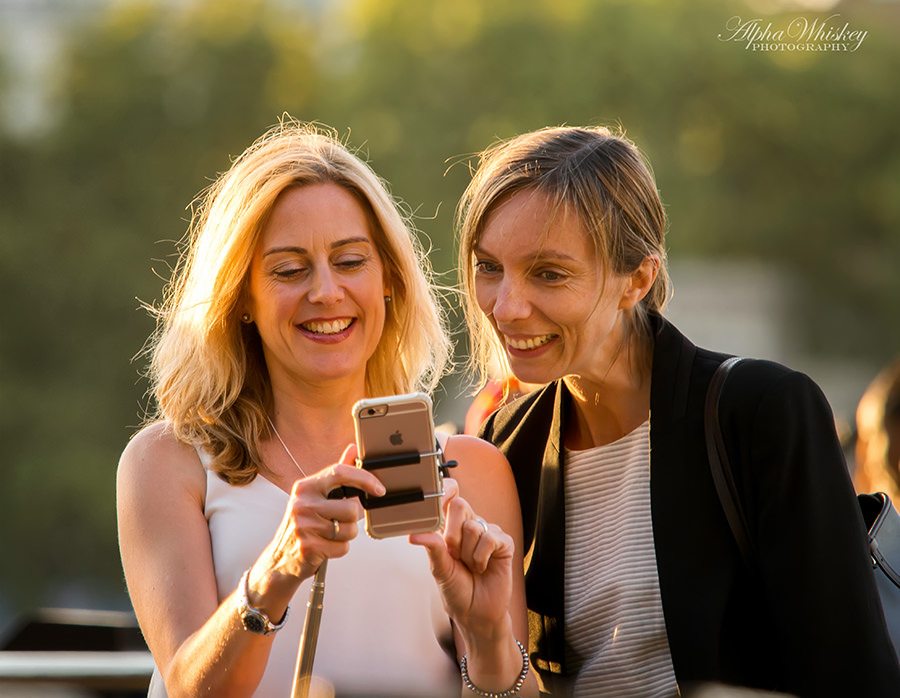
6

6a

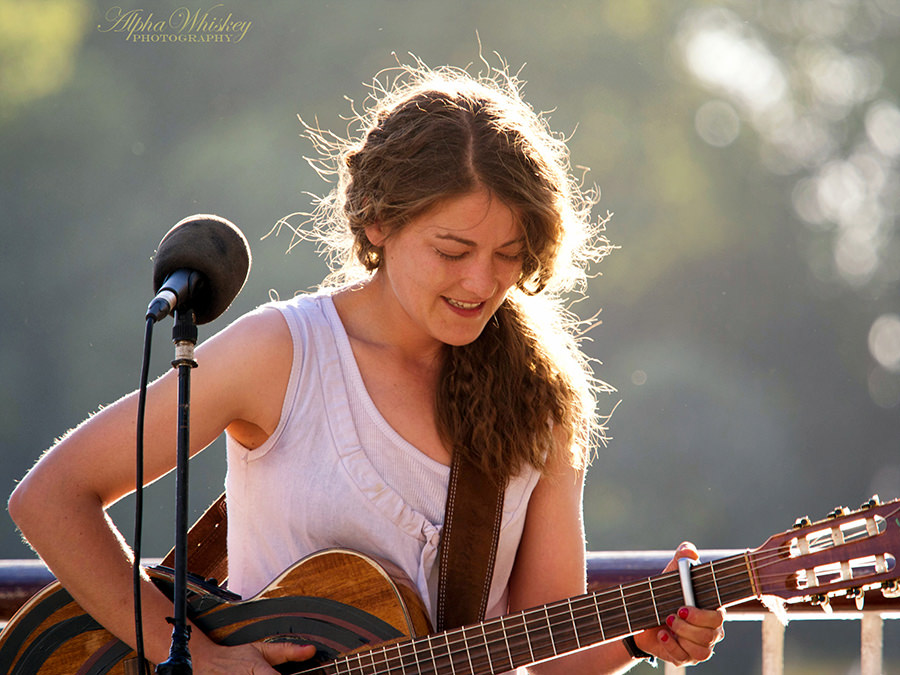
Singer Susana Silvana. She gets free advertising because she had a great voice and kindly lent it to us passers by.

Speaking of frames, yes the telephoto is tighter and has the potential for greater intimacy. You may find yourself capturing more portraits than environments and from a greater distance those portraits are easier to capture in a more authentically random fashion.
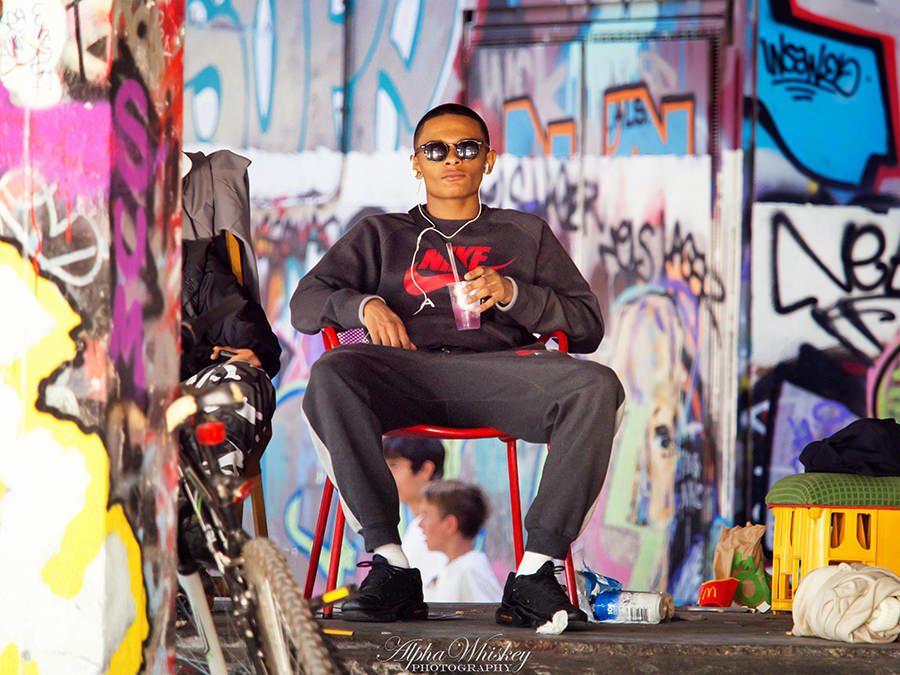
7

King of my castle.

7b

Haze.

Perhaps it also easier to take shots with a telephoto from within the crowded bustle of pedestrian masses. Couple it to a flip-out touchscreen and there’s no excuse for not getting the shot.
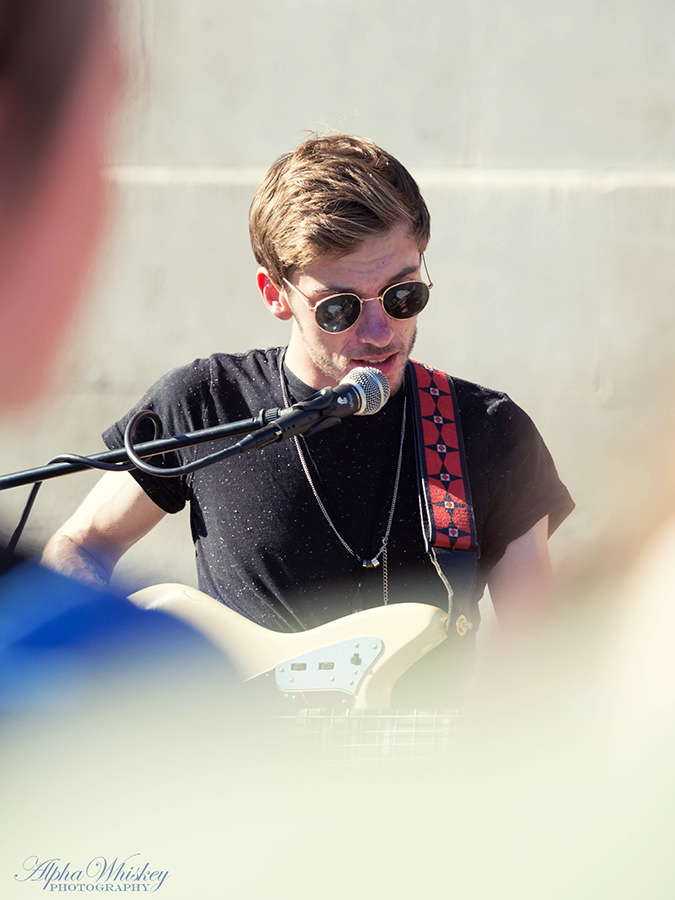
8

If you’re shooting buildings or places, the telephoto will enable you to consider more details and perhaps more abstract shapes. This may not strictly be street photography but it’s still an urban observation.
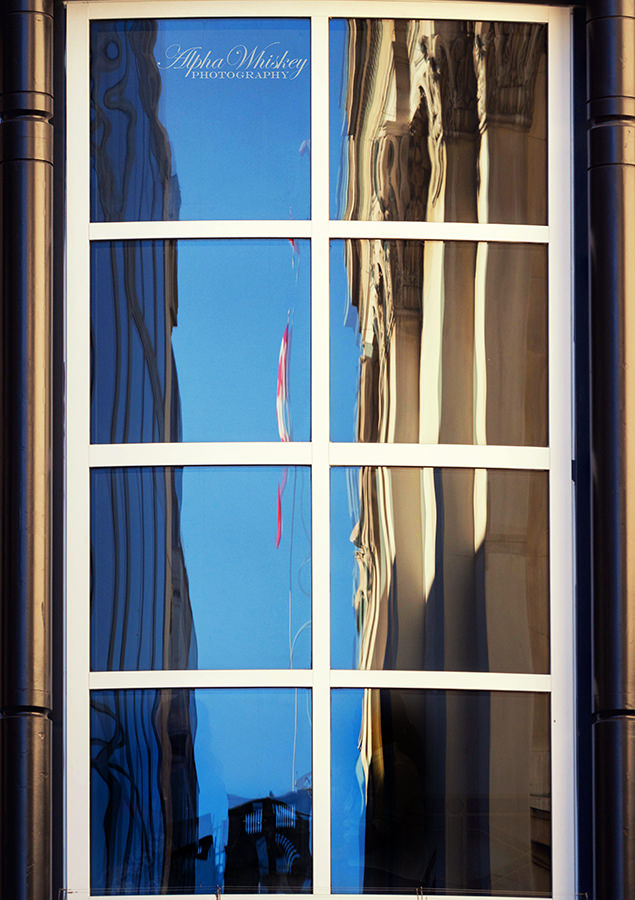
9

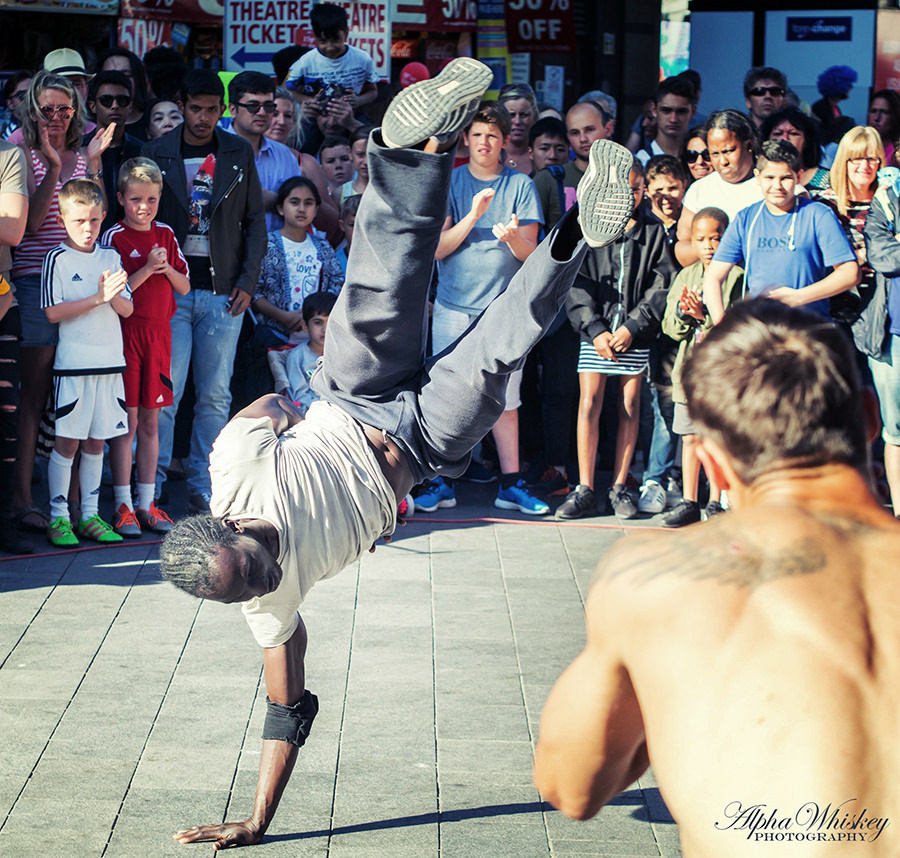
How long do I mean by longer or telephoto focal length? It’s debatable, of course, but for my money I suppose anything past 90mm would count. When I joined Nasim on his London photowalk a couple of years ago I shot almost exclusively with the Olympus 45mm F/1.8 which had a 90mm equivalent field of view. Despite being made of plastic and looking like a toy, that lens is super light and small and takes some pleasingly sharp shots.

10

The Olympus 45mm F/1.8 attached to the E-M5.
10a

Taken with the Olympus 45mm F/1.8.

I think I would normally draw the line at my Olympus 60mm (120mm equivalent FOV), but only because that lens is also very small and part of my light carry kit; I deliberately used the telephoto zoom on this occasion to try and debunk the conventions. I may not have been successful but it was enjoyable trying.
11

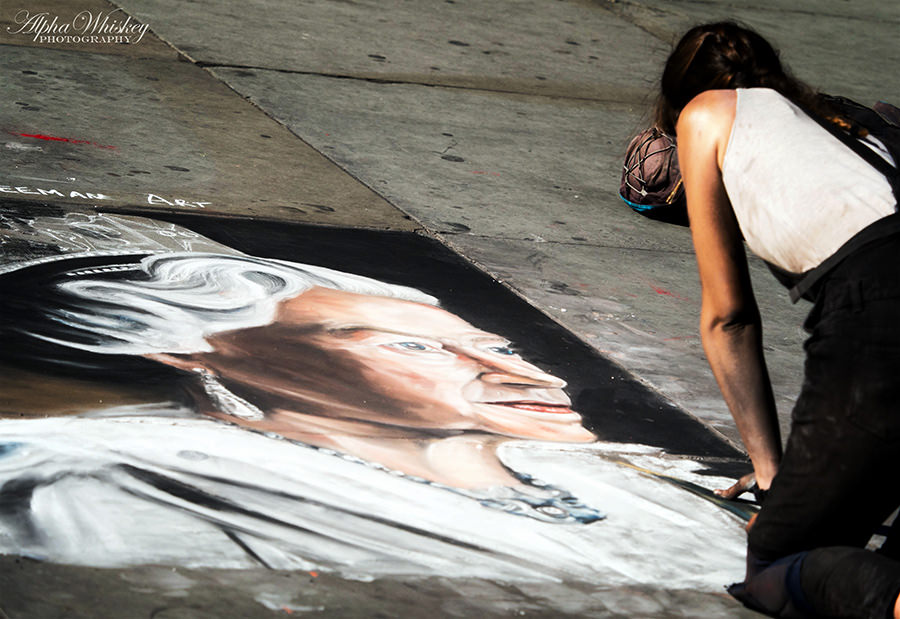
Her Majesty.

I think the take home message is that even if street photography is not your particular poison, and it isn’t particularly mine, don’t be confined to shooting with focal lengths that are deemed to be the norm for your chosen subject. Of course, conventions are established for good reasons but be willing to venture outside the box and give a little extra juice to your creativity.

12

So long Mr Baker.

14a

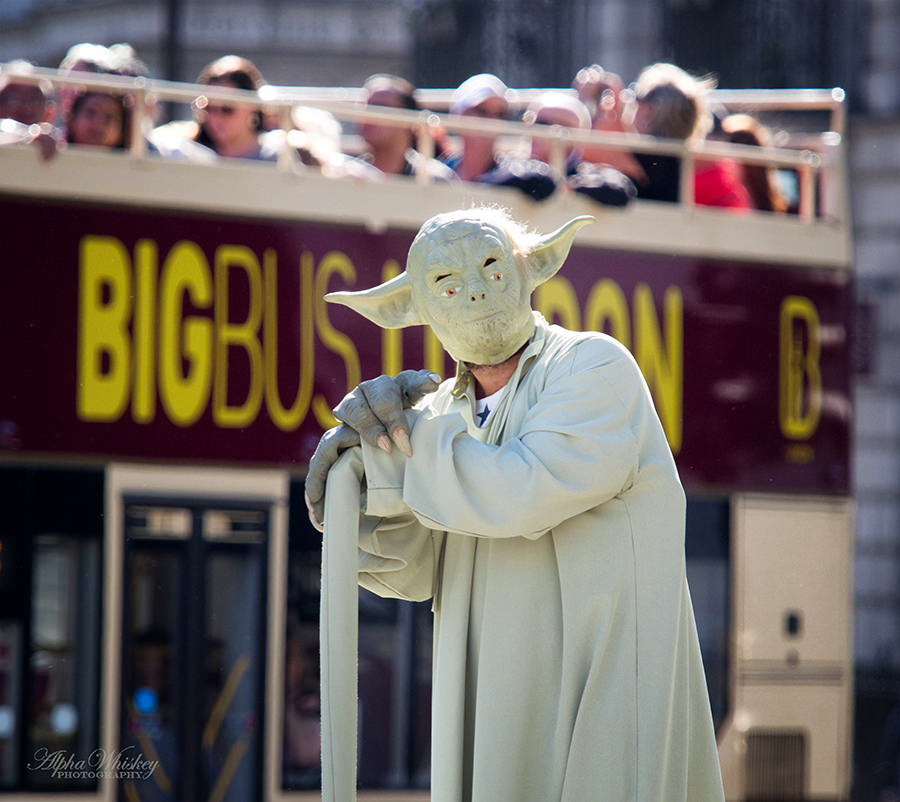
Bit of a Star Wars theme in town. ‘Take my photo you will.”
15

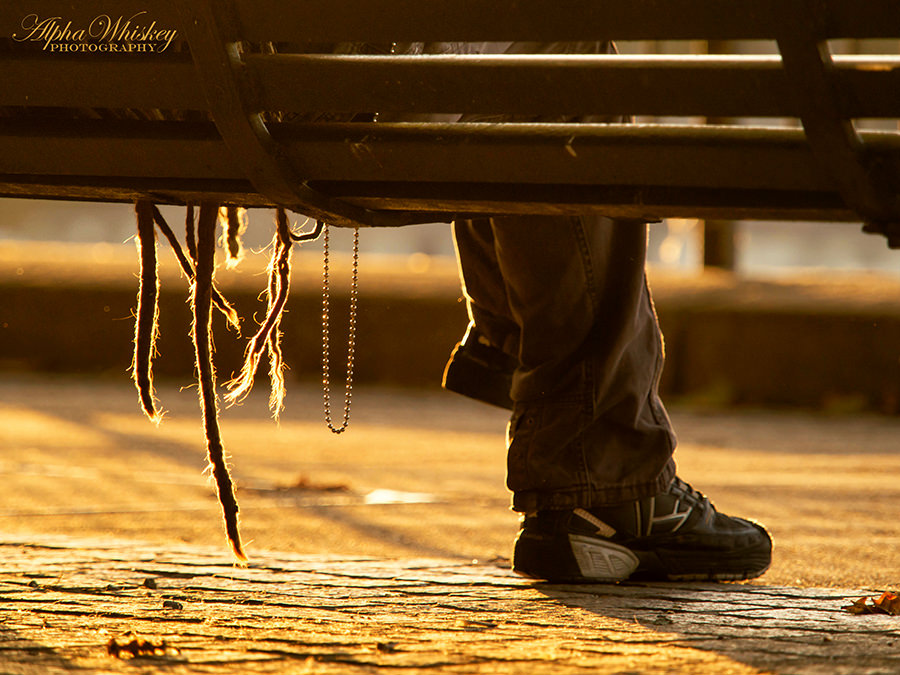
Dreadlocks.

13

Say Hi to Alpha Whiskey!

(This article was taken and adapted from my blog)

The post Street Photography With A Telephoto Lens appeared first on Photography Life.

Photography Life
Posted in Photograpy How To | Tagged , , , | Leave a comment

How Was This Picture Made #10: The Answer

We had a lot of good guesses on our tenth “How Was This Picture Made” article, including a couple that were almost entirely spot-on. Congratulations to Photography Life reader Goh Wei Jun for his guess — he will receive a copy of our upcoming eBook, Creative Landscape Photography, as a prize. So, how was this photograph made? This article dives into the entire process.

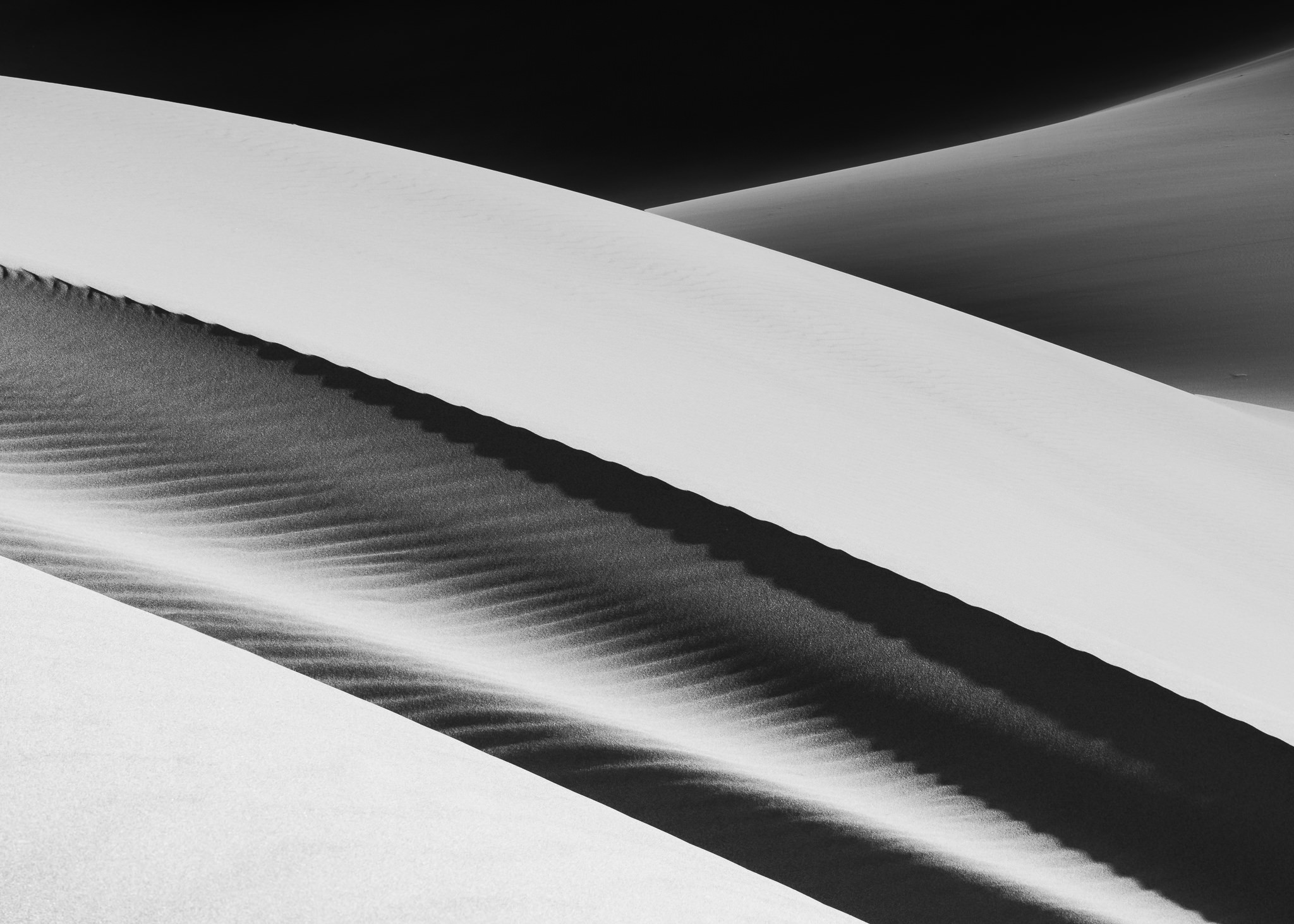
The Great Sand Dunes

NIKON D800E + 70-200mm f/4 @ 86mm, ISO 100, 1/10, f/16.0

First, the photograph was a focus stack of six images. I combined them all in Photoshop, then did a few manual corrections when the stacking process failed. Because the sand in the foreground is relatively undefined, it was a bit of a tricky photograph to stack, but Photoshop did a pretty good job.

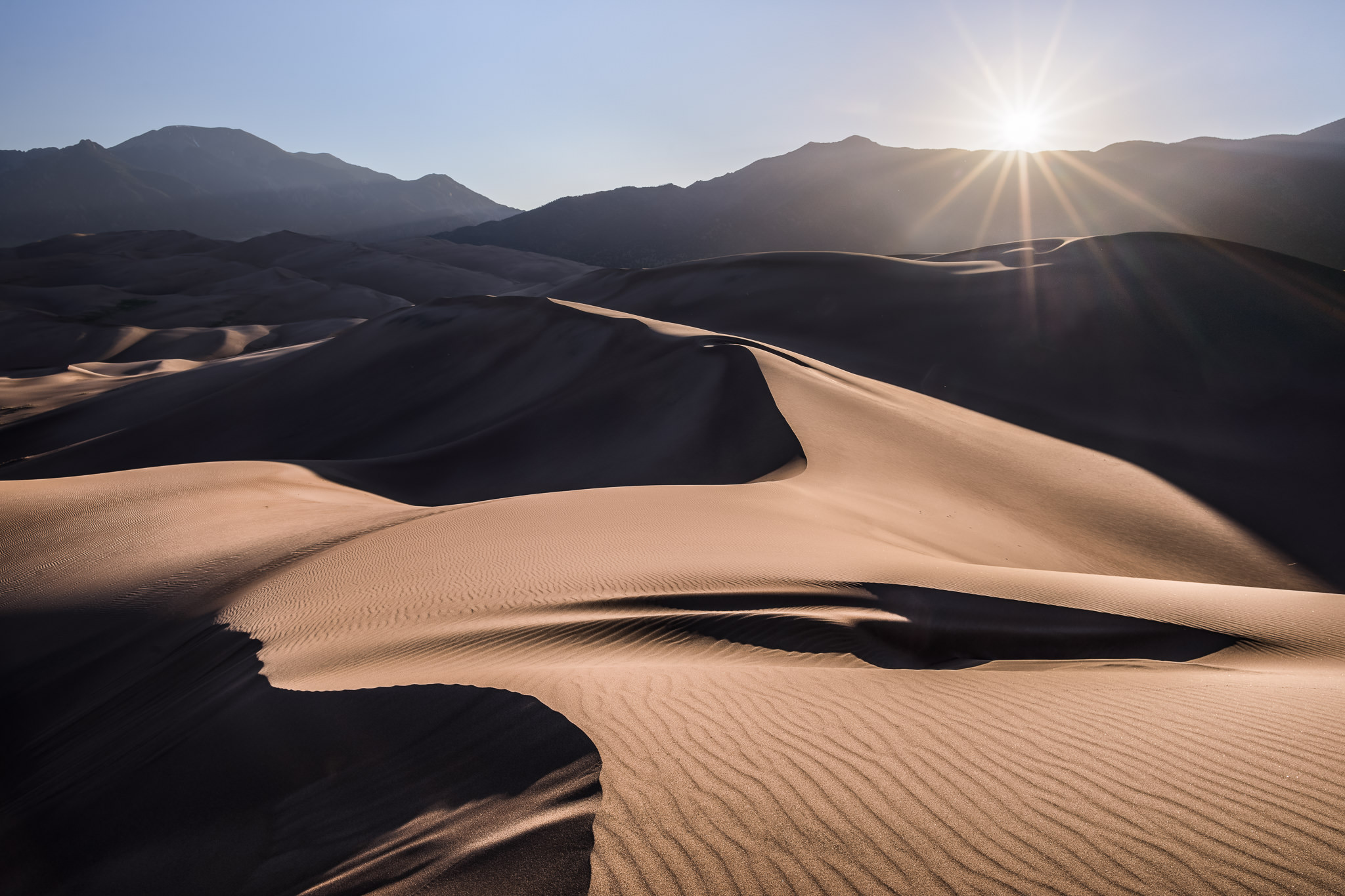
The focal length of the lens was the toughest part to guess. Ultimately, I shot this photo at 86mm simply because it provided the best composition. There was no way to tell the scale of the image because it is so abstract, which is why people’s guesses had such a wide range. To see a sense of scale, take a look at the photograph below. This is not an abstract photo, of course, but you can see the exact sand dunes as part of the landscape (near the center of the photo, about 1/3 of the way up). Of course, this is a completely different angle:

At Sunrise

NIKON D800E + 20mm f/1.8 @ 20mm, ISO 100, 1/50, f/11.0

Interestingly, a few people thought that the black background of the final photograph was a dark-colored sky. In reality, though, it was just the shadow of a distant sand dune! This is why I like abstract photographs so much — they are all about shapes and forms, rather than a realistic landscape.

The rest of my camera settings were relatively straightforward. I shot this at ISO 100, of course, because it is the base ISO of my camera. Then, although the sharpest aperture on my 70-200mm is between f/5.6 and f/8, I shot the image at f/16 to get some more depth of field. Even though this is a focus stack, shooting at f/16 let me take half as many photos as would be necessary at a wider aperture — this meant that I could photograph twice as many scenes in the same amount of time. Finally, my shutter speed was 1/10 of a second, simply to provide the right exposure.

Finally, I also asked readers why I converted this photograph to black and white. Although the golden color of the sand was interesting, and I still have the color version of this image, the black and white photograph stands out for one reason: simplicity. The monochromatic post-processing makes the lines and shapes of the image — the most important parts — pop out more strongly. Even though the color is nice, it doesn’t add anything to the message of the photo.

Goh Wei Jun said that the photo was a focus stack at 80mm, 1/60 second, and f/8. A few other readers had very good guesses, but Goh Wei’s was the closest. Congrats!

Hopefully, you found the process behind this photo interesting and informative. Let me know if you have any questions in the comments section, and I would be happy to explain some more about the shot.

The post How Was This Picture Made #10: The Answer appeared first on Photography Life.

Photography Life

Posted in Photograpy How To | Tagged , , , | Leave a comment

How to Make Sure Your Senior Pictures Are Perfect

Getting any kind of professional photograph done is an important occasion for the person or persons being photographed. Also, senior portraits are an important rite that almost every senior must go through. Since senior portraits are such an important part of a senior’s life, it is best to make sure everything is done correctly. First, you will need to select a photographer to take your son’s or daughter’s photos. In this area, for example, NKY high school senior pictures are popular. NKY senior pictures turn out wonderful every time. After you have found the right photographer, you need to select a few outfits to wear for the session. Finally, after the pictures have been taken you will want to select the ones that you and your family like the best.

Having a senior picture taken can be a daunting task because it is sometimes difficult to search for the right photographer. When looking for a photographer, you should first look at some of the photographer’s work to make sure you like the scenes he or she selects and that you like the overall style the photographer has. Also, you want to make sure they are courteous and respectful of your time during the session. Finally, you also want to be sure that the photographer has some creative license with the photos, but that in the end, you get the kind of photos you want.

After you have found the right photographer, you will want to start selecting around two outfits for the photography session. When choosing the right outfits it is important that you have already coordinated with the photographer as far as what colors they will be using and what colors look best in photographs. Usually, colors that are very bright will not look very good against a natural, outdoor setting or a dark colored studio.

Finally, after the photographer has been selected, the outfits have been selected, and the photos have been taken, it is time to choose the photos you and your family wants to keep. Normally people do not keep all of the photographs that are taken, so it can be challenging to pick and choose which to keep. You will want to remember that when selecting your final photos that you like the pose that you have, the colors in the background, and most importantly, how you look. Choosing the final photos can also be a challenging task because these are photographs that should last a lifetime.

Having a senior portrait done is a very important time in a family’s life. These portraits show how much you or your child has grown since they were young. Also, it signifies a new chapter in a young person’s life. It is best to remember that these photos will last a lifetime so you want to select a photographer very carefully. Also, the clothing that is worn in the pictures is important as well. Finally, it is extremely important to be very selective when choosing the photographs the family or the senior want to keep, since the photos will likely grace a wall or an end table for many years.

Connor R. Sullivan has twins who will be scheduling their NKY high school senior pictures with a photographer soon. Many students will have their NKY senior pictures featured in a local magazine.

Posted in How To Take Good Pictures | Tagged , , , | Leave a comment

Wildlife Photography at Your Doorstep

I am an amateur photographer and have had a DSLR for approximately 10 years. It is only in the last 2 years that I have started to get seriously interested in wildlife photography. I feel like I am in the early days of building a portfolio of images. Living in the middle of a small UK town, like most urban locations, there is a surprising amount of wildlife around. Unfortunately, with a full time job and a small baby I found I had limited time to get to know the animals in my neighbourhood let alone the local nature spots. So when we moved house 3 years ago and were discussing what to do with the derelict patch of land out front and the idea of turning it into a wild flower garden was discussed, I thought it might be a great way to learn some macro techniques.

So I set about clearing what was a small 10 metre square patch of land, clearing it of stones and planting seed for the wild flowers. It has taken two years for the meadow to mature, but the wildlife and especially the insects have certainly moved in. The following pictures are a small selection of some the images I have taken in our front garden along with descriptions of the techniques I used to take them. I hope they give fellow beginners ideas for creating their own photographs in their gardens.

First up is a flower shot, what macro article would be complete without one. This is a Common Knapweed flower. I like doing macro work handheld if possible as it allows me to work quickly. I used an SB-800 flash mounted a tripod with a shoot through umbrella acting as a diffuser. The flash was triggered by the on-board flash on my Nikon D7000, manually set to the lowest setting so it didn’t add much light. There was a reasonable amount of ambient light so to get flower isolated on a black background I pegged the black jumper I was wearing to the hedge behind the flower. I used a Tokina 100mm macro lens at f/16 and on manual focus to get the front half of the flower in focus. Beyond f/16 the lens starts to lose sharpness due to diffraction.

Common-Knapweed

Common Knapweed
Nikon D7000 + Tokina 100mm f/2.8 macro @ ISO 250, 1/60, f/16 with off camera SB800 flash

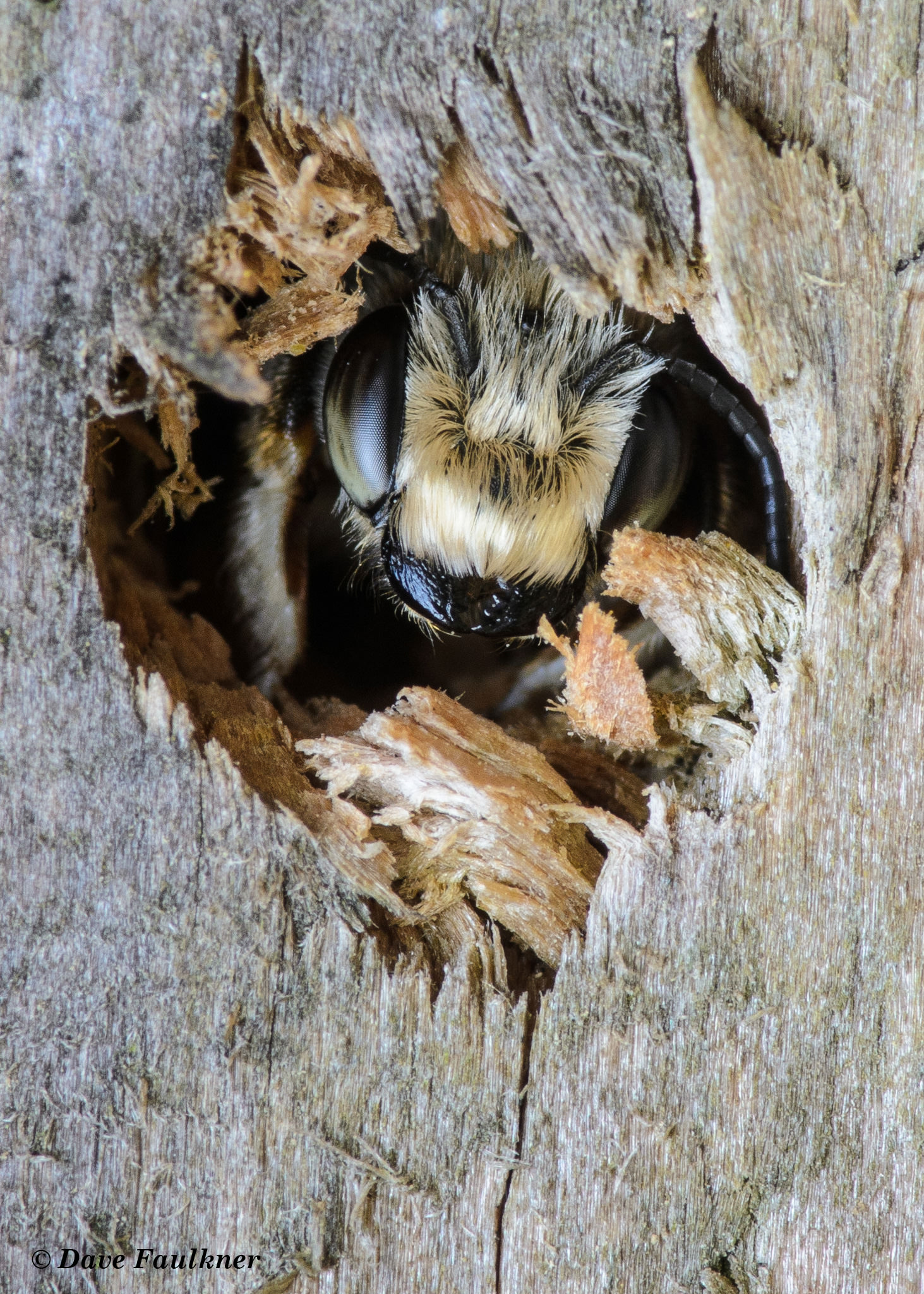
This one breaks all sorts of rules, which is one of the reasons I like it. The image is of a solitary bee holed up in the bug hotel we made to put in the flower meadow. The holes we drilled are 5mm so this is getting pretty close up. Taking the image was helped immensely by the fact the bug hotel is a solid wood construction that is probably more stable that my camera tripod. I again used the Tokina 100mm macro but this time with a Nikon TC-16A teleconverter and a Sigma +1.6 diopter achromatic close up lens. A tripod goes without saying for this much magnification but I also shot the image using a wired remote trigger and mirror lockup to minimise camera movement. To get the exposure of the bee right I used spot metering and centred the camera on his head. He was a few mm back in the hole so not lit directly by the sunlight falling on the rest of the wood.

Solitary-Bee

Solitary Bee

Nikon D7000 + Tokina 100mm f/2.8 macro + Nikon TC-16A + Sigma +1.6 diopter @ ISO 250, 1/60, f/16

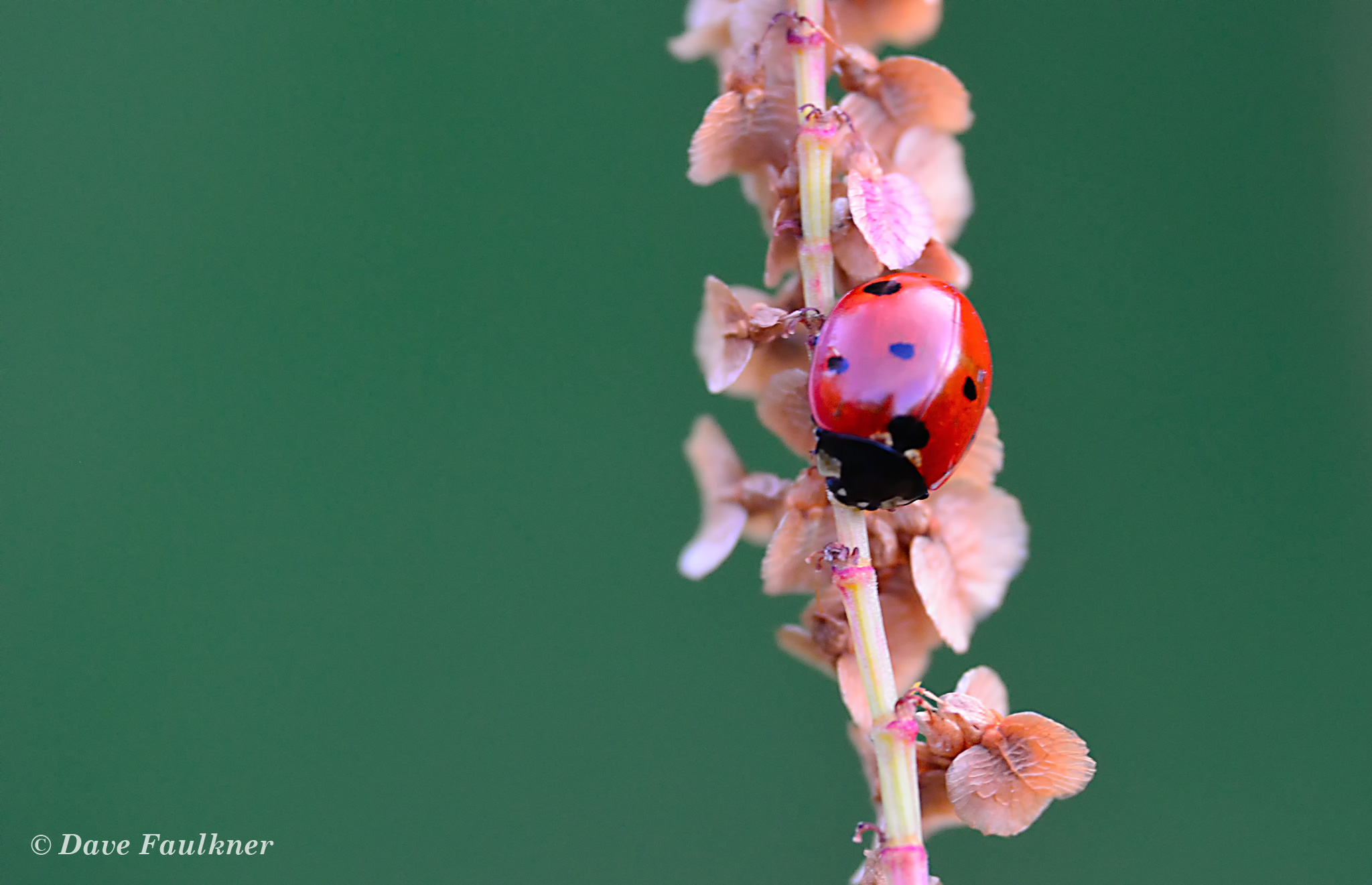
Everybody loves ladybirds, don’t they? A Change of tactic here as I had just started experimenting with using telephoto lenses for macro work. This was taken hand held under ambient light late in the evening. the ISO level is really pushing the D7000 here, especially the reds on the ladybird. It also stretched my Photoshop skills to get the noise down within this image.

Ladybird

Ladybird

Nikon D7000 + 70-200 f/2.8 + TC-17 E II @ 330mm, ISO 1250, 1/50, f/7.1

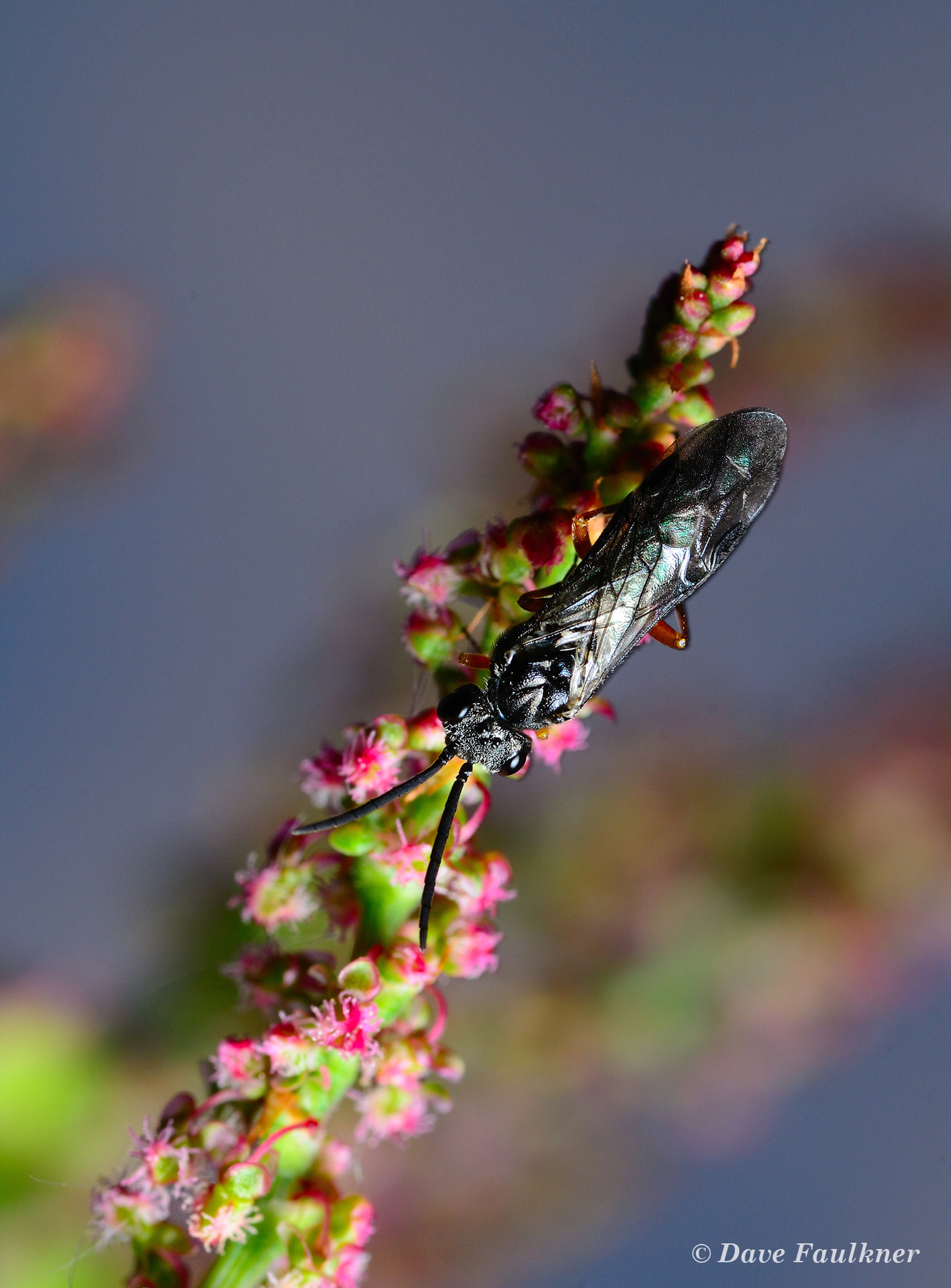
Another bee in this shot, this time on the same common sorrel but this time in flower. Very similar setup to the 1st flower picture, only difference being I decided not to isolate against a black backdrop giving the image a little more depth. I just about got away with using the lens at f/20.

Bee-on-Flowering-Sorrel

Bee on Flowering Sorrel

Nikon D7000 + Tokina 100mm f/2.8 macro @ ISO 320, 1/125, f/20 with off camera SB800 flash

I saved my favourite till last, this image best represents where my skills have go me to. I am no longer content with just getting the image of a particular specimen or insect. I am now able to use my improved skills to try and strive for something a bit more creative. This image was taken on a chilly summer evening just before sunset. The cooler temperature meant this common blue damselfly didn’t fly off as I manoeuvred my lens towards him, in fact he posed just where I wanted him. Trusty Tokina lens again with the sigma close up filter, tripod and wired remote trigger.

Bug-Eyed-Damselfly

Bug Eyed Damselfly

Nikon D7000 + Tokina 100mm f/2.8 macro + Sigma +1.6 diopter @ ISO 500, 1/6, f/16

Next on my list of macro skills are focus stacking and replacing the teleconverters with extension tubes. Oh and we are planning to squeeze a pond into our tiny front garden, so fingers crossed we can attract a little more diversity in. My current passion is wildlife photography and my growing portfolio and blog can be seen at my website.


This guest post was contributed by Dave Faulkner. Please visit his website at the above URL to see more of his work.

The post Wildlife Photography at Your Doorstep appeared first on Photography Life.

Photography Life

Posted in Photograpy How To | Tagged , , | Leave a comment