25 Faceless pictures that are perfectly captured

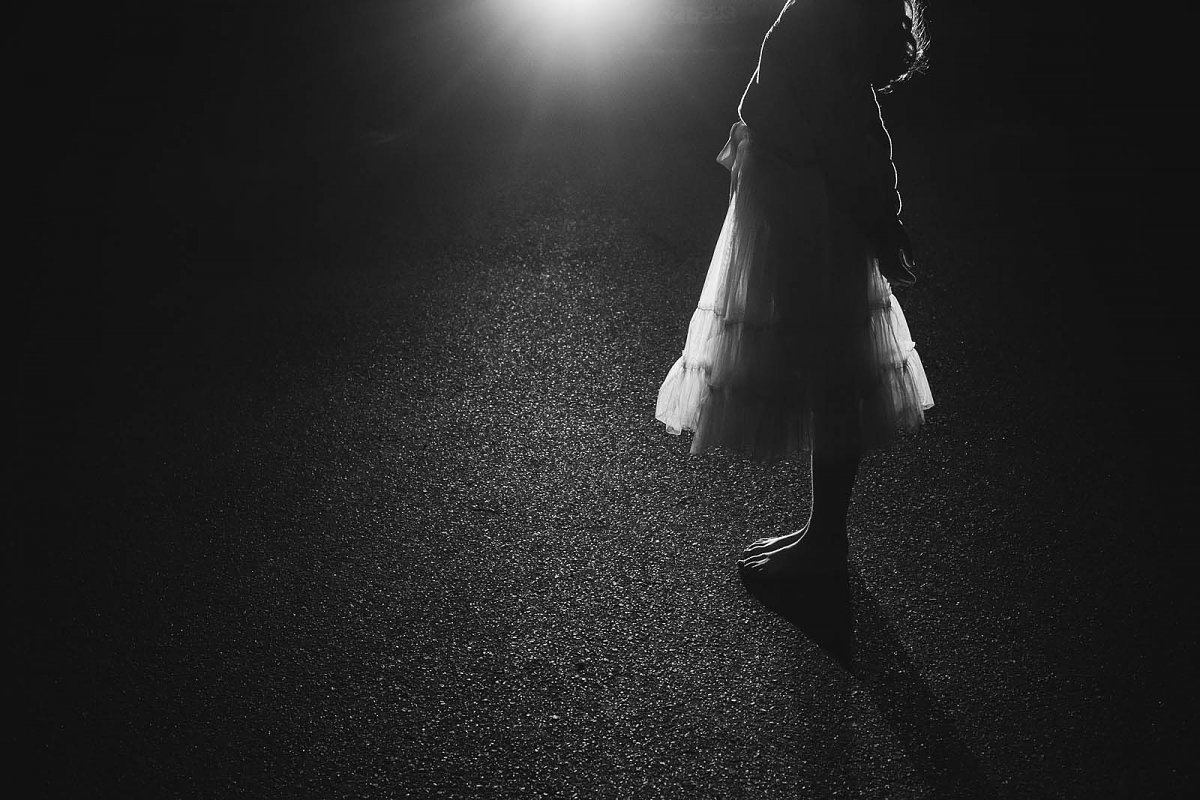
Winning image above by Lindsey Stigleman

Who doesn’t love a contest?

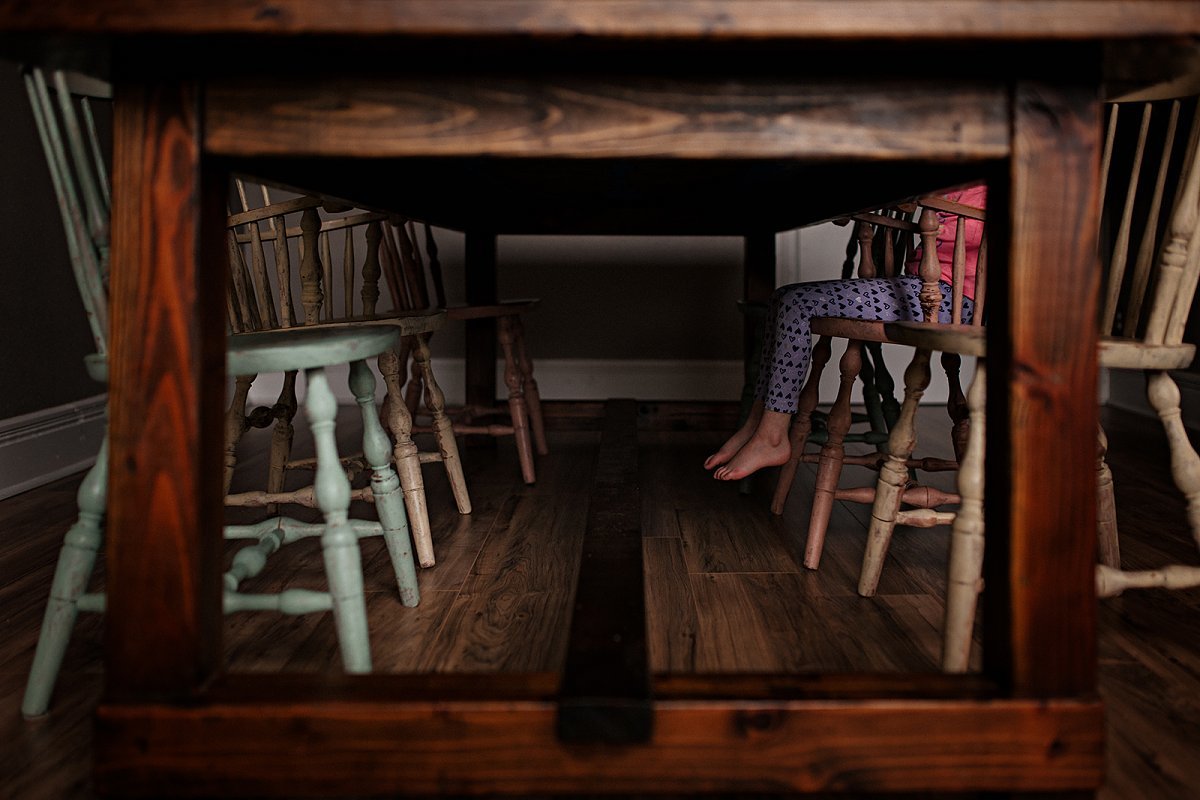
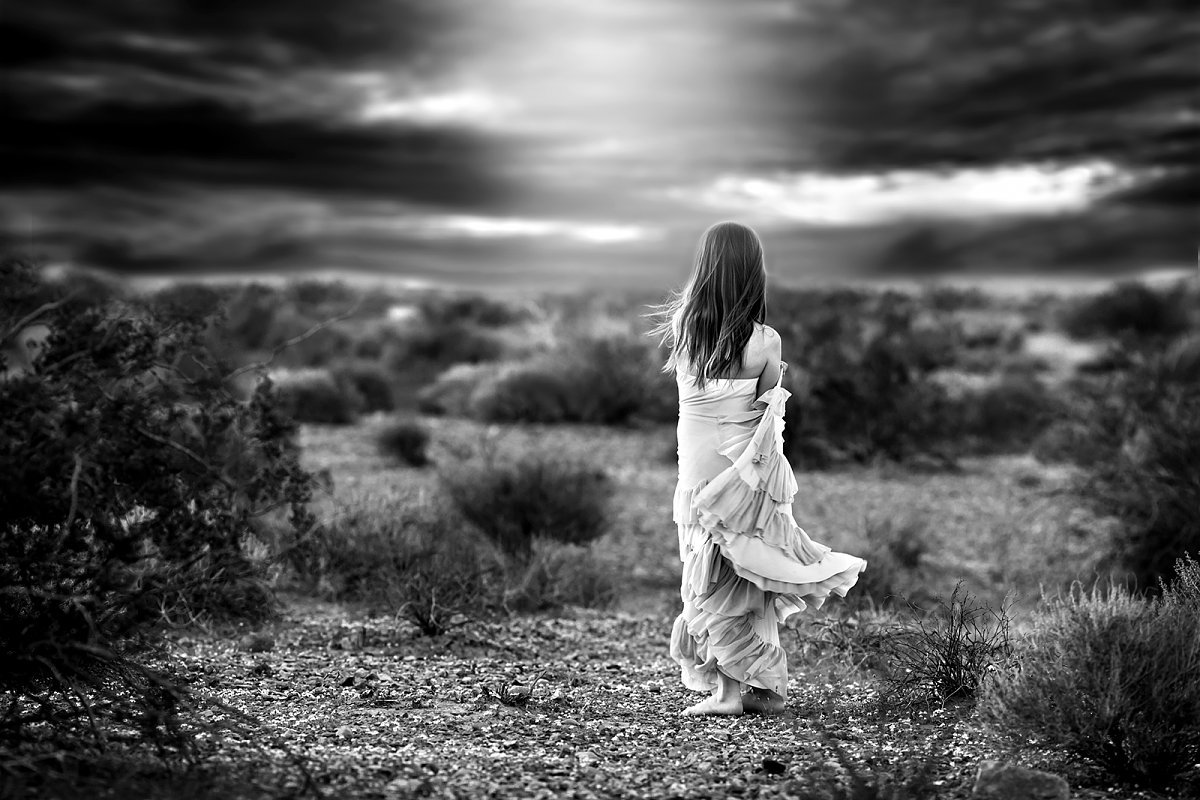
Every month on the photography forum, we throw out a theme and leave it up to members to interpret it in their images. Last month, we chose the theme ‘Faceless’.

What resulted was an amazingly beautiful collection of pictures that allowed us to catch a glimpse inside the lives of the members. We’ve compiled a few of them here for you to enjoy and we want to congratulate Lindsey for winning a live Breakout seat from Click Photo School with her image above!

Amanda Simpson

Amanda Simpson

Angee Manns

Angee Manns

Beth Crossman

Beth Crossman

Brandy Dykes

Brandy Dykes

Candy Kempsey

Candy Kempsey

Christina Klahn

Christina Klahn

Dana Pembroke

Dana Pembroke

Eva Lagardere

Eva Lagardere

Gisele Queiroz

Gisele Queiroz

Julie Audoux

Julie Audoux

Juliet Schwab

Juliet Schwab

Katie Langmuir

Katie Langmuir

Katy Wehbeh

Katy Wehbeh

Kelley Krohnert

Kelley Krohnert

Kendra Knaggs

Kendra Knaggs

Kerry L

Kerry L

Kristen Ryan

Kristen Ryan

take-better-pictures-with-the-help-of-the-Clickin-Moms-photography-forum
Megan Yanz

Megan Yanz

Rebecca Carlson

Rebecca Carlson

Sarah Boccolucci

Sarah Boccolucci

Sarah Mikesell

Sarah Mikesell

Shan Wilkinson

Shan Wilkinson

Shelby Zavala

Shelby Zavala

Shokofeh

Shokofeh

Would you like the opportunity to be featured in next month’s photo share here on the Clickin Moms Blog and possibly win a prize? For our next contest, we’ve asked for your best ‘Weather’ photos which you can submit here.

Not a member of the forum? Don’t forget that you can sign up today risk-free!

The post 25 Faceless pictures that are perfectly captured appeared first on Clickin Moms.


Clickin Moms

Posted in Photograpy How To | Tagged , , , | Leave a comment

What is a kit lens and what is it good for?

When you purchase your first dSLR camera (a camera with interchangeable lenses), it usually comes with a starter or “kit” lens – a basic lens included with the camera body priced inexpensively as to not increase the overall cost of the camera bundle.

While they have their limitations, kit lenses are generally pretty decent and do a great job of allowing you to learn, play, and explore, before you begin to invest more significant money into higher end, and often more specialized, lenses.

When purchasing an entry level camera body, Canon and Nikon both offer the 18-55mm f/3.5-5.6 “kit” lens along with it. These lenses are priced between $ 100 and $ 200 when sold on their own and typically less when purchased bundled with the camera body. Some professional cameras come bundled with a good lens, and those higher quality lenses are still referred to as “kit lenses”, but for the sake of this article I am referring to the kit lens that accompanies an entry level camera.

So let’s talk about the pros and cons of that kit lens…

Pro: A kit lens is inexpensive

To start, you just can’t beat the price of a kit lens which tend to be in the low hundreds of dollars compared to thousands for that of a higher quality lens. Not only are they inexpensive, but their price to performance ratio is quite good – meaning, you can get a lot of bang for your buck!

The low price point of a kit lens also offers the peace of mind of knowing that should the lens become damaged, you haven’t invested too much in it. Because these inexpensive lenses are made with cheaper materials, they also tend to be smaller and lighter than most lenses, which make them easy and comfortable to carry around with you all day.

Pro: A kit lens is versatile

The kit lens is a zoom lens and in the case of the 18-55mm, it provides a focal length ranging from wide angle to short telephoto. What does this mean?

As opposed to a “prime” lens, which has a fixed focal length (meaning the view in camera is always the same – if you want to get closer to or further from your subject you physically have to move your body), a zoom lens can be adjusted to get a closer (or further) view simply by adjusting the lens. Shooting at the short end (or at 18mm) of an 18-55mm lens will give you a wide view of your scene, versus shooting at the 55mm end of the lens, which will give you a closer and more narrow view of your scene.

This versatility allows you to make a variety of types of shots – great for expansive landscape or beach scenes, as well as close-up portrait shots. As you continue to shoot, you will begin to learn what your preferences are – what subjects you like to shoot and what your favorite focal lengths to shoot at are. Which brings me to…

When you purchase your first dSLR camera (a camera with interchangeable lenses), it usually comes with a starter or "kit" lens - a basic lens included with the camera body priced inexpensively as to not increase the overall cost of the camera bundle. So let's talk about the pros and cons of that kit lens...

Taken at 24mm, a wider focal length is great for capturing an expansive scene such as seascapes.

When you purchase your first dSLR camera (a camera with interchangeable lenses), it usually comes with a starter or "kit" lens - a basic lens included with the camera body priced inexpensively as to not increase the overall cost of the camera bundle. So let's talk about the pros and cons of that kit lens...

Taken at 50mm, the longer end of the kit lens is great for isolating your subject and taking portraits.

Pro: A kit lens allows you to learn before spending a lot

Really good lenses are expensive. And there are SO many choices out there – it can be a little overwhelming to shop for lenses when you are first starting out.

It doesn’t make a lot of sense to spend thousands of dollars on a lens when you are not yet sure of what you like or what kind of lens will best achieve what you want. When you are first starting out, you are not only learning about photography and learning how to use your camera, but also learning what you like.

As you shoot more and more, you may realize that you really enjoy macro photography (requiring a long lens) or landscape (using a wide lens), or maybe you just enjoy photographing your children and that a really good 85mm would be perfect for you (or maybe you realize that you actually prefer the look of a wide angle 35mm). As you grow and develop as a photographer, your style (and likely preferences) will continue to evolve as well.

And as you grow and evolve, you will most certainly start finding the limitations of your kit lens.

Con: Limited aperture

The kit lens does have technical limitations that may begin to frustrate you as you look to do more with your images. I remember early on in my photography journey longing for that really blurry background effect and feeling frustrated when I couldn’t figure out why I wasn’t able to get that look in my own images – I soon learned this was due to the maximum aperture size of my kit lens.

The aperture on your lens is the opening that lets light into the camera body and different lenses have different sized openings. The larger the opening, the more narrow the depth of field (resulting in a blurred background behind the subject).

Using our above example of the Canon 18-55mm f/3.5-5.6, the largest aperture you can achieve is 3.5, and when shooting at the 55mm end it is f/5.6 (more on the changing aperture below). For comparison, my Canon 50mm f/1.2 can open up to an aperture of f/1.2 (a smaller number actually means a larger hole).

Shooting at f/1.2, or even f/1.8 or f/2 will result in a narrow depth of field and will produce a much more blurry background then when shooting at f/5.6 (which will produce a wider depth of focus). Along these same lines, because a smaller aperture cannot let in as much light a wider one, shooting in lower light conditions can be harder.

When you purchase your first dSLR camera (a camera with interchangeable lenses), it usually comes with a starter or "kit" lens - a basic lens included with the camera body priced inexpensively as to not increase the overall cost of the camera bundle. So let's talk about the pros and cons of that kit lens...

Taken at f/1.8, this narrow depth of field provides the ability to isolate focus on your subject.

When you purchase your first dSLR camera (a camera with interchangeable lenses), it usually comes with a starter or "kit" lens - a basic lens included with the camera body priced inexpensively as to not increase the overall cost of the camera bundle. So let's talk about the pros and cons of that kit lens...

Taken at f/5.6 (the only available aperture at 55mm with a kit lens), this depth of field is wider and both the subject and portions of the background are in focus.

Con: Variable aperture

Lenses that contain a range in aperture size, as in the case of f/3.5-5.6 is called a variable aperture lens (compared to a fixed aperture in which the aperture is independent of focal length). In a variable aperture lens the widest the aperture can open depends on how far the lens is zoomed in.

At a shorter focal length (such as 18mm), the lens is able to use a wider aperture (f/3.5 for this kit lens) while at a longer focal length (such as 55mm) the aperture closes down (in the case of the 55mm, down to 5.6). What this means is that as you are changing focal lengths, your aperture is also changing – and this changes the amount of light entering your camera and the overall exposure of your image.

This can be pretty confusing for a new photographer, so it’s something you want to make sure you understand. If you are shooting in automatic mode, the camera will make all of these decisions for you (it will adjust the aperture and other parameters affecting the exposure, such as shutter speed and ISO) for you.

However, if you are shooting in any of the creative modes or trying to learn to shoot in manual, you will need to be aware that each time you change your focal length, your aperture has changed as well, and you will therefore need to adjust your other settings (such as shutter speed and ISO) accordingly. This also provides a limitation in the creative choices you are able to make – as in the above example, if you really want to create a portrait at the 50mm focal length, f/5.6 will be your largest aperture option.

take-better-pictures-with-the-help-of-the-Clickin-Moms-photography-forum

Con: Limited quality

Ultimately, the quality of the glass that makes up a kit lens is inferior to its higher end counterparts. This results in softer (less sharp images) due to both the quality of the glass itself and the slower autofocus. Sharpness can be enhanced to a degree in post processing so initially this may not be a reason to give up on your kit lens.
When you purchase your first dSLR camera (a camera with interchangeable lenses), it usually comes with a starter or "kit" lens - a basic lens included with the camera body priced inexpensively as to not increase the overall cost of the camera bundle. So let's talk about the pros and cons of that kit lens...

Canon 18-55mm kit lens, ISO 400, f/4.5, 1/320 by Kristin Dokoza

When you purchase your first dSLR camera (a camera with interchangeable lenses), it usually comes with a starter or "kit" lens - a basic lens included with the camera body priced inexpensively as to not increase the overall cost of the camera bundle. So let's talk about the pros and cons of that kit lens...

Canon 35L prime lens, ISO 400, f/4.5, 1/320 by Kristin Dokoza

So should you immediately ditch your kit lens for something bigger and better? No! This is really a great lens for when you are just starting out and learning. Use it to get to know your camera well and to figure out what you like.

At some point however you may begin to feel limited by your kit lens and feel ready to start exploring new lenses. When that time comes, be sure to check out the Click Image by Lens gallery – this is a wonderful resource which allows you to explore our Click Pros’ images by brand and lens type in order to give you a sense of what different lenses can do for you!

The post What is a kit lens and what is it good for? appeared first on Clickin Moms.


Clickin Moms

Posted in Photograpy How To | Tagged , | Leave a comment

10 fun things to photograph on your next camping adventure

Camping can be a fun family getaway, and it’s a great time to take photos.

When you’re away from the hustle and bustle of work and school, there’s a lot of time to relax and enjoy your photography. So get out your camera for photos of family and fun activities, as well as pictures of the beautiful settings and camping scenes that you don’t want to forget!

While the kids are off playing, it can be a great time to shoot just for you. Be sure to think about photographing these ten things next time you go camping!

1. Activities

We always try to fit at least a couple of fun special activities into our camping trips.

Whether it’s hiking, swimming, boating, mini golf, geocaching, or something else, these are great adventures and memories that you don’t want to forget. These don’t have to be portfolio-worthy images, but these photos capture the fun and excitement of camping that you and your kids will look back on for years to come.

Camping can be a fun family getaway, and it's a great time to take photos. So get out your camera for photos of family and fun activities, as well as pictures of the beautiful settings and camping scenes that you don't want to forget!

2. Food

If you’re anything like our family, there are some foods that just go hand-in-hand with camping. For my daughter, it just isn’t a camping trip if we haven’t had s’mores.

But it can also include other camping treats like watermelon, corn on the cob, hotdogs over the fire, or any other family camping favorites. Whatever it is, capturing some photos of your family cooking and eating helps tell the whole story of your trip.

Camping can be a fun family getaway, and it's a great time to take photos. So get out your camera for photos of family and fun activities, as well as pictures of the beautiful settings and camping scenes that you don't want to forget!

3. Wildlife

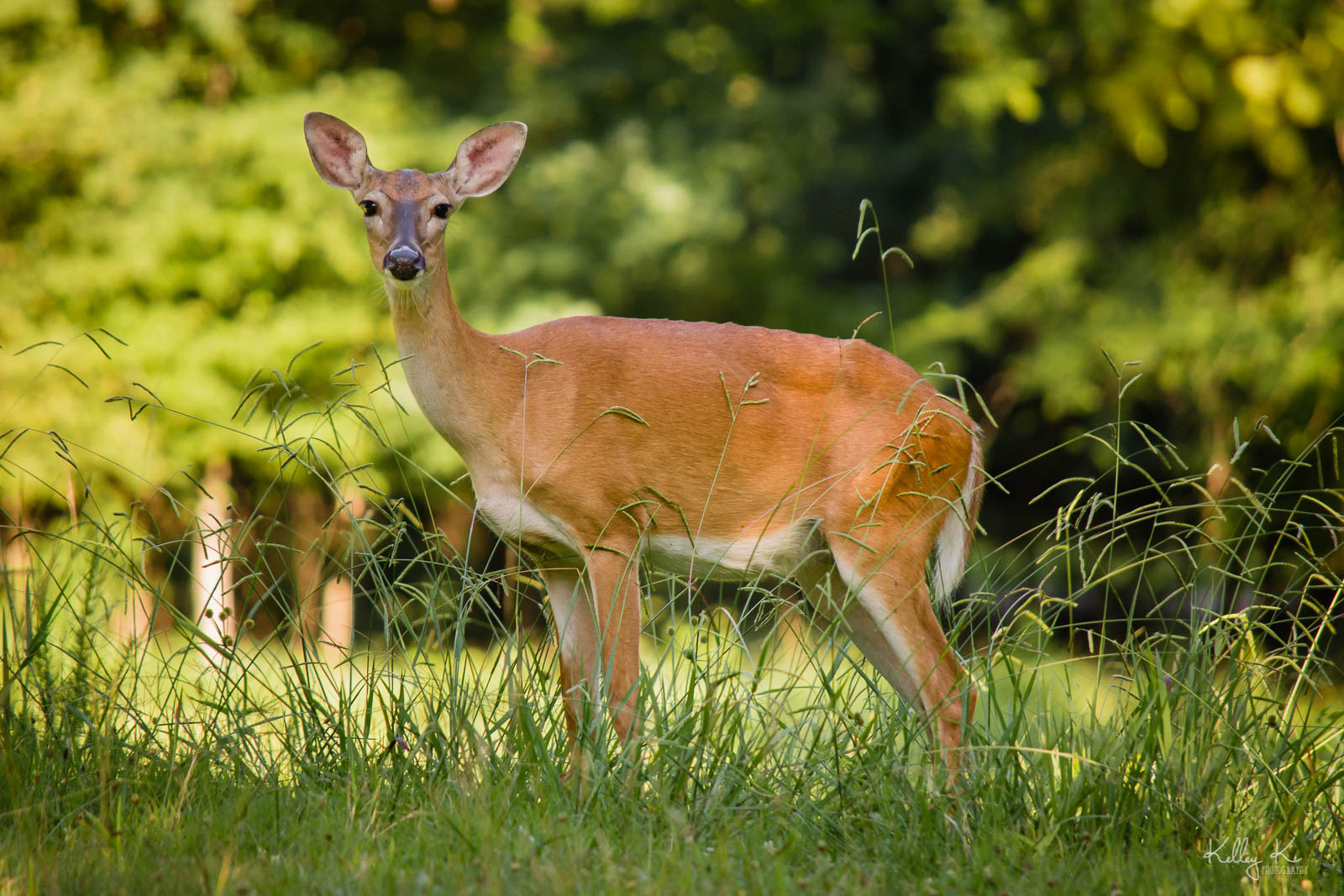
One of the benefits of getting out into nature is experiencing a lot more wildlife than you normally see at home. One of our favorite animals to see while camping in Georgia are deer but birds, squirrels, frogs, snails, and even spiders and insects can be interesting to see while camping. Kids especially love to get up close to animals in the woods.

A telephoto zoom lens is handy when capturing animals like deer and birds, which you may not be able to get close to. And a macro lens is useful for capturing smaller guests to your campsite. I don’t like to bring a lot of different lenses camping, but think about what wildlife you mind encounter when packing your camera gear.

Camping can be a fun family getaway, and it's a great time to take photos. So get out your camera for photos of family and fun activities, as well as pictures of the beautiful settings and camping scenes that you don't want to forget!

4. Details

I find that when I slow down and relax while camping, I am more in tune with little things around me, and I like to capture these details. Sometimes I like to capture little things in nature, like flowers or leaves, and other times it’s the small details of camping with children, like a child’s dirty hands, or sidewalk chalk on the ground.

Either way, camping gives you time to appreciate the small things, take them in, and capture them in an artful way. You don’t necessarily need a macro lens for this. Many of my favorite detail images were taken by just getting in close with a 35mm or 50mm lens.

Camping can be a fun family getaway, and it's a great time to take photos. So get out your camera for photos of family and fun activities, as well as pictures of the beautiful settings and camping scenes that you don't want to forget!

5. Buildings

This may seem like an odd item to be on a camping list, but I often find that we stumble across some truly unique buildings while camping. Whether it’s a historic old home, a building at a state or national park, or just a cute rustic cottage near your camp site, capturing these buildings can help set the scene for your trip, and provide some beautiful images of structures you don’t see in a typical urban or suburban setting.

Camping can be a fun family getaway, and it's a great time to take photos. So get out your camera for photos of family and fun activities, as well as pictures of the beautiful settings and camping scenes that you don't want to forget!

take-better-pictures-with-the-help-of-the-Clickin-Moms-photography-forum

6. Landscapes

Seeing beautiful scenery is one of my favorite parts of camping, and I love having a camera to capture the gorgeous views. There’s just nothing like getting away from the city and taking in nature’s beauty.

Most of my favorite landscape images were taken on camping trips. We are often camping in lake-front sites and I love the view just looking out over the water. We also enjoy hiking where we often see mountains, waterfalls, and other interesting scenery. I typically use my Nikon 35mm f/1.8 lens for my landscape photos, sometimes using the panorama stitching in Lightroom to create panoramic images.

Camping can be a fun family getaway, and it's a great time to take photos. So get out your camera for photos of family and fun activities, as well as pictures of the beautiful settings and camping scenes that you don't want to forget!

7. Sunsets

One of my favorite types of landscape images are sunsets, especially over lakes. Sunset is also a great time to take some silhouette images.

While you don’t have to go camping to take gorgeous sunset images, it’s often the best time for me. When I’m camping, it’s much easier to be outside and ready at sunset, and the wide open spaces at many camping locations make for especially beautiful views of the setting sun.

Camping can be a fun family getaway, and it's a great time to take photos. So get out your camera for photos of family and fun activities, as well as pictures of the beautiful settings and camping scenes that you don't want to forget!

8. Campfire

Of course, every camping trip needs a campfire, so it only makes sense that you photograph this iconic part of camping. You can take photos of the fire itself as well as ones with people around the fire.

Photographing activities around the camp fire during the day can be fun, but you should challenge yourself to take some photos of the campfire after dark also. Using manual mode will make this easier because you can control all your camera’s settings. Using a slow shutter speed will smooth out the flames from the fire while using a fast shutter speed will freeze the motion.

Both approaches can make for interesting photos. Ideally, you would have a tripod for long exposures, but if you’re like me, that’s gear you may not want to bring with you camping. If you don’t have a tripod, you can set your camera on a picnic bench or brace yourself for handheld images. Focusing in the dark can be tricky, so I recommend locking focus before taking the photo.

Camping can be a fun family getaway, and it's a great time to take photos. So get out your camera for photos of family and fun activities, as well as pictures of the beautiful settings and camping scenes that you don't want to forget!

9. After Dark

Don’t put the camera away just because the sun has gone down and you’re headed to bed. Get creative with artificial light like a flashlight, iPad, or lantern to capture some images inside your tent, camper, or yurt after dark.

I love to photograph my daughter reading before bed and after she falls asleep. Shoot in manual mode so you can handle the low light by using a high ISO, a wide aperture, and a slow shutter speed. As with campfire pictures, without a tripod, you’ll need to rest the camera on something steady or brace yourself to avoid motion blur.

Camping can be a fun family getaway, and it's a great time to take photos. So get out your camera for photos of family and fun activities, as well as pictures of the beautiful settings and camping scenes that you don't want to forget!

10. Experiment!

Finally, I like to take advantage of the freedom and relaxed schedule of camping to experiment with some photography techniques that I don’t use often. This is a great time to play with techniques like deliberately out-of-focus images, sun flare through the trees, or panning as kids ride by on bicycles.

You can also experiment with different perspectives, or take the time to practice your macro photography. When you have time to slow down and you’re relaxed and not worried about messing up, you can really grow your skills.

Camping can be a fun family getaway, and it's a great time to take photos. So get out your camera for photos of family and fun activities, as well as pictures of the beautiful settings and camping scenes that you don't want to forget!

Have fun on your next camping trip and watch out for these photo opportunities!

The post 10 fun things to photograph on your next camping adventure appeared first on Clickin Moms.


Clickin Moms

Posted in Photograpy How To | Tagged , , , , | Leave a comment

5 simple tips on how to preserve your child’s school memories

Since my first child started attending school, I began documenting their school memories throughout the years.

When I look back at their school pictures, I realize how much my children have grown. I have created a system that helps me to preserve their special school moments and make it easier for them to reminisce on these times.

What I’m sharing in this article comes from my own experience of figuring out what works best in my own family. This project documents each of my child’s school year in a personal yearbook which is filled with monthly pages capturing their handwriting, thoughts about school and the world they live in, photos of them highlighting field trips, sport activities and other school events, and artwork collected throughout the school year.

Photo tips

Make sure you take a picture of the first and last day of school, it is just amazing to see the comparison!

There is something just so exciting to get to document the fun children had and the friends they made during the year. Of course you could take these anytime in the last month of school, but the last day of school photos are where you actually get to capture all those authentic moments and happy emotions you can see on the faces of your children, their friends and teachers.

When I look back at my kids' school pictures, I realize how much my children have grown. I have created a system that helps me to preserve their special school moments and make it easier for them to reminisce on these times.

Because the first and the last days tend to be so busy, I make sure in advance that my camera equipment is charged and my memory cards are empty. When shooting on these days I have a list of must-have photos in my mind, which is as follows:

Headshot

I try to get to school a little bit earlier so I have enough time to take a quick headshot of each of my children. When shooting those I make sure I choose a neutral background (bushes, school wall, etc.) and I make my child stand a few feet in front in order to create some depth and background blur.

Teacher shot

This is the most important memory to photograph, as they will never be in that grade with that teacher again. Some of the sweetest moments come when your child is interacting with their teacher, not just smiling at the camera.

And don’t be upset if you don’t manage to take the picture in the classroom, you can take it wherever you get a chance – on the playground, outside the school, or waiting in a line. Make sure you get a good portrait of the two of them together!

Friends shot

Try to document the friendships that your child created during the school year. Who are the kids that you hear about all the time? Those are their memories and who knows what will be different next year.

I try to get at least a couple of images, the first one is a portrait of the two or three of them together, and the second one is a details shot of the activity they like to do together. If they are reading buddies, I take a picture of them in their reading spot.

Classroom shot

I like to take photos of the classroom by taking a few steps back from the action. I love the look and feel of these shots as they give a sense like you’re sneaking a little peek into their day.

But don’t forget to snap a few photos of the little details, such as a closeup of child’s backpack or a name tag on their desk. These little things really help to tell the whole story of your child’s school experience and very precious to look back on!

When I look back at my kids' school pictures, I realize how much my children have grown. I have created a system that helps me to preserve their special school moments and make it easier for them to reminisce on these times.

As easy as it is to remember to take photos of the first day of school or the big projects and events like school field trips and sport days, you would be interested to capture other little things that really tell more of the story of your child’s school year.

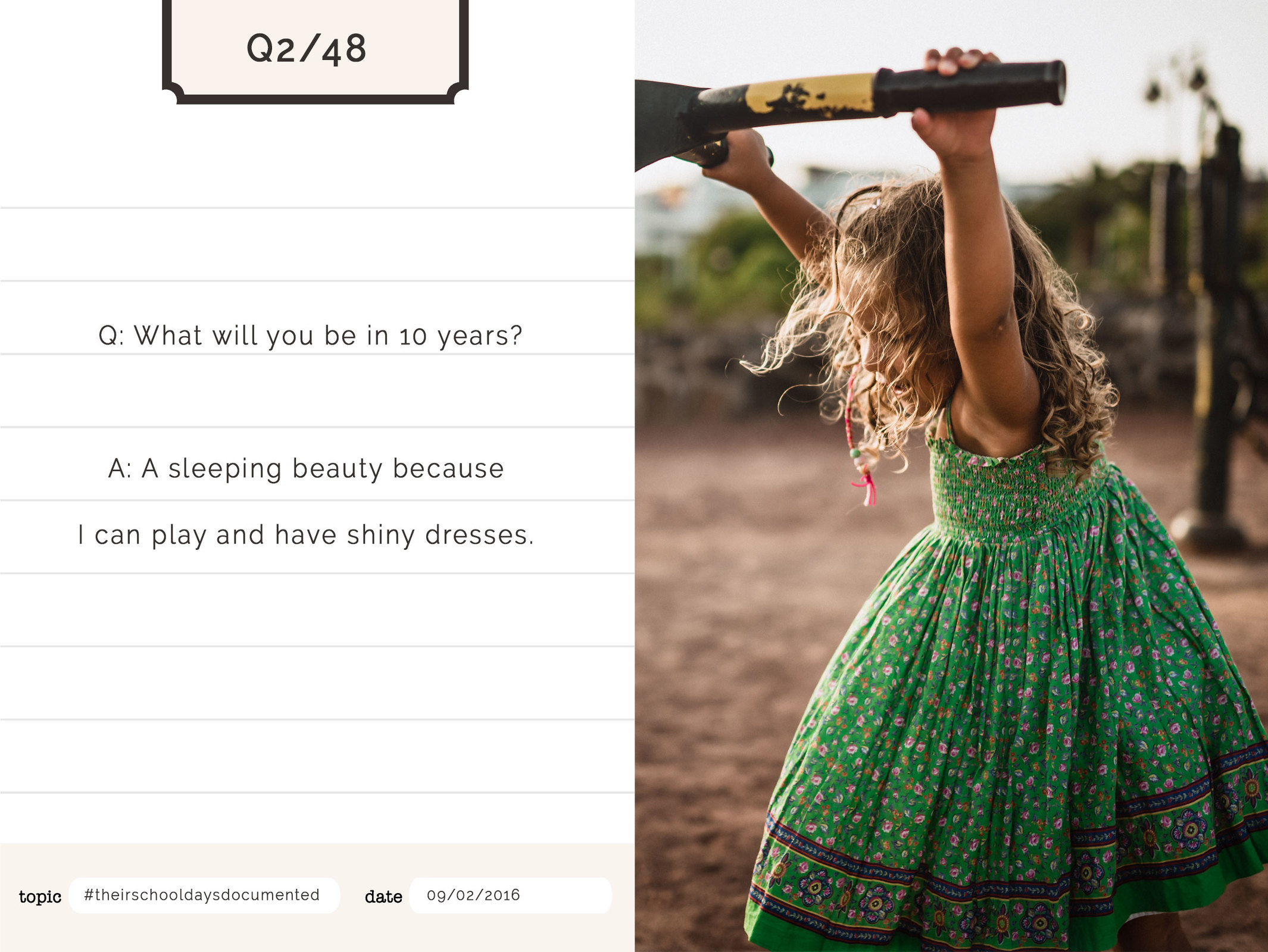
These little things can include working on their homework, shopping for school supplies, playing at the school playground after school,  and your child’s friends and teachers. I regularly share their images hashtagged #theirschooldaysdocumented on Instagram if you’d like some inspiration with what kind of pictures can help tell their story.

When I look back at my kids' school pictures, I realize how much my children have grown. I have created a system that helps me to preserve their special school moments and make it easier for them to reminisce on these times.

take-better-pictures-with-the-help-of-the-Clickin-Moms-photography-forum

Interview time capsule

The beginning and the end of the school year are also the perfect times to interview your kids! Yearly school interviews can be a marvelous tradition.

If you ask the same questions each time, you can look back and watch them change and grow throughout the years as well as see how their handwriting and spelling has improved. I am trying to follow the same list of questions I worked out the very first year, but am pretty flexible in case I need to change them at some point or add something new.

When I look back at my kids' school pictures, I realize how much my children have grown. I have created a system that helps me to preserve their special school moments and make it easier for them to reminisce on these times.

I am using this free downloadable questionnaire for my children to fill out. If they’re too young to write, ask them the questions and write down their responses as word-for-word as possible.

We love making interview films in our house, too. I am recording the answers on video to make this an extra special keepsake! It’s a great way to record how children sound and communicate.

When shooting, try to use a natural source of light like placing your kids next to a window. You’ll want to consider using a tripod for steadiness. Make sure you check that the sound is picking up their voice clearly and try to eliminate all the background noises.

A few years ago I discovered the One Day app that helps me to record mini videos and document memories on my phone in a few simple steps when I don’t have my DSLR camera with me (which happens very rarely but still happens).

This is not just an app that helps you to record the video but it is a theme related questionnaire. The movie is accompanied with a theme music. I find it really perfect for sharing with my family and friends. Very easy and no extra applications or programs are involved.

Weekly or monthly journal

When your child comes home on the first few days of school or throughout the school year you may have lots of questions for him/her. A fun idea is keep a weekly journal of questions you may want to ask your child during the year. Or, you can help your child to write a short journal entry about what they did at school. Don’t forget to take a weekly or monthly photo to accompany their journal entries.

When I look back at my kids' school pictures, I realize how much my children have grown. I have created a system that helps me to preserve their special school moments and make it easier for them to reminisce on these times.

To help you start, I have 15 sample questions for you to use as conversation starters with your children. You can expand your list of questions depending on a number of school weeks per year. Please, keep in mind that:

  • Asking open-ended questions will keep a conversation going.
  • Often kids are not specific, so you have to ask for specific information when you want it.
  • Try not to help them out with their answers as sometimes they can follow your direction and you won’t be able to receive their true, honest and one-of-a-kind answers.
  • Positive questions, such as “describe your perfect school day”, help encourage more conversation.

Enjoy your conversations and trust me, your children will thank you for this in the future!

When I look back at my kids' school pictures, I realize how much my children have grown. I have created a system that helps me to preserve their special school moments and make it easier for them to reminisce on these times.

Paper organization

We all have limited storage space at our home. I have to admit that we can not keep every single masterpiece the kids produce or each paper they bring home from school (at least I thought so before finding this solution). Let’s face it, managing all of the school papers and work can be an overwhelming task. Here are some examples on how I keep it all organized:

  • Because so much is digital these days, create a folder in your email inbox for each child’s class, file newsletters and important rosters.
  • Get everything in one place. Have a drawer or box for each child in the family office labeled with their name and pull the papers, projects, art masterpieces, and awards labeled with dates into one place. I bought these storage boxes from Ikea.
  • By the end of the school year, go through all the stuff together and keep just a handful and the most memorable things such as best art pieces, a few handwriting samples, their awards, and some other stuff that helps tell their story.
  • The items that you and your kids find so special but don’t necessarily need to keep, scan those onto your computer and include them in a child’s personal yearbook.

Put it all together and make a book

When I look back at my kids' school pictures, I realize how much my children have grown. I have created a system that helps me to preserve their special school moments and make it easier for them to reminisce on these times.

Creating a photo book is your next and final step. This is my favorite part! I understand that this is the most scary part for so many people because the idea of “compiling a book” is just overwhelming. Check out these articles on how to put an album together:

When I look back at my kids' school pictures, I realize how much my children have grown. I have created a system that helps me to preserve their special school moments and make it easier for them to reminisce on these times.

Keep it simple and enjoy the fun while trying to document it!

The post 5 simple tips on how to preserve your child’s school memories appeared first on Clickin Moms.


Clickin Moms

Posted in Photograpy How To | Tagged , , , , , | Leave a comment

How to easily create a photo booth for a kids event

As my son entered preschool, I noticed that he was becoming increasingly interested in my camera and taking his own photographs.

Whether it is our camera phone or DSLR, children naturally want to imitate us. During this period, I tried to find ways to nurture his interests but also noticed his preschool cohort was exploring photography in a similar way.

Finding ways to encourage our kids to express themselves through photography can be a fun, engaging way to share what we love doing. Our preschool model encourages parents to share their interests so I proposed creating an interactive photo booth for the children.

Although I put together a photo booth for the preschool crowd, the formula could easily be adapted for a birthday party or an afternoon activity with friends. With a few adaptations, you could make the setup better suited for your intended audience.

The Setup

The setup was very simple: backdrop, natural light from a window and a camera. In the photo below, you can see that there was a small window. Even though there wasn’t a lot of light in the room, this one window was all I needed.

For stability, I set up the camera on a tripod and then used tape on the floor to indicate where the kids should stand.

Whether it is our camera phone or DSLR, children naturally want to imitate us. Our preschool model encourages parents to share their interests so I proposed creating an interactive photo booth for the children.

The kids took turns taking photographs of each other; however they were more interested in using the camera than actually being in the photos. I did my best to not intervene except to periodically check the camera settings and realign the camera angle.

The Supplies

Here are the supplies that I used; however, not all of them necessary and you can create your own modifications.

Backdrop: To keep the activity child-centered, I used artwork created by the children. There were large pieces of paper painted by them at school.

Backdrop stand: To hold the backdrop in the area I wanted, I brought in my stand but the paper could have been easily just taped to a wall or hung from the ceiling.

Tripod: I was worried about about the camera dropping so I elected to keep the camera on a tripod. Since the kids were so excited about using a real camera it helped keep the camera in one place and created a natural line for turn-taking.

Weights: Since I have a light-weight tripod, I hung weights inside a bag to give the tripod additional stability.

Camera: I decided to use an old point-n-shoot over a phone camera. Mainly I thought the kids would be excited to use an actual camera. Since many of the parents only use their phones, it would be a new experience for the kids.

Props: Initially, I thought props such as hats, glasses, and play dress up clothes would be needed but we quickly ditched these props. The kids didn’t need them. When I have done this activity with adults, I have found the opposite to be true. Adults seem to prefer having something silly to use and it makes them more likely to participate.

Whether it is our camera phone or DSLR, children naturally want to imitate us. Our preschool model encourages parents to share their interests so I proposed creating an interactive photo booth for the children.

take-better-pictures-with-the-help-of-the-Clickin-Moms-photography-forum

The Challenges

During the activity, the kids had a lot fun taking the photos so much that no one wanted to be in them; they only wanted to use the camera. There are two other notable challenges that I addressed the second time we did the activity in the class.

Set your settings: For ease of use, I put the camera in auto mode but I made a novice mistake, forgetting that in this mode that the camera would  lower the shutter speed to make up for the low light conditions inside thus a lot of the photos were blurry.

The point-n-shoot I own allows me to set my shutter speed, aperture, and ISO so I made sure to use this feature resulting in sharper photos. Every so often I would double check the settings since the kids ended up changing them after pushing buttons.

Use a wide backdrop: Initially, I just taped two pieces of paper together but the backdrop wasn’t wide enough. The kids were not paying attention to what they were photographing so the classroom instead of the backdrop was in the final image. A wider backdrop allowed from a larger margin of error.

Whether it is our camera phone or DSLR, children naturally want to imitate us. Our preschool model encourages parents to share their interests so I proposed creating an interactive photo booth for the children.

The Results

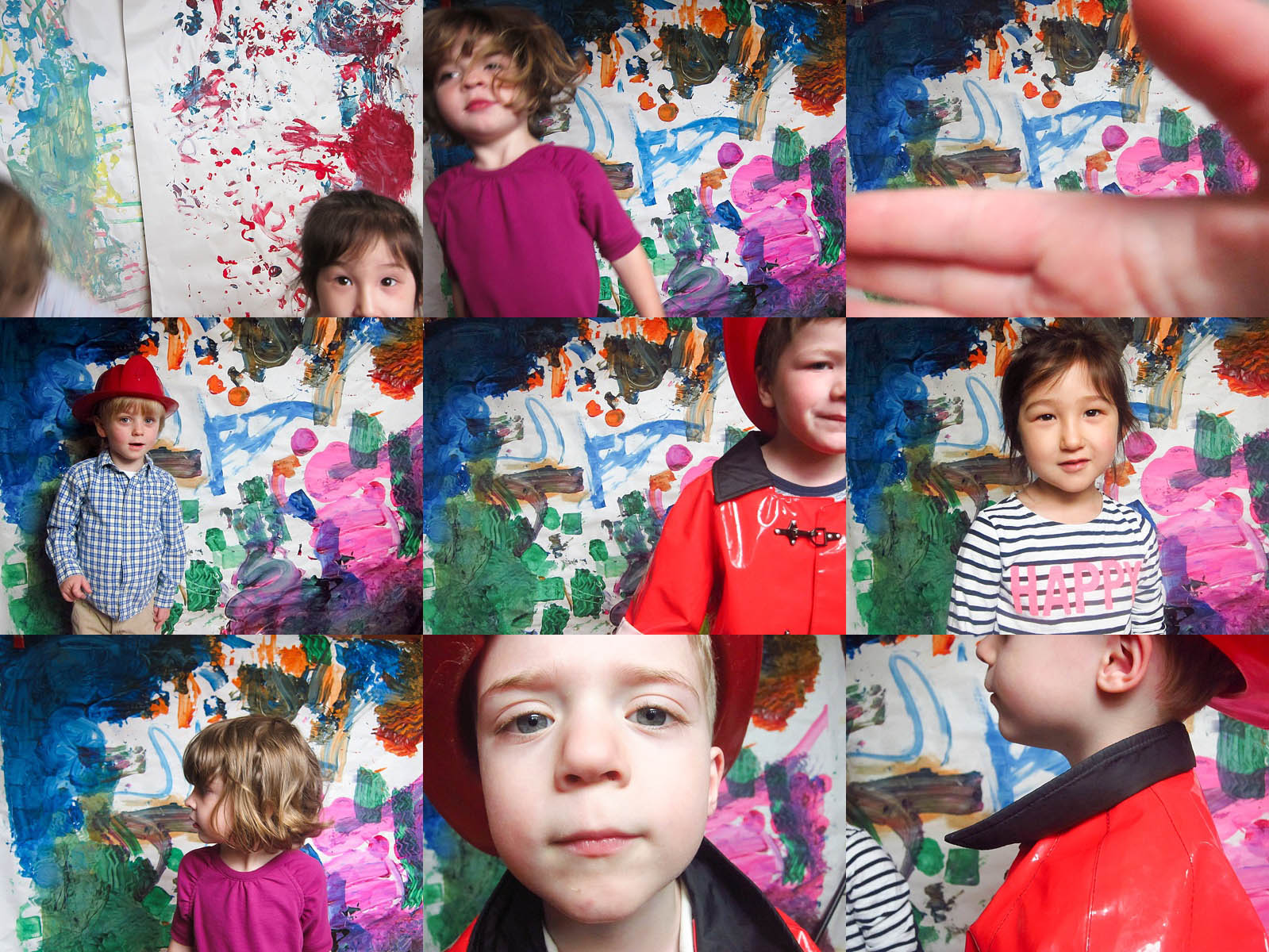
The first time I looked at the photos, I couldn’t help but laugh. There were extreme closeups, photographs of hands, blurry faces, etc. There were even a few happy accidents.

Whether it is our camera phone or DSLR, children naturally want to imitate us. Our preschool model encourages parents to share their interests so I proposed creating an interactive photo booth for the children.

Ultimately, it wasn’t about the outcome but having a little fun.

Whether it is our camera phone or DSLR, children naturally want to imitate us. Our preschool model encourages parents to share their interests so I proposed creating an interactive photo booth for the children.

The post How to easily create a photo booth for a kids event appeared first on Clickin Moms.


Clickin Moms
Posted in Photograpy How To | Tagged , , , , , | Leave a comment