What Is Focal Length in Photography?

Focal Length

Many people misunderstand the concept of focal length in photography. Contrary to what some photographers think, the focal length of a lens is not the lens’s physical dimension. So, what is focal length then? In this article, I will answer that question and discuss how to decide which focal length is right for your style of photography.

Photography Life

Posted in Photograpy How To | Tagged , , | Leave a comment

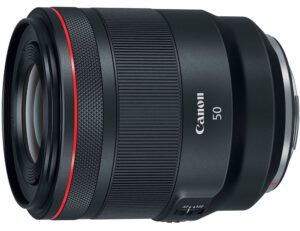
Canon RF 50mm f/1.2L USM Review

Canon RF 50mm f1.2L USM

With the introduction of Canon’s first full-frame mirrorless camera, the EOS R, an important challenge arose: releasing spectacular lenses that convinced photographers of the new system’s potential. The first two “crown jewel” lenses in the new lineup are the RF 28-70mm f/2L zoom and the RF 50mm f/1.2L – the second of which we will be reviewing today.

Photography Life

Posted in Photograpy How To | Tagged , , , | Leave a comment

Why you should be using your camera in manual mode

I remember three years ago when I first had the confidence to switch my camera from Auto mode to manual. I was terrified. 

What if I missed my shot? 

What if I couldn’t change my settings as fast as my kids could run away from me? 

And I still had that little doubt inside of me asking if there really would be a positive difference in my photos when I shot manual mode versus Auto. I knew that everyone told me I needed to make the switch…but my camera seemed pretty smart!

If you are feeling the same fear and apprehension I felt when I made the switch, I am here to help! Maybe you are just getting started with your camera or perhaps you are someone who is pretty confident shooting in other ‘Auto modes.’ But if you aren’t using your camera in manual mode, you likely aren’t taking advantage of all your camera has to offer.

Let’s explore what it means to shoot in manual mode and how it can make your photos better together.

boy at top of yellow slide jyo bhamadipati
1/320, f/5.0, ISO 640

The Auto Modes

First, let’s define what the various Auto modes are on your camera and what they do.

Auto mode

In full Auto mode, your camera is “looking” at any scene and choosing the aperture, shutter speed, and ISO to get the best exposure. And your camera? It’s pretty smart! It will often get your exposure just right and allow you to snap away with photos that aren’t too dark or too bright.

Join Clickin Moms today

But your camera is a tool, not an artist. When you shoot in Auto mode, it won’t know whether or not you want a blurry background. Your camera won’t know that you want to expose for that tiny area of bright light rather than balancing the exposure of the whole frame. So while your camera in Auto mode is smart, it is not able to make artistic decisions.

macro photography water droplets on green leaf jyo bhamadipati
1/250, f/2.8, ISO 400

Aperture Priority mode

It is usually the A or the Av mode in your camera. In this mode, the photographer sets the aperture (f-stop) and the camera automatically selects the shutter speed and ISO to get proper exposure in any given situation.

This mode allows you to fully control the depth of field of your shot. However, you are trusting your camera to know what shutter speed is fast enough to freeze the motion of any given subject. You are also risking having more noise than you may want in lower light situations.

girl on path in rain boots jyo bhamadipati
1/320, f/2.2, ISO 100

Shutter Priority mode

This is usually the the symbol Tv or S on your camera. In this mode, the photographer sets the shutter speed. The camera sets chooses the aperture (f-stop) and ISO that allows you to capture proper exposure with any given shutter speed.

If your priority is to freeze motion or capture motion blur, this is a great option! However, you might find that your camera chooses an aperture with a depth fo field that is too narrow. Your fast-moving subjects may end-up blurry not from motion blur but because they are out of the plane of focus.

1/400, f/3.5, ISO 160

ISO Priority mode

This mode makes it so that you can choose the ISO and the camera chooses the shutter speed and aperture. When shooting in this mode, you have control over the noise in the frame.

Related: What is auto ISO and when should you use it?

However, you risk getting blur from motion and a narrow depth of field if the ISO is so low that your aperture and shutter speed have to overcompensate.

boy in yellow jacket laughing by jyo bhamadipati
1/250, f/2.0, ISO 200

What is Manual mode?

Manual mode is typically indicated by the symbol M in your camera. In this mode, the photographer chooses the aperture (f-stop), the shutter speed, and the ISO.

The photographer makes the decision on exposing the image correctly by controlling all three elements of the exposure triangle. The camera does not choose any of these settings and the photographer must dial all three in individually in any given situation.

Note that shooting in manual mode is not the same as shooting in manual focus. Shooting with a manual focus means that the photographer moves the focus ring on the lens and turns it until the desired elements are in focus. Autofocus allows the camera to move the focus ring until the area selected in the viewfinder is in focus. This is a separate concept from Manual mode.

Shooting in manual mode is widely seen as the most important step in advancing yourself as a photographer and artist. Manual mode allows you to control the exposure of your shot exactly as it matches your vision.

girl smiling in crib jyo bhamdipati
1/250, f/2.2, ISO 640

Exposure

The relationship between these three settings is called the exposure triangle. Having proper exposure means that you have details visible in the shadows and highlights of the most important areas of your photographs.

These settings affect the amount of light entering the camera as they affect how wide the lens elements open (aperture), how fast the shutter opens and closes (shutter speed), and the sensitivity of the camera sensor (ISO). As aperture, shutter speed, and ISO, each change individually, you will need to adjust the other two settings to compensate.

girl by window with eyes closed black and white jyo bhamadipati
1/200, f/2.2, ISO 500

Aperture

Aperture controls the amount of light that enters the camera by controlling the size of the aperture ring. It also controls the depth of field in any given photograph.

When the aperture is larger (which means that the f-stop number is smaller), more light will be let into the camera and the depth of field will be smaller. This means that a smaller area away from the camera will be in acceptable focus as you choose your focal point.

If you like blurry backgrounds(often desired in portrait photography), you will want a larger aperture. If you are trying to get more of the frame in focus (often desired in landscape photography) you will want a smaller aperture.

As you choose your aperture, you will need to adjust your shutter speed and ISO to let the proper amount of light into the camera so that your exposure is correct.

girl in yellow sweater playing with yellow balloon jyo bhamadipati
1/250, f/4.5, ISO 100

Shutter speed

Shutter speed helps freeze motion or create blur in a given shot. A slow shutter speed will capture the blur of the movement and a high shutter speed will freeze the motion.

Shutter speed also affects the amount of light that is let into the frame. The faster the shutter speed the less light is allowed into the frame. The slower the shutter speed, the more light that is allowed into the frame.

As a photographer, it is really important to understand the importance of using the right shutter speed. Blurry shots as a result of slow shutter speed cannot be fixed with Photoshop magic! You will want to choose a shutter speed that will allow you to control the blur while using all three exposure variables to ensure that there is enough light entering the camera.

toddler in red crayon costume jyo bhamadipati
1/250, f/4.0, ISO 125

ISO

ISO controls how much light enters the camera by making the sensor more or less sensitive to light. With film photography, the ISO was determined by the film stock. In digital photography, we choose the ISO in our camera settings.

In general, you will need a higher ISO when there is less light available. You will need a higher ISO when more light is available.

It is also important to note that ISO also brings in additional grain to the final image when increased to a somewhat higher number. This higher number is usually dependent on your camera’s make and model and it’s ability to handle light/grain in low light situations.

Member exclusive tutorial: How I learned manual mode

woman holding child and red coffee mug in front of christmas tree jyo bhamadipati
1/250, f/1.4, ISO 200

Make the move to “M”

I know. All these settings can be really daunting at first. But I promise you that it all comes together with practice.

Try experimenting with your camera. Change one setting while keeping the other settings constant and see the effect on your images. This is a great exercise to see how each setting affects what the camera sees!

Then, try getting the same exposure while adjusting all three settings in tandem. See how you can control the light in the frame while changing aperture, shutter speed, and ISO.

As you continue to control each of these variables, you will not only be better able to control the light and technical success of your photos. You will also be able to control how you use those settings creatively. You will be allowed to use your camera as the tool to create art. And from there the possibilities are endless.

Become a Member of Clickin Moms

The post Why you should be using your camera in manual mode appeared first on Clickin Moms blog: Helping you take better pictures one day at a time.


Clickin Moms blog: Helping you take better pictures one day at a time

Posted in Photograpy How To | Tagged , , , , | Leave a comment

9 Macro Photography Tips for Beginners

Brown Anole

With spring arriving in the Northern Hemisphere, it’s time again for many of us to go outside in humid, buggy areas in search of creepy-crawlies. Macro photography is… peculiar, I admit that. But anyone who’s tried this genre also knows its allure. Navigate some technical hurdles and heed the mosquitos, and you’ll find whole universes of photographs to capture in your backyard. If you’re just beginning macro photography, the following tips will show you where to start.

Photography Life

Posted in Photograpy How To | Tagged , , , | Leave a comment

On the move: Everything you need to know to freeze motion in photos

I am a mom who is often photographing her kids. And I would love to impress you with tales of my angelic children…how they sit perfectly still every time I bring out my camera. But that wouldn’t even be close to the truth.

Because my kids? They are always on the move. I joke that even when they are sitting still, my kids are wiggling!

And I like this about them! Many of the moments that I most want to capture are at baseball games and playing in the yard and at our Saturday morning dance parties. These are moments where movement is part of the story. So rather than begging my kids to sit still, I use my camera to accommodate their dancing/jumping/running/playing.

Today I am sharing with you all of the things you need to know so that you, too, can freeze this fast-moving memories before they disappear.

boy spraying brother with hose freezing motion kellie bieser
shutter speed: 1/1250

Shutter speed

There are three variables that affect your exposure: aperture, ISO, and shutter speed. Adjusting any of these will affect how much light enters your camera and thus how well-exposed your photos will be.

Aperture affects how large the opening of your lens element will be. ISO affects the sensitivity of your camera’s sensor. And shutter speed affects how quickly your camera’s shutter opens and closes. This last variable is super important for freezing motion!

Join Clickin Moms today

If your shutter is open for a longer period of time, your subject is going to move through the frame and look like a blur in the final shot. The faster the shutter opens and closes, the less time your subject will have to move through the frame. And the more “frozen” they will appear in the photograph.

Of course, none of the exposure triangle variables exist alone. You will need to accommodate the fast shutter speed by opening up your aperture and/or increasing your ISO. Likewise, you are going to find that photographing motion where there is a lot of available light will be super helpful. It will allow you to increase your shutter speed without forcing your other settings to be less than ideal.

girl pushing toddler in laundry basket freezing motion kellie bieser

How fast is fast enough?

In my mind, one second is pretty fast. But in your camera? That’s actually really slow!

Think about it this way: when you do a single jumping jack, that movement takes you about one second. So in that time, you have moved your arms all the way above your head and back down to your sides. In a photograph with the shutter open for a full second, you will see a blur of your arms and legs as they go through that entire motion.

In half of a second, your arms still make it all the way over your head. With the shutter open for just 1/25 second, you will still see your arms and legs moving from the start position to halfway up! If you want to make it look as though you are totally frozen, you will need your shutter to move MUCH faster.

As a baseline when photographing kids, I recommend not letting your shutter speed go any slower than 1/125. This is the speed at which I shoot when my kids are relatively still.

If I am going to be photographing my kids moving slowly, such as picking flowers or walking in the part, I take my shutter speed up to 1/500. This ensures that I still freeze the motion but gives me some wiggle room with my aperture and ISO.

Like this article from Kellie? Check out this member-exclusive tutorial on the Clickin Moms forum: 5 Tips for photographing kids who don’t want to be in front of the camera

Finally, when I want to photograph dynamic movements like running or throwing a baseball or jumping on the bed, I make sure that my shutter speed doesn’t go below 1/800. Even at this speed I might get some blur in their hands, but it’s a good place to start.

Your camera’s shutter speed can likely move as quickly as 1/4000 or 1/8000 second. When possible, I totally encourage you to take it that fast. The faster the shutter speed, the more likely you will be able to freeze all the fun!

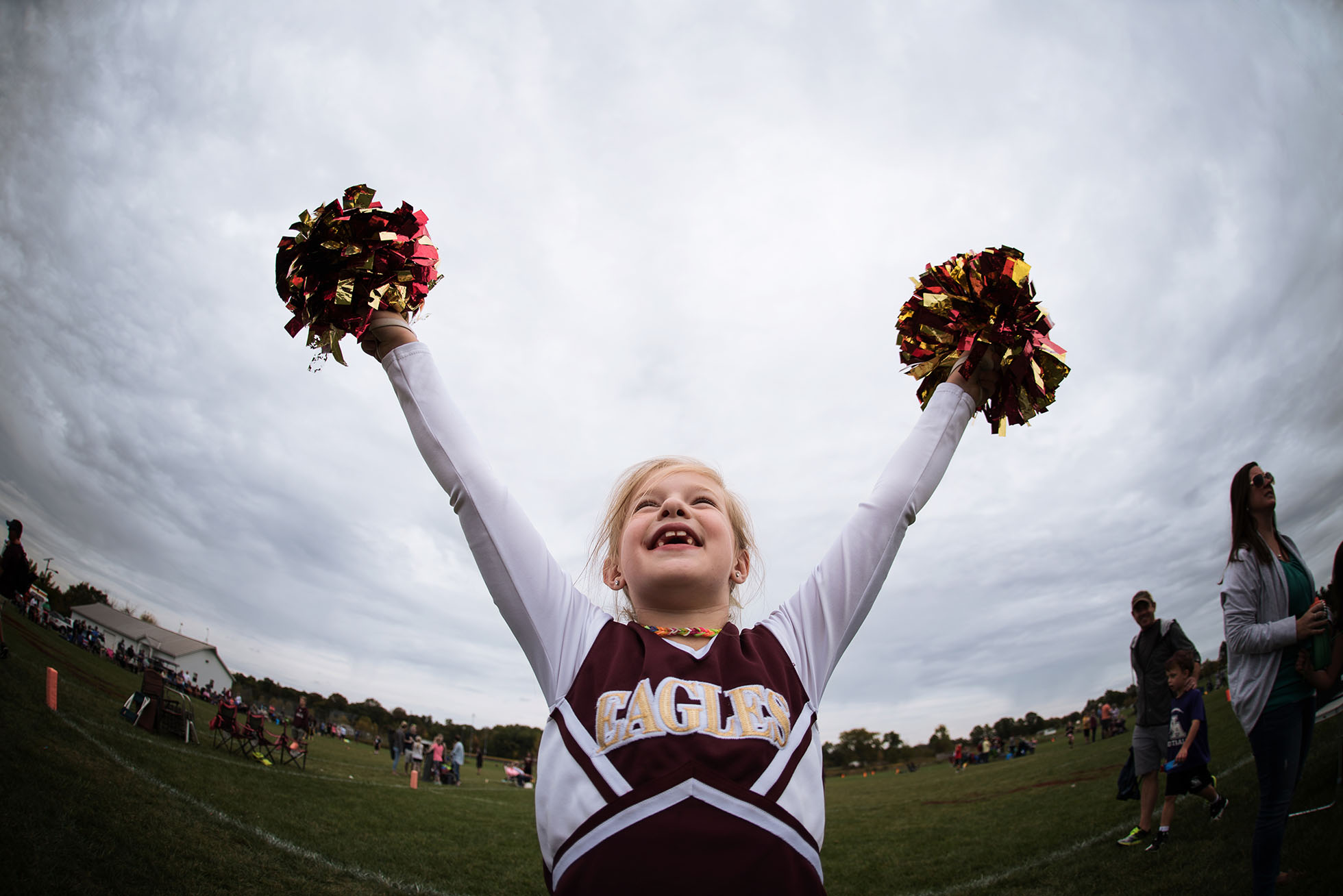
girl-cheering-at-football-game-freezing-motion-kellie-bieser

Focus mode

Chances are, your camera’s factory settings are such that your shutter release button also controls your autofocus. This means that when you press the shutter button halfway, your camera searches for and locks focus.

However, this also means that as your subject moves about the frame, you might miss freezing the motion. In the fraction of a second between pressing the shutter halfway and all the way, your subject could be on a totally different focal plane, leaving you with an out of focus shot.


must haves

OUR ESSENTIALS FOR FREEZING MOTION

nikon z7 mirrorless camera freezing motion

Nikon Z7

I love my Nikon Z7 as it allows me to freeze motion with its super fast shutter speed while also letting me see real time exposure through the electronic viewfinder. Even better, paired with the FTZ adaptor I can use this camera with all of my favorite F mount lenses.

nikon 70-200mm f 2.8 lens freezing motion kellie bieser

70-200mm f/2.8 lens

This lens is a beast (it will give you a good shoulder workout!) and the images you can create with it will blow you away. I love the fixed aperture (allowing me to stay nice and wide throughout the focal length range), the versatility (I use this for everything from portraits to baseball), and the consistent performance (this thing never misses focus!) of this lens.

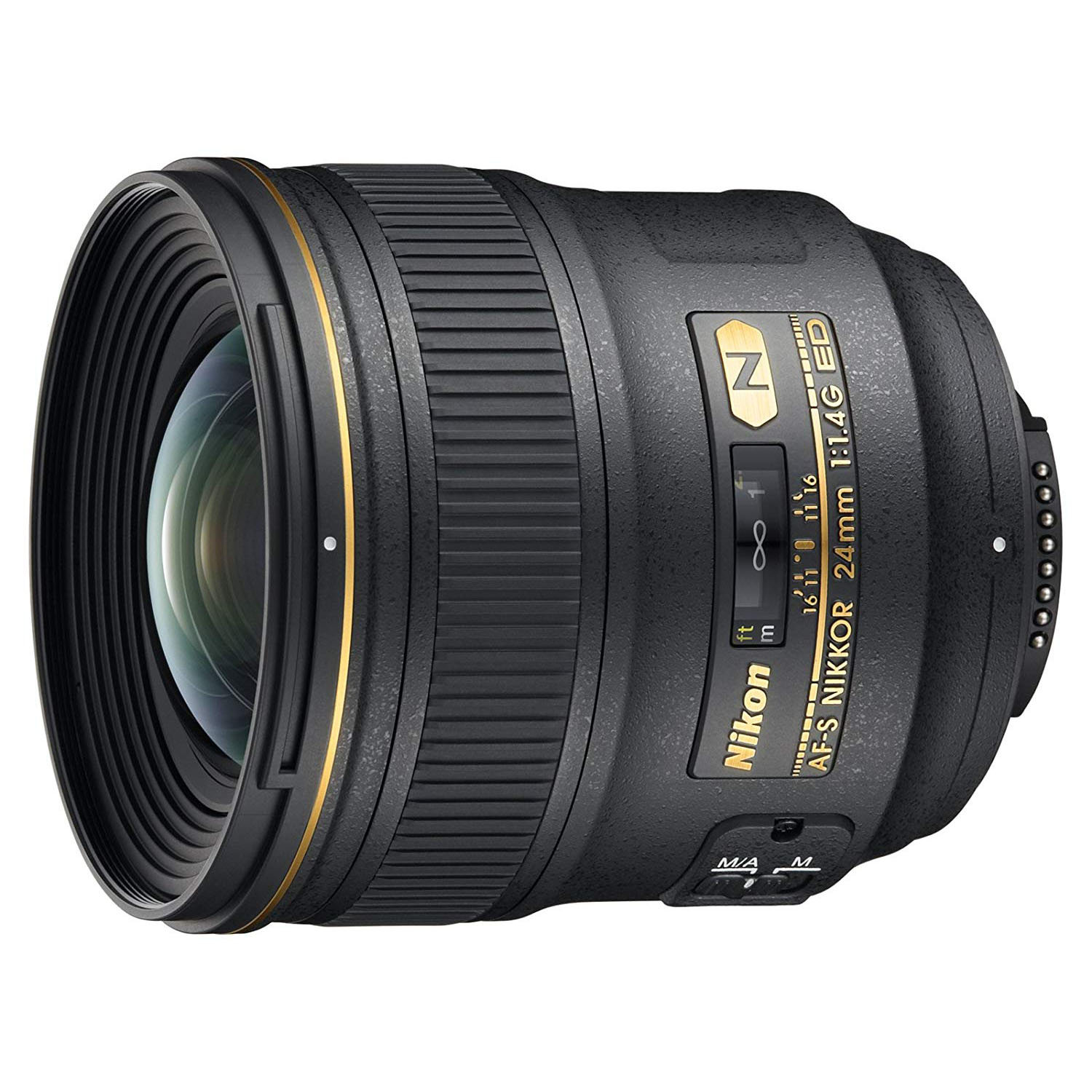
nikon 24mm f 1.4 lens freezing motion kellie bieser

24mm f/1.4

This is the lens I reach for when I want to capture motion with some environmental context. The wide angle allows me to get the whole scene in the frame while the wide aperture and amazing focusing performance allow me to freeze the motion in even the most challenging of light situations.

Instead, I would encourage you to switch your camera to back button focusing in dynamic autofocus mode. With these settings, you can hold the back button focus button on the back of your camera as you shoot, allowing your camera to refocus continually as your subject moves through the frame.

Sports photographers and wildlife photographers have been using this system for ages. It only makes sense that we would need the same settings when photographing wild and crazy kids!

Related: How to use back button focusing when taking pictures

boy pitching baseball with coach behind him freezing motion kellie bieser

Maintain a generous focal plane

When photographing moving subjects, not only do you have to accommodate the speed at which they move, but you also have to accommodate the direction in which they move.

For example, when my son is on the pitcher’s mound, I am often photographing him from behind home plate. Here, he is actually moving toward me. This means that when I grab focus as he prepares to throw the ball, he is going to move out of focus as he throws the ball if my focal plane is not wide enough.

To keep him in focus throughout the movement, I need to ensure that I have an aperture that allows for a bit of wiggle room. Of course, back button focusing and dynamic autofocus will definitely help here. But closing down my aperture even just a little bit can make all the difference in nailing focus in fast-moving situations.

Your focal plane will be dependent upon your aperture, your focal length, and your distance from your subject, so be sure to experiment with your settings to find what works best for you.

girl with hair blowing freezing motion kellie bieser

Choosing the right tools for the job

If you are like me, you like to research your gear before you make a big purchase. I read reviews and rent items before buying to ensure that they are going to work for the way I shoot.

When choosing tools for photographing fast-moving subjects, you are going to want to look for some specific features. First, you are going to want a camera that has fast shutter speeds. My favorite camera bodies can go up to 1/8000 and I find that it makes all the difference.

For your lenses, you are going to want to know that they are quick to focus. If you have ever had a “slow” lens, you know the agony of listening to it hunt for focus as you miss your shot. Certain lenses are known for their ability to find focus quickly and those are the ones that I find myself reaching for over and over again.

Finally, you are going to want gear that is capable in lower light situations. Even if you aren’t photographing motion in darker settings, you will want to know that your camera can produce high quality images when you need to bump up your ISO to accommodate your shutter speed. Likewise, you will want lenses that can perform with relatively wide open apertures so that when your shutter speed needs to be fast, your lens can compensate.

baseball player running across field freezing motion kellie bieser

Get moving!

In my home, life is all about moving around and having fun. And I love to capture that with my camera! I can’t wait to hear all about what moments you can freeze with these tips.

Become a Member of Clickin Moms

The post On the move: Everything you need to know to freeze motion in photos appeared first on Clickin Moms blog: Helping you take better pictures one day at a time.


Clickin Moms blog: Helping you take better pictures one day at a time

Posted in Photograpy How To | Tagged , , , , , , | Leave a comment