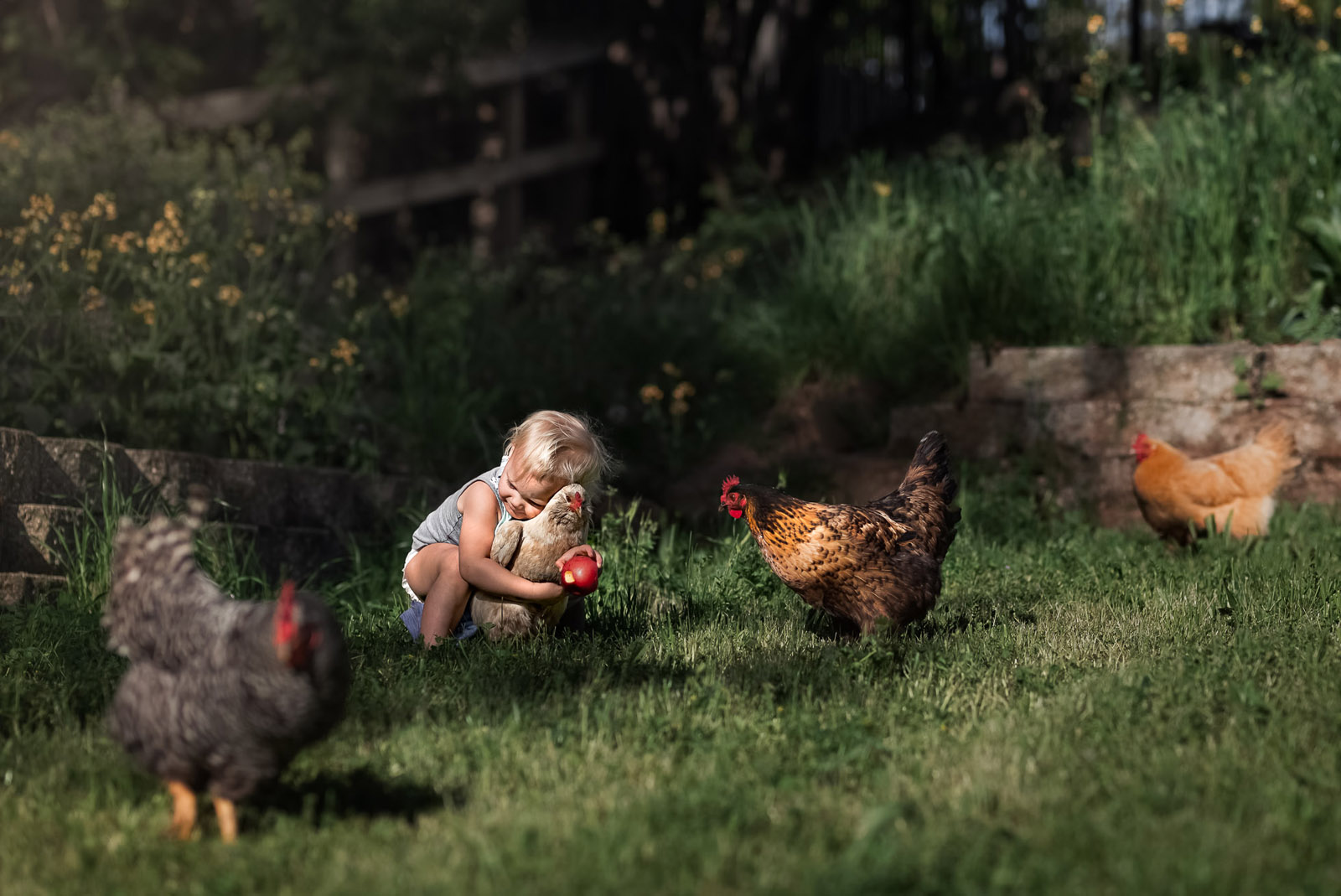
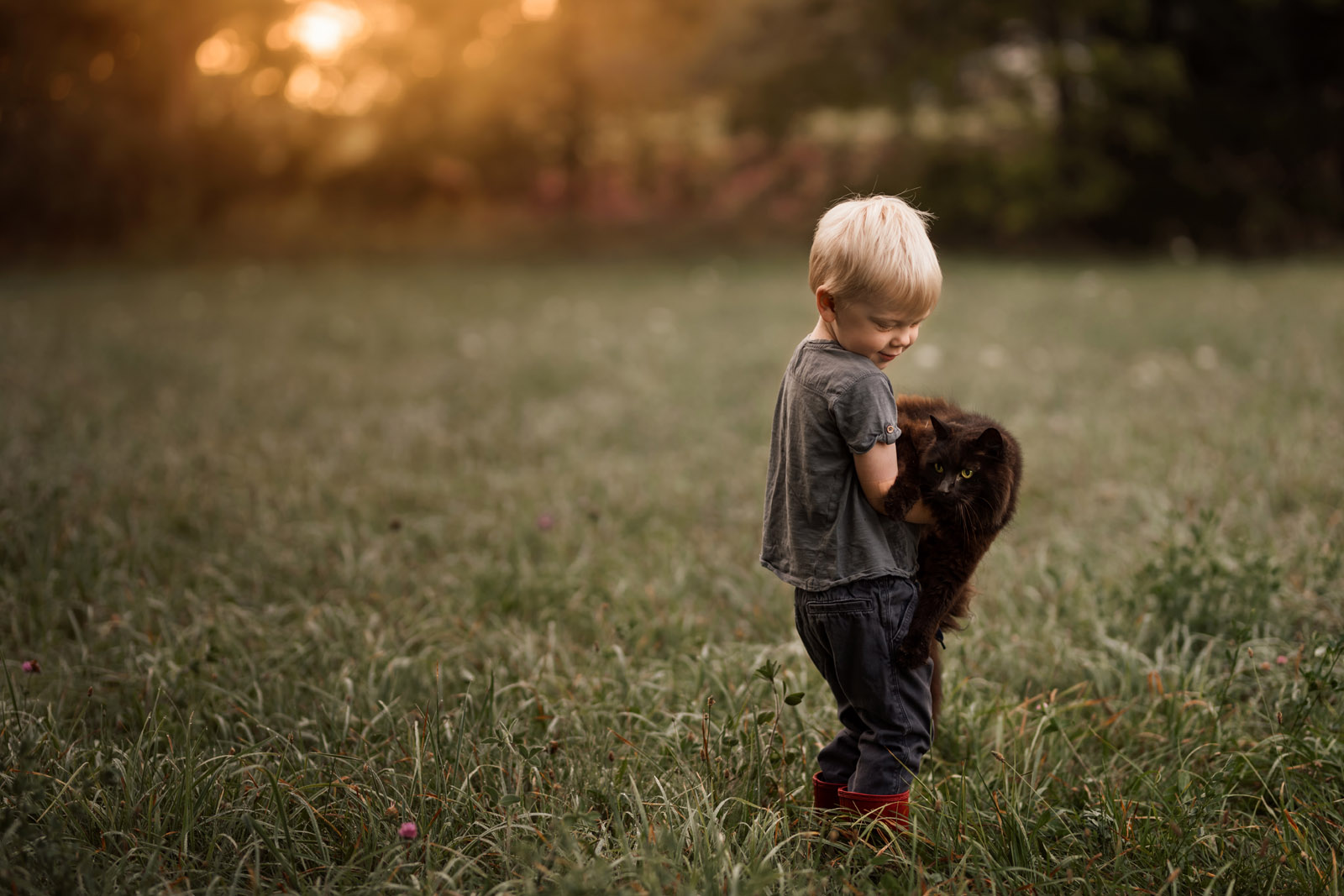
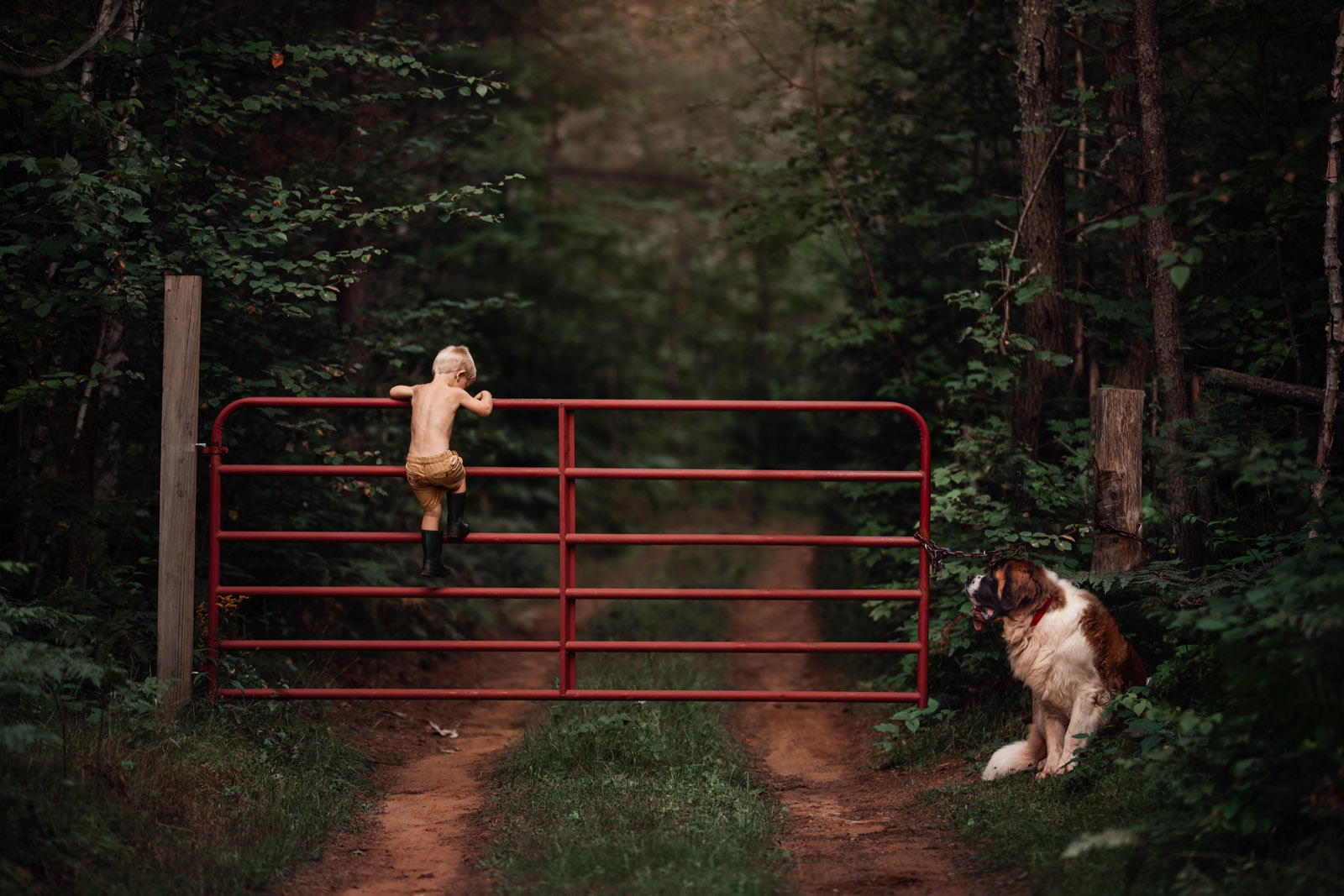
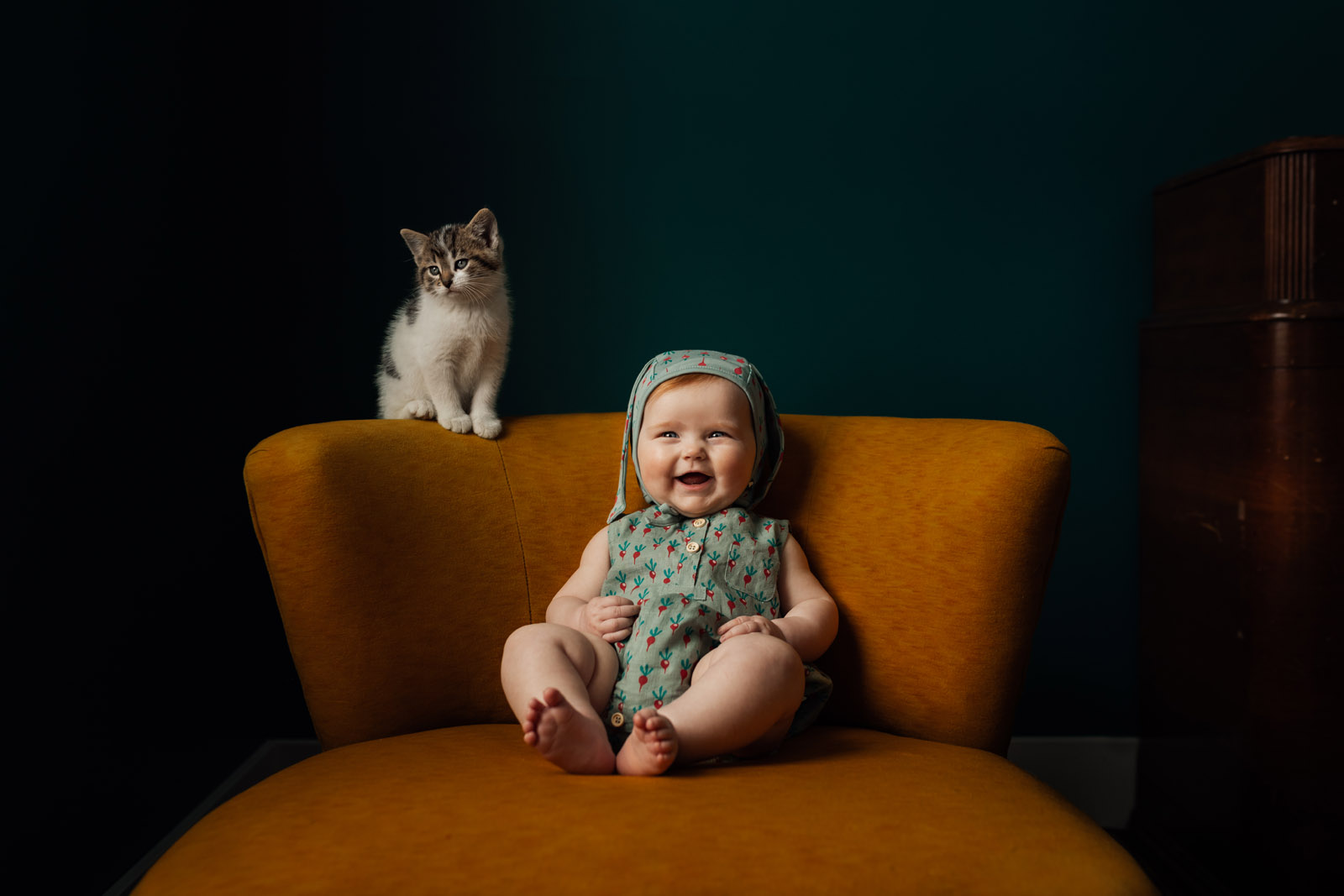
If your family is anything like mine, then you may just have a few fur babies running around your home. We are all about our pets and don’t mind the little mess…and sometimes big mess…that comes with being the owners of several animals.
As a photographer and my designated family’s storyteller, it’s important for me to capture our life. A big part of our lives involves our fur babies.
However, it’s not always easy to include animals in the frame. And when taking good light and composition into consideration, it gets exponentially more difficult.
Over the years of including my own pets in my family photos, I have learned some tricks that make things a little easier. With these tips you can minimize the challenges so many of us face when trying to photograph our beloved pets.
I tend to gravitate towards lifestyle photography more than documentary. That often means I’m in search of good light in which to photograph my family and pets rather than waiting for moments to unfold where they may.
About ninety percent of the time, my dog and cats are not in good light. That means I need to find a way to get them there!
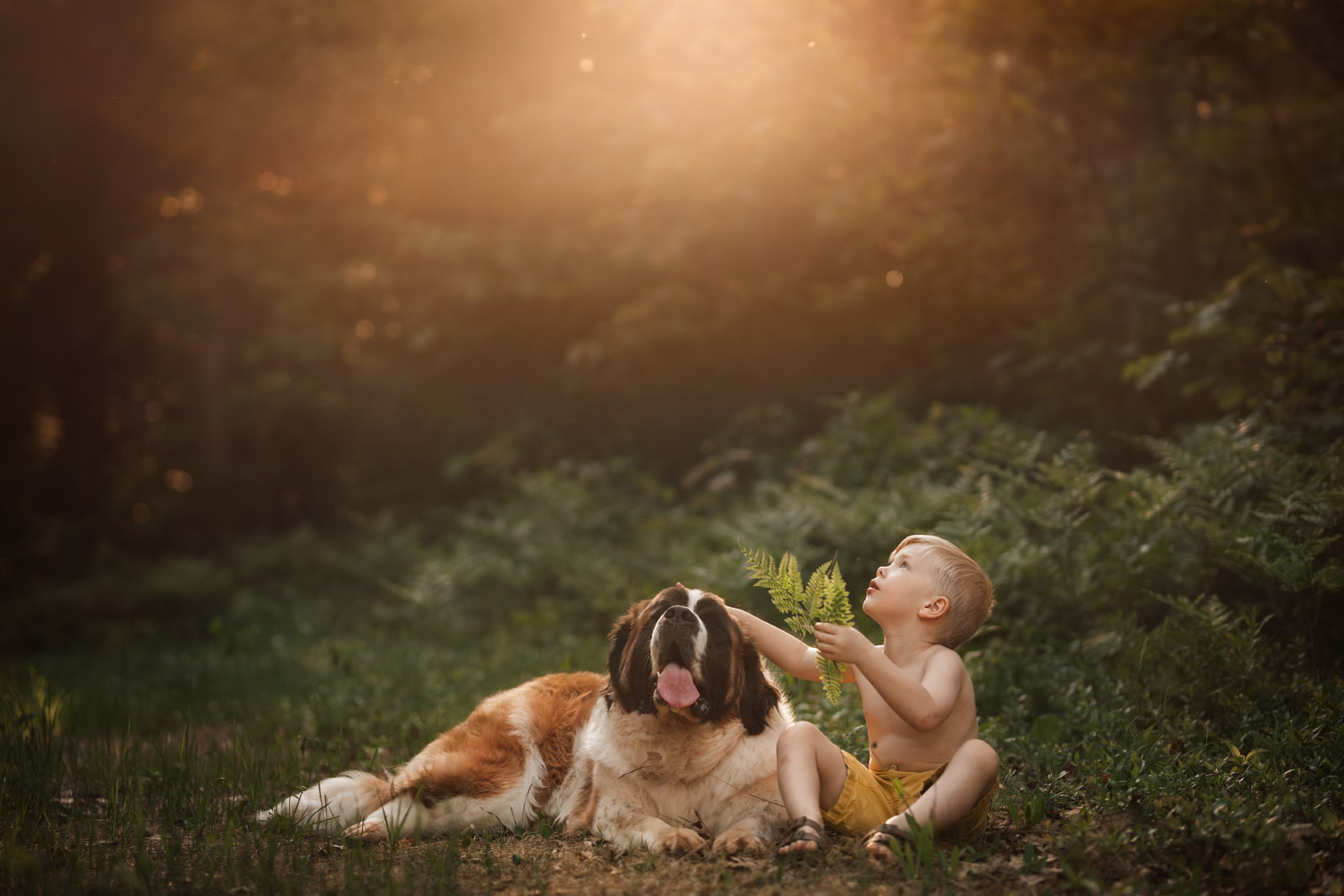
For the most part, that’s an easy feat for my 150 lb. Saint Bernard, Juniper, who loves to sleep and cuddle my children. Anywhere we go, she goes. Juni is naturally calm and easy going so I don’t often have to worry about her running out of my frame, especially indoors. She doesn’t have the space for that inside anyway (outside it’s a bit of a different story…and I’ll touch on that soon).
When I’m photographing my pets, I pay attention to how the light is falling on them just like I do with my children. Are they facing away from the light? Is something blocking the light from falling on them? If I notice less-than-desirable light, I find a way to correct it.
For example, let’s say my dog is facing away from the light source or window. One way of getting her to look toward it is to make noise near the window. It could be something as simple as me snapping my fingers or tapping on the window with my hand. Then I use my other hand to shoot!
Be sure to have proper exposure
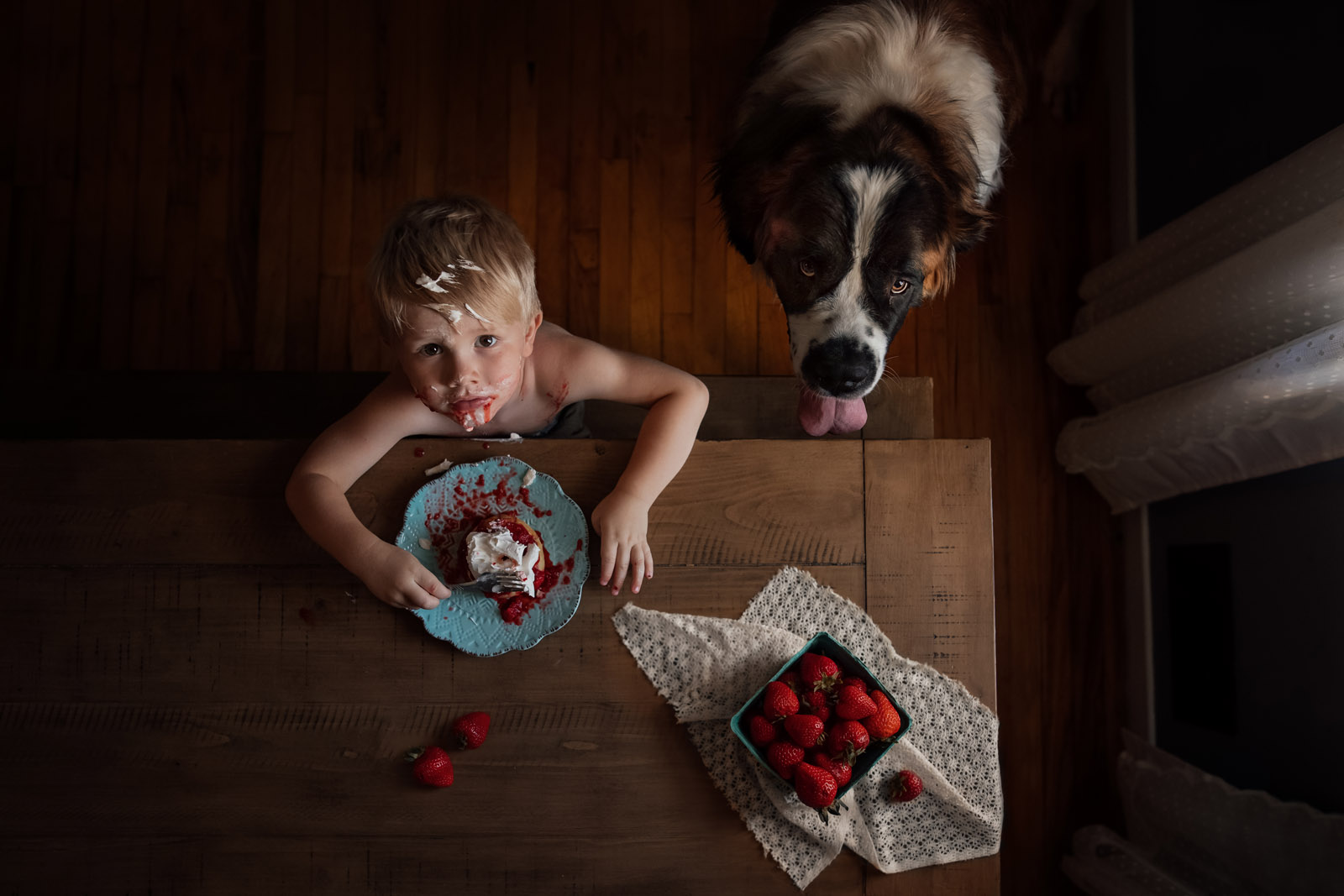
Pets, just like people, come in all different shapes, color and sizes. My Juni is a mix of different colors from black to white. We also have a cat who is all black and another cat who is a mix of white and gray.
This means that once I’ve found good light in which to photograph my pets, I need to make sure that I’m setting my exposure carefully. I don’t want clipped blacks on the darker parts of my furry friends nor do I want to blow the highlights on the lighter parts.
The darker the color, the more it absorbs the light. The lighter the color, the more it reflects the light. If you are questioning your exposure, check your histogram in camera. If you see that your shadows are climbing the left wall or your highlights are climbing the right wall, you need to shift your exposure.
Related: Not too dark, not too bright: 3 Steps to get exposure just right
In post processing, I will often fix any areas on my pets fur with a brush to lift shadows and lower highlights as needed. As long as this detail isn’t clipped or blown it’s easy to fix.
Have the right gear and camera settings
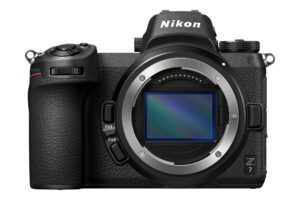
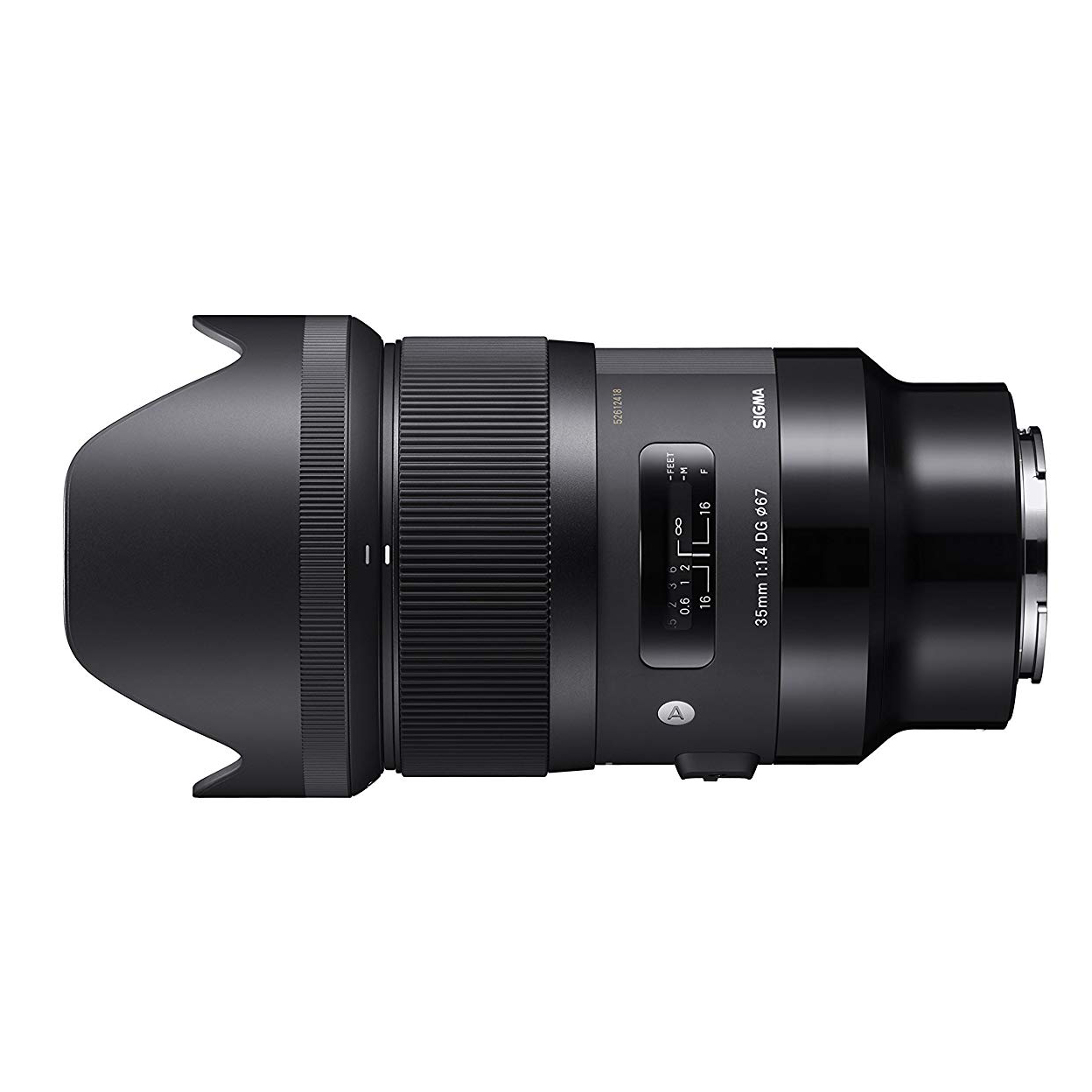
My preferred gear choice doesn’t change when I am photographing my pets with my children. I typically prefer a wide angle lens like my Sigma Art 35mm inside and my Sigma Art 85mm outside.
The 35mm works great in low light and tight spaces. I love the compression I get from the 85mm without having to stand far away from my subjects.